
Middle Temple Gate — History & Facts
Did the painter know this moment would outlive them? A fleeting glimpse of history, captured in the delicate strokes of a brush, holds more than mere representation; it embodies the fragility of time itself. Focus your gaze on the gate’s intricate ironwork, which draws you in with its elegant curves and sharp lines. The muted palette, a symphony of browns and greys, allows the structure to emerge from the canvas, bathed in a gentle light that seems to whisper secrets of the past. Notice how the shadows play upon the cobblestones, evoking a sense of stillness, as if the scene holds its breath, waiting for the next traveler to pass through. Beneath the surface lies the tension between permanence and impermanence.
The solidity of the gate contrasts starkly with the ephemeral quality of the atmosphere; though the structure stands resolute, the soft brushwork hints at the inevitable decay that envelops everything. This duality encapsulates a moment suspended in time, a reminder of both strength and vulnerability. The light filtering through the arch can be seen as a metaphor for fleeting opportunities and the inexorable passage of life, urging viewers to cherish what is most precious. During the late 18th century, Samuel Ireland created this work between 1794 and 1800, a period marked by profound changes in British society and art.
Living in London, he was surrounded by the rise of Romanticism and a fascination with the picturesque. This painting reflects his engagement with the architectural heritage of England, capturing the essence of a moment that, while fragile, invites us to ponder the stories held within its walls.
More Artworks by Samuel Ireland
Browse all →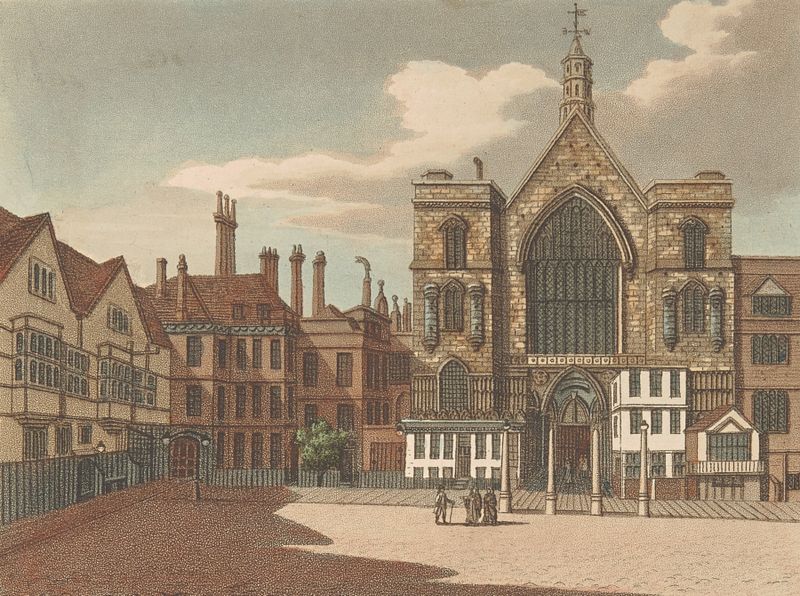
Westminster Hall
Samuel Ireland

Southwest View of Middle Temple
Samuel Ireland
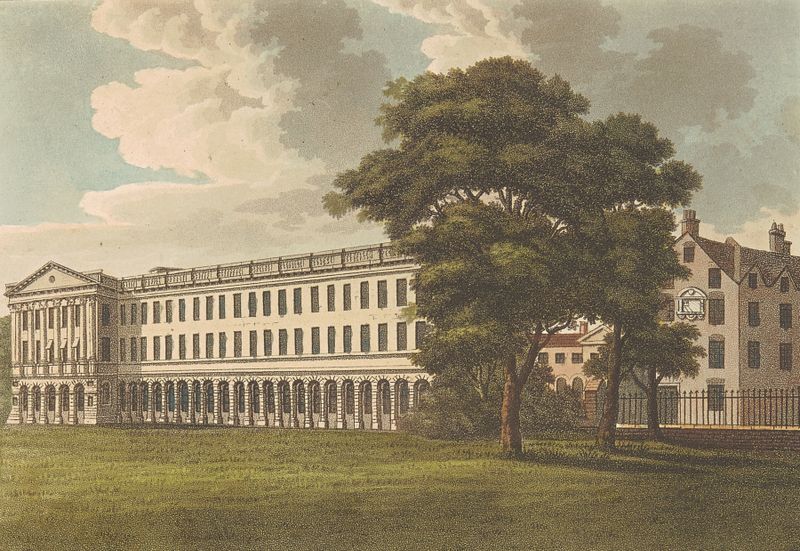
Stone Buildings, Lincoln’s Inn
Samuel Ireland
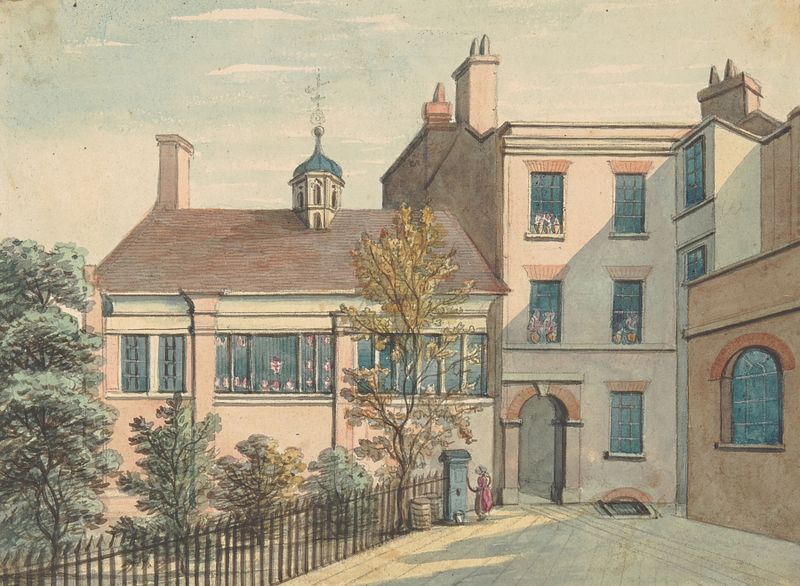
Barnard’s Inn
Samuel Ireland

Lincoln’s Inn Hall and Chapel
Samuel Ireland

Lion’s Inn
Samuel Ireland
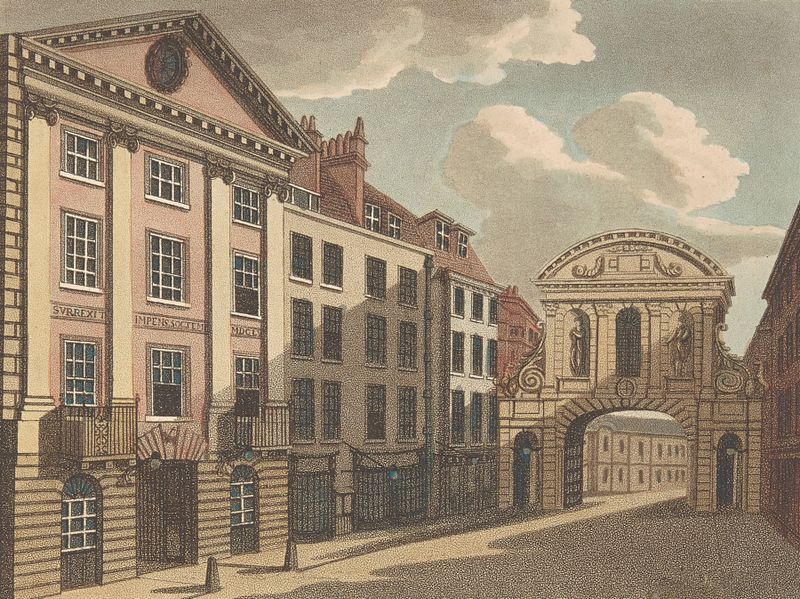
Middle Temple Gate
Samuel Ireland
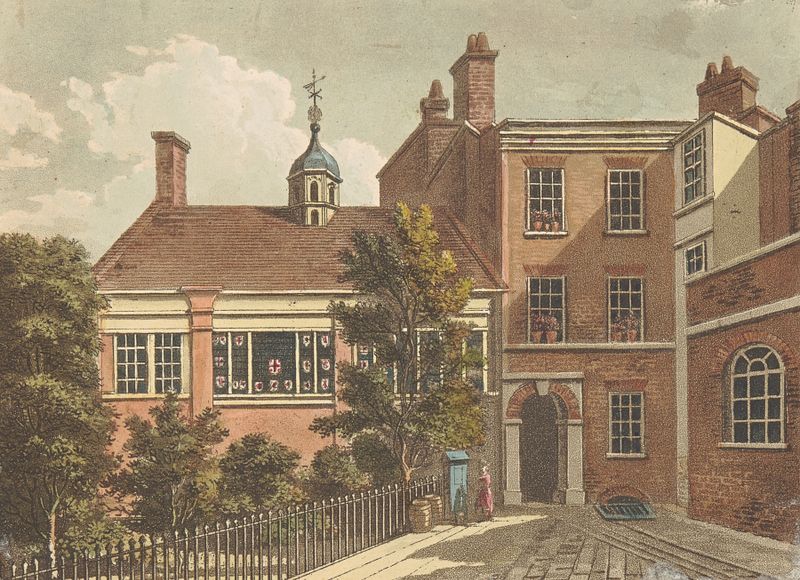
Barnard’s Inn
Samuel Ireland

Westminster Hall
Samuel Ireland
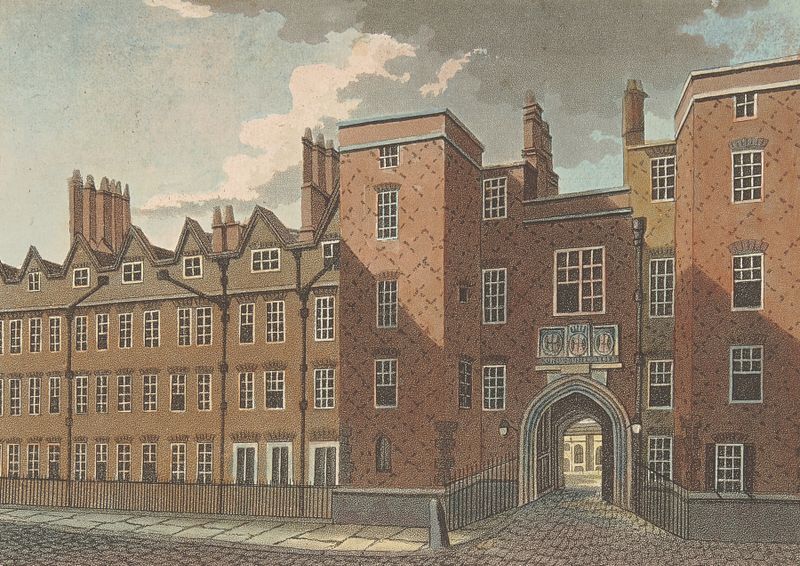
Lincoln’s Inn Gate
Samuel Ireland
More Architecture Art
Browse all →
The statue of Liberty
Frédéric Auguste Bartholdi

View of Houses in Delft, Known as ‘The Little Street’
Johannes Vermeer

View of Houses in Delft, Known as ‘The Little Street’
Johannes Vermeer

The Cathedral in Rouen. The portal, Grey Weather
Claude Monet

The yellow house
Vincent van Gogh

The Church in Auvers-sur-Oise, View from the Chevet
Vincent van Gogh