
Lincoln’s Inn Hall and Chapel — History & Facts
Did the painter know this moment would outlive them? In capturing the grandeur of Lincoln’s Inn Hall and Chapel, the essence of legacy resonates through every brushstroke, whispering stories of both the space and its enduring significance. Look to the center of the canvas, where the solemn architecture stands tall, punctuated by elegant arches and intricate details. Notice how the muted tones of ochre and gray evoke a sense of history, inviting the viewer to step into the past. The play of light filtering through the windows creates a chiaroscuro effect, highlighting the textures of the stone and wood while casting gentle shadows that add depth to the scene.
Ireland’s meticulous technique serves not only to celebrate the architecture but also to evoke the solemn vibrance of the legal history that unfolded within these walls. As you study the painting, consider the contrasts that emerge: the stillness of the chapel against the dynamic energy of legal discourse that fills its air, the blend of sacred and secular spaces inviting contemplation about justice and faith. The quiet reverence of the scene suggests a monument to time, where each corner holds the weight of countless decisions made within. This duality reflects the artist's understanding of how architecture can encapsulate the very spirit of society, translating the physical into the philosophical. Samuel Ireland painted this work between 1794 and 1800, during a period of profound change in Britain.
The landscape of art was shifting from neoclassicism to romanticism, with burgeoning interest in capturing both the tangible and reflective aspects of life. As Ireland navigated this transition, his focus on institutional spaces like Lincoln’s Inn reveals a commitment to portraying the legacy of law and governance, a testament to the enduring power of place in shaping societal narratives.
More Artworks by Samuel Ireland
Browse all →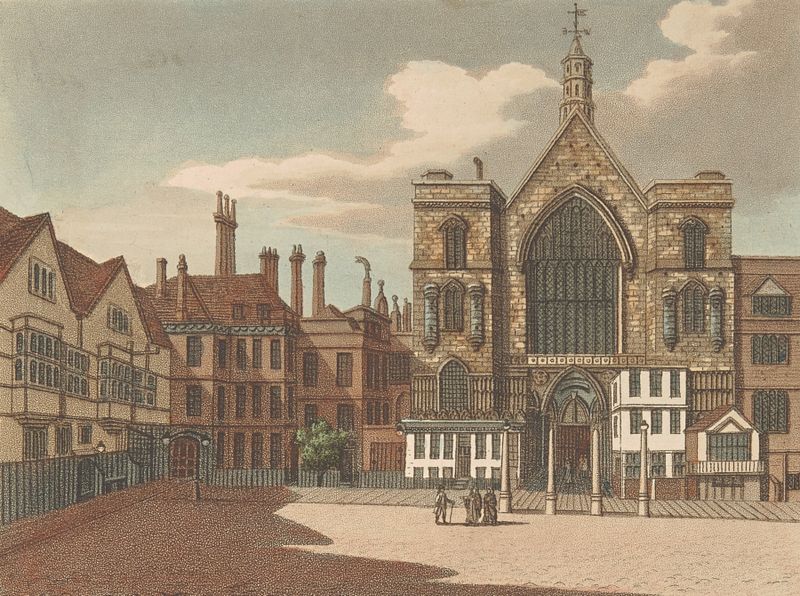
Westminster Hall
Samuel Ireland

Southwest View of Middle Temple
Samuel Ireland
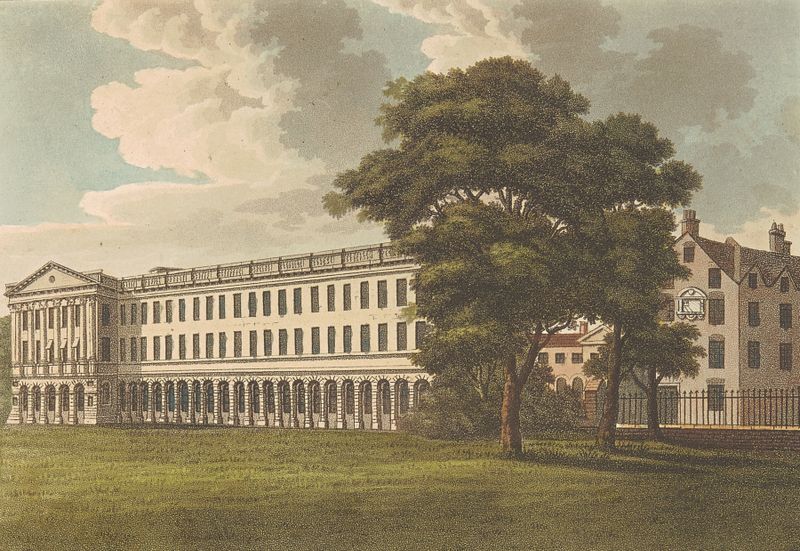
Stone Buildings, Lincoln’s Inn
Samuel Ireland
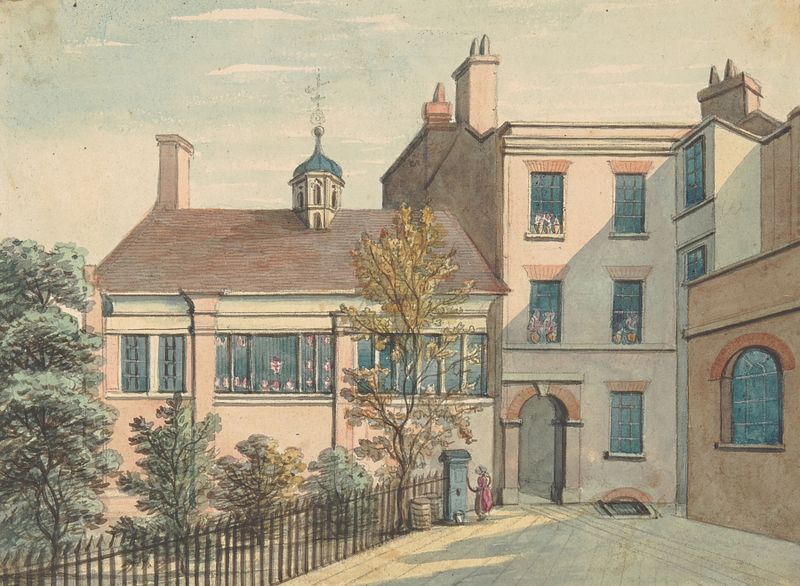
Barnard’s Inn
Samuel Ireland

Lincoln’s Inn Hall and Chapel
Samuel Ireland

Lion’s Inn
Samuel Ireland
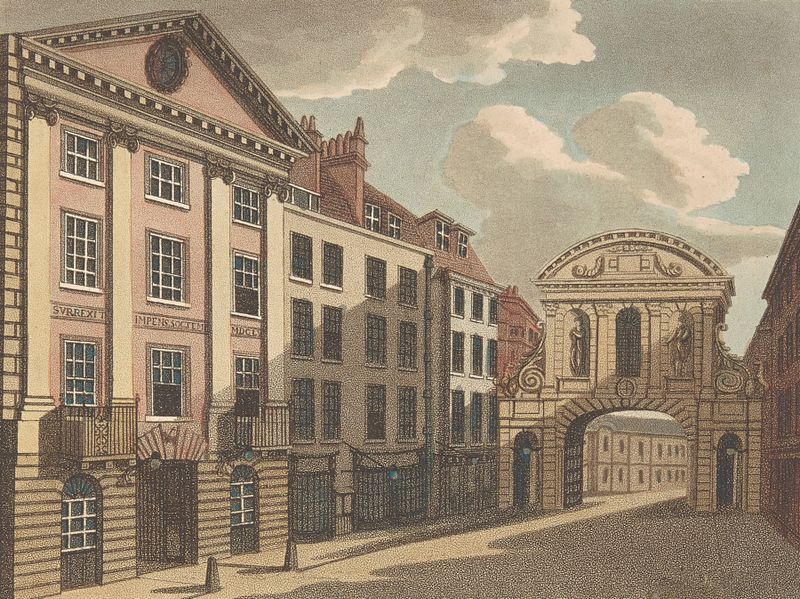
Middle Temple Gate
Samuel Ireland
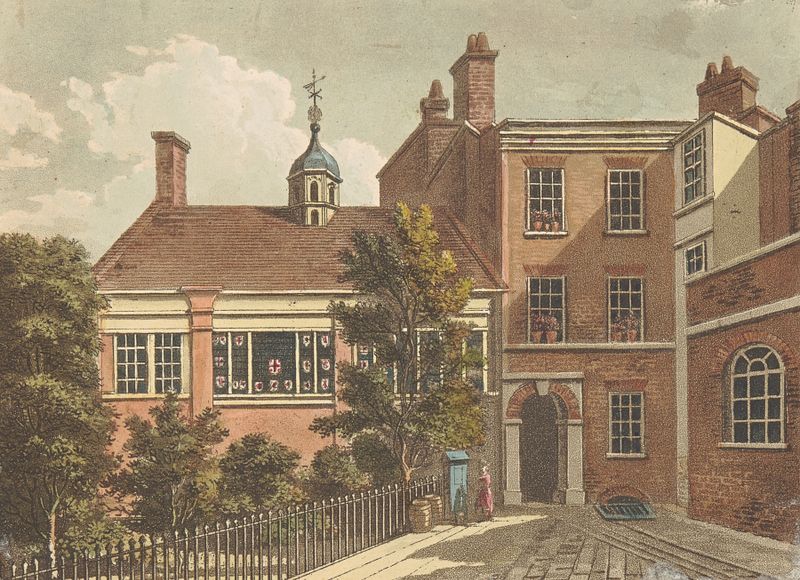
Barnard’s Inn
Samuel Ireland

Westminster Hall
Samuel Ireland
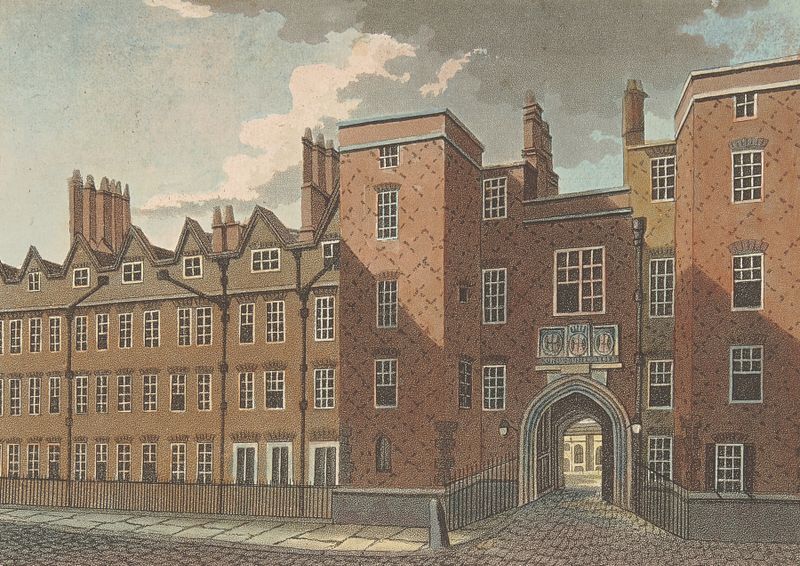
Lincoln’s Inn Gate
Samuel Ireland
More Architecture Art
Browse all →
The statue of Liberty
Frédéric Auguste Bartholdi

View of Houses in Delft, Known as ‘The Little Street’
Johannes Vermeer

View of Houses in Delft, Known as ‘The Little Street’
Johannes Vermeer

The Cathedral in Rouen. The portal, Grey Weather
Claude Monet

The yellow house
Vincent van Gogh

The Church in Auvers-sur-Oise, View from the Chevet
Vincent van Gogh