
Milford Sound — History & Facts
Is this a mirror — or a memory? In Milford Sound, the artist captures a fleeting moment where reality blurs into reflection, inviting viewers to ponder the nature of perception itself. Look to the left at the sweeping mountainsides that rise majestically, their grandeur softened by a veil of mist. Notice how the shimmering water mirrors the peaks, creating an illusion that challenges the boundary between sky and earth. The palette, dominated by deep greens and cool blues, evokes a tranquil yet haunting atmosphere, while delicate brushstrokes suggest movement, as if the landscape is alive and breathing. The juxtaposition of light and shadow plays a critical role, revealing the tension between the serene surface of the water and the imposing cliffs that loom above.
This contrast mirrors the idea of inner conflict — the peace one seeks in nature against the chaos of human emotion. Small details, like the distant boat gliding through the water, symbolize the transient nature of life amidst the eternal landscape, reinforcing the theme of illusion versus reality. James Crowe Richmond painted Milford Sound in 1887, a time when the British artistic scene was heavily influenced by Romanticism and the natural world. Working in England after his travels in New Zealand, he sought to convey the sublime beauty of untouched landscapes.
This period in his life marked a transitional phase, as he explored new techniques to capture the profound connection between humanity and the wilderness.
More Artworks by James Crowe Richmond
Browse all →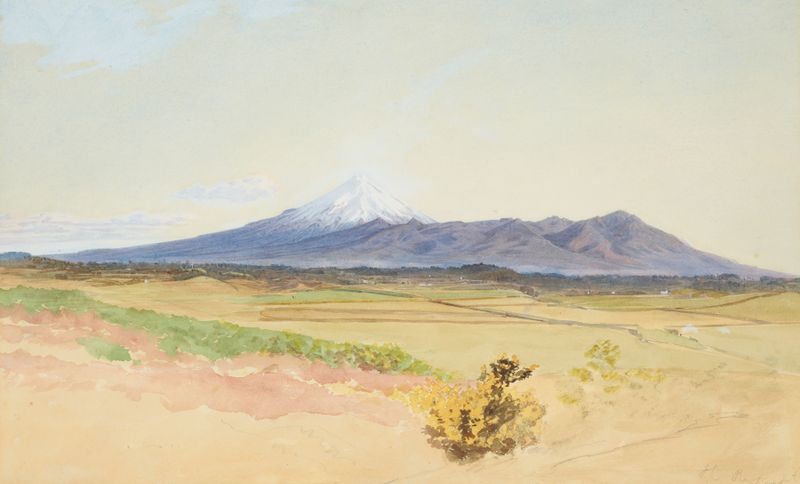
Mount Egmont and Pouakai, from New Plymouth
James Crowe Richmond
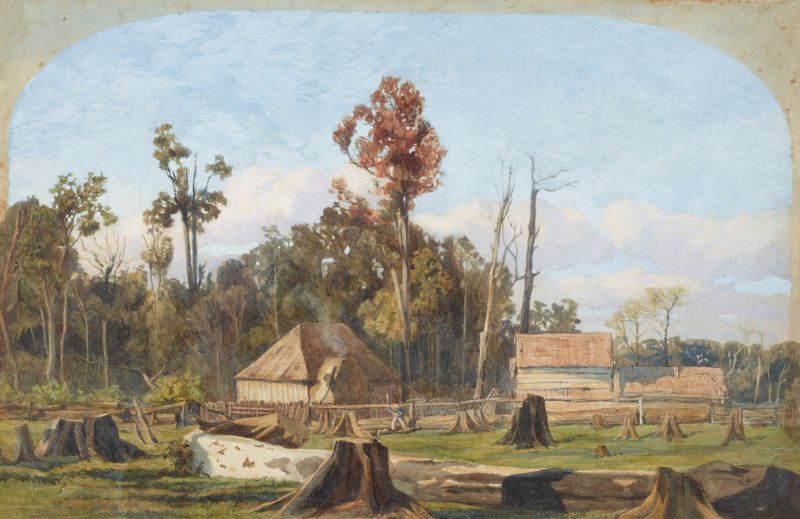
Settler’s home, Merton, near New Plymouth
James Crowe Richmond
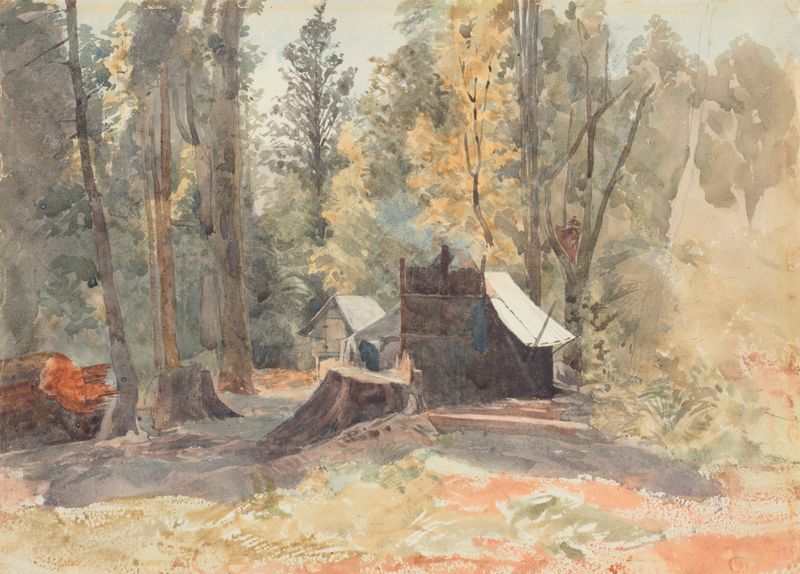
Hut of the ‘Italian party’, old diggings on Buller
James Crowe Richmond

Mosque at Tlemcen
James Crowe Richmond

Ngatapa, Te Kooti’s Pa
James Crowe Richmond

Dividing Range, Riwaka and Takaka
James Crowe Richmond
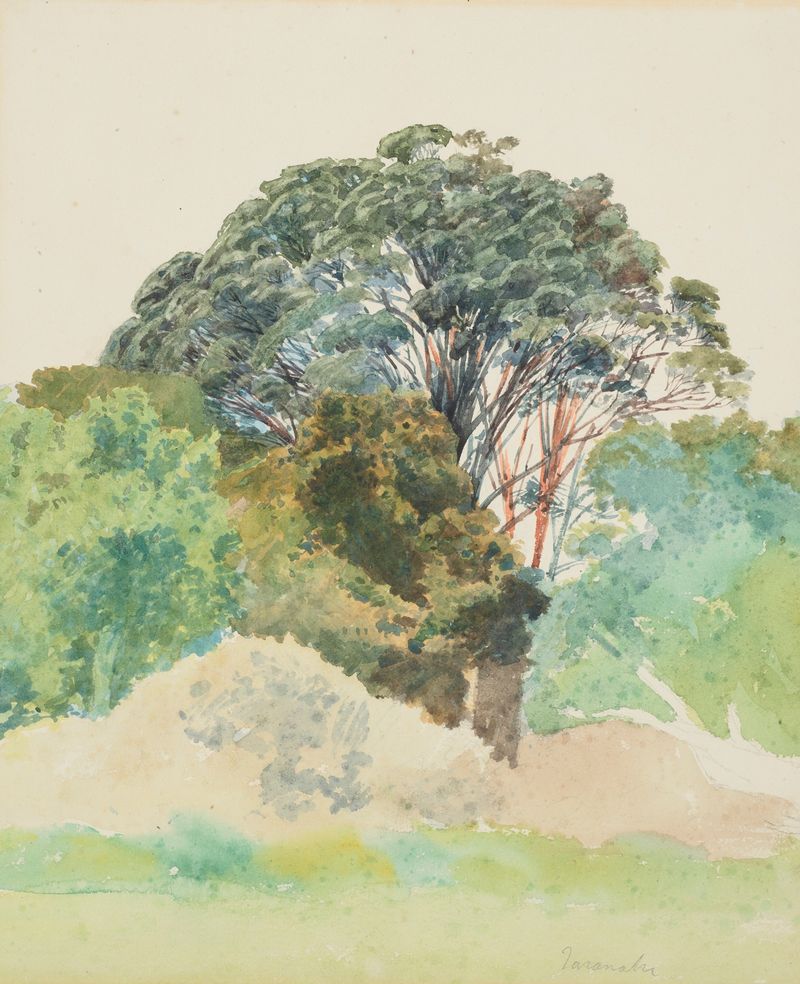
Rata, Taranaki
James Crowe Richmond

Grey River, on the beach
James Crowe Richmond
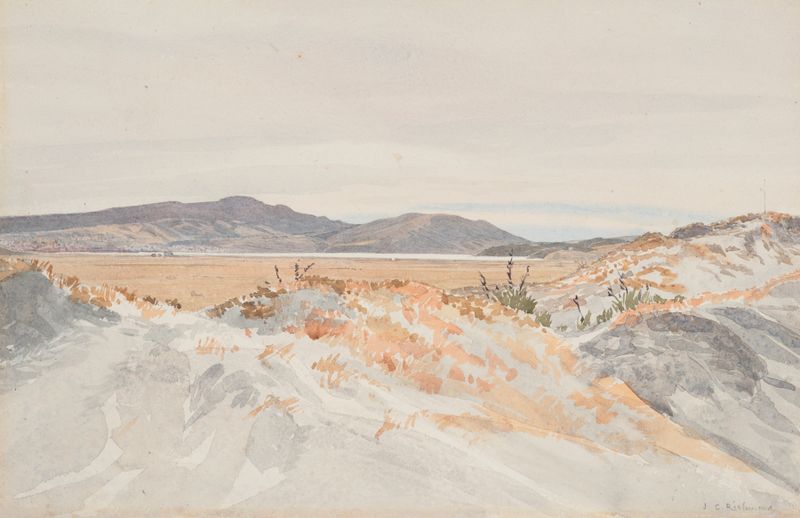
Dunedin from the Ocean Beach
James Crowe Richmond

On Collingwood Goldfields
James Crowe Richmond





