
Milking Time — History & Facts
This sentiment resonates deeply in the quiet yet profound moments captured in daily life, where the mundane transforms into the extraordinary through the lens of creativity. As you gaze at Milking Time, your eyes are drawn first to the centralized figure of the woman, her graceful posture and gentle expression embodying a serene commitment to her task. Notice the warm, earthy tones that envelop the scene, with soft light cascading from an unseen source, illuminating the subtle details of her apron and the silver sheen of the milk jug. The play of light and shade creates a tranquil atmosphere, inviting you to pause and reflect on the simple beauty of this everyday ritual. Upon closer examination, the juxtaposition of the woman’s calm demeanor against the bustling backdrop hints at a deeper narrative.
The cow, a symbol of sustenance and nourishment, stands motionless, grounding the scene in a moment of quietude amidst life’s chaos. There is an underlying transcendence in the act of milking—an intimate connection between human and animal that speaks to themes of care, dependency, and the cycles of life, inviting viewers to find solace in the familiar yet often overlooked aspects of existence. Between 1800 and 1815, Strij painted Milking Time during a period of significant change in the art world, where Romanticism was beginning to surface against Neoclassical ideals. Living in the Netherlands, he sought to capture the essence of rural life, reflecting a longing for simpler times as industrialization gained momentum.
This painting serves as both a testament to his artistic vision and a heartfelt homage to the timeless rituals that define humanity's connection to nature.
More Artworks by Jacob van Strij
Browse all →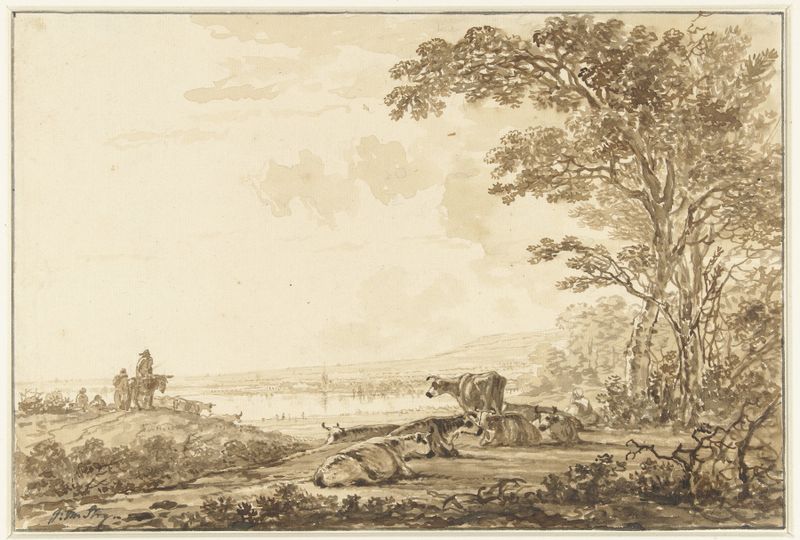
Rivierlandschap met rustend vee
Jacob van Strij
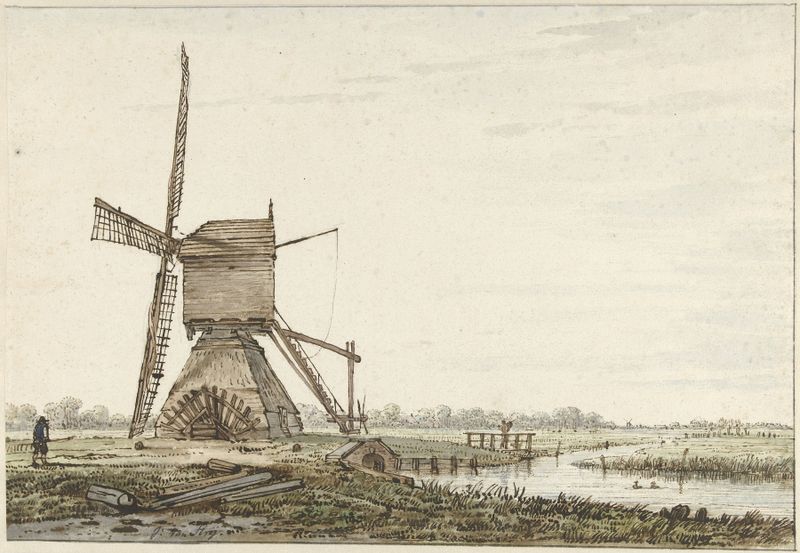
Landschap met poldermolen
Jacob van Strij
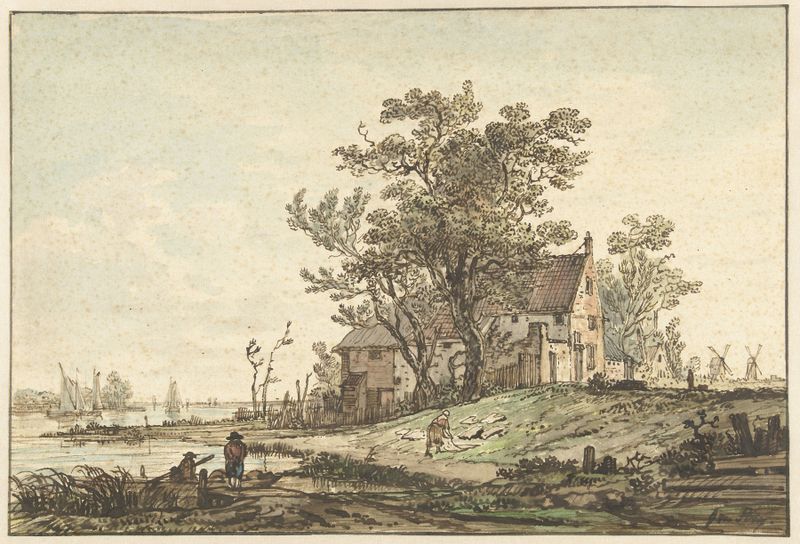
Oude boerderij aan een rivier
Jacob van Strij

Paysage arboré avec figures et maisons au bord du rivage
Jacob van Strij

Landscape with Peasants with their Cattle and Anglers on the Water
Jacob van Strij

Italianisierende Landschaft mit einem Hirten
Jacob van Strij
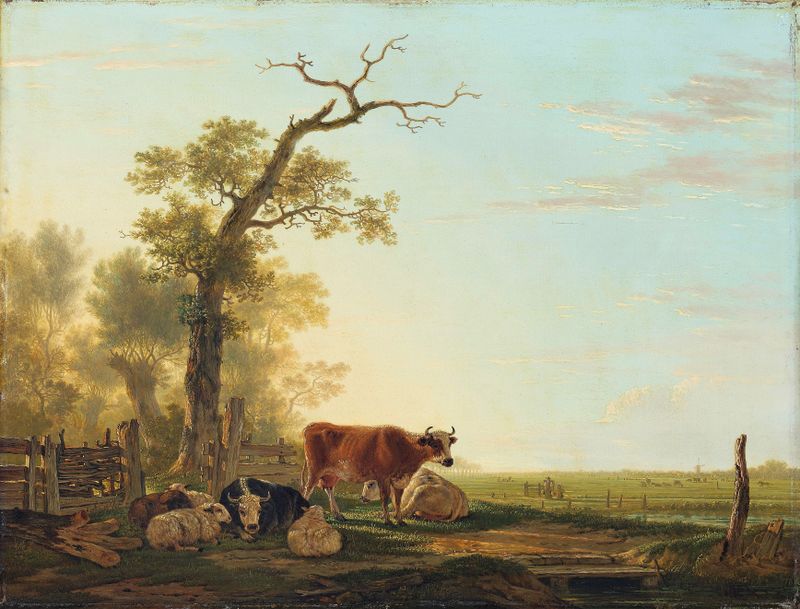
Meadow Landscape with Animals
Jacob van Strij
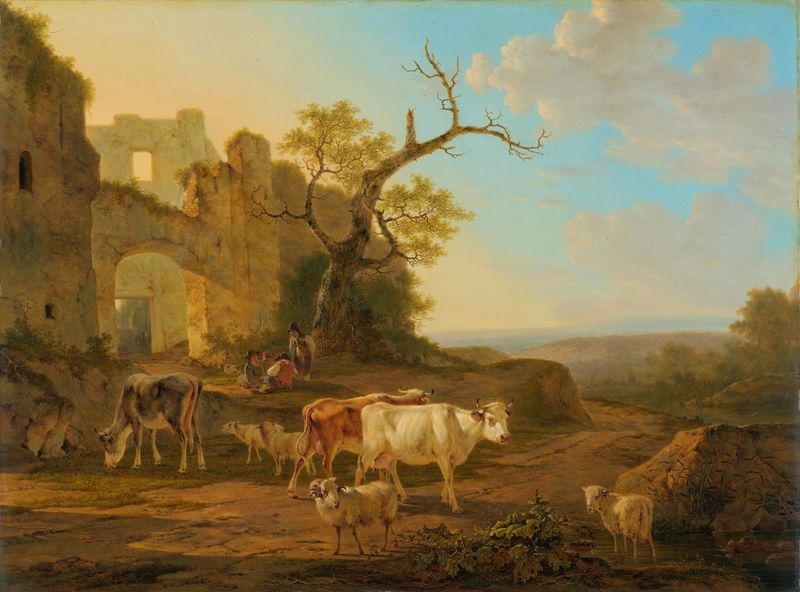
Landscape with Cows near a Ruin
Jacob van Strij
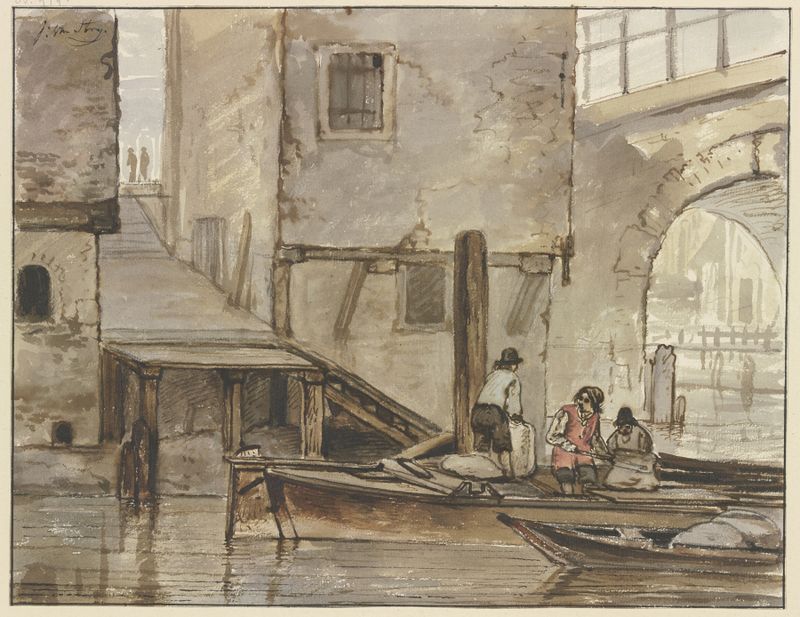
Gracht mit zwei Ruderbooten
Jacob van Strij
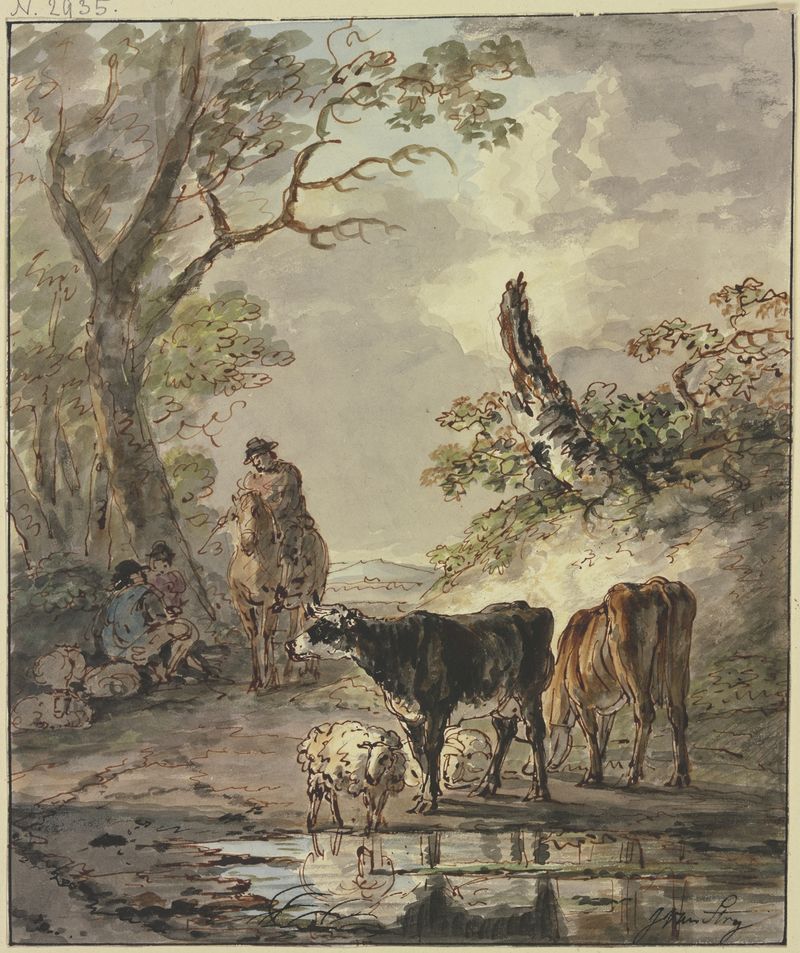
Rastende Hirten an einer Wasserstelle
Jacob van Strij





