
Rastende Hirten an einer Wasserstelle — History & Facts
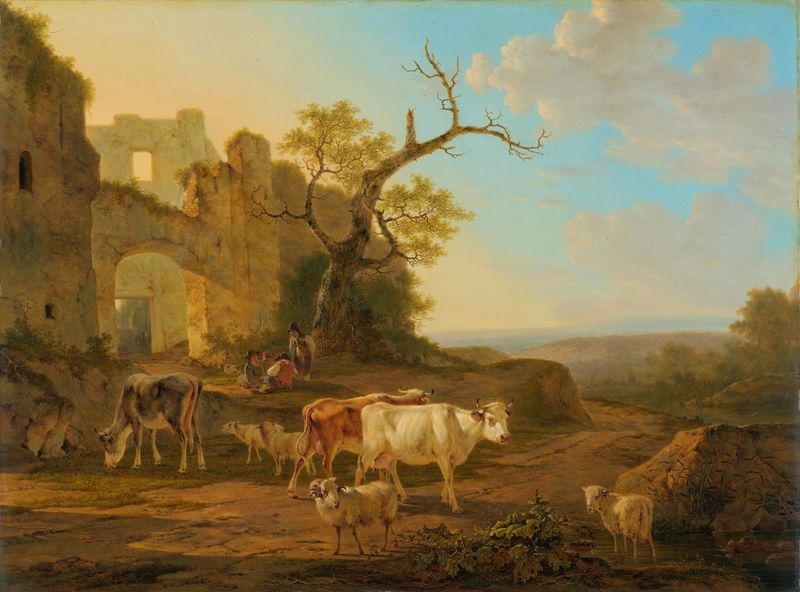
Did the painter know this moment would outlive them? In Rastende Hirten an einer Wasserstelle, the scene offers a profound sense of yearning, capturing a fleeting pause in the lives of its characters — a meditation on existence itself. Look towards the center of the canvas where two shepherds rest beneath the dappled shade of a tree. Their relaxed postures are juxtaposed by the alertness of their sheep, creating a tension between serenity and vigilance. Notice how the sun filters through the leaves, casting gentle patterns on their sun-kissed skin and the earth below.
The warm, earthy palette of ochres and greens evokes a timeless landscape, inviting the viewer to linger and reflect on the moment. As you delve deeper, observe the subtle contrasts presented in the painting. The shepherds represent human connection and the shared burdens of life, while the nearby water symbolizes sustenance and the idea of renewal. The stillness of the scene carries an undercurrent of solitude, as if the figures are contemplating their place in a world that moves ever forward.
The interplay of light and shadow speaks to the fleeting nature of such moments, emphasizing a universal yearning for peace amidst the chaos of life. Jacob van Strij painted this work during the late 17th century, a time when Dutch artists were increasingly exploring themes of everyday life and nature. Living in a world marked by social change and artistic evolution, he was part of a broader movement that sought to capture the beauty of the mundane. In this tranquil scene, Strij masterfully encapsulates the essence of a moment that invites reflection on our own journeys and the pauses that define them.
More Artworks by Jacob van Strij
Browse all →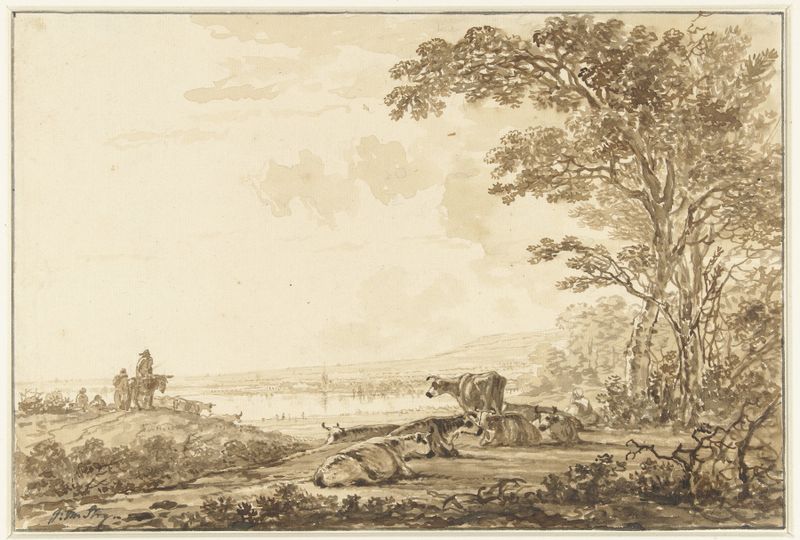
Rivierlandschap met rustend vee
Jacob van Strij
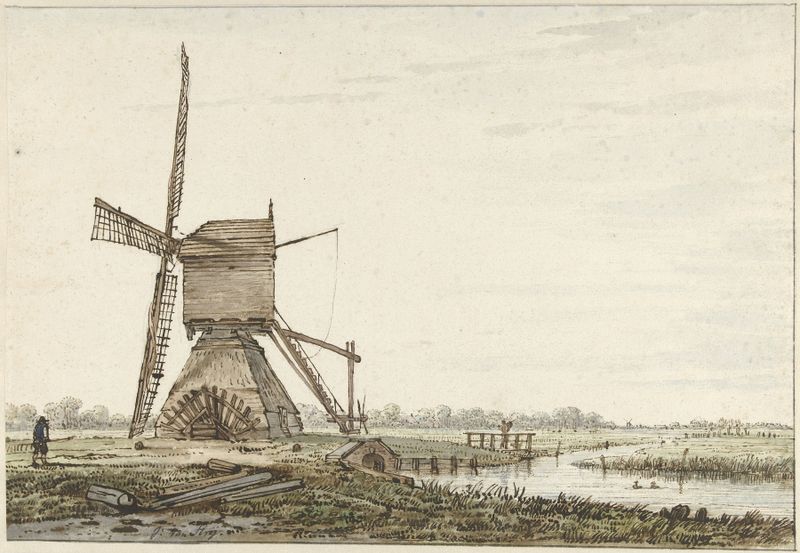
Landschap met poldermolen
Jacob van Strij

Milking Time
Jacob van Strij
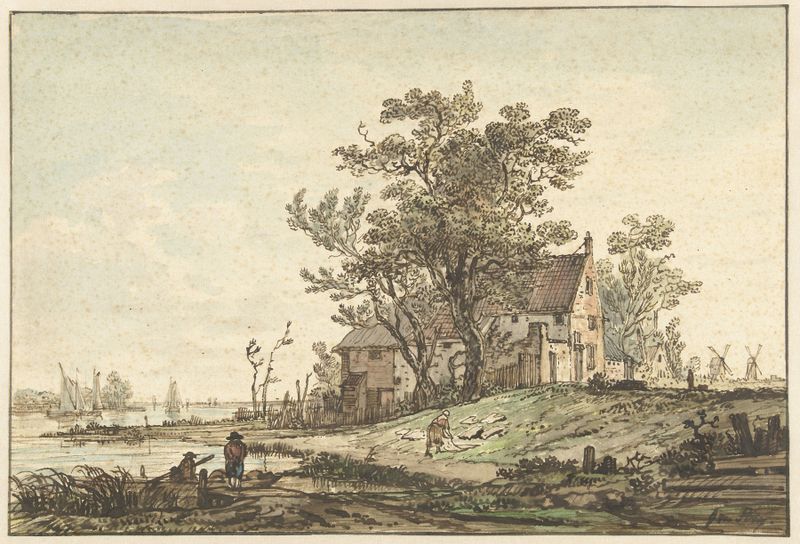
Oude boerderij aan een rivier
Jacob van Strij

Paysage arboré avec figures et maisons au bord du rivage
Jacob van Strij

Landscape with Peasants with their Cattle and Anglers on the Water
Jacob van Strij

Italianisierende Landschaft mit einem Hirten
Jacob van Strij
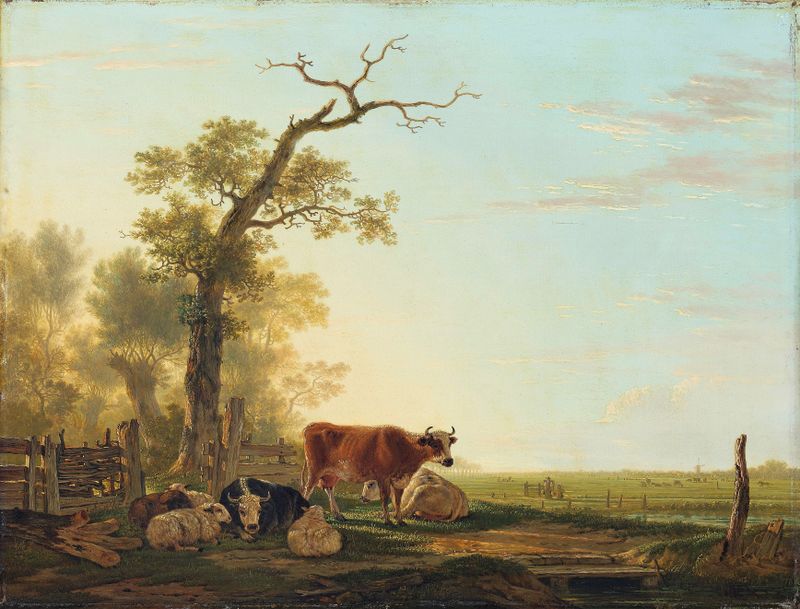
Meadow Landscape with Animals
Jacob van Strij
Landscape with Cows near a Ruin
Jacob van Strij
Gracht mit zwei Ruderbooten
Jacob van Strij





