
Mindless Ballad (Stumpfsinnige Ballade) — History & Facts
A riot of color and chaos greets the viewer in Mindless Ballad (Stumpfsinnige Ballade) by Moriz Jung, where slapstick violence and bold outlines collide in a scene that feels both medieval and satirical. The eye is immediately drawn to the exaggerated gestures and contorted bodies: swords are raised and blood spurts in lurid red, but the cartoonish style undercuts any sense of real menace. Each panel, separated by handwritten script, stages a new act in a grim farce—figures tumble and clash around a massive beer barrel, their faces twisted in grotesque caricature, their costumes a riot of primary colors.
The composition’s energy is relentless, the action looping from one frame to the next like a visual folk song gone awry. Even the violence is rendered with a wink, the flattened perspective and stylized forms signaling that this is a tale of folly rather than tragedy. Created in 1911, this print belongs to a world where artists like Moriz Jung—active in the vibrant circles of early twentieth-century Vienna—delighted in poking fun at tradition and authority. Such works, often produced for satirical journals or as affordable prints, captured the anxieties and absurdities of a rapidly changing society.
The bold lines and flat colors echo the popular woodcut revival and the influence of the Wiener Werkstätte, a movement known for its playful, decorative approach. Though little is recorded about the journey of this particular print, its presence in the Metropolitan Museum of Art’s open-access collection speaks to a renewed appreciation for the humor and bite of early modern graphic art. The longer you look, the more the details reward you: a boot kicked off in the melee, a mug forgotten by the barrel, the script looping like a drunken song—each a reminder that folly, in art as in life, is always close at hand.
More Artworks by Moriz Jung
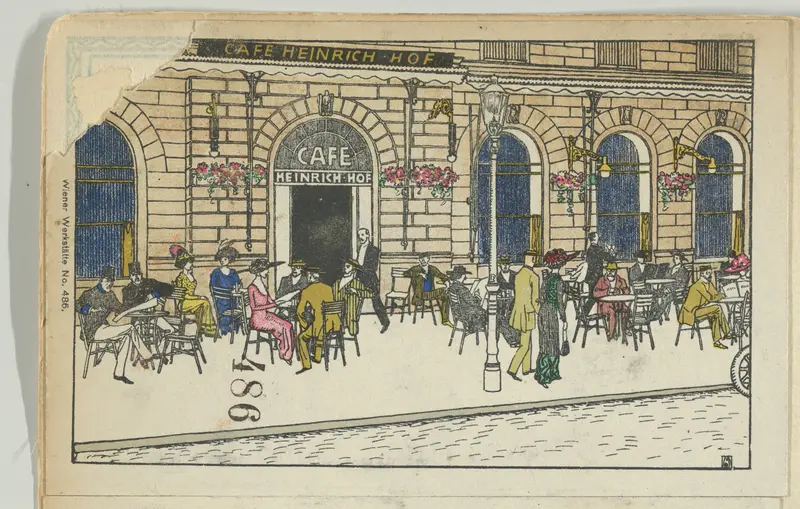
Café Heinrichhof
Moriz Jung

Moriz Jung Porträt
Moriz Jung
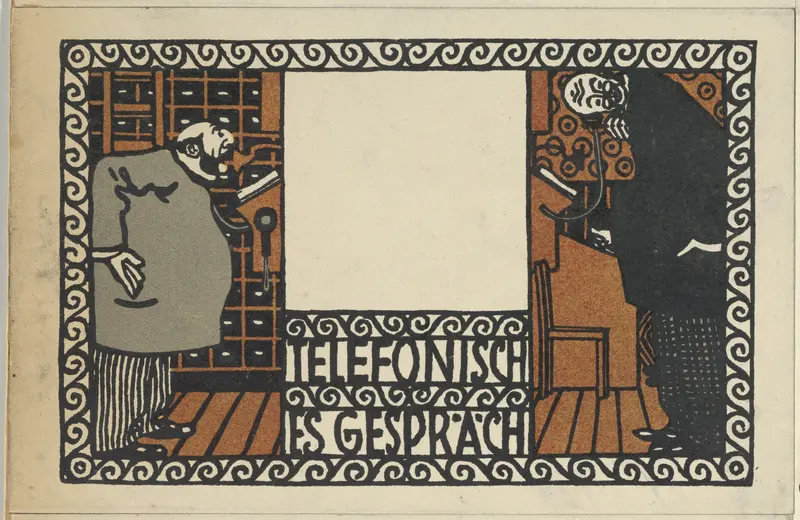
Telephone Conversation (Telefonisches Gespräch)
Moriz Jung
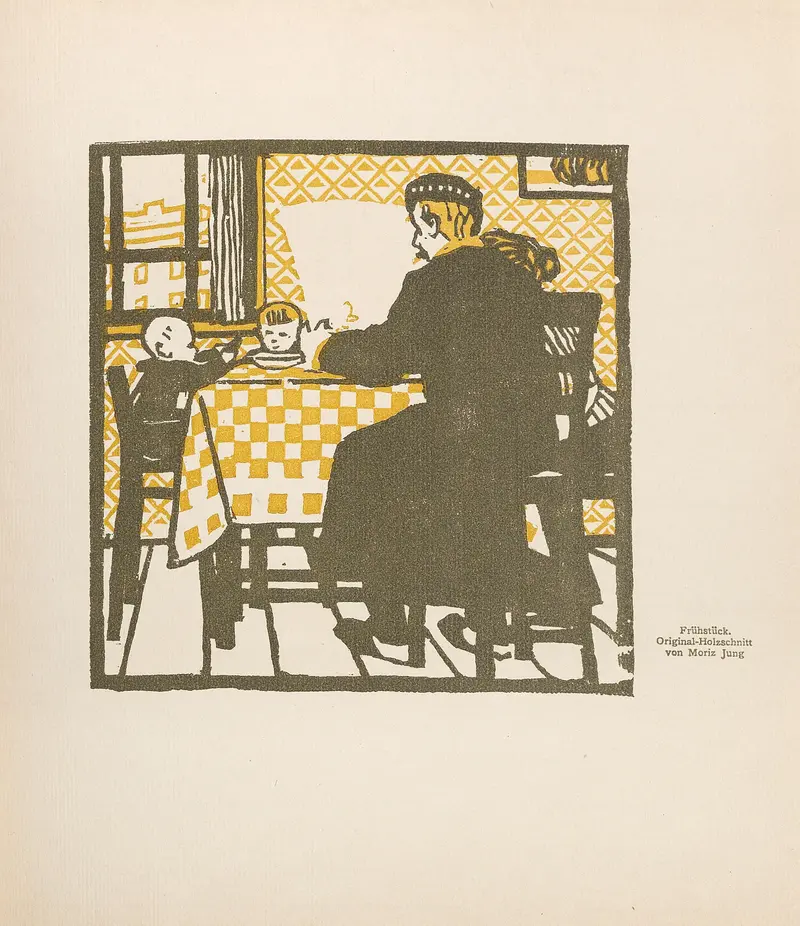
Moriz Jung Frühstück
Moriz Jung
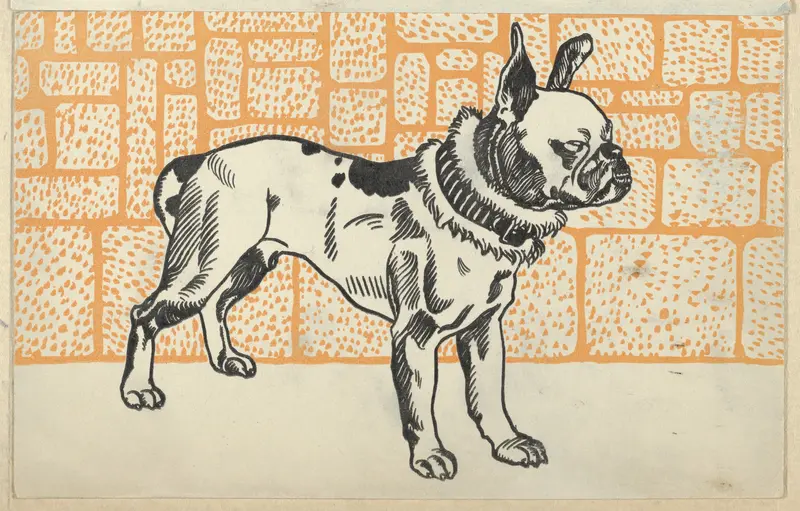
Pitbull Terrier
Moriz Jung
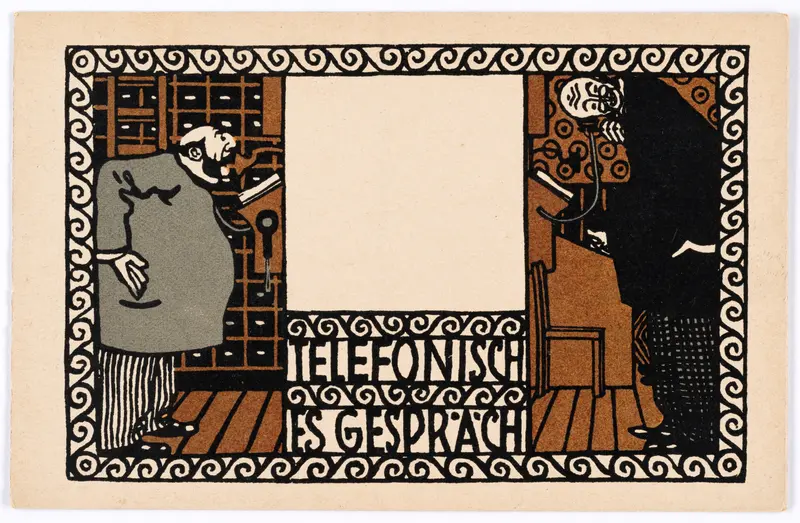
Postkarte der Wiener Werkstätte Nr. 58 - Telefonisches Gespräch
Moriz Jung
Postkarte der Wiener Werkstätte Nr. 58 - Telefonisches Gespräch - verso
Moriz Jung
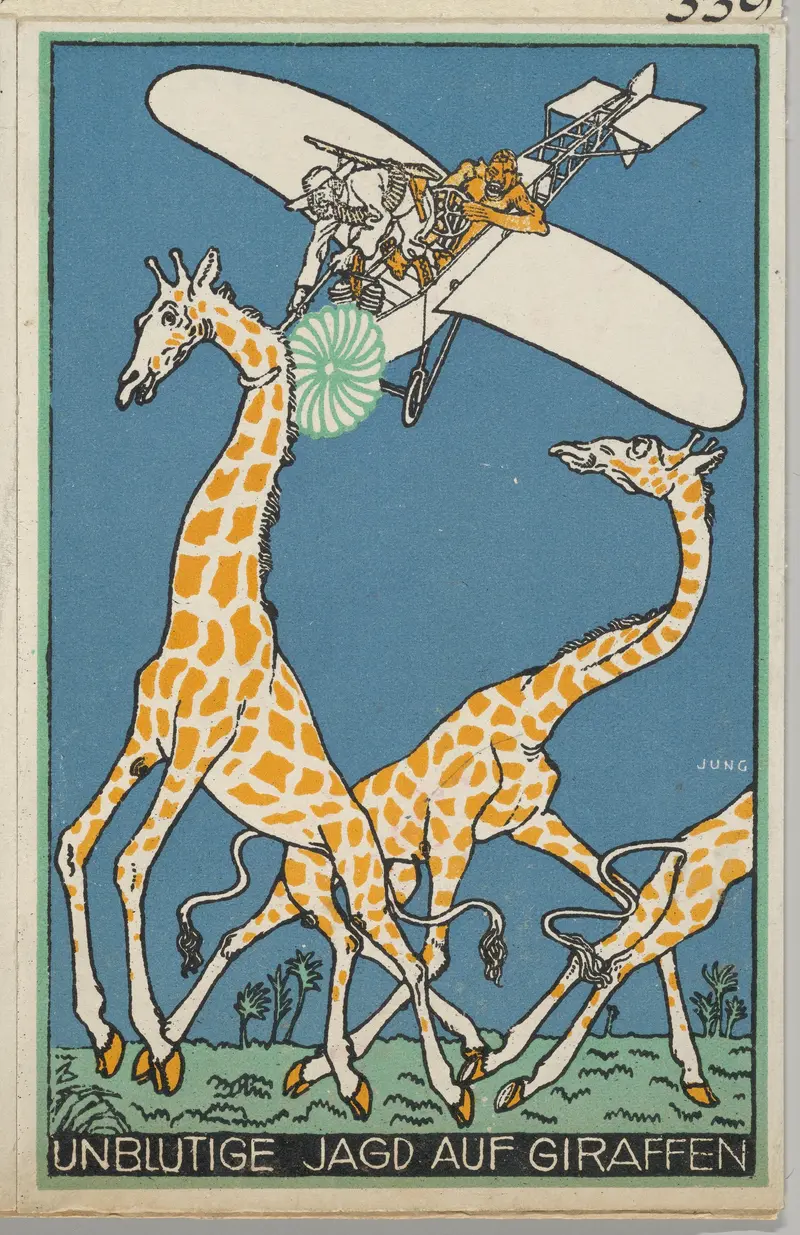
Bloodless Giraffe Hunt (Unblutige Jagd auf Giraffen)
Moriz Jung
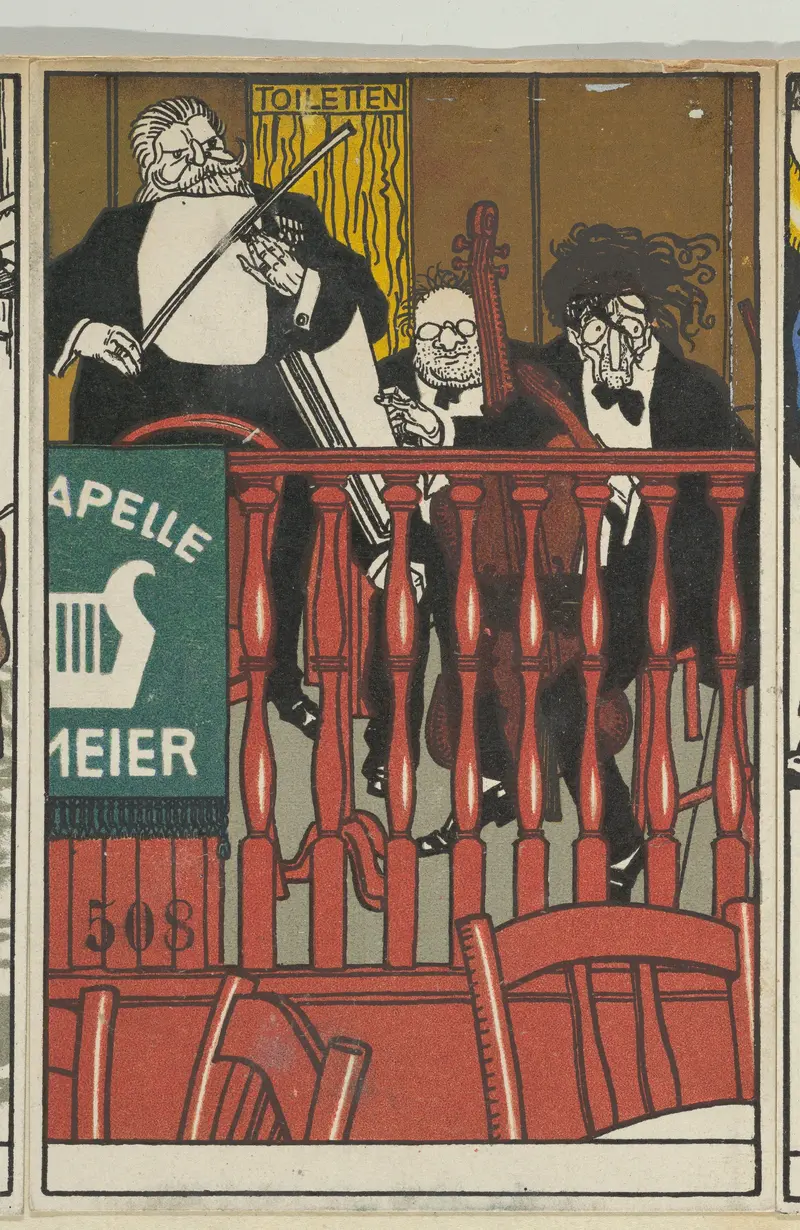
Salon Orchestra Meier
Moriz Jung
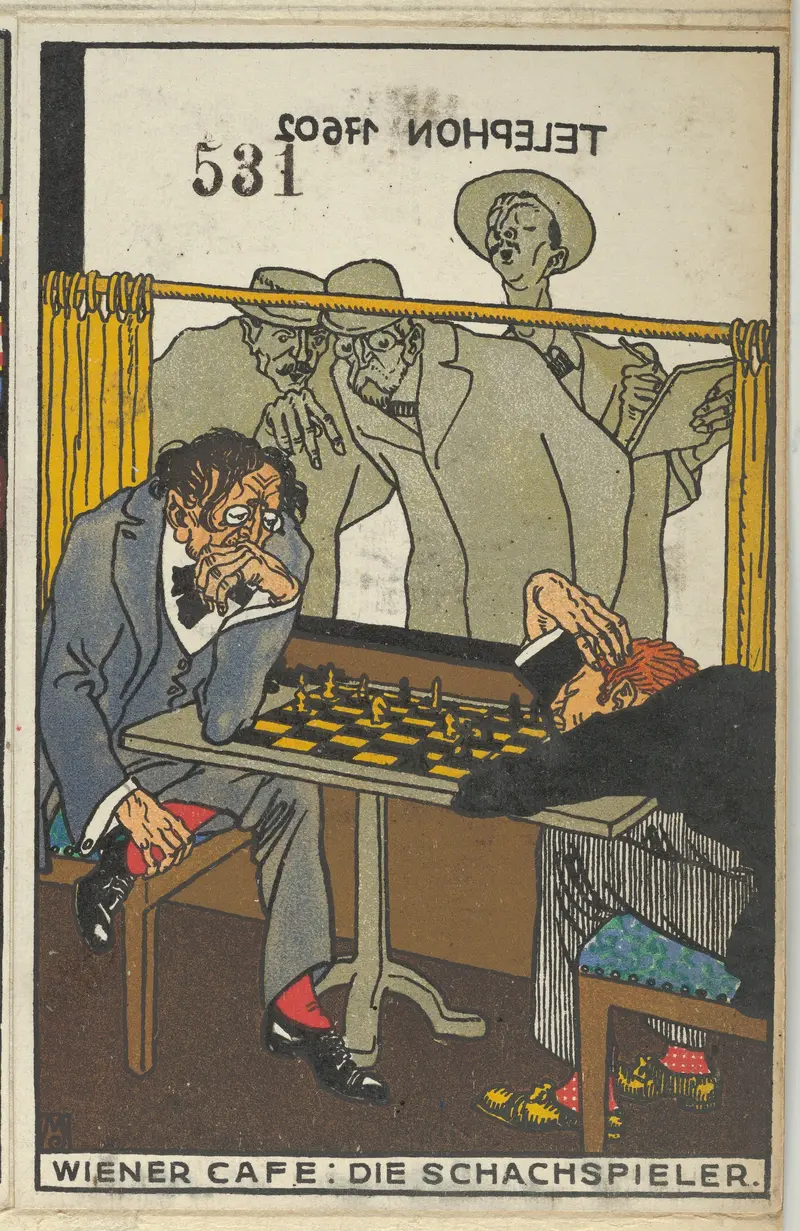
Wiener Café: Die Schachspieler
Moriz Jung
More Genre Scene Art

Banquet of the Officers of the St George Civic Guard
Frans Hals

Rembrandt and Saskia in the Scene of the Prodigal Son
Rembrandt van Rijn

Bal du moulin de la Galette
Pierre-Auguste Renoir

Quadrille at the Moulin Rouge
Henri de Toulouse-Lautrec

A Burial at Ornans
Gustave Courbet

When Will You Marry?
Paul Gauguin