
Mistig weer te Venetië — History & Facts
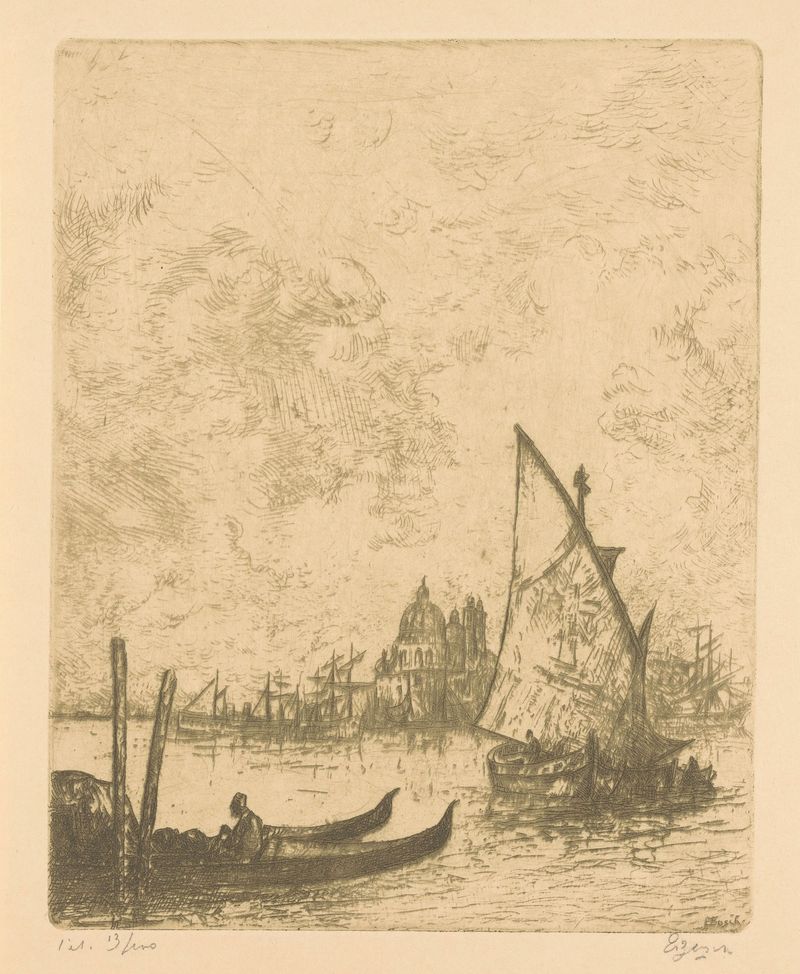
What if beauty was never meant to be finished? Etienne Bosch’s Mistig weer te Venetië evokes a profound sense of longing, a whisper of melancholy woven into the fabric of its misty landscape. Look to the center of the canvas, where the shimmering waters of the Venetian canals are barely visible, shrouded in fog. Notice how the muted palette of blues and grays dominates, creating a dreamlike quality that invites contemplation. The soft, diffused light seems to spill from nowhere, enveloping the distant rooftops and fading into obscurity.
This ambient glow emphasizes the transient nature of the scene, compelling the viewer to lean in, searching for clarity amid the haze. Yet, beneath this ethereal beauty lies an emotional tension. The play of shadow and light highlights both the vibrant life of Venice and the weight of absence. The ghostly outlines of buildings suggest a city steeped in history and memory, while the fog represents the unknown—perhaps a longing for moments lost to time.
The viewer is left with an unsettling sense of nostalgia, as if Bosch captured the city at its most vulnerable, teetering between reality and dreams. Bosch painted Mistig weer te Venetië during the early 20th century, a period marked by rapid change in the art world and society. He was immersed in the Impressionist movement, which sought to capture fleeting moments of light and atmosphere. At the same time, the backdrop of global uncertainty was reflected in the depths of his work, hinting at a personal grief that resonates with timeless emotions.
More Artworks by Etienne Bosch
Browse all →
Gezicht op de achterkant van de Notre Dame in Parijs Notre Dame
Etienne Bosch
Venetië
Etienne Bosch

Amsterdamse poort te Haarlem
Etienne Bosch

Le Palatin Rome
Etienne Bosch

Landschap bij Rome
Etienne Bosch
Boerenwoning
Etienne Bosch

Scheveningen
Etienne Bosch
Ruïne Rome
Etienne Bosch
Ruelle, Rome
Etienne Bosch
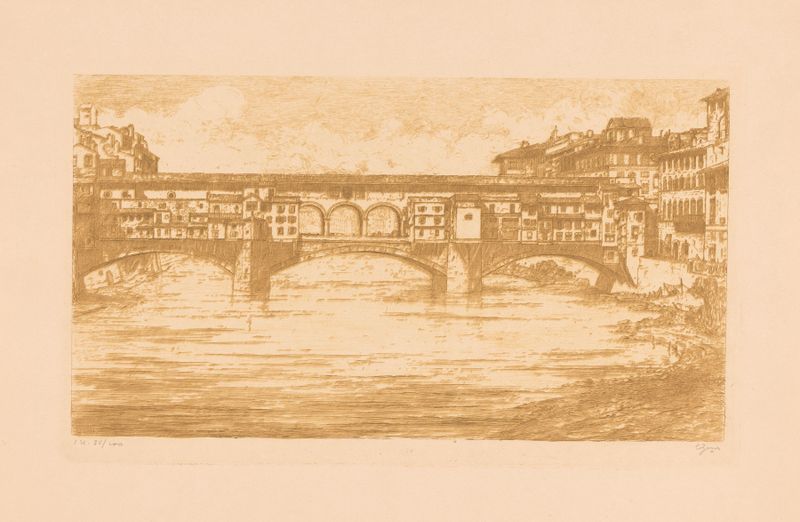
Ponte Vecchio in Florence
Etienne Bosch





