
molen; De Palmboom — History & Facts
Could a single brushstroke hold eternity? In the realm of awakening, the depths of the canvas beckon us to explore the sensations that ripple through time and stillness. Begin by looking closely at the gentle strokes that form the lush vegetation. Notice how the vibrant greens and soft earth tones blend seamlessly, inviting you to traverse the landscape. The composition draws your eye to the central windmill, its silhouette standing proud against a sky that transitions from golden hues to deep blues, hinting at dusk’s approach.
Each brushstroke seems deliberate, yet spontaneous, creating an enchanting dialogue between structure and nature. Delve deeper, and you'll find the emotional contrasts that echo throughout the work. The windmill, often a symbol of labor and tradition, stands against the ephemeral beauty of the surrounding flora, suggesting a tension between human endeavor and the persistent pulse of nature. Furthermore, the light cascading over the scene holds a duality: it suggests both an ending and a beginning, an invitation to awaken from a slumber of routine into the vibrant colors of possibility. Eijman created this piece during a period marked by artistic experimentation and a growing interest in capturing the intimacy of rural life.
Although specifics about the date remain unclear, the era signifies a shift toward impressionistic sensibilities in the Netherlands. Surrounded by a landscape rich in inspiration, he sought to celebrate the harmony found in the intertwining of man-made structures and the natural world.
More Artworks by Johannes Nicolaas Eijman
Browse all →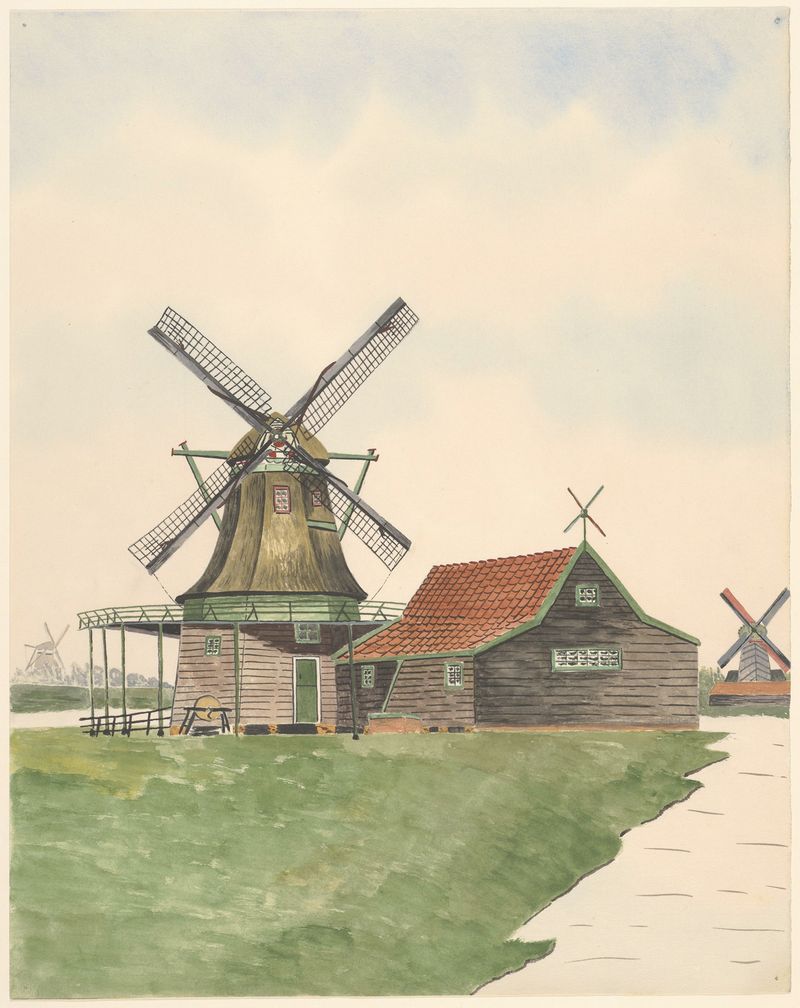
molens; oliemolen De Olievos, aan de Papenpadsloot, gesloopt 1878
Johannes Nicolaas Eijman
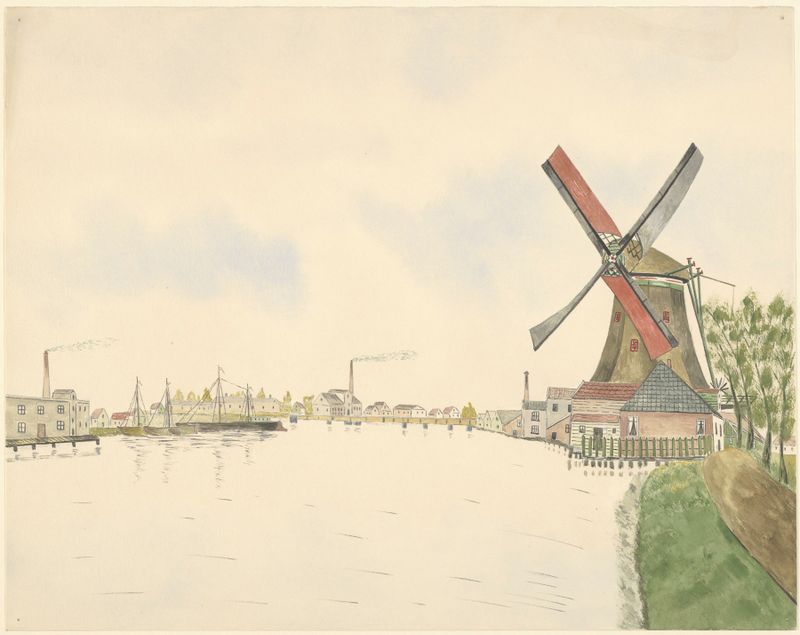
molens; meelmolen De Koker
Johannes Nicolaas Eijman

Papiermolen de Eendracht aan de westzijde van het Zaandammerpad, Wormer
Johannes Nicolaas Eijman
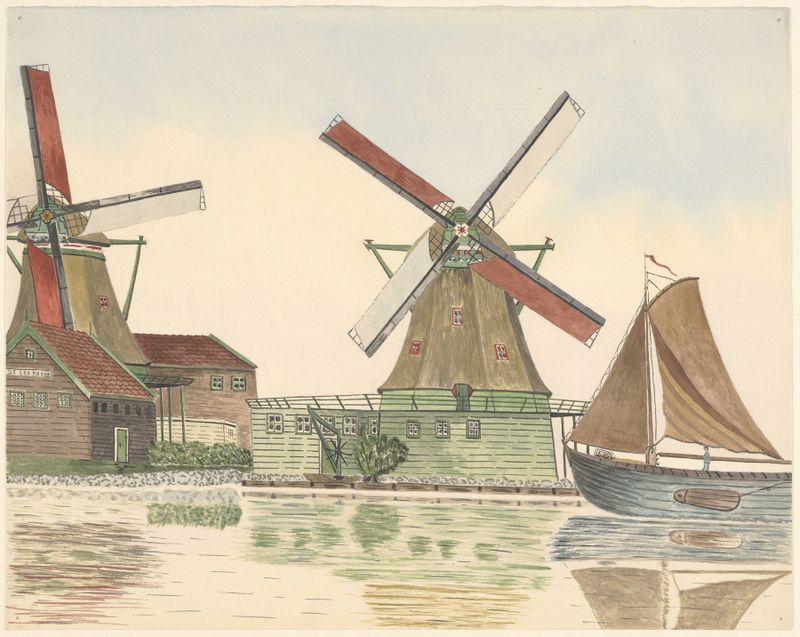
molens; oliemolen De Oude-Zwan, aan de Kalverpoel
Johannes Nicolaas Eijman
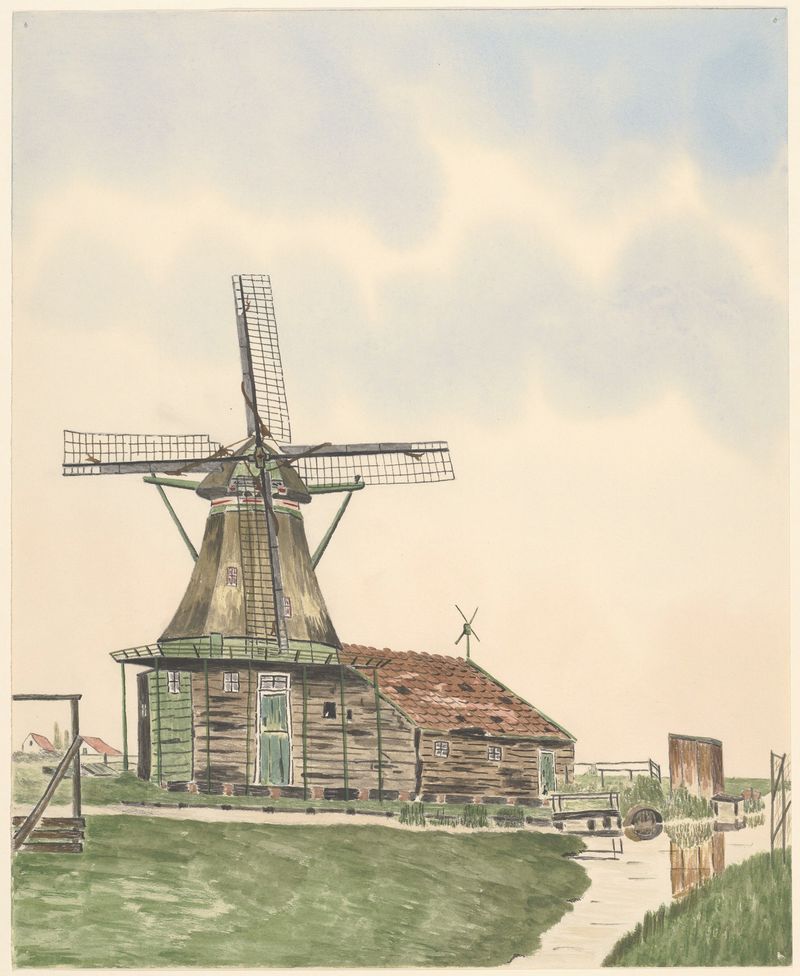
molens; oliemolen Het Oude-Honingvat, Oostzijderveld
Johannes Nicolaas Eijman
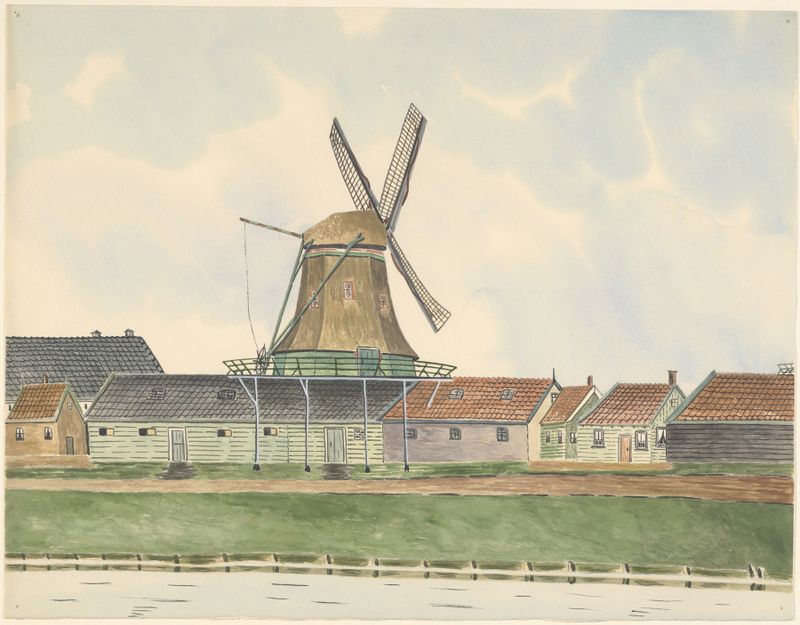
molen; oliemolen Het Witte-Paard aan het Zaandijkerwegje, 1893 gesloopt
Johannes Nicolaas Eijman

Op de voorgrond rechts doppenmolen De Prolpot aan de Hemmes, op de achtergrond links twee andere molens
Johannes Nicolaas Eijman
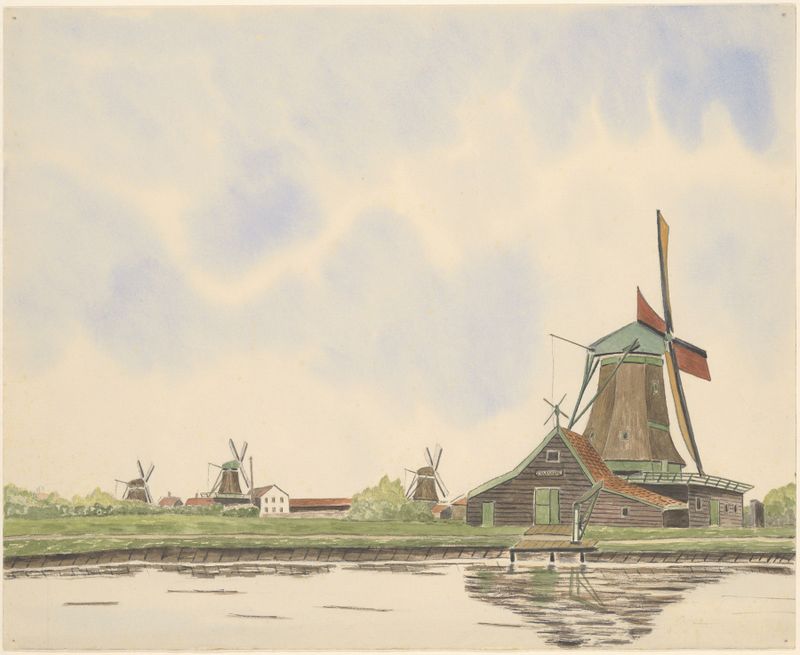
Oliemolen De Kerkuil aan de Zaan, met drie molens op de achtergrond. De Kerkuil stond binnendijks, tegenover de Wormerveerderkerk; afgebroken ca. 1892
Johannes Nicolaas Eijman
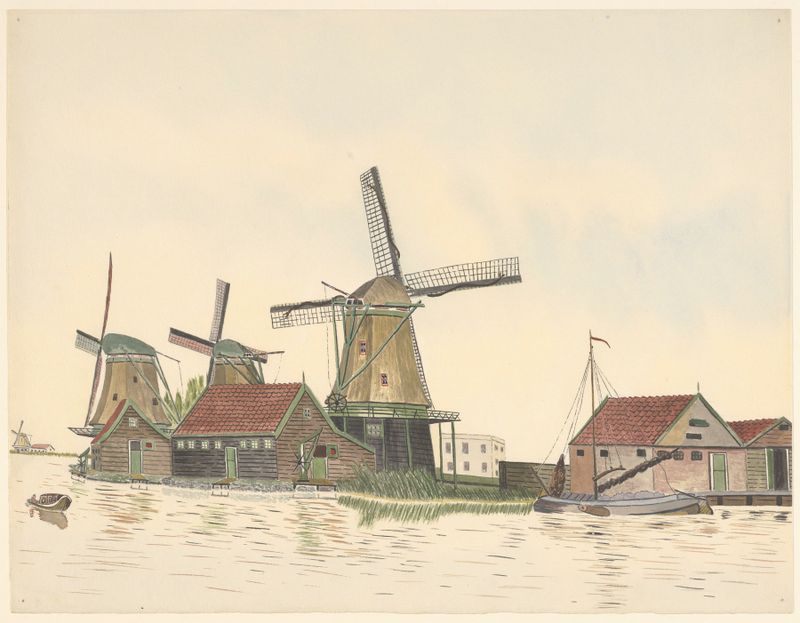
molens; De Ooievaar; De Windhond; De Gans, Kalverringdijk
Johannes Nicolaas Eijman
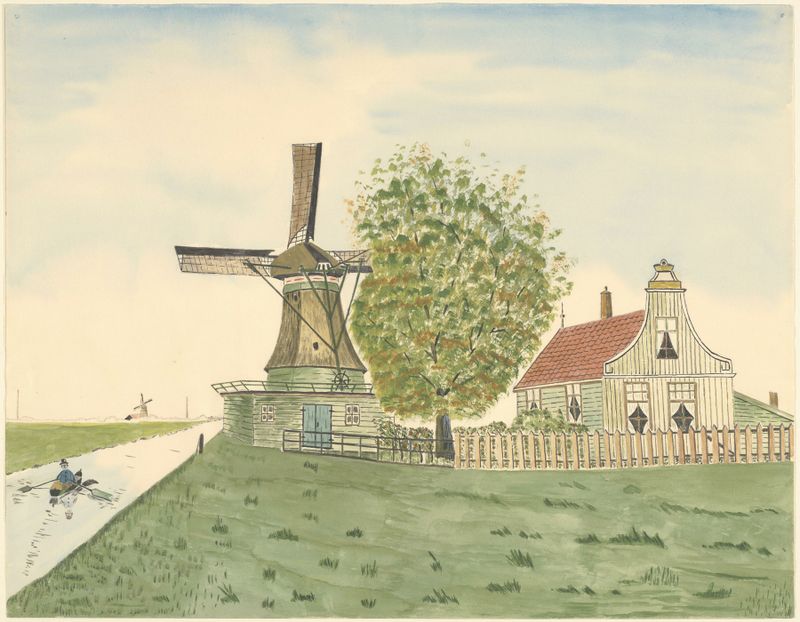
molens; houtzaagmolen De Haan
Johannes Nicolaas Eijman





