
molen; oliemolen De Simson of De Samson aan het Zaandijkerwegje — History & Facts
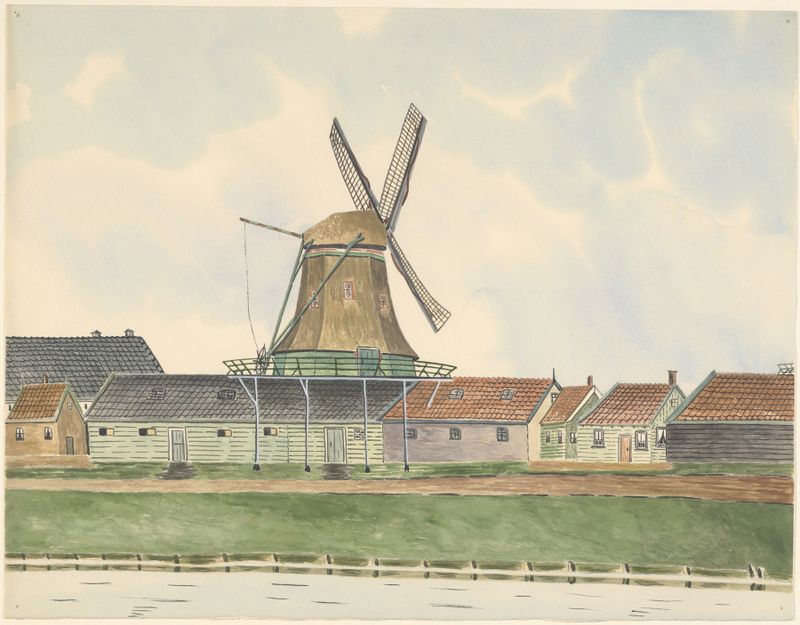
In the stillness of a late afternoon, silence wraps around the landscape like a soft embrace, inviting contemplation. The essence of the moment lingers, urging us to pause and absorb the beauty that is captured within the confines of a canvas. To dive into the painting, look to the windmill on the left, its sails reaching toward the sky with a gentle grace. The artist employs soft, muted hues, where earthy browns and greens meld into the serene backdrop, creating a harmonious balance.
Notice how the light appears to caress the mill’s weathered wooden beams, casting delicate shadows that breathe life into the scene. The overall composition draws the eye, guiding us from the structure to the tranquil waters below, reflecting a world unhastened by the passage of time. Beneath the surface, the work hums with a quiet tension. The windmill stands firm against the backdrop of a vast sky, symbolizing resilience in the face of relentless change.
The still water serves as a mirror, not just of the mill, but also of the calm that envelops the landscape, suggesting a yearning for simplicity in an increasingly complex world. The silence of the scene speaks volumes, invoking a sense of nostalgia and a bittersweet longing for moments once lived. Created during a period of transition in the Netherlands, the artist rendered this piece between 1930 and 1940, a time marked by economic challenges and the looming shadow of war. Eijman found inspiration in the rural tranquility of his surroundings, capturing the essence of Dutch heritage through his art.
This work serves as both a tribute to the past and a gentle reminder of the beauty found in stillness.
More Artworks by Johannes Nicolaas Eijman
Browse all →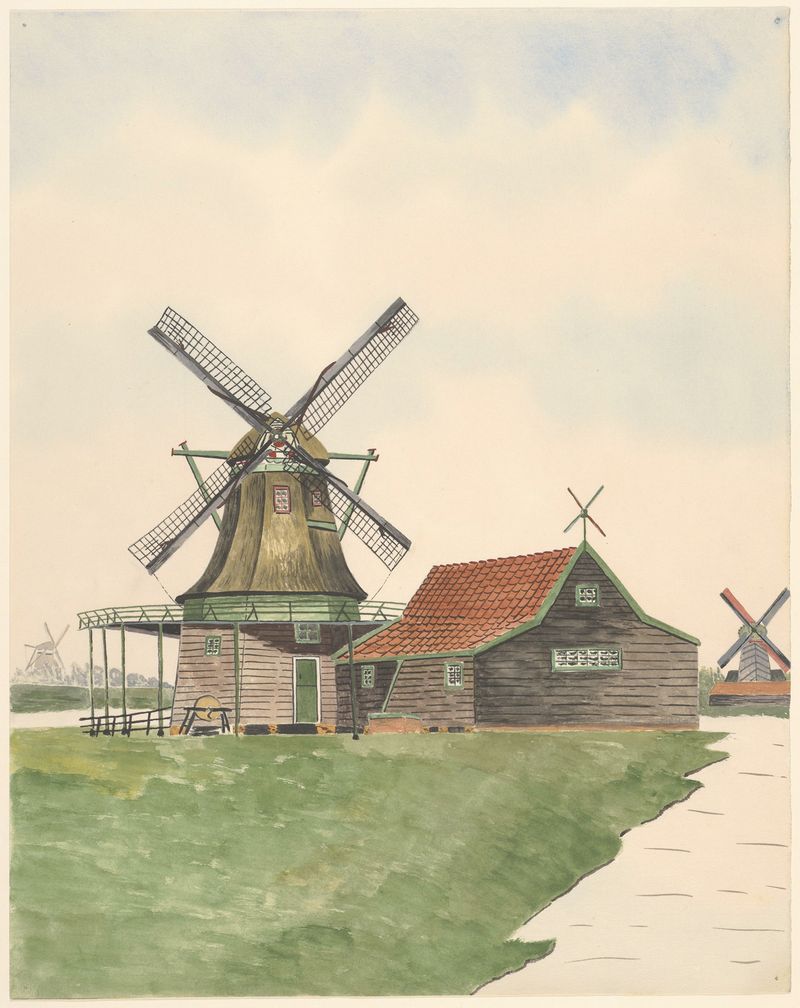
molens; oliemolen De Olievos, aan de Papenpadsloot, gesloopt 1878
Johannes Nicolaas Eijman
molens; meelmolen De Koker
Johannes Nicolaas Eijman

Papiermolen de Eendracht aan de westzijde van het Zaandammerpad, Wormer
Johannes Nicolaas Eijman
molens; oliemolen De Oude-Zwan, aan de Kalverpoel
Johannes Nicolaas Eijman
molens; oliemolen Het Oude-Honingvat, Oostzijderveld
Johannes Nicolaas Eijman
molen; oliemolen Het Witte-Paard aan het Zaandijkerwegje, 1893 gesloopt
Johannes Nicolaas Eijman

Op de voorgrond rechts doppenmolen De Prolpot aan de Hemmes, op de achtergrond links twee andere molens
Johannes Nicolaas Eijman
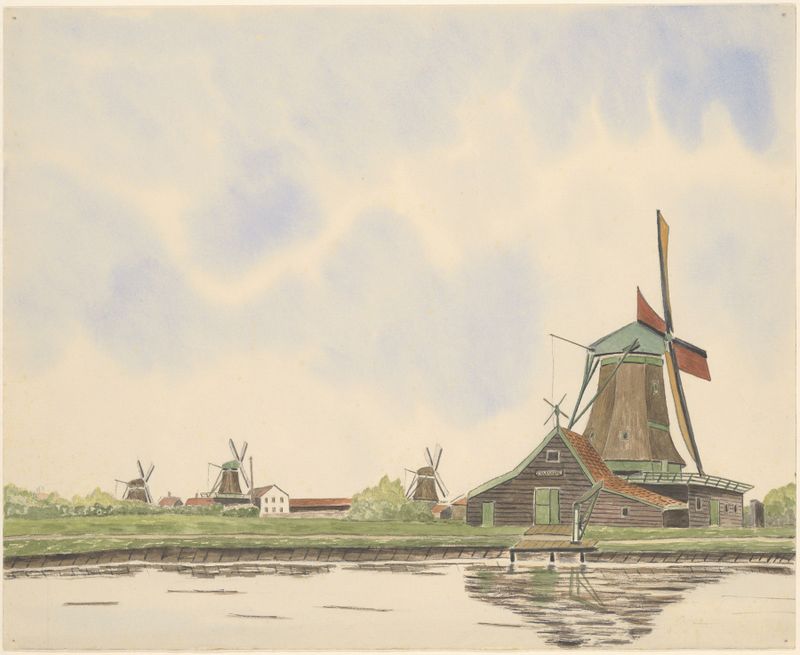
Oliemolen De Kerkuil aan de Zaan, met drie molens op de achtergrond. De Kerkuil stond binnendijks, tegenover de Wormerveerderkerk; afgebroken ca. 1892
Johannes Nicolaas Eijman
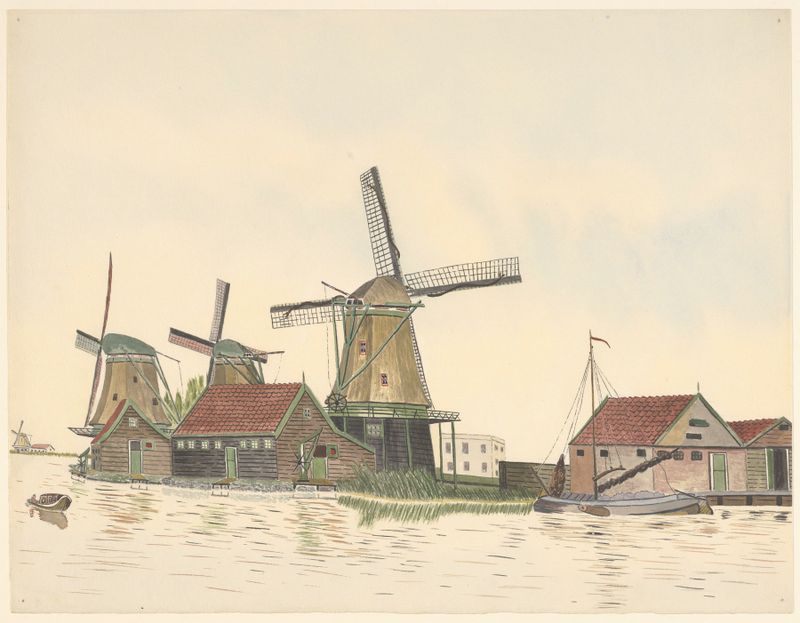
molens; De Ooievaar; De Windhond; De Gans, Kalverringdijk
Johannes Nicolaas Eijman
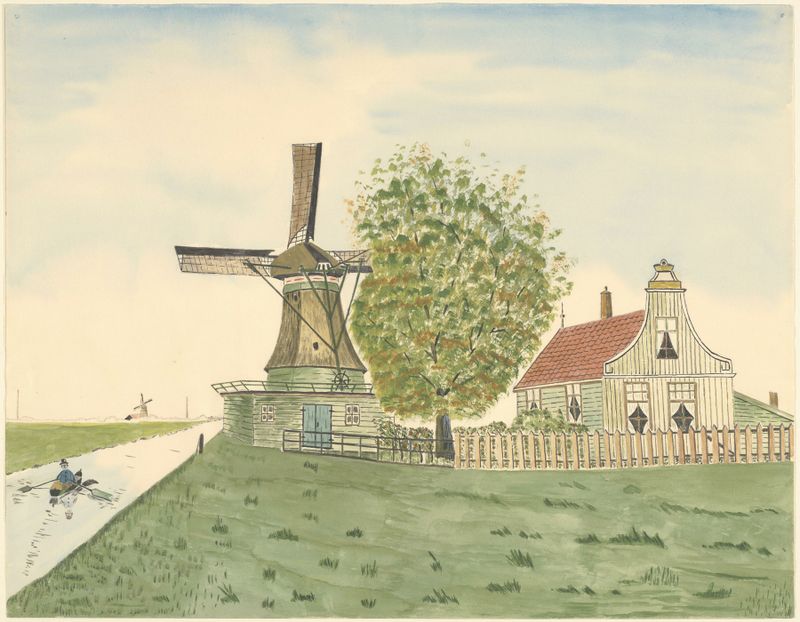
molens; houtzaagmolen De Haan
Johannes Nicolaas Eijman





