
molen; oliemolen (later pelmolen) Het Vool of Het Jonge-Vool, Zaandijkerwegje, in 1930 verbrand — History & Facts
What if silence could speak through light? The quiet dignity of a windmill, standing resolute amidst the whispers of time, invites us to explore deeper truths nestled within its weathered structure. Focus on the sweeping lines of the windmill’s sails, elegantly catching the wind as they stretch towards the horizon. Notice how the soft hues of ochre and muted greens blend with the sky, creating a serene yet powerful contrast against the encroaching shadows. The artist's brushwork captures the stillness, while intricate details like the textured wood of the mill’s body reveal the passage of years, each crack and crevice telling a story of resilience. Within this depiction lies a poignant juxtaposition—the strength of the mill against the vulnerability of nature.
Observe how the dappled sunlight dances across the landscape, illuminating the mill’s sturdy frame while hinting at the ephemeral nature of existence. The stillness evokes a kind of melancholy, suggesting that even the mightiest structures face their own impermanence. This tension between strength and fragility resonates with the viewer, prompting introspection about the truths we often overlook. Johannes Nicolaas Eijman created this work in the late 1930s, a period marked by significant change in the Netherlands.
Amid the backdrop of societal shifts and the looming threat of war, the windmill represented not just a piece of history but a symbol of endurance. Eijman’s focus on this particular structure reveals his dedication to preserving local heritage, even as the world around him began to crumble.
More Artworks by Johannes Nicolaas Eijman
Browse all →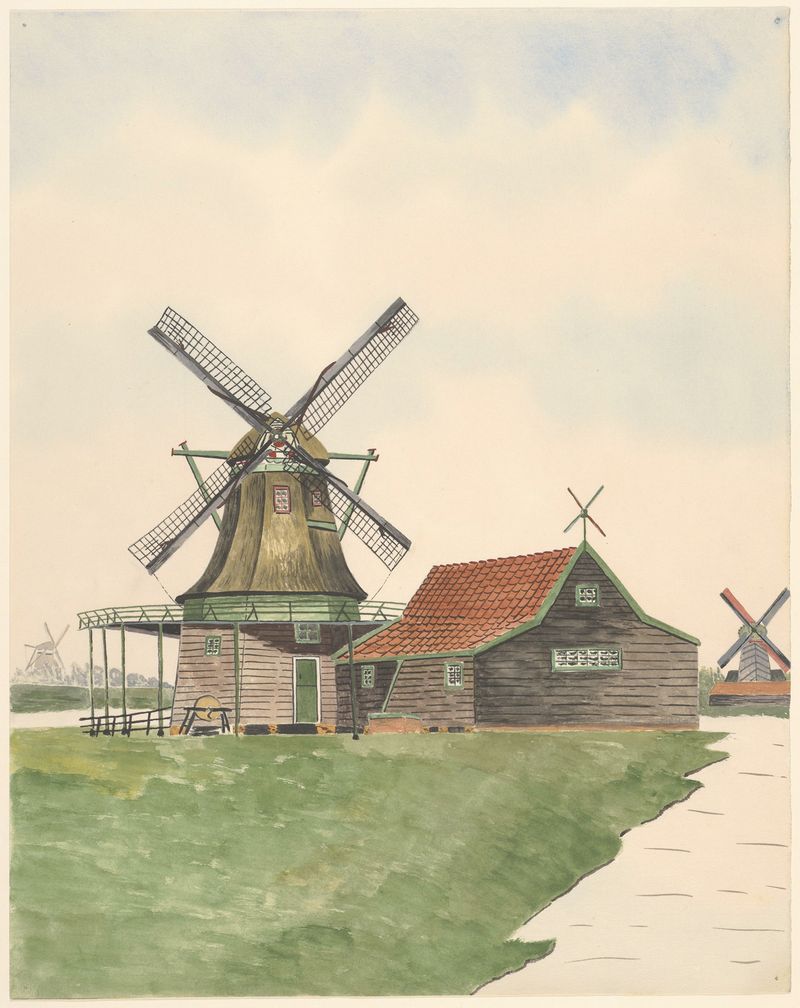
molens; oliemolen De Olievos, aan de Papenpadsloot, gesloopt 1878
Johannes Nicolaas Eijman
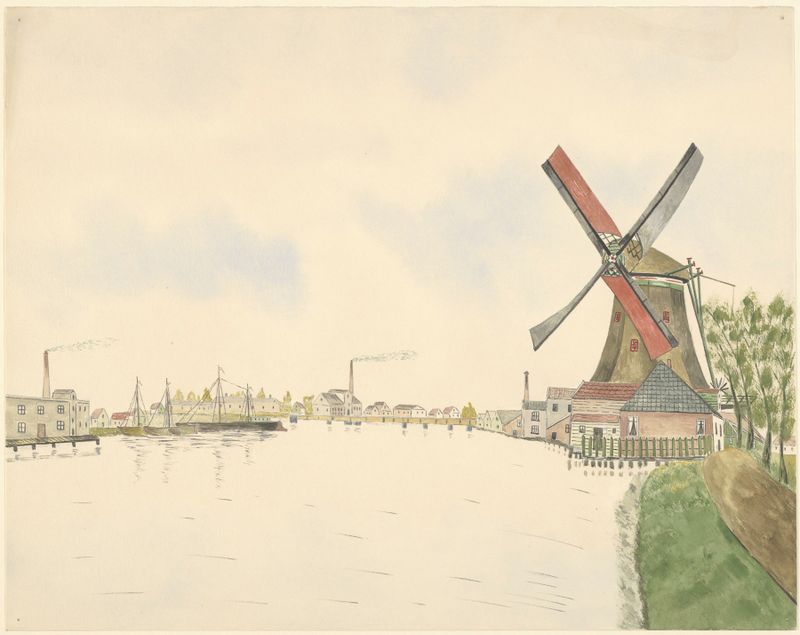
molens; meelmolen De Koker
Johannes Nicolaas Eijman

Papiermolen de Eendracht aan de westzijde van het Zaandammerpad, Wormer
Johannes Nicolaas Eijman
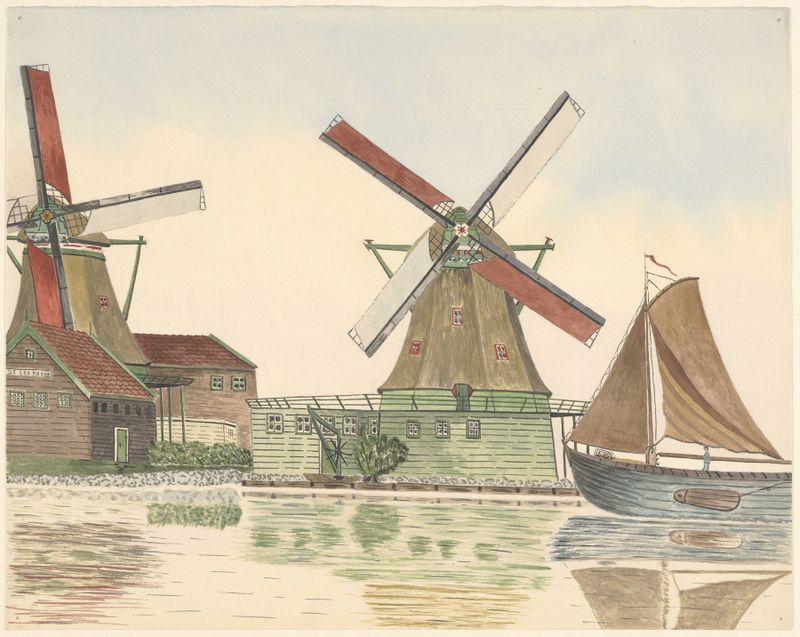
molens; oliemolen De Oude-Zwan, aan de Kalverpoel
Johannes Nicolaas Eijman
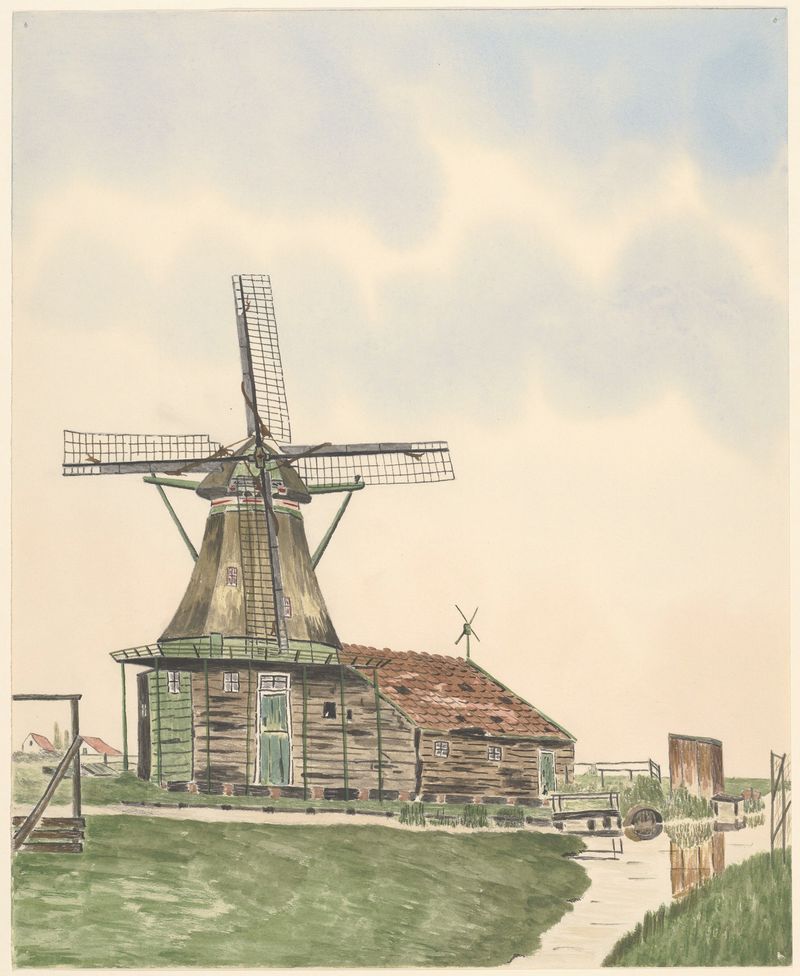
molens; oliemolen Het Oude-Honingvat, Oostzijderveld
Johannes Nicolaas Eijman
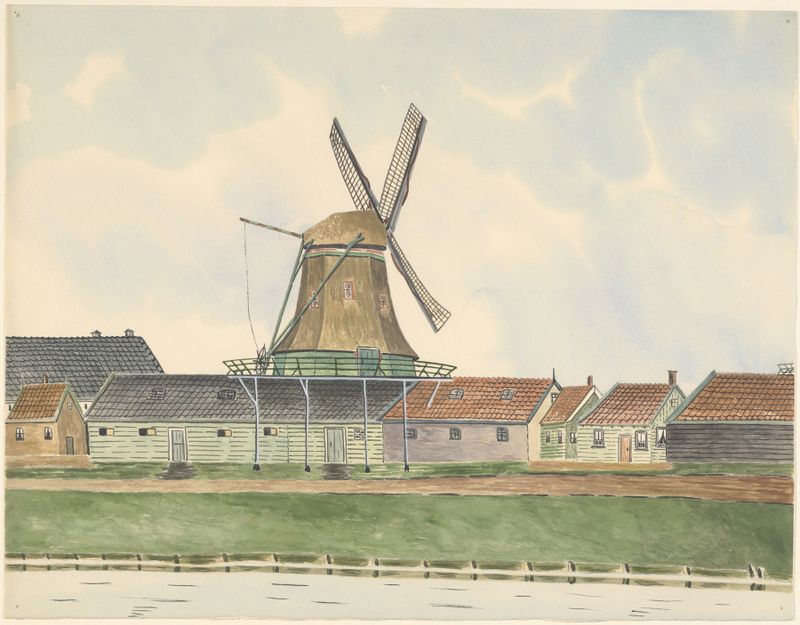
molen; oliemolen Het Witte-Paard aan het Zaandijkerwegje, 1893 gesloopt
Johannes Nicolaas Eijman

Op de voorgrond rechts doppenmolen De Prolpot aan de Hemmes, op de achtergrond links twee andere molens
Johannes Nicolaas Eijman
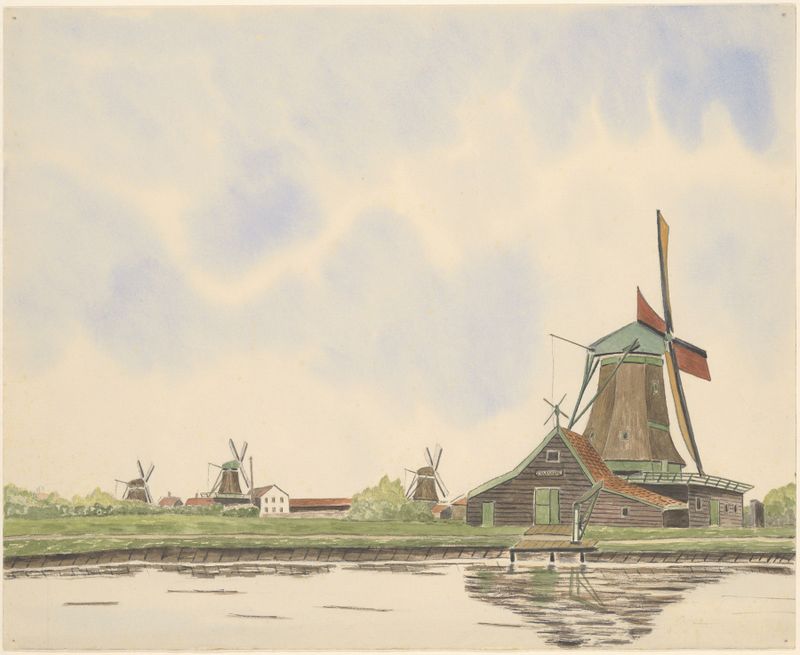
Oliemolen De Kerkuil aan de Zaan, met drie molens op de achtergrond. De Kerkuil stond binnendijks, tegenover de Wormerveerderkerk; afgebroken ca. 1892
Johannes Nicolaas Eijman
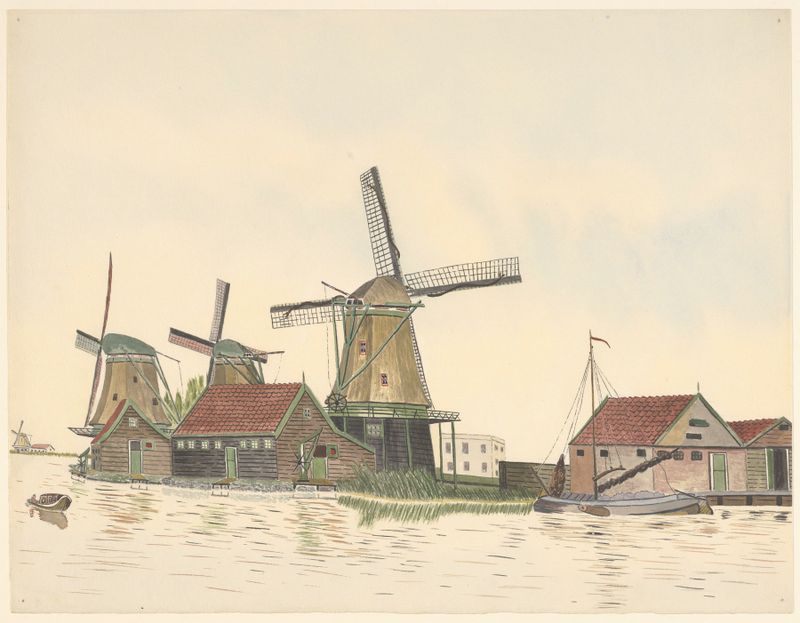
molens; De Ooievaar; De Windhond; De Gans, Kalverringdijk
Johannes Nicolaas Eijman
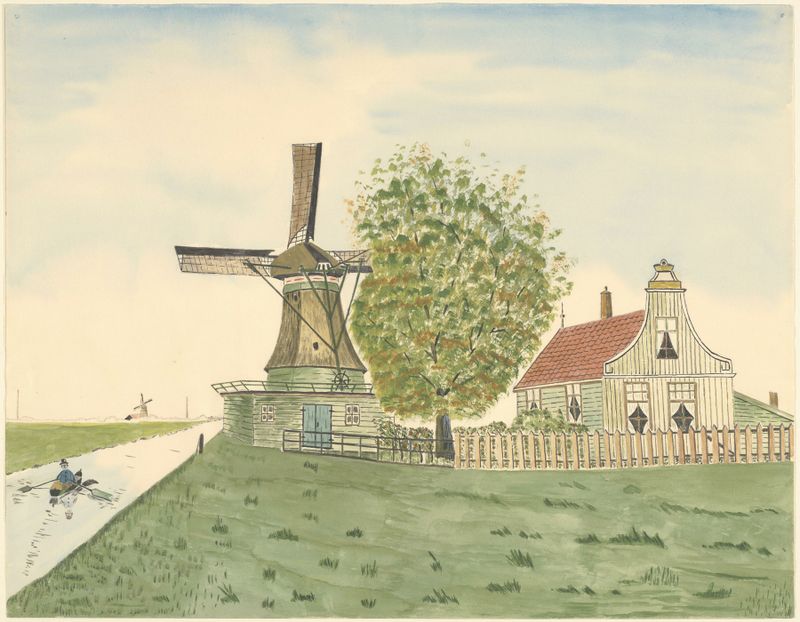
molens; houtzaagmolen De Haan
Johannes Nicolaas Eijman





