
molen; olimolen De Vrijheid aan de Noorddijk, gesloopt 1896 — History & Facts
Each brushstroke whispers of solitude, capturing the essence of a world caught between memory and absence. Look to the center of the canvas where a desolate windmill stands, its once-proud sails now stilled against an expansive, muted sky. The earthy browns and soft greens envelop the structure, while patches of pale blue peek through the clouds, suggesting a fleeting moment of hope. Notice how Eijman employs a delicate balance of texture and hue, the brushwork almost tangible, evoking the sense of a forgotten place yearning for life. This windmill, emblematic of the past, stands as a poignant symbol of loneliness and the inexorable passage of time.
The absence of human figures amplifies this emotional landscape, inviting viewers to reflect on their own experiences of isolation. The juxtaposition between the familiar rural architecture and the vast emptiness surrounding it speaks to a deeper narrative, one that resonates with the shared human condition of longing and remembrance. Created between 1930 and 1940, this piece emerged during a time of introspection for Johannes Nicolaas Eijman, as Europe grappled with the aftermath of war and the shifting tides of artistic expression. Working in the Netherlands, he found inspiration in the remnants of existence, reflecting a society caught in transition.
This work, like many of his others, captures the delicate dance between history and the present, urging us to acknowledge the echoes of those who have come before.
More Artworks by Johannes Nicolaas Eijman
Browse all →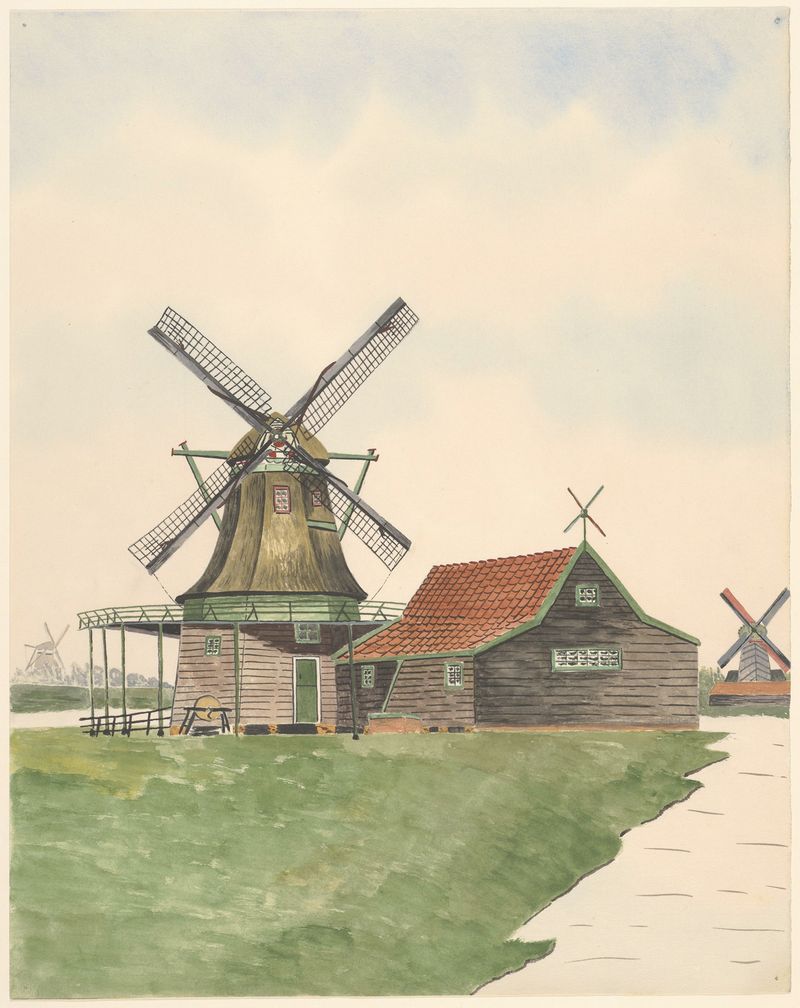
molens; oliemolen De Olievos, aan de Papenpadsloot, gesloopt 1878
Johannes Nicolaas Eijman
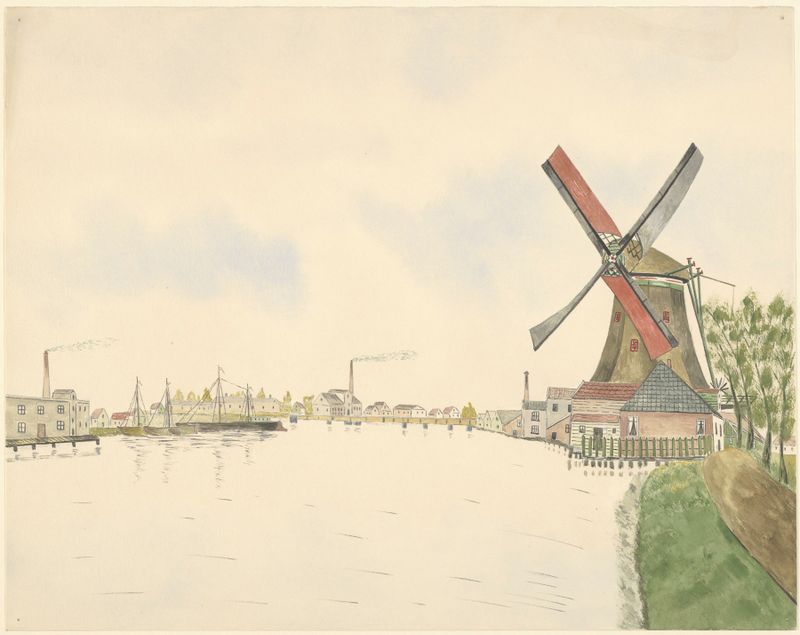
molens; meelmolen De Koker
Johannes Nicolaas Eijman

Papiermolen de Eendracht aan de westzijde van het Zaandammerpad, Wormer
Johannes Nicolaas Eijman
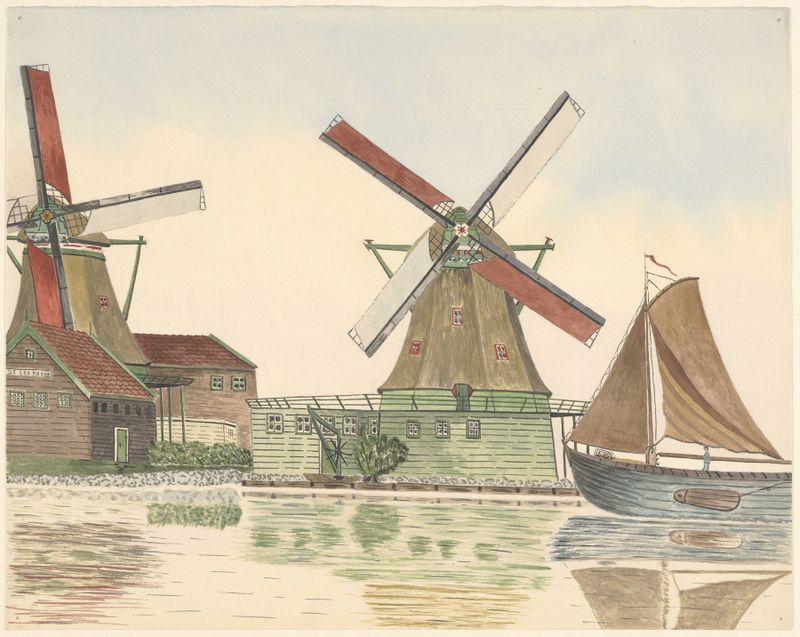
molens; oliemolen De Oude-Zwan, aan de Kalverpoel
Johannes Nicolaas Eijman
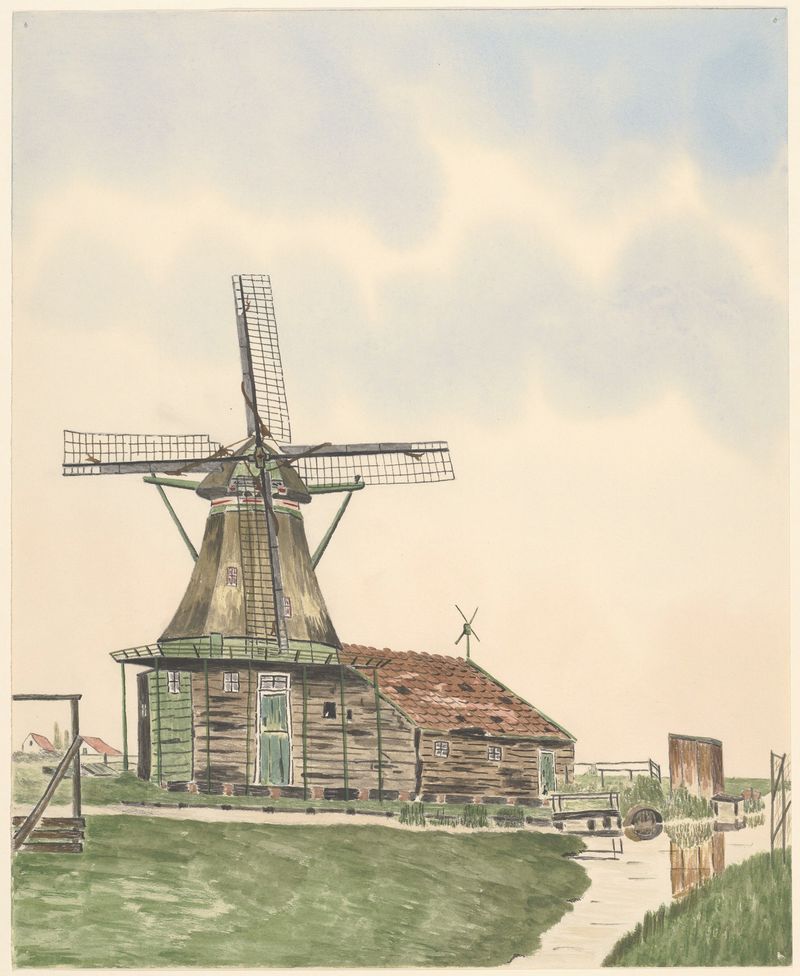
molens; oliemolen Het Oude-Honingvat, Oostzijderveld
Johannes Nicolaas Eijman
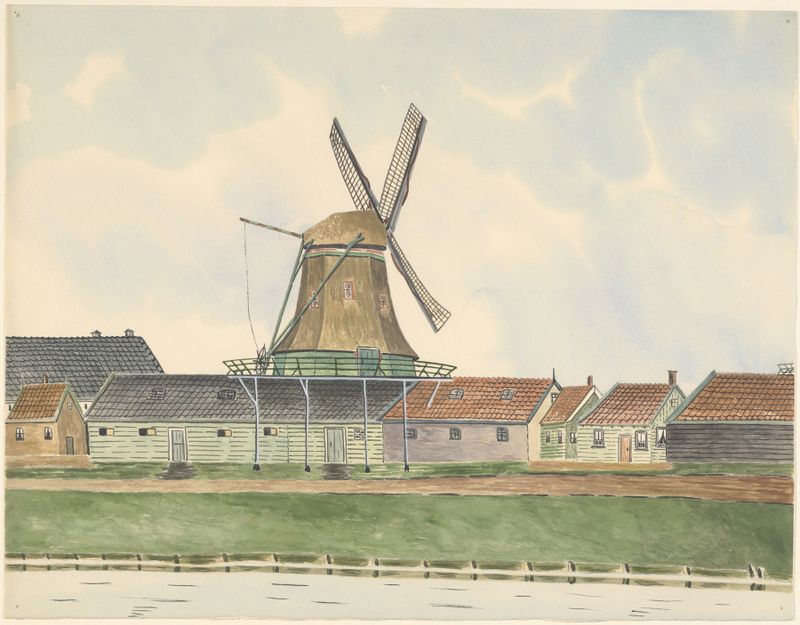
molen; oliemolen Het Witte-Paard aan het Zaandijkerwegje, 1893 gesloopt
Johannes Nicolaas Eijman

Op de voorgrond rechts doppenmolen De Prolpot aan de Hemmes, op de achtergrond links twee andere molens
Johannes Nicolaas Eijman
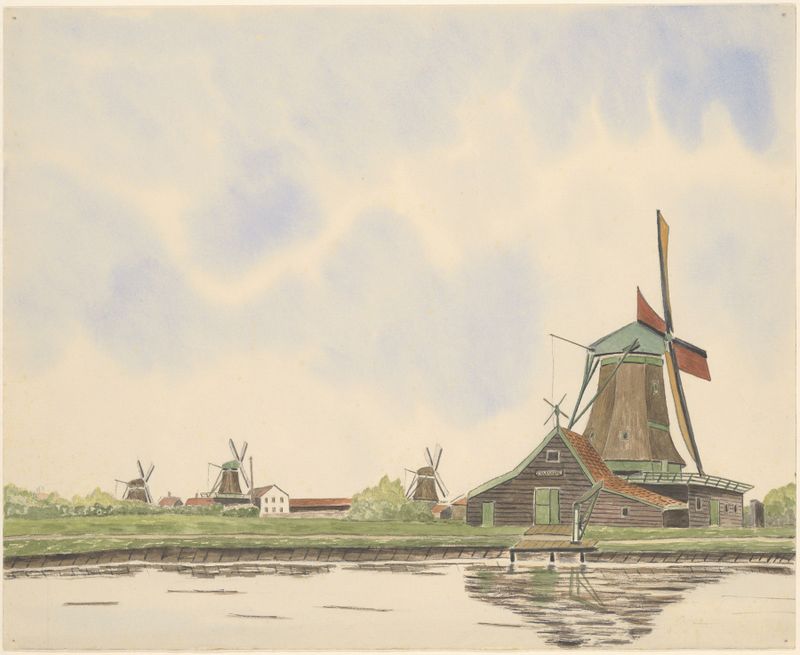
Oliemolen De Kerkuil aan de Zaan, met drie molens op de achtergrond. De Kerkuil stond binnendijks, tegenover de Wormerveerderkerk; afgebroken ca. 1892
Johannes Nicolaas Eijman
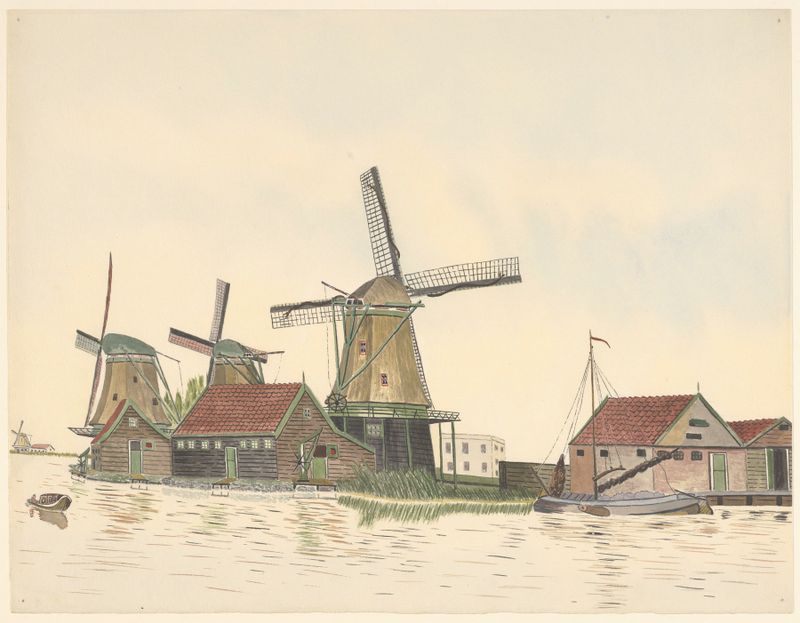
molens; De Ooievaar; De Windhond; De Gans, Kalverringdijk
Johannes Nicolaas Eijman
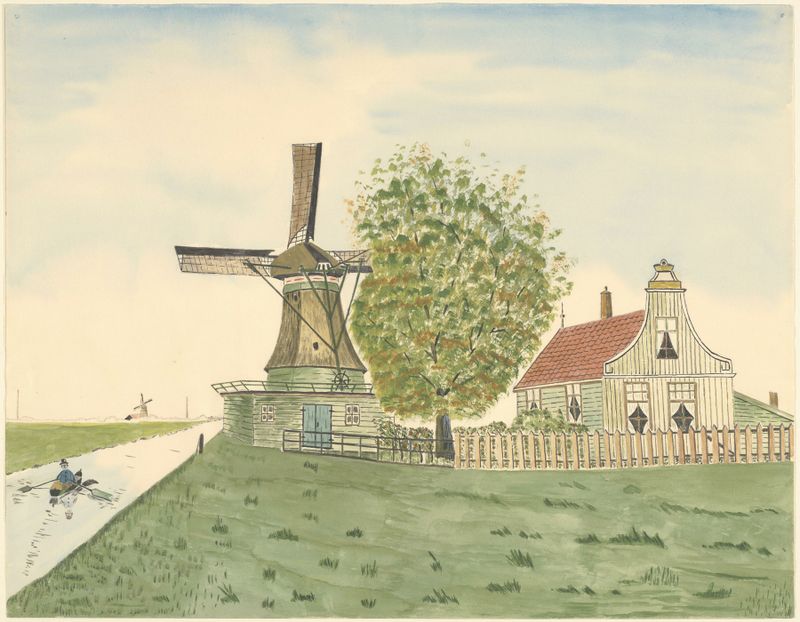
molens; houtzaagmolen De Haan
Johannes Nicolaas Eijman





