
Molens — History & Facts
In a world often consumed by noise and activity, the hushed emptiness captured by Molens speaks volumes, inviting us to reflect on the spaces we overlook. Here, the absence of life becomes a presence, invoking a profound sense of solitude and introspection. Focus first on the expansive sky that looms over the windmills—notice how the soft palette of blues and grays envelops the scene, creating a tranquil yet melancholic backdrop. The windmills stand sentinel against the vastness, their blades frozen in time, embodying both nostalgia and abandonment.
The gentle brushwork conveys a dreamlike quality, inviting viewers to wander through the empty landscape, where the stillness begs for memory. Upon closer inspection, subtle contrasts emerge; the solidity of the windmills juxtaposed with the ethereal light that kisses their surfaces highlights the tension between permanence and transience. Emptiness in the foreground serves as a stage for contemplation, amplifying the sense of lost stories, perhaps of laborers who once filled the fields with life. This stillness becomes a mirror reflecting our own moments of quiet reflection, echoing the weight of what has been lost. Etienne Bosch created Molens between 1873 and 1931, during a period marked by rapid industrial change in the Netherlands.
This work emerged as the country’s rural landscape evolved, reflecting the artist’s desire to preserve the beauty of a fading world. As modernity encroached upon tradition, Bosch’s evocative rendering became both a tribute to and a meditation on the passage of time, encapsulating the delicate balance between remembrance and oblivion.
More Artworks by Etienne Bosch
Browse all →
Gezicht op de achterkant van de Notre Dame in Parijs Notre Dame
Etienne Bosch
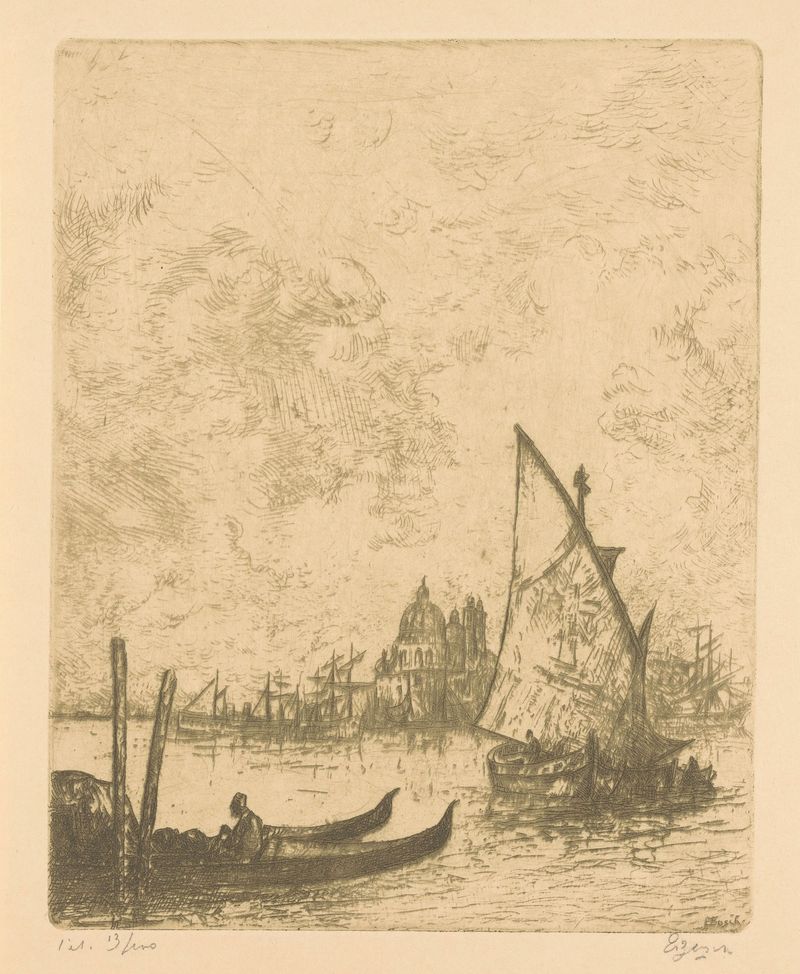
Venetië
Etienne Bosch

Amsterdamse poort te Haarlem
Etienne Bosch

Le Palatin Rome
Etienne Bosch

Landschap bij Rome
Etienne Bosch
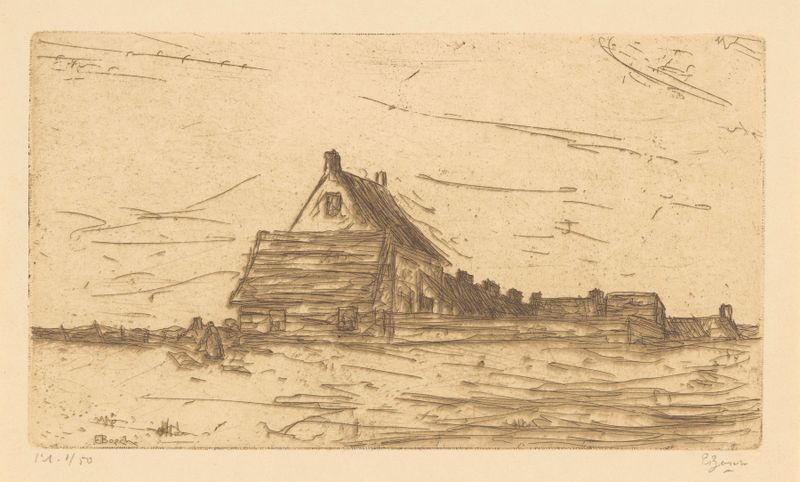
Boerenwoning
Etienne Bosch

Scheveningen
Etienne Bosch
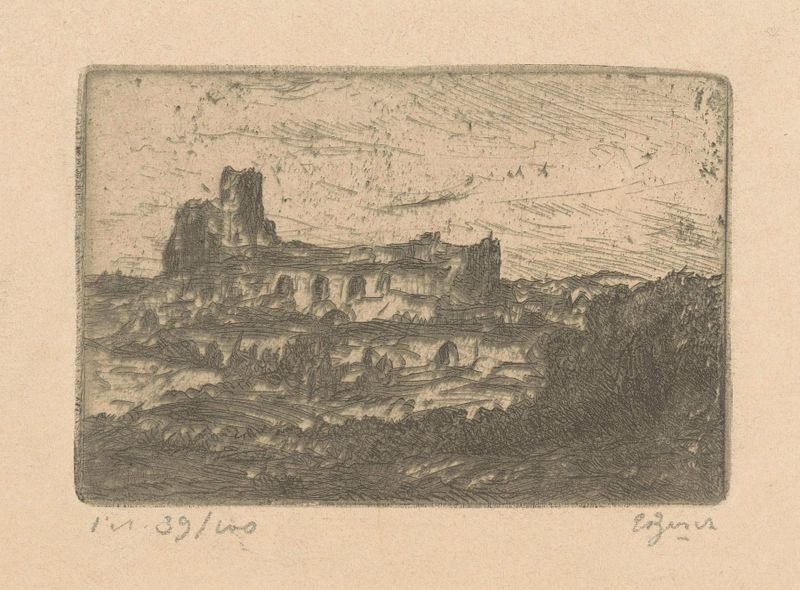
Ruïne Rome
Etienne Bosch
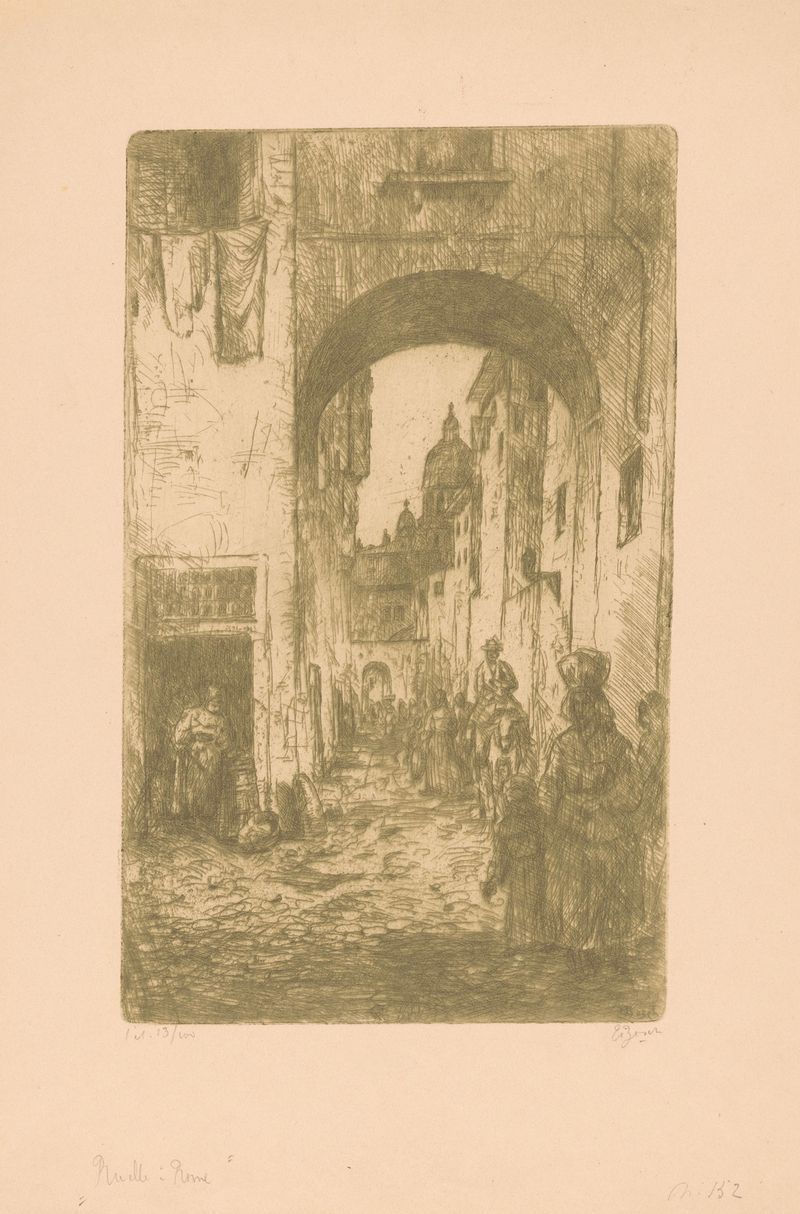
Ruelle, Rome
Etienne Bosch
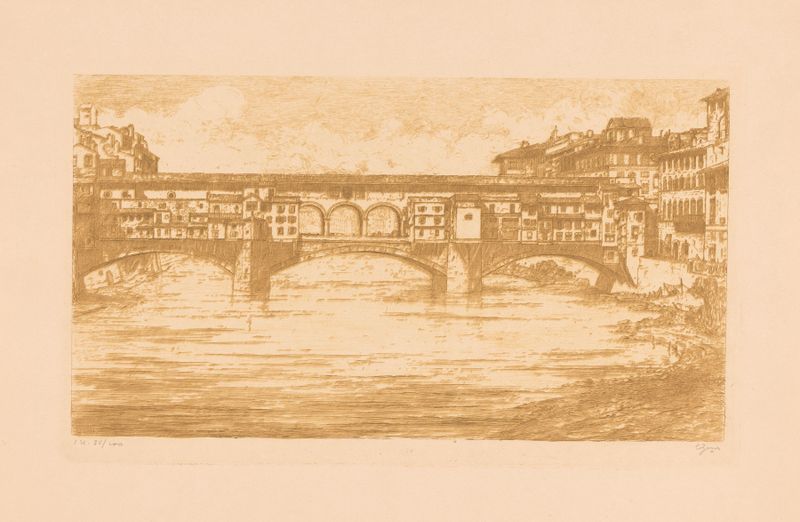
Ponte Vecchio in Florence
Etienne Bosch





