
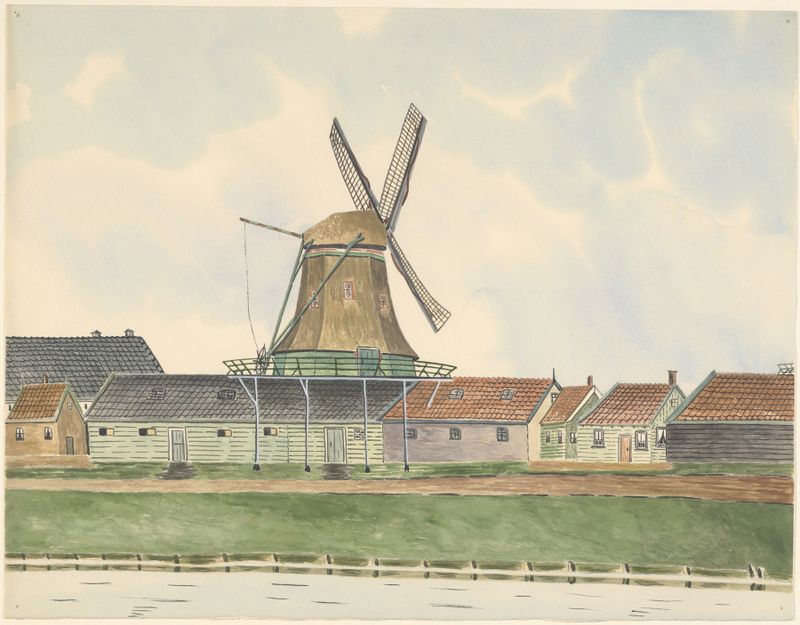
molens; Blauwselmolen De Huisvrouw, Blauwepad. — History & Facts
What secret hides in the quiet of the canvas? In the serene expanse of this painting, stillness envelops the iconic windmill, its blades poised yet alive against the azure sky. Focus on the windmill at the center, its traditional structure rising prominently above the tranquil landscape. The intricate strokes reveal the texture of the wooden beams, while the surrounding hills and meandering water reflect subtle hues of green and blue. Notice how the light dances across the surface of the water, echoing the windmill’s stillness and inviting contemplation. Beneath this tranquil exterior lies a contrast between the enduring presence of nature and the passage of time.
The windmill, a symbol of resilience, stands against the backdrop of a changing world. The calm water hints at deeper undercurrents, suggesting that every seemingly still moment might conceal a truth waiting to be uncovered. Johannes Nicolaas Eijman painted this piece during a period of reflection in the Dutch art scene, roughly between 1930 and 1940. Life in the Netherlands was marked by economic struggles, yet artists sought solace in their landscapes, capturing the essence of a nation in transition.
Eijman, influenced by the traditional Dutch masters, approached this work with a reverence for the natural world and the stories it holds, resonating with a collective yearning for stability and truth.
More Artworks by Johannes Nicolaas Eijman
Browse all →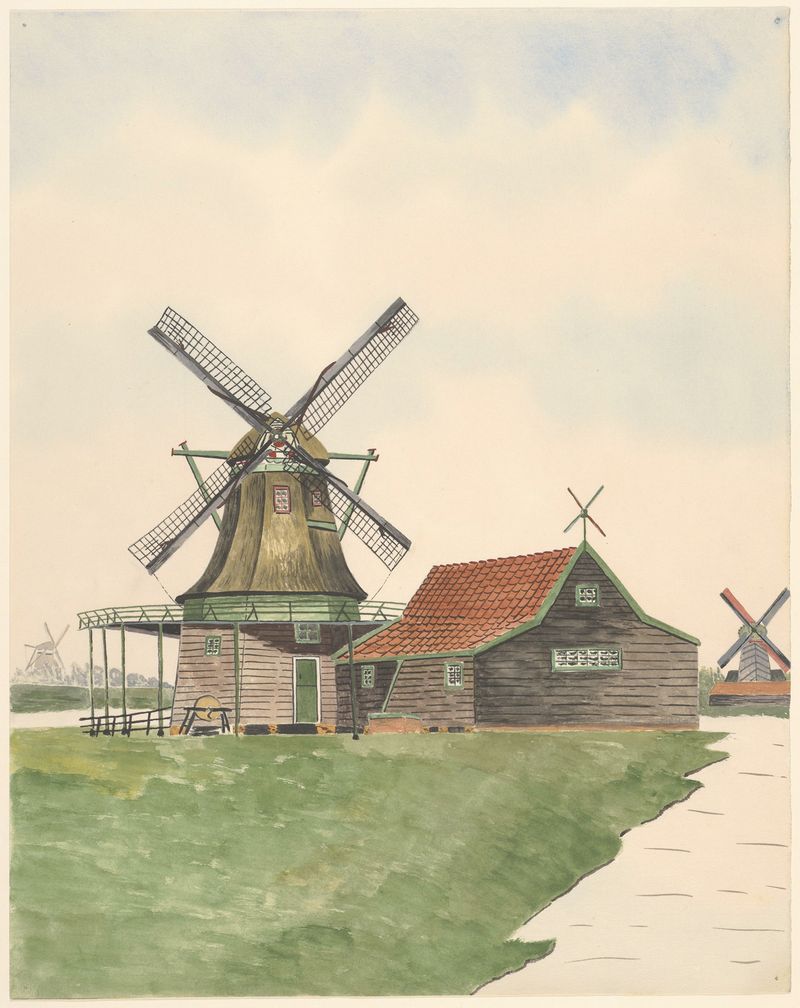
molens; oliemolen De Olievos, aan de Papenpadsloot, gesloopt 1878
Johannes Nicolaas Eijman
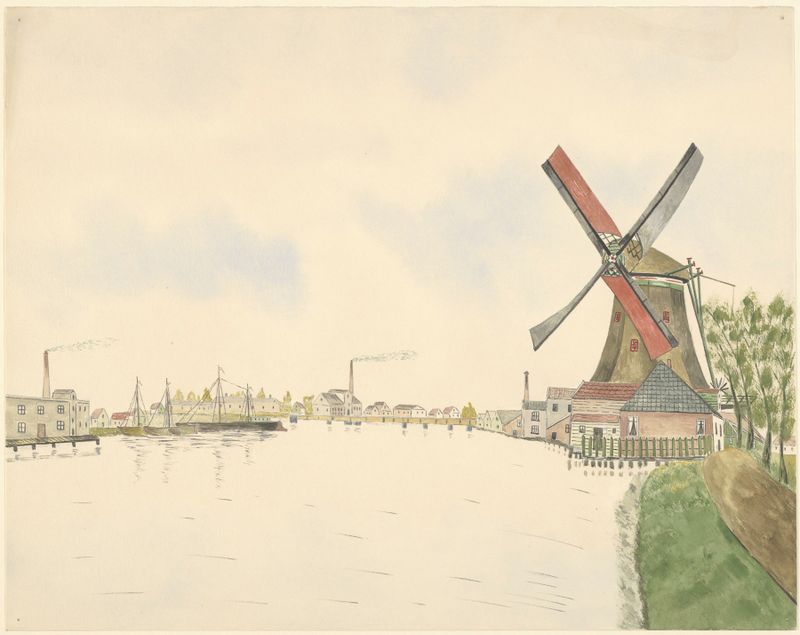
molens; meelmolen De Koker
Johannes Nicolaas Eijman

Papiermolen de Eendracht aan de westzijde van het Zaandammerpad, Wormer
Johannes Nicolaas Eijman
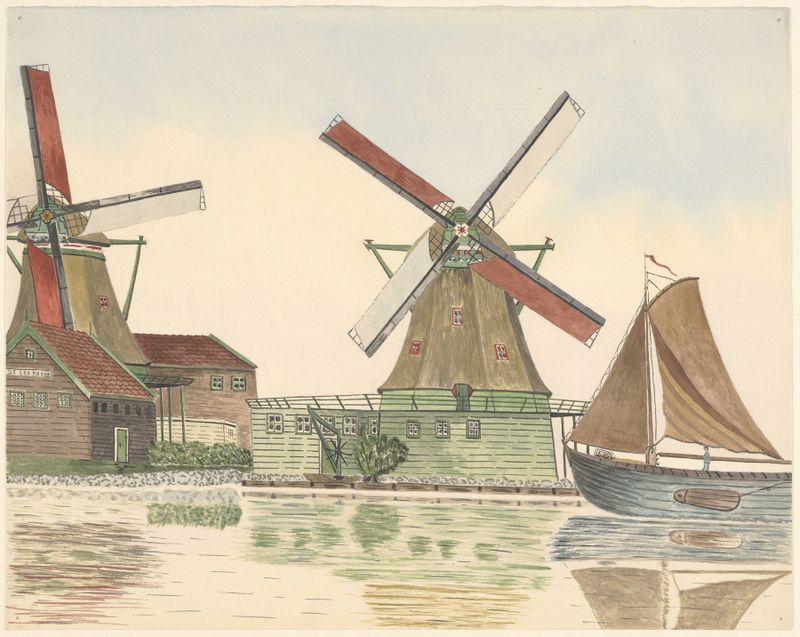
molens; oliemolen De Oude-Zwan, aan de Kalverpoel
Johannes Nicolaas Eijman
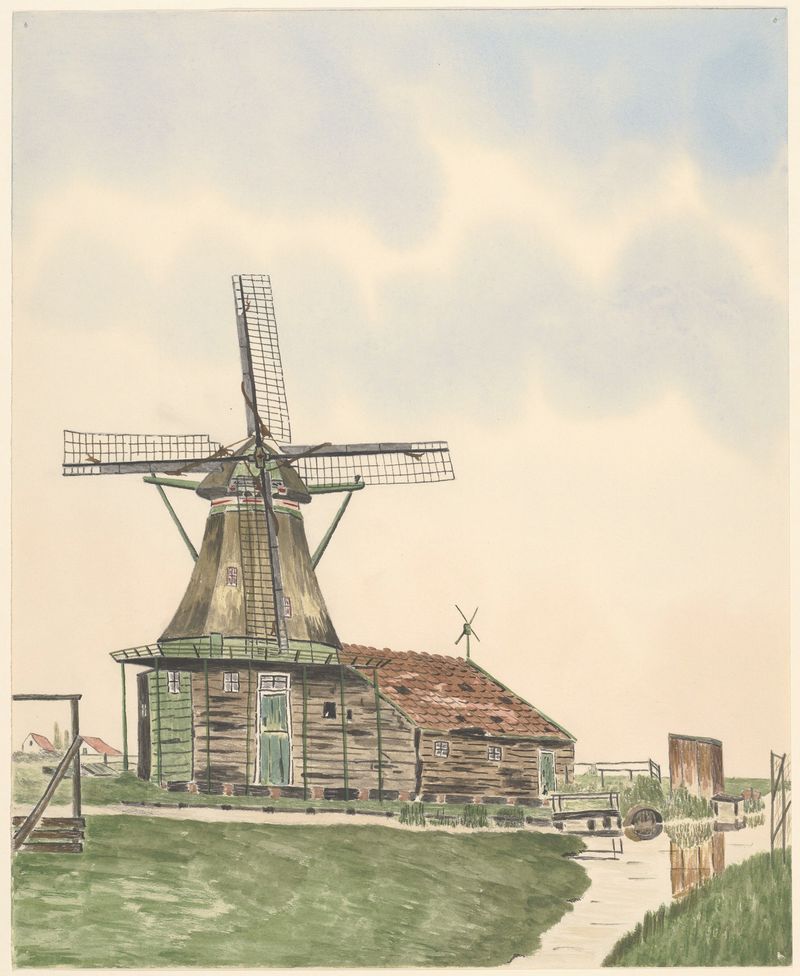
molens; oliemolen Het Oude-Honingvat, Oostzijderveld
Johannes Nicolaas Eijman
molen; oliemolen Het Witte-Paard aan het Zaandijkerwegje, 1893 gesloopt
Johannes Nicolaas Eijman

Op de voorgrond rechts doppenmolen De Prolpot aan de Hemmes, op de achtergrond links twee andere molens
Johannes Nicolaas Eijman
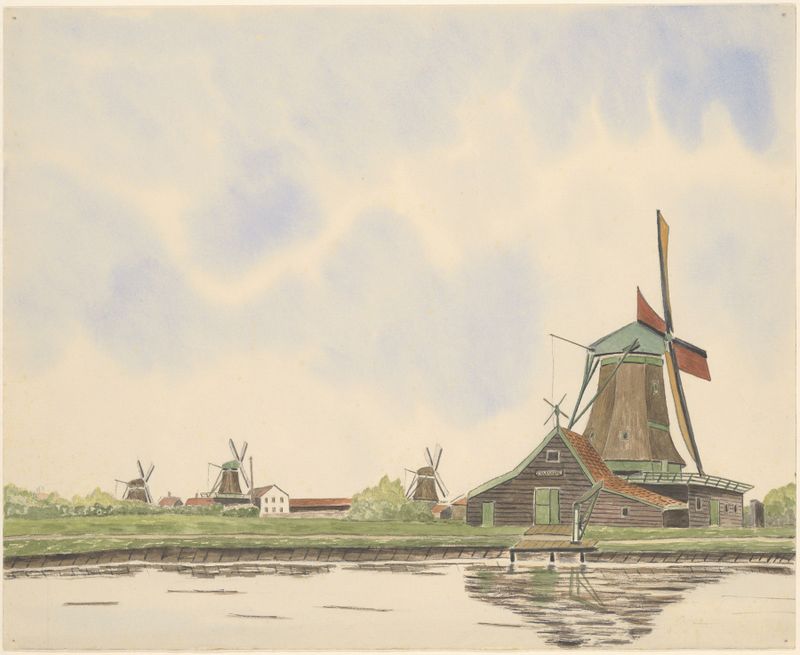
Oliemolen De Kerkuil aan de Zaan, met drie molens op de achtergrond. De Kerkuil stond binnendijks, tegenover de Wormerveerderkerk; afgebroken ca. 1892
Johannes Nicolaas Eijman
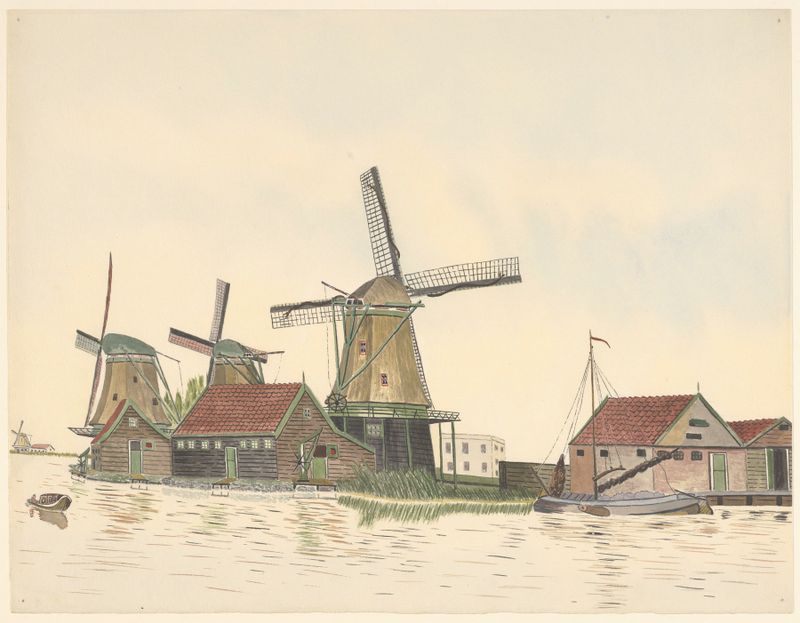
molens; De Ooievaar; De Windhond; De Gans, Kalverringdijk
Johannes Nicolaas Eijman
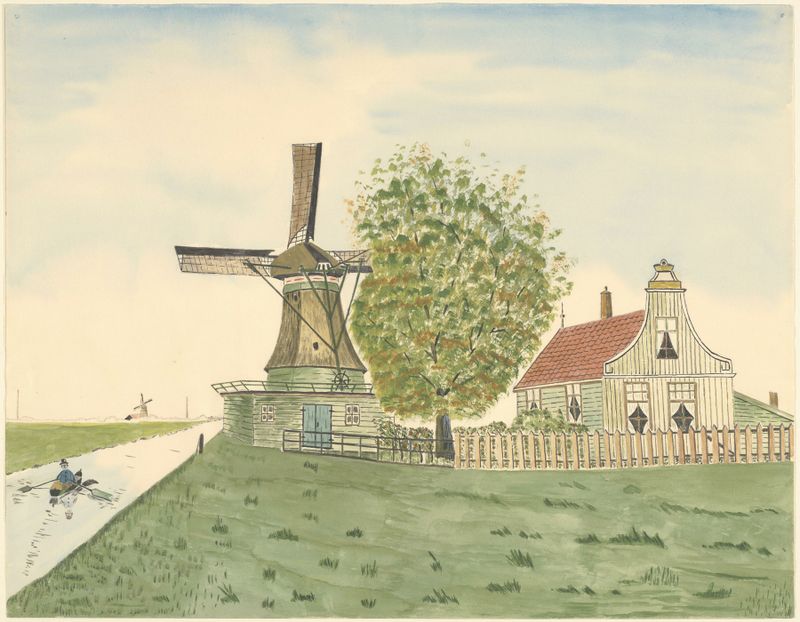
molens; houtzaagmolen De Haan
Johannes Nicolaas Eijman





