
molens; Kover-molen, Oostzaandam — History & Facts
Can beauty exist without sorrow? In the delicate balance of light and shadow, the answer may linger like a whispered secret. Look to the center of the canvas, where the windmill stands tall against the expansive sky—its sails poised as if caught in a moment of stillness. Notice how the soft hues of twilight bleed into one another, the deep blues and warm golds creating a rich tapestry that envelops the scene. The meticulous brushstrokes define not only the structure of the mill but also the surrounding landscape, inviting the viewer to trace the serene waters that reflect its grandeur. As you explore the details, consider the juxtaposition between the tranquil landscape and the imposing figure of the windmill.
Each element exudes a sense of yearning—a longing for the past intertwined with the relentless passage of time. The stillness of the water hints at a deeper emotional current, perhaps a nostalgia for simpler days, while the windmill’s steadfast presence evokes resilience amidst change. It is within these contrasts that the painting resonates, revealing layers of emotion and history. In the late 1930s, Eijman painted this work during a tumultuous period in Europe.
Emerging from a backdrop of socio-political upheaval, he sought solace in the natural beauty of his homeland, capturing the essence of Dutch landscapes. This piece reflects both the personal and collective experiences of longing and hope, marking a significant moment in the evolution of landscape painting during this era.
More Artworks by Johannes Nicolaas Eijman
Browse all →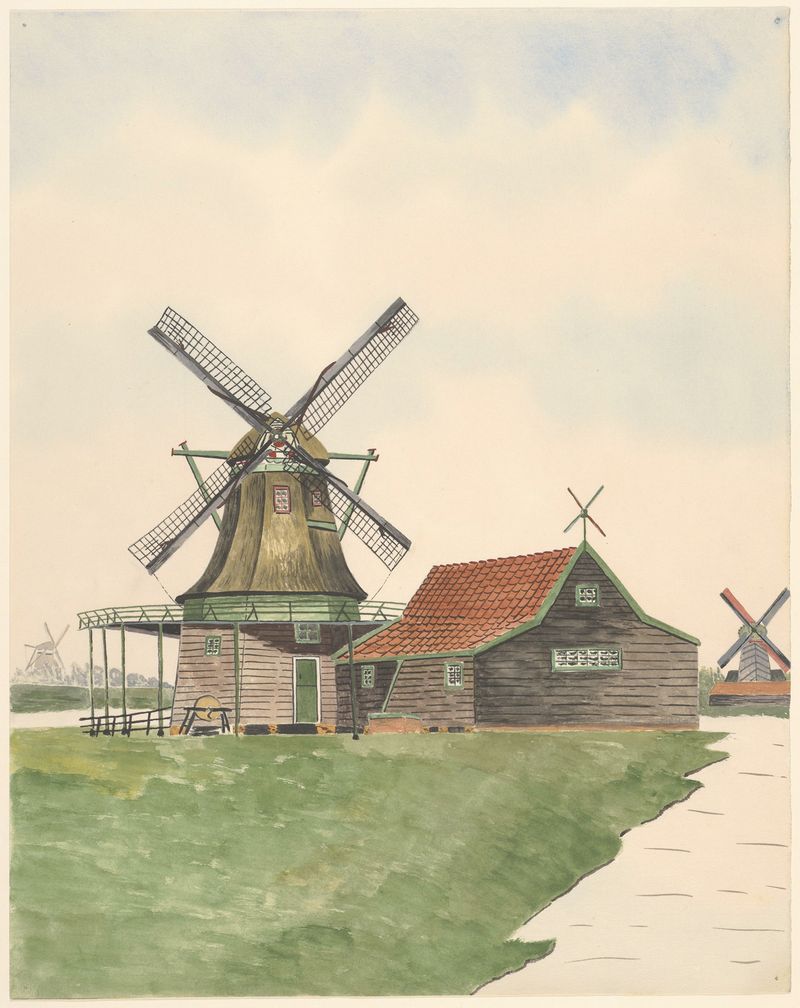
molens; oliemolen De Olievos, aan de Papenpadsloot, gesloopt 1878
Johannes Nicolaas Eijman
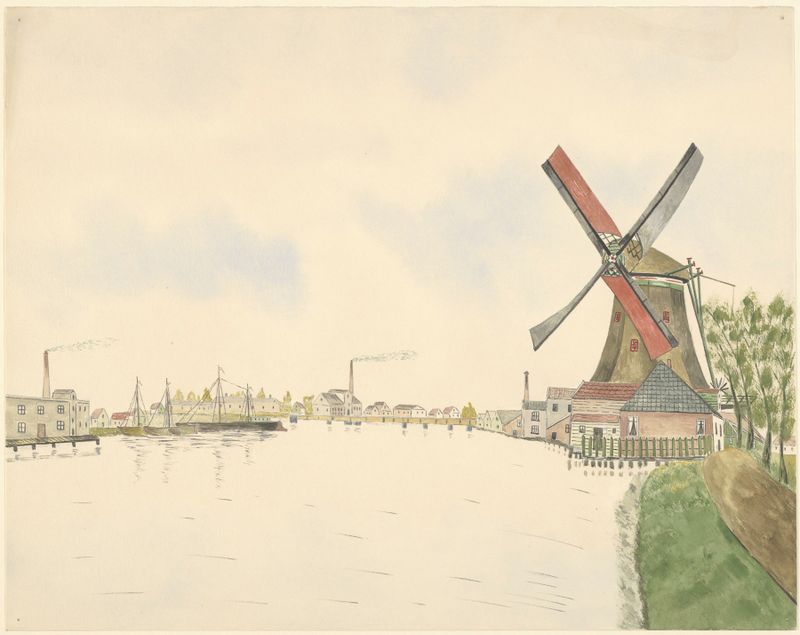
molens; meelmolen De Koker
Johannes Nicolaas Eijman

Papiermolen de Eendracht aan de westzijde van het Zaandammerpad, Wormer
Johannes Nicolaas Eijman
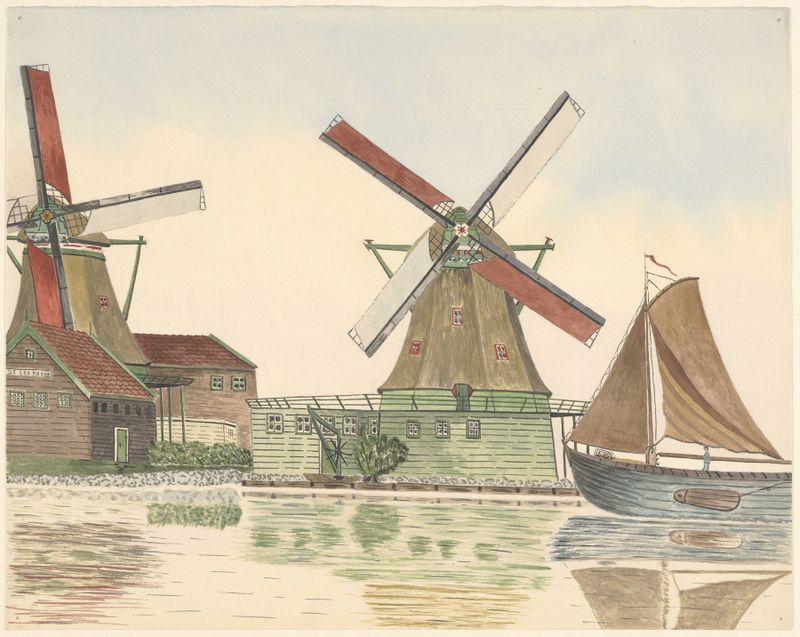
molens; oliemolen De Oude-Zwan, aan de Kalverpoel
Johannes Nicolaas Eijman
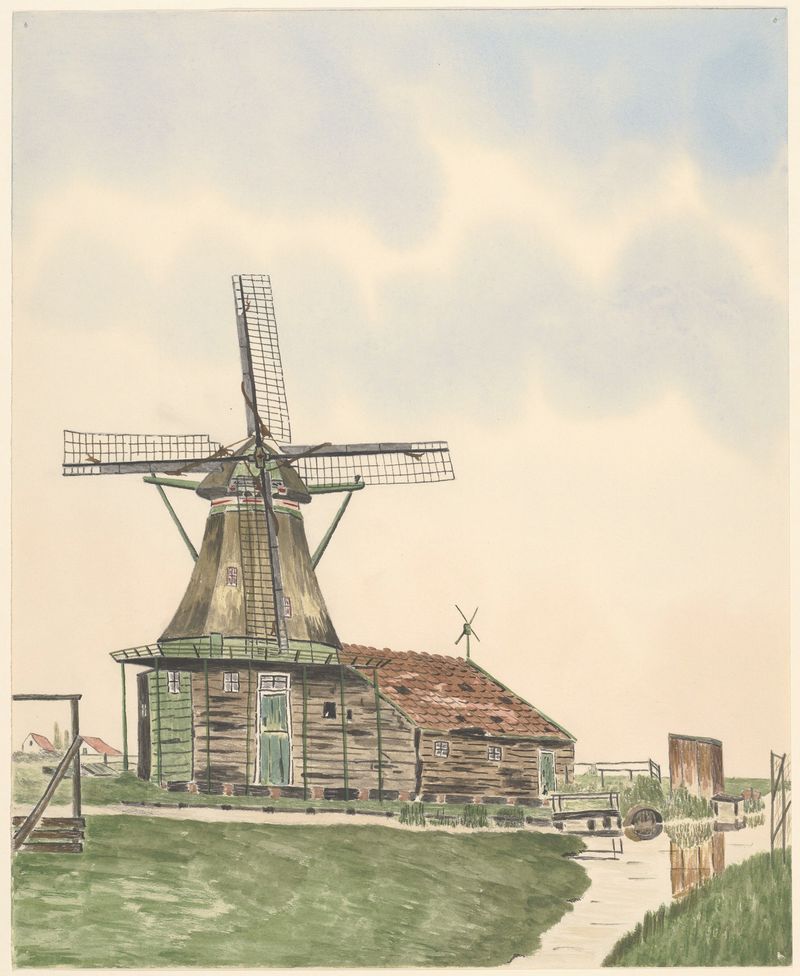
molens; oliemolen Het Oude-Honingvat, Oostzijderveld
Johannes Nicolaas Eijman
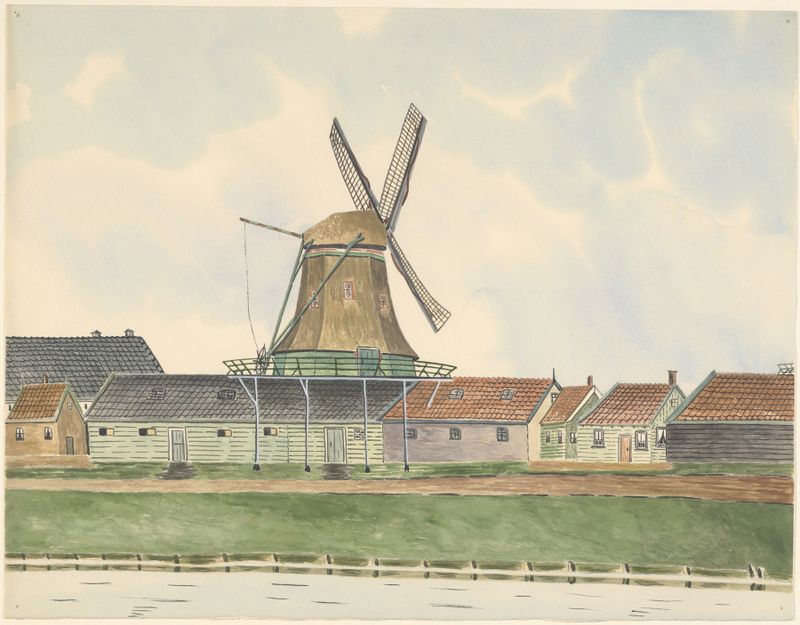
molen; oliemolen Het Witte-Paard aan het Zaandijkerwegje, 1893 gesloopt
Johannes Nicolaas Eijman

Op de voorgrond rechts doppenmolen De Prolpot aan de Hemmes, op de achtergrond links twee andere molens
Johannes Nicolaas Eijman
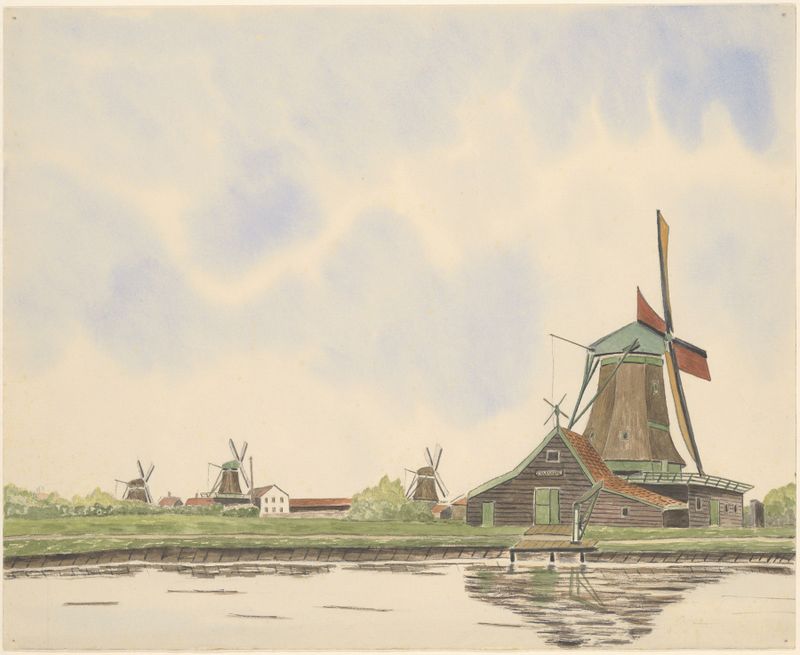
Oliemolen De Kerkuil aan de Zaan, met drie molens op de achtergrond. De Kerkuil stond binnendijks, tegenover de Wormerveerderkerk; afgebroken ca. 1892
Johannes Nicolaas Eijman
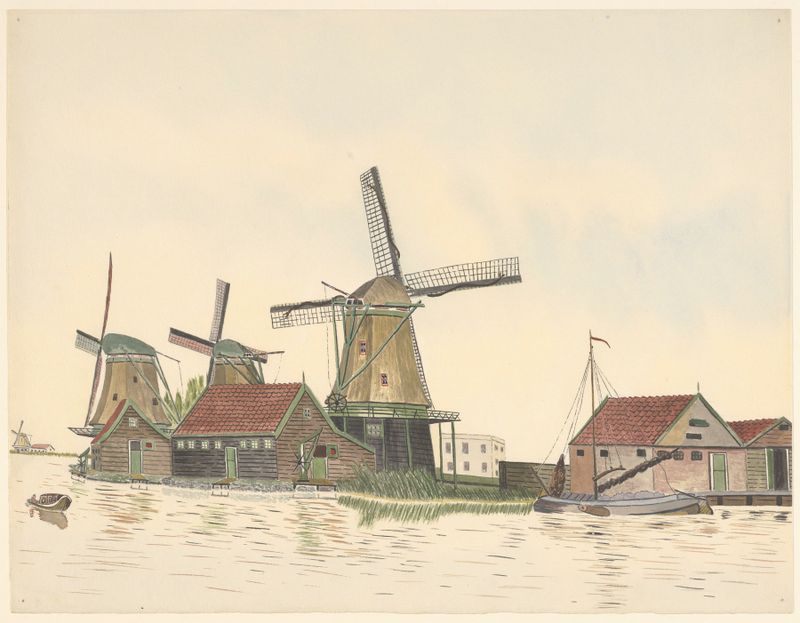
molens; De Ooievaar; De Windhond; De Gans, Kalverringdijk
Johannes Nicolaas Eijman
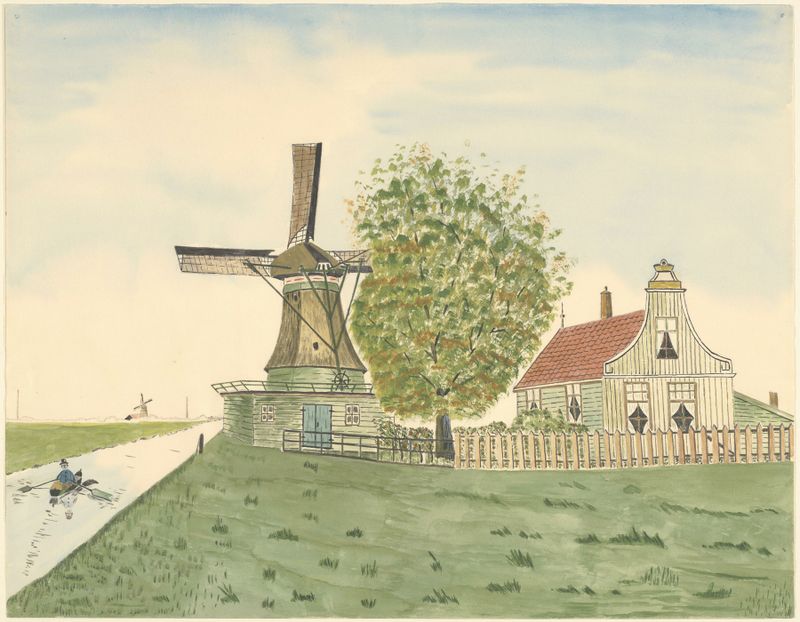
molens; houtzaagmolen De Haan
Johannes Nicolaas Eijman





