
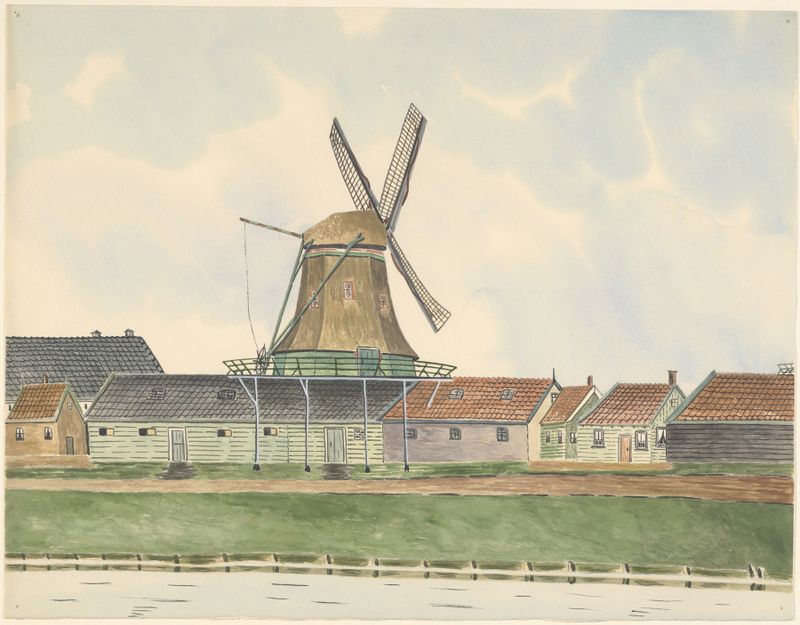
molens; molens aan de Zaan, met rechts een fabriek met rokende schoorsteen — History & Facts
In a world saturated with noise and clamor, the fragility of existence can often be overlooked. The delicate balance between the vibrant hues of life and the stillness that envelops them offers a profound reflection on our human experience. Look to the left, where the iconic windmills stand tall against a backdrop of a brooding sky, their blades frozen in mid-turn. The soft, muted palette creates an atmosphere of contemplative calm, while the billowing smoke from the factory chimney on the right suggests an ongoing industrial rhythm, a reminder of progress that contrasts with the timelessness of nature.
Notice how the artist masterfully blends greens and grays, evoking both the lush landscape and an underlying sense of unease. The juxtaposition of the serene windmills and the industrious factory speaks to the emotional tensions of the era—straddling the line between pastoral beauty and the encroaching march of modernity. The viewer can sense the fragility of the natural landscape, threatened yet resilient, encapsulating a moment in time where traditional ways of life are challenged by the relentless advance of technology. It’s an invitation to ponder the delicate balance we maintain with our environment. Created between 1930 and 1945, when Eijman was influenced by the changing socio-economic climate of the Netherlands, molens; molens aan de Zaan, met rechts een fabriek met rokende schoorsteen captures a pivotal moment in art history.
The interwar years, marked by both uncertainty and innovation, led artists like him to explore themes contrasting nostalgia with modernity. Eijman’s work reflects a nuanced understanding of this tension, indicative of a broader artistic response to an increasingly industrial world.
More Artworks by Johannes Nicolaas Eijman
Browse all →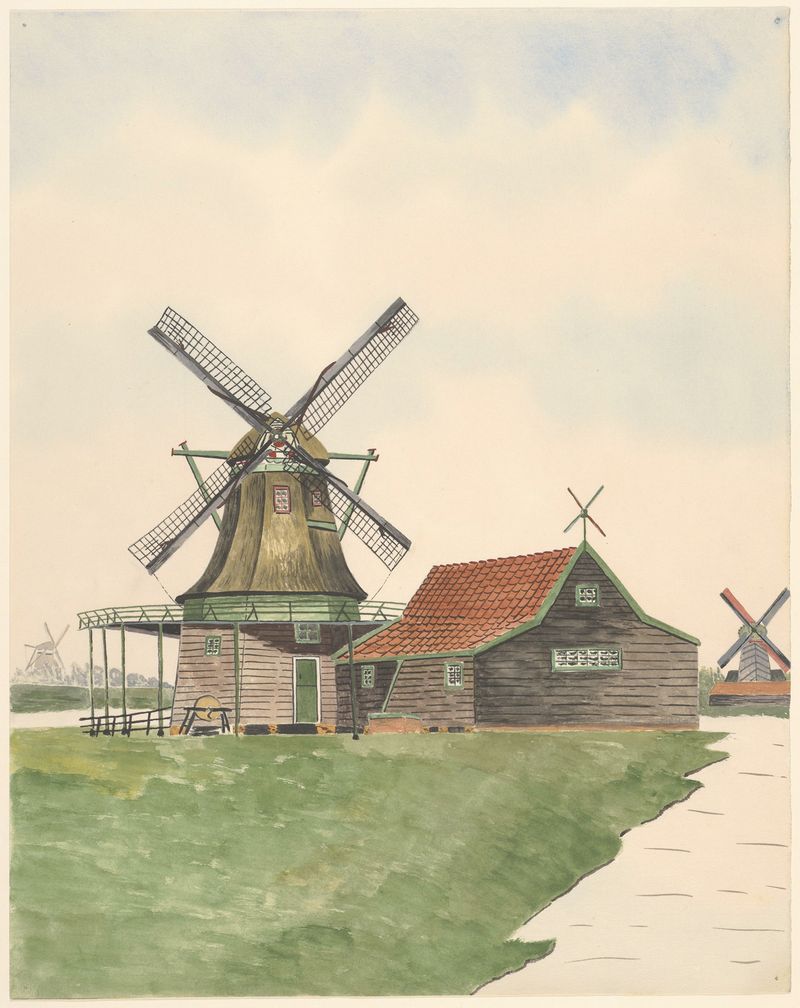
molens; oliemolen De Olievos, aan de Papenpadsloot, gesloopt 1878
Johannes Nicolaas Eijman
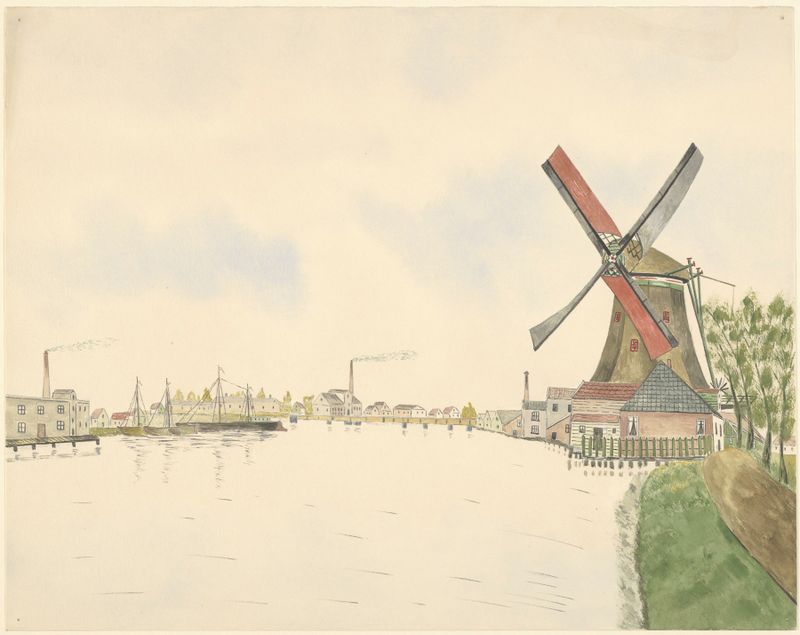
molens; meelmolen De Koker
Johannes Nicolaas Eijman

Papiermolen de Eendracht aan de westzijde van het Zaandammerpad, Wormer
Johannes Nicolaas Eijman
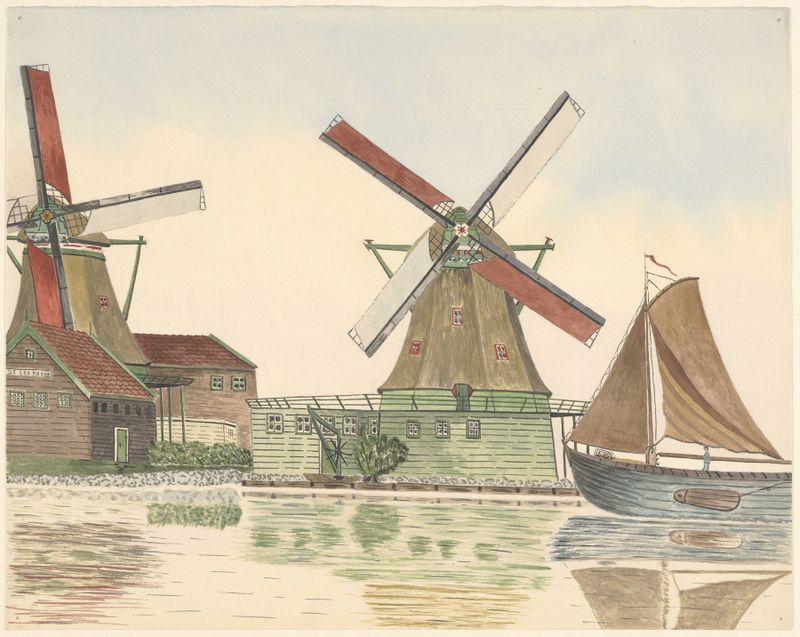
molens; oliemolen De Oude-Zwan, aan de Kalverpoel
Johannes Nicolaas Eijman
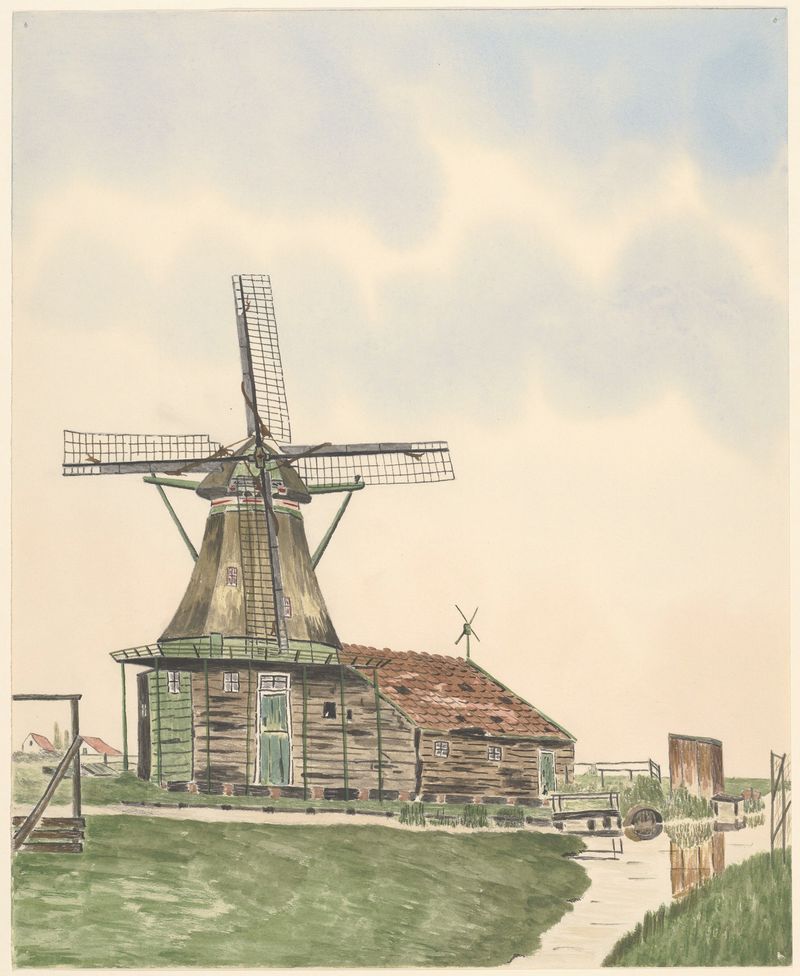
molens; oliemolen Het Oude-Honingvat, Oostzijderveld
Johannes Nicolaas Eijman
molen; oliemolen Het Witte-Paard aan het Zaandijkerwegje, 1893 gesloopt
Johannes Nicolaas Eijman

Op de voorgrond rechts doppenmolen De Prolpot aan de Hemmes, op de achtergrond links twee andere molens
Johannes Nicolaas Eijman
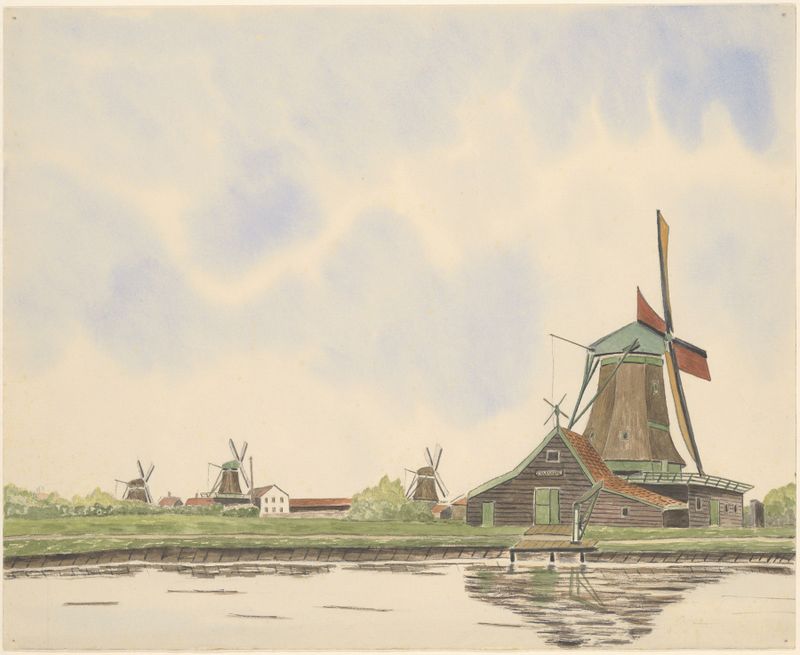
Oliemolen De Kerkuil aan de Zaan, met drie molens op de achtergrond. De Kerkuil stond binnendijks, tegenover de Wormerveerderkerk; afgebroken ca. 1892
Johannes Nicolaas Eijman
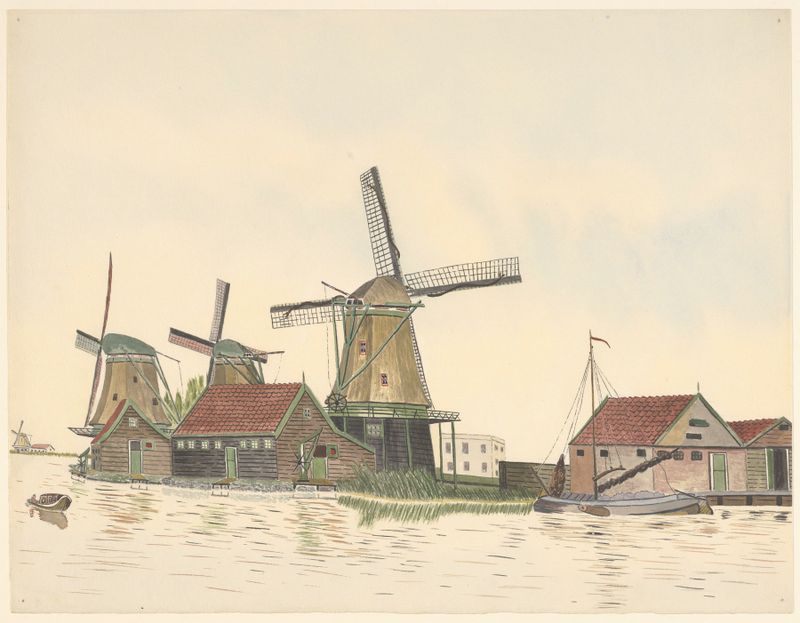
molens; De Ooievaar; De Windhond; De Gans, Kalverringdijk
Johannes Nicolaas Eijman
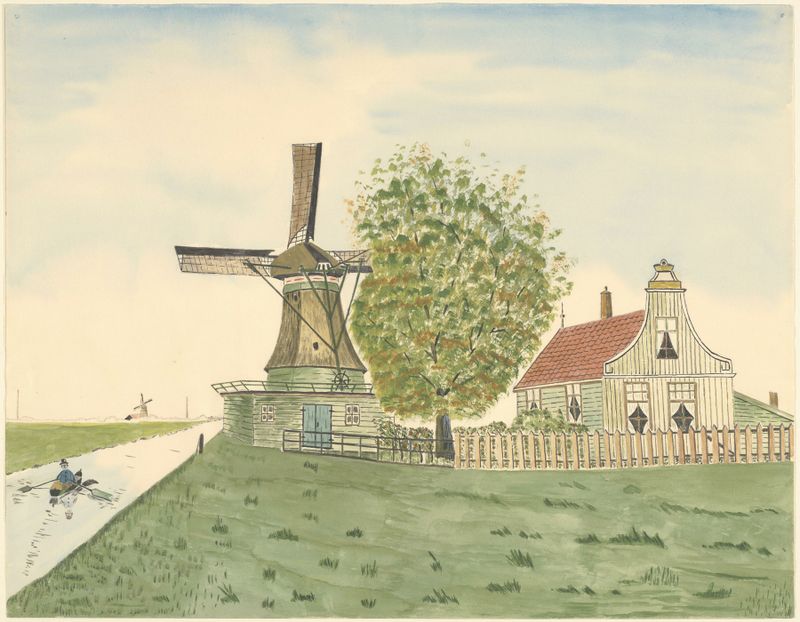
molens; houtzaagmolen De Haan
Johannes Nicolaas Eijman





