
molens; oliemolen De Kwak, Oostzijderveld — History & Facts
In the stillness of a moment, we find the essence of time captured on canvas. What stories linger in the shadows of a past era, obscured by the passing years yet beckoning us to listen? Look to the left of the composition, where the towering windmill stands resolute against a backdrop of soft, muted colors. The intricate details of its blades are meticulously rendered, catching the light in a way that breathes life into the scene.
Notice how the palette is washed in gentle earth tones, exuding a sense of nostalgia while inviting you to explore the subtleties of the landscape surrounding it. The carefully placed horizon line draws your eye upward, signaling the passage of time reflected in the sky's gradual transition from day to dusk. Beneath the surface, this work speaks of endurance and stillness amid change. The windmill, a steadfast sentinel, symbolizes the relentless march of time, while the quiet water below mirrors the introspection that time demands.
The contrasting elements of nature—the solid structure against the fluidity of water—create a powerful tension, illustrating both permanence and transience. As you engage with these details, the painting becomes a meditation on the nature of existence itself. Johannes Nicolaas Eijman painted this work between 1930 and 1940, a period marked by significant shifts in Europe. The world was grappling with the aftermath of the Great Depression and the looming clouds of war, yet Eijman found solace in the serene landscapes of his homeland.
In this moment, the artist seized the opportunity to reflect on the beauty of Dutch life, channeling his experiences into a vision that resonates with timelessness.
More Artworks by Johannes Nicolaas Eijman
Browse all →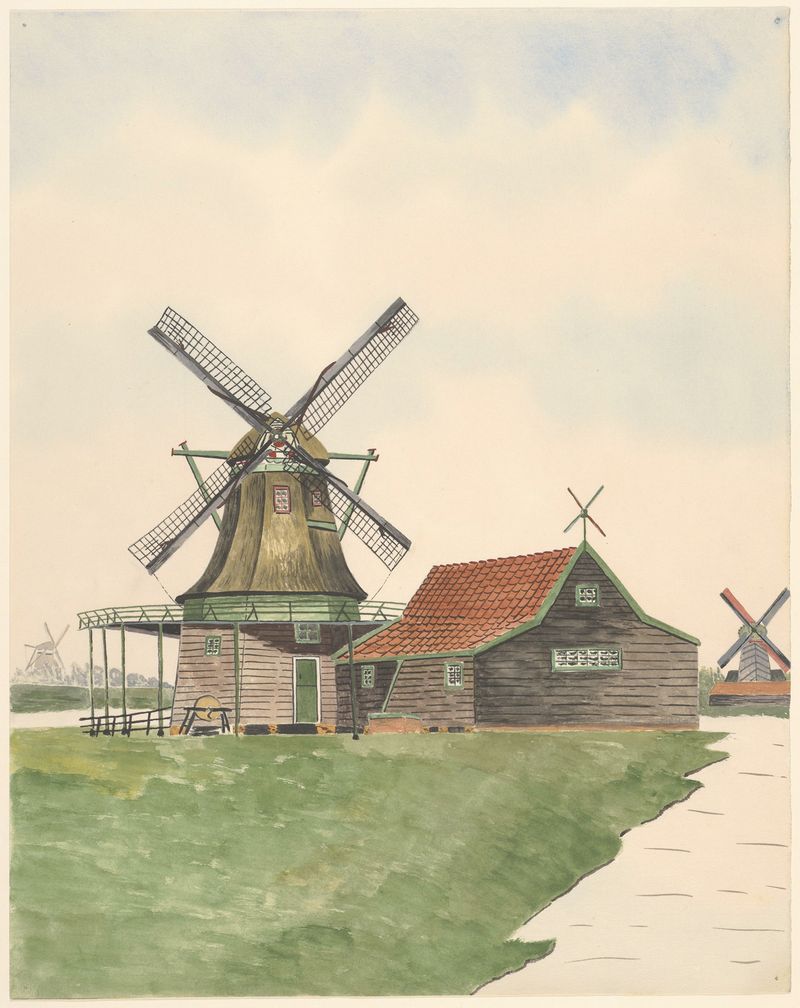
molens; oliemolen De Olievos, aan de Papenpadsloot, gesloopt 1878
Johannes Nicolaas Eijman
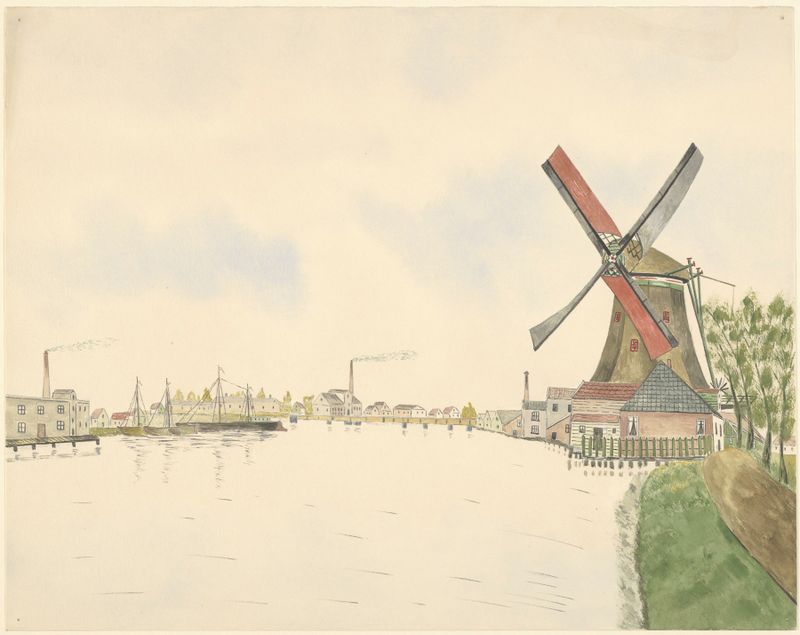
molens; meelmolen De Koker
Johannes Nicolaas Eijman

Papiermolen de Eendracht aan de westzijde van het Zaandammerpad, Wormer
Johannes Nicolaas Eijman
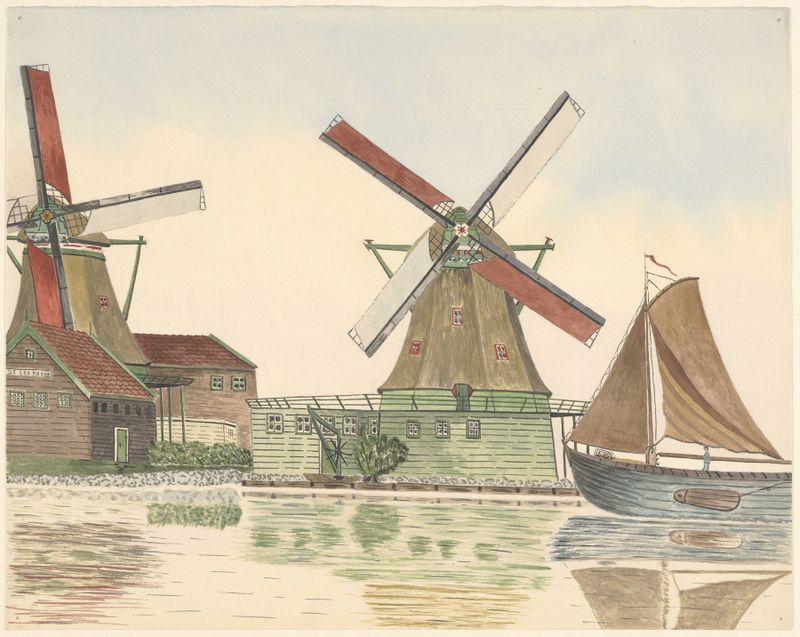
molens; oliemolen De Oude-Zwan, aan de Kalverpoel
Johannes Nicolaas Eijman
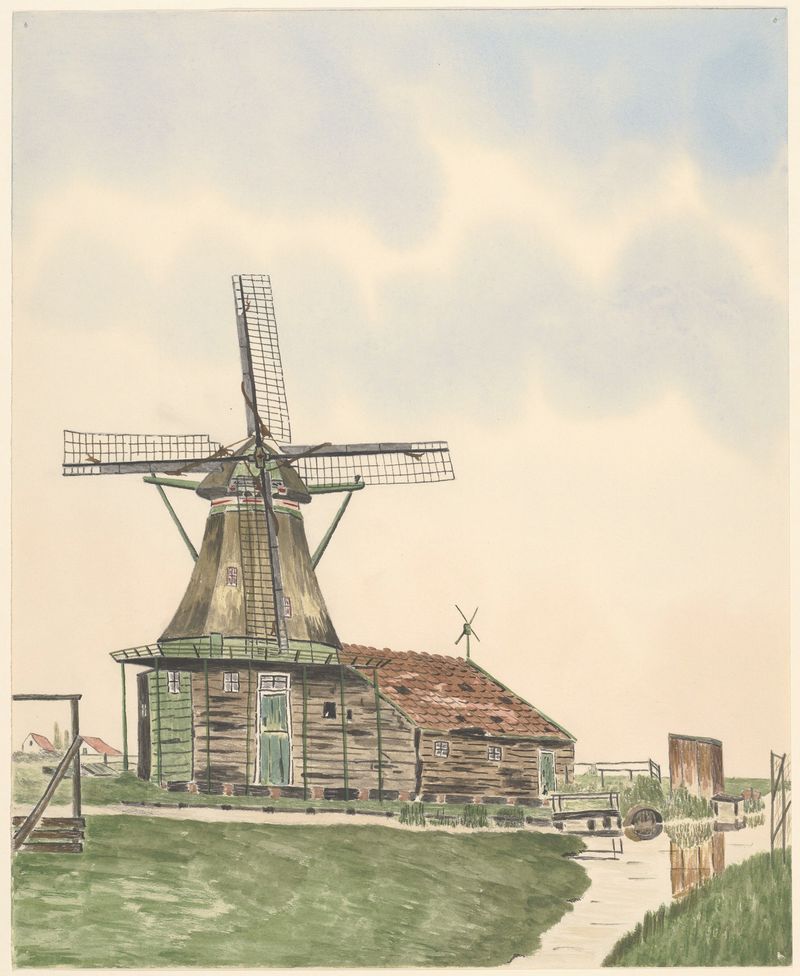
molens; oliemolen Het Oude-Honingvat, Oostzijderveld
Johannes Nicolaas Eijman
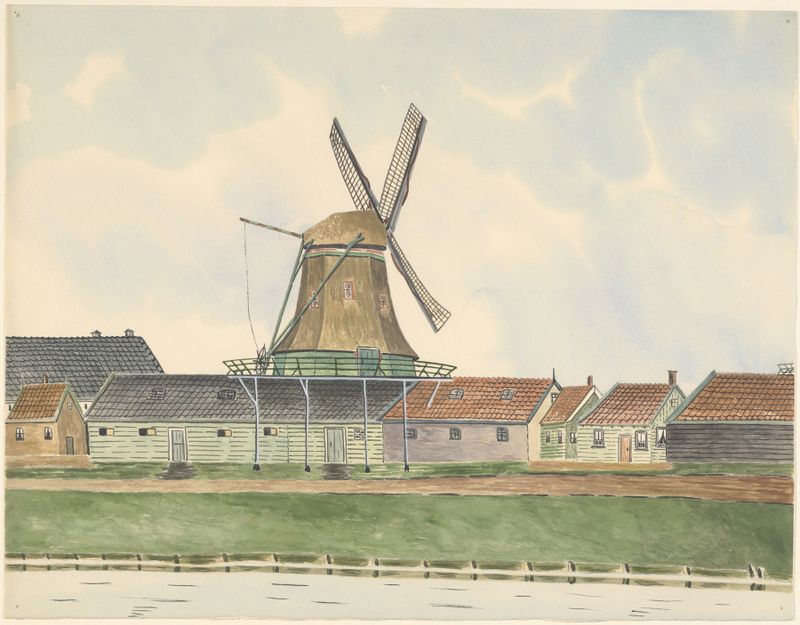
molen; oliemolen Het Witte-Paard aan het Zaandijkerwegje, 1893 gesloopt
Johannes Nicolaas Eijman

Op de voorgrond rechts doppenmolen De Prolpot aan de Hemmes, op de achtergrond links twee andere molens
Johannes Nicolaas Eijman
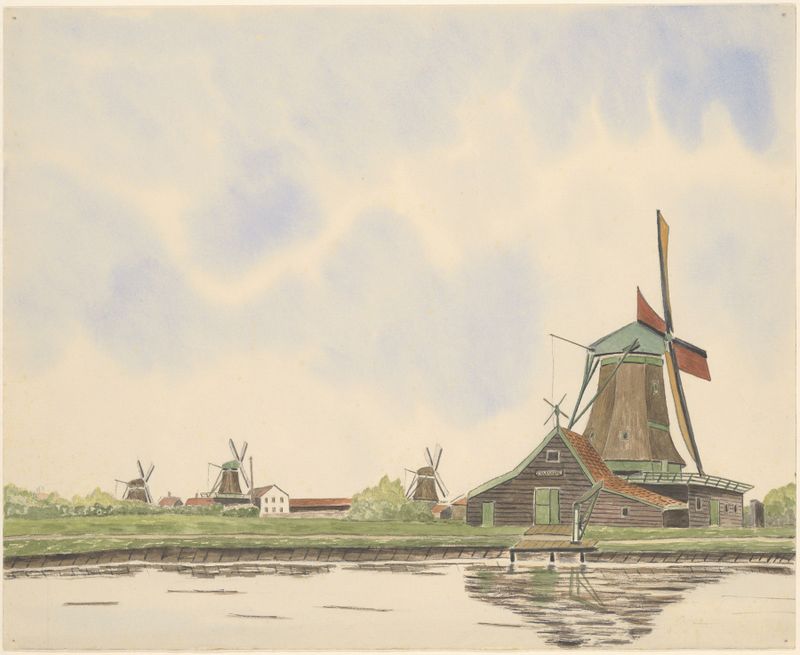
Oliemolen De Kerkuil aan de Zaan, met drie molens op de achtergrond. De Kerkuil stond binnendijks, tegenover de Wormerveerderkerk; afgebroken ca. 1892
Johannes Nicolaas Eijman
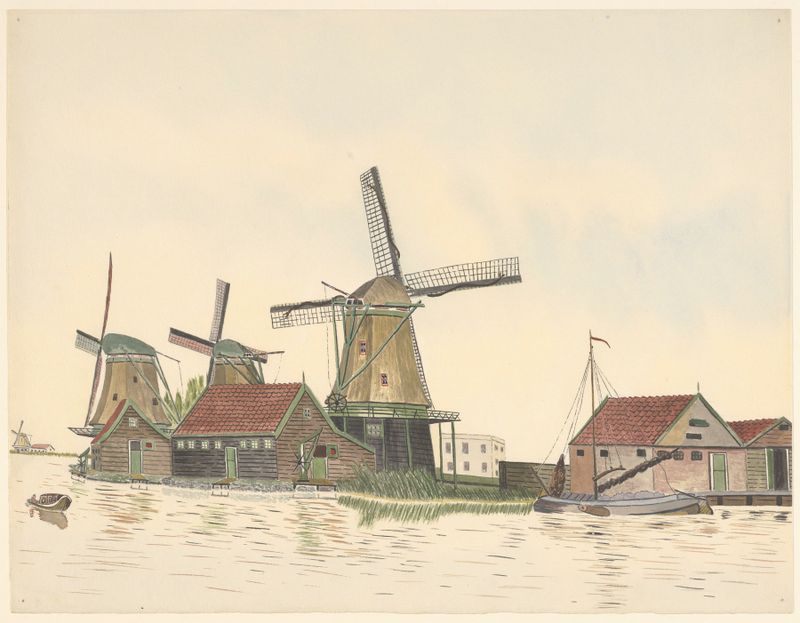
molens; De Ooievaar; De Windhond; De Gans, Kalverringdijk
Johannes Nicolaas Eijman
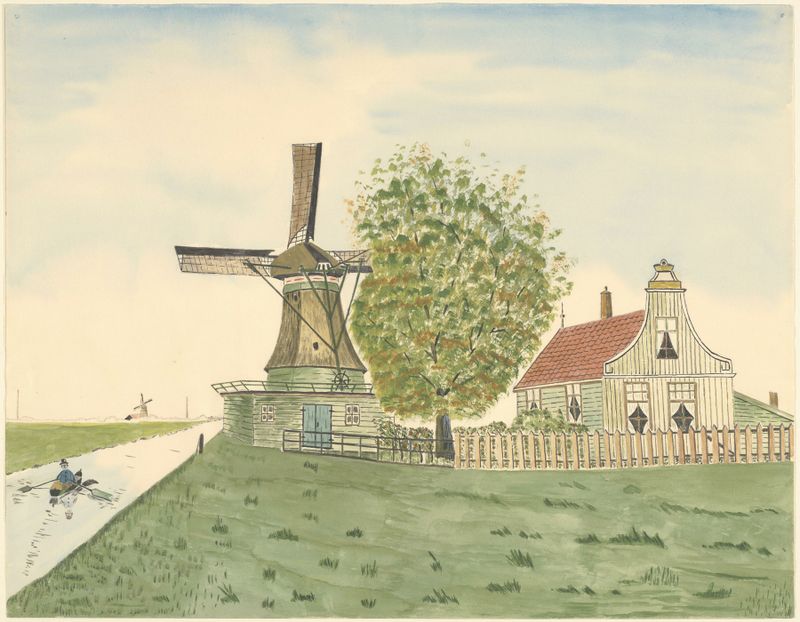
molens; houtzaagmolen De Haan
Johannes Nicolaas Eijman





