
molens; oliemolen De Roggebloem — History & Facts
Did the painter know this moment would outlive them? In the quiet whisper of a windmill standing tall against the shifting sky, time stretches and contracts, casting long shadows over the landscape of life. Look to the center of the composition, where the iconic windmill rises majestically, its sails poised for the gentle caress of the breeze. Notice how the artist employs a palette of muted earth tones, with the olive greens and browns harmonizing to evoke a sense of tranquility. The delicate interplay of light and shadow enhances the structure's presence, inviting you to explore the contrasting depths created by the afternoon sun, which filters through the blades, illuminating the textured surface of the mill while shrouding parts in mystery. The shadow, woven intricately into the scene, symbolizes both permanence and transience, suggesting the passage of time against the ageless backdrop of nature.
The winding path leading towards the mill creates a sense of journey, inviting viewers to reflect on their own narrative intertwined with this setting. The silhouette of the windmill also stands as a metaphor for labor and resilience, embodying the persistence of human endeavor amid the ever-changing rhythms of the world. Johannes Nicolaas Eijman painted this scene between 1930 and 1940, during a time when the romanticized image of the Dutch windmill was being preserved in the face of industrial modernization. Living in the Netherlands, where the tension between tradition and change was palpable, Eijman sought to capture the essence of a vanishing world, offering a timeless reflection both of his circumstances and the broader artistic movements that sought to celebrate the beauty of the familiar.
More Artworks by Johannes Nicolaas Eijman
Browse all →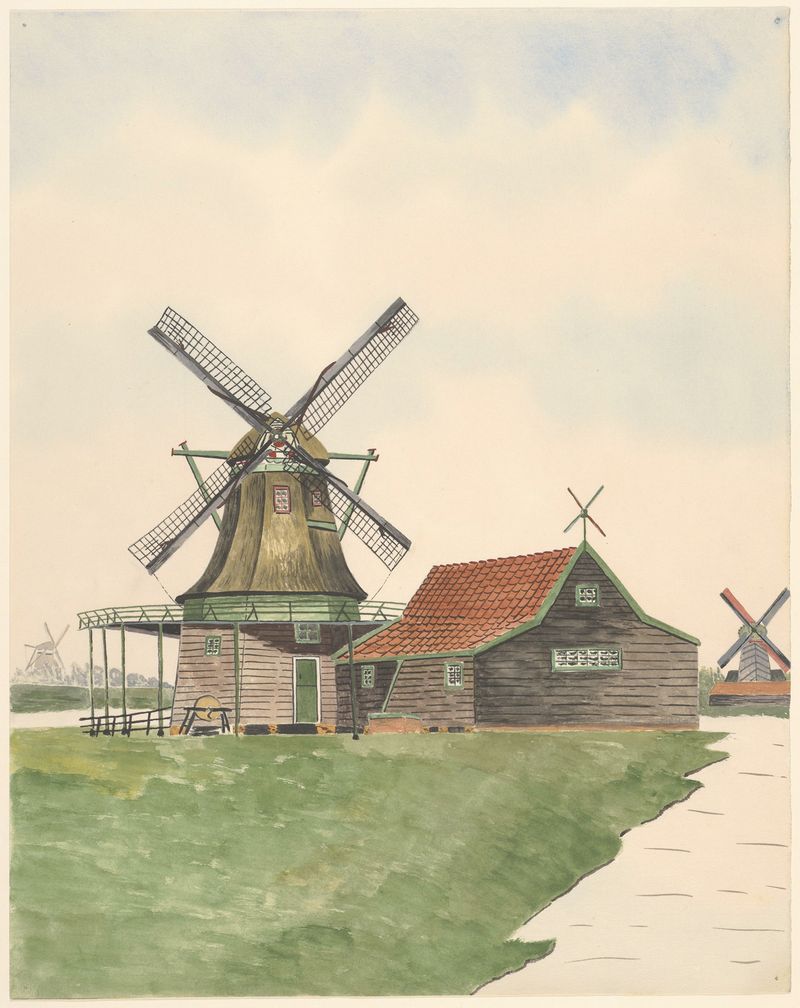
molens; oliemolen De Olievos, aan de Papenpadsloot, gesloopt 1878
Johannes Nicolaas Eijman
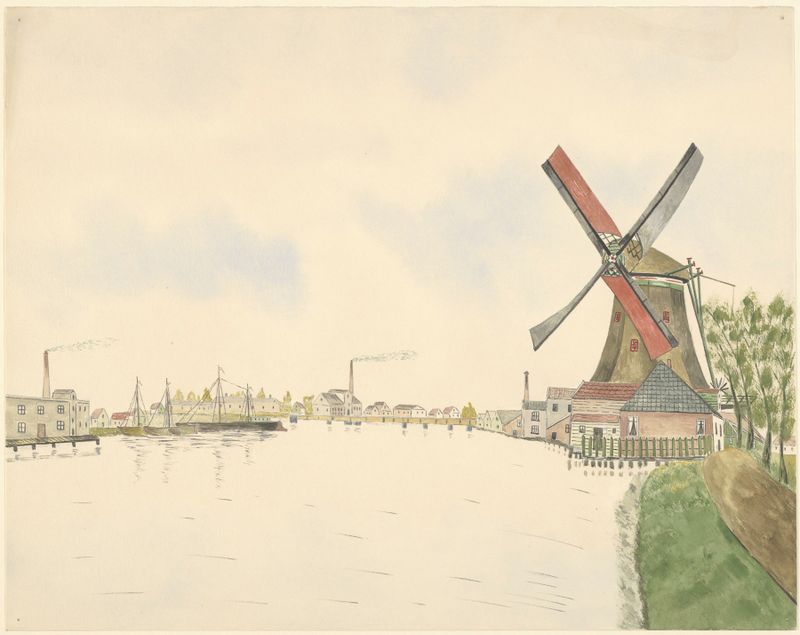
molens; meelmolen De Koker
Johannes Nicolaas Eijman

Papiermolen de Eendracht aan de westzijde van het Zaandammerpad, Wormer
Johannes Nicolaas Eijman
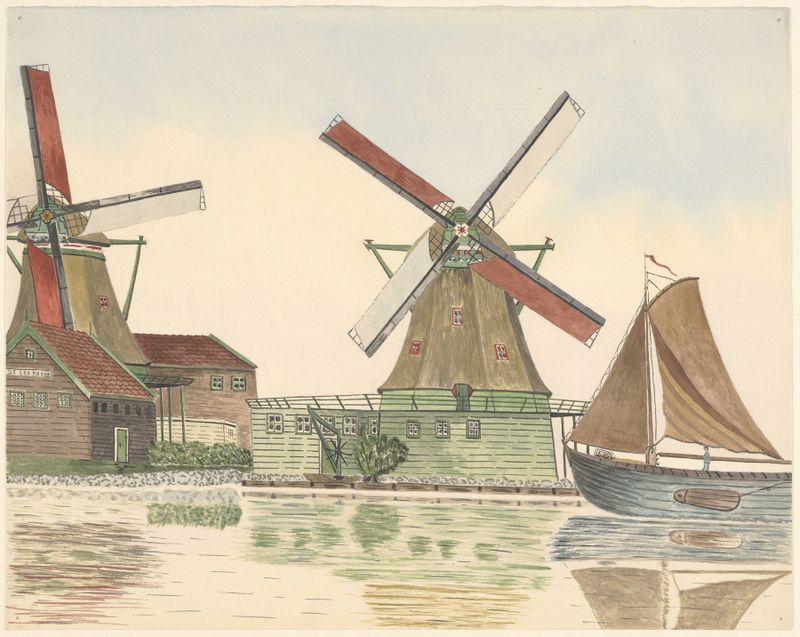
molens; oliemolen De Oude-Zwan, aan de Kalverpoel
Johannes Nicolaas Eijman
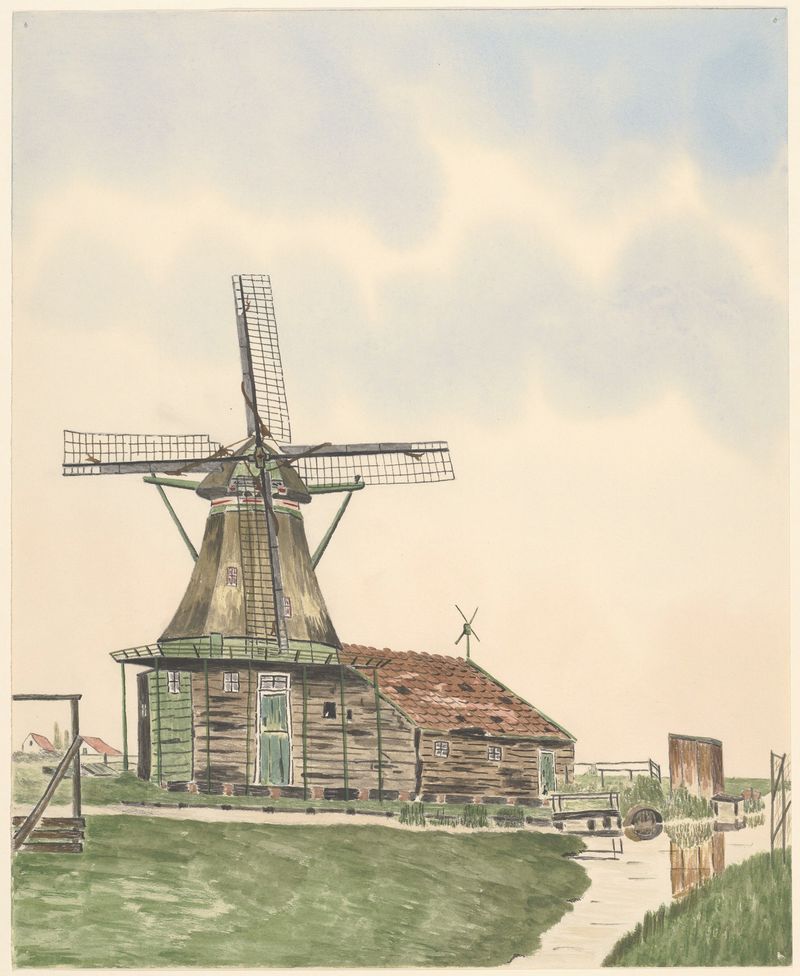
molens; oliemolen Het Oude-Honingvat, Oostzijderveld
Johannes Nicolaas Eijman
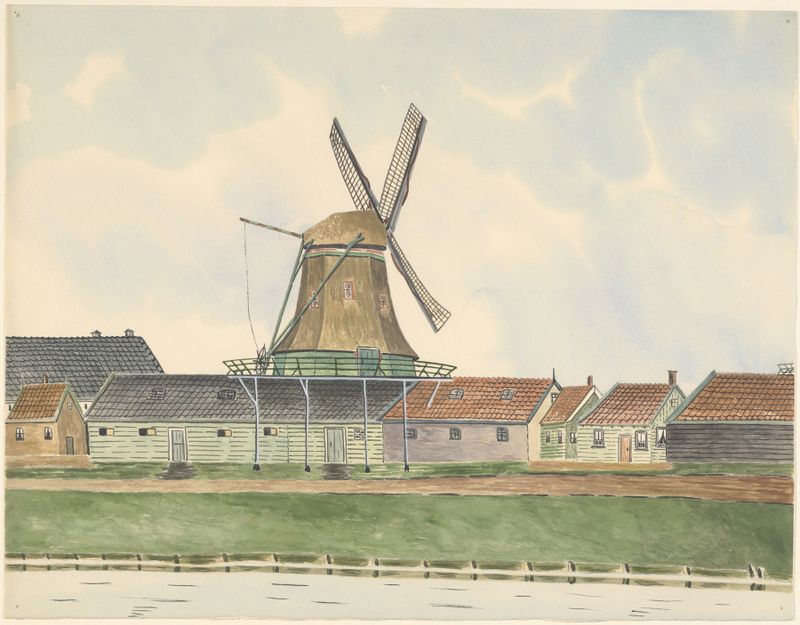
molen; oliemolen Het Witte-Paard aan het Zaandijkerwegje, 1893 gesloopt
Johannes Nicolaas Eijman

Op de voorgrond rechts doppenmolen De Prolpot aan de Hemmes, op de achtergrond links twee andere molens
Johannes Nicolaas Eijman
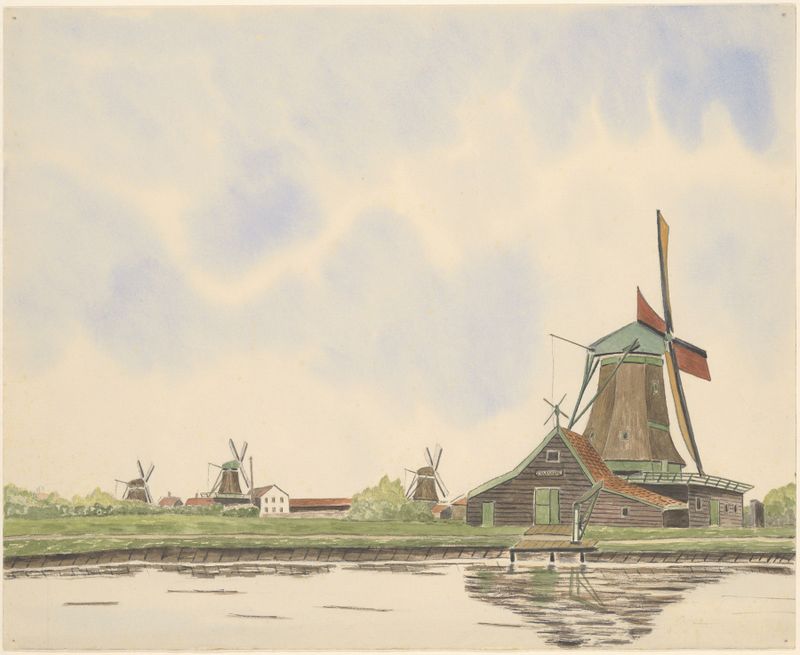
Oliemolen De Kerkuil aan de Zaan, met drie molens op de achtergrond. De Kerkuil stond binnendijks, tegenover de Wormerveerderkerk; afgebroken ca. 1892
Johannes Nicolaas Eijman
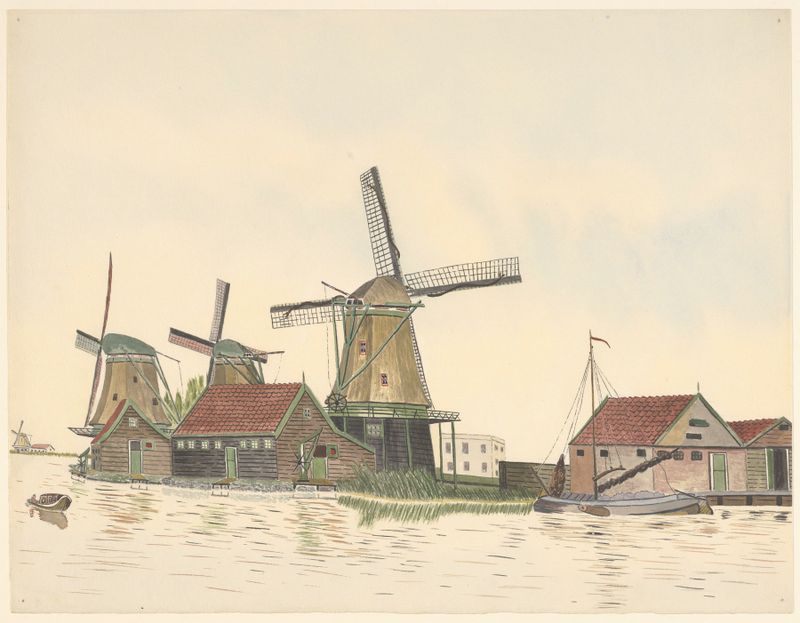
molens; De Ooievaar; De Windhond; De Gans, Kalverringdijk
Johannes Nicolaas Eijman
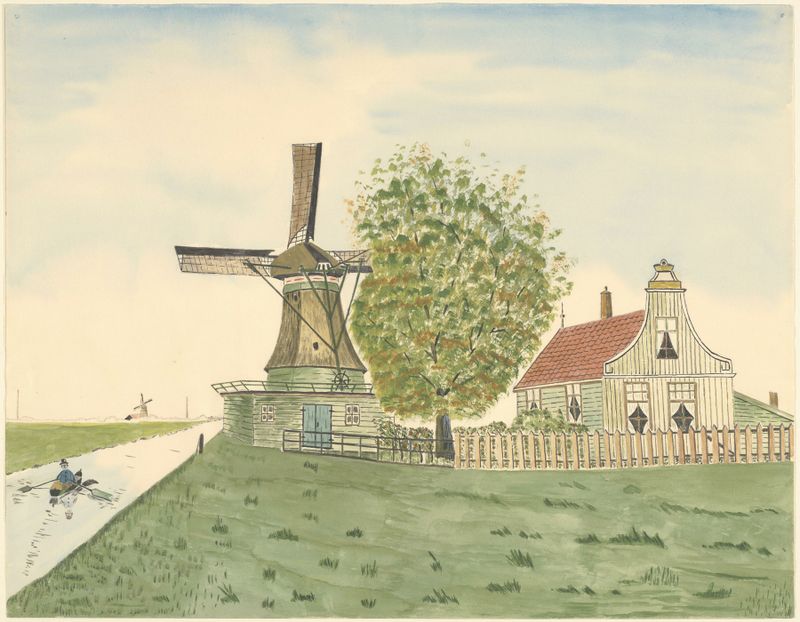
molens; houtzaagmolen De Haan
Johannes Nicolaas Eijman





