
molens; oliemolen De Strijd, ‘t Kalf — History & Facts
Can paint confess what words never could? In molens; oliemolen De Strijd, ‘t Kalf, movement is captured with a grace that transcends language, whispering secrets of the world around us. Look to the left at the towering oil mill, its blades slicing through the air like a dancer’s arms, inviting the viewer to feel the breezy energy of the scene. The artist employs a palette of soft greens and muted browns, allowing the motion to feel more pronounced against a tranquil sky. Notice how the light casts shadows that elongate and contract, echoing the rhythmic turning of the sails.
Each brushstroke seems to pulse with life, pulling us into a conversation with the landscape. Yet, amidst this vibrant kinetic dance, subtle contrasts emerge. The serenity of the water mirrors the chaotic motion of the mill, suggesting a tension between nature's calm and human intervention. The wind, unseen yet palpable, promises change, hinting at the story of progress intertwined with tradition.
This duality invites contemplation on the balance between development and preservation, a theme as relevant today as it was in the artist's time. Johannes Nicolaas Eijman created this work between 1930 and 1940, a period marked by heightened industrialization in the Netherlands. Living in a time when traditional ways of life were being challenged by modernity, he sought to document the coexistence of nature and industry. This painting reflects both the beauty and the upheaval of that era, capturing a moment in time that resonates with the ongoing dialogue between progress and heritage in art and life.
More Artworks by Johannes Nicolaas Eijman
Browse all →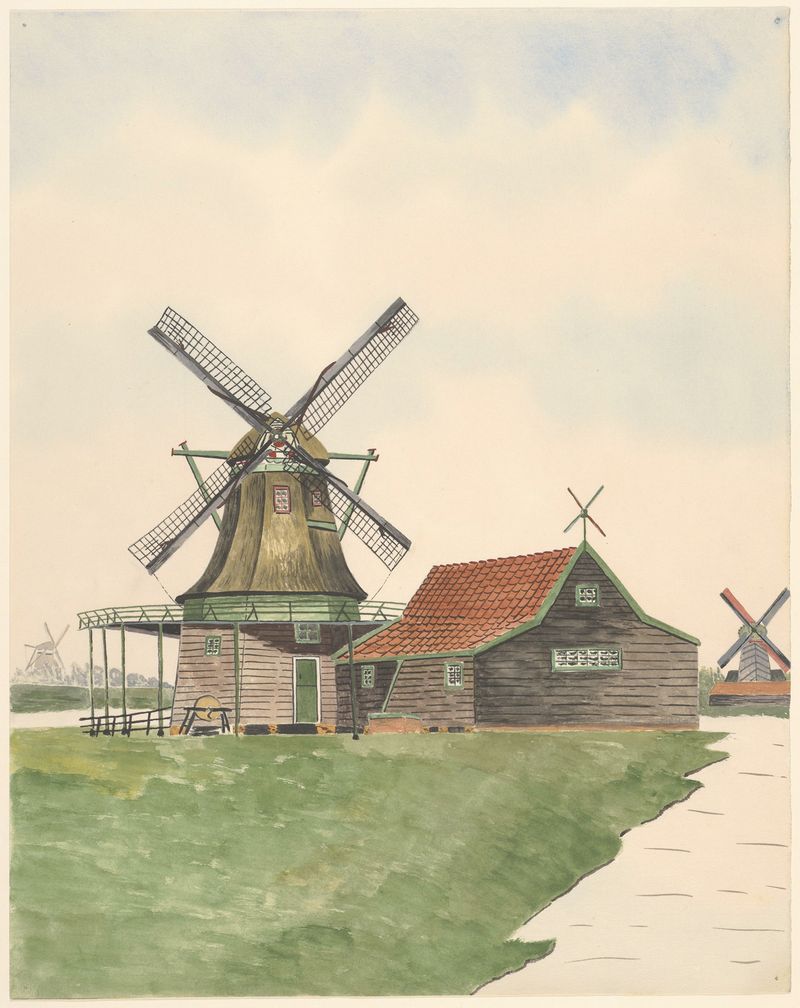
molens; oliemolen De Olievos, aan de Papenpadsloot, gesloopt 1878
Johannes Nicolaas Eijman
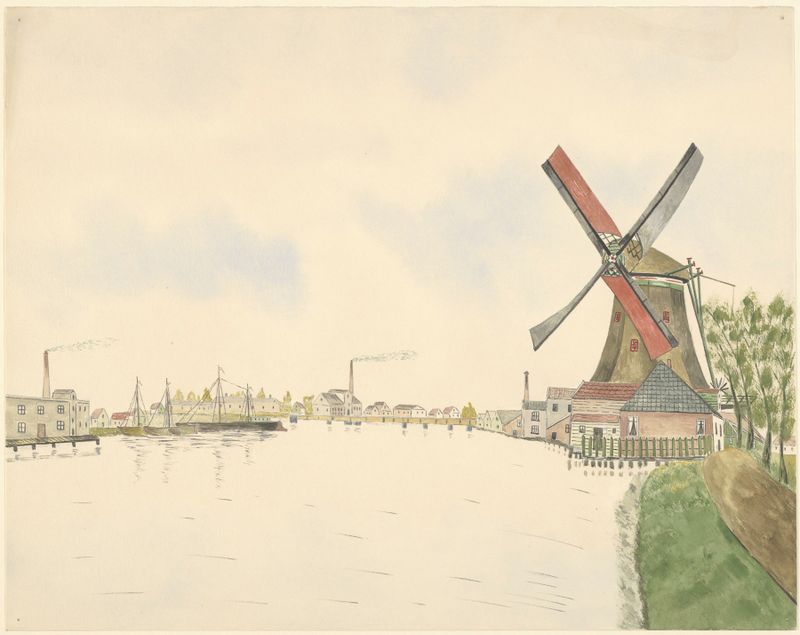
molens; meelmolen De Koker
Johannes Nicolaas Eijman

Papiermolen de Eendracht aan de westzijde van het Zaandammerpad, Wormer
Johannes Nicolaas Eijman
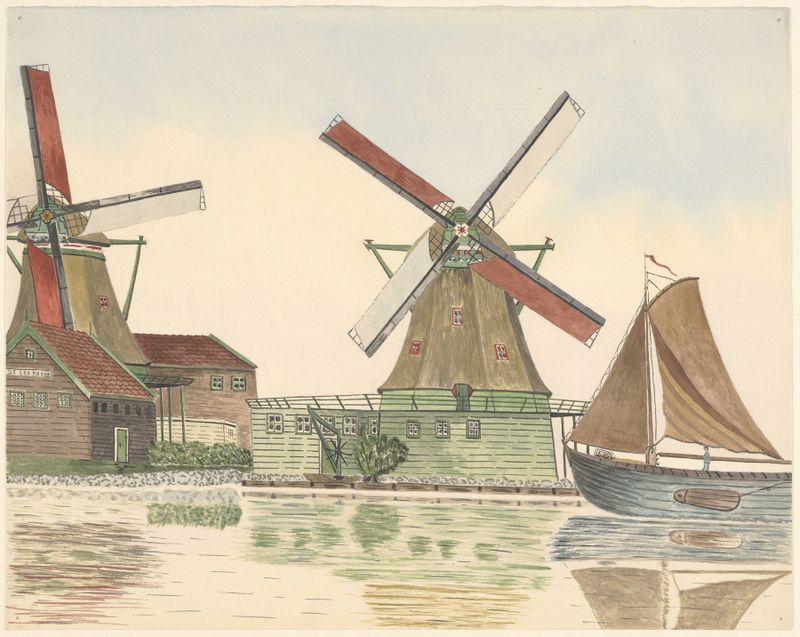
molens; oliemolen De Oude-Zwan, aan de Kalverpoel
Johannes Nicolaas Eijman
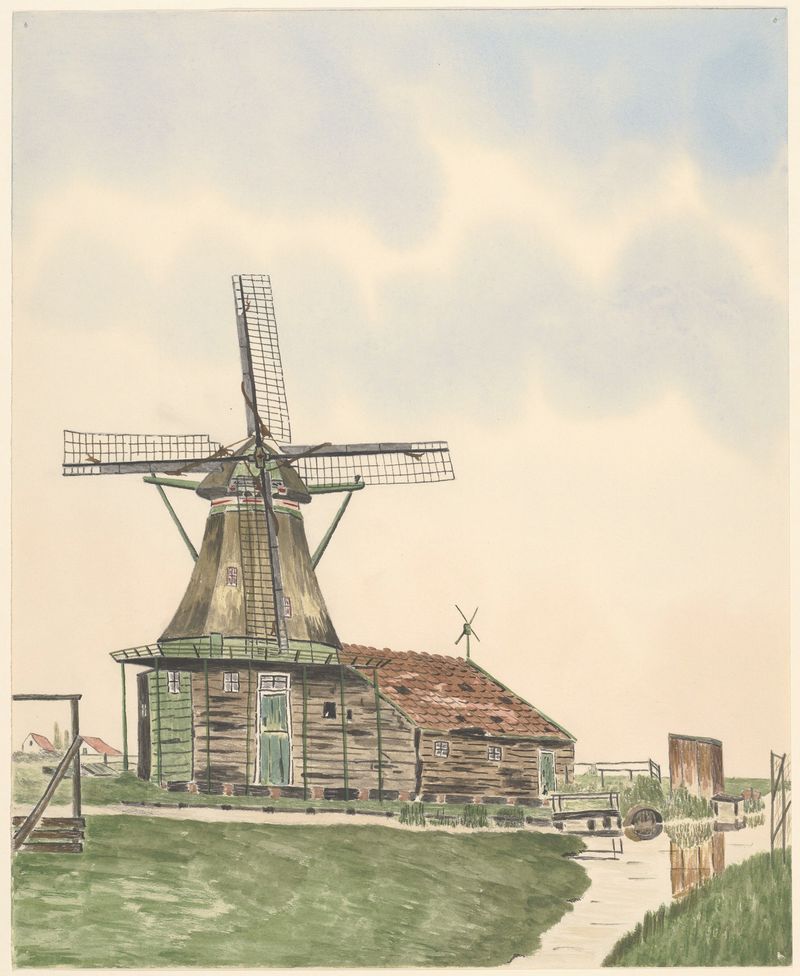
molens; oliemolen Het Oude-Honingvat, Oostzijderveld
Johannes Nicolaas Eijman
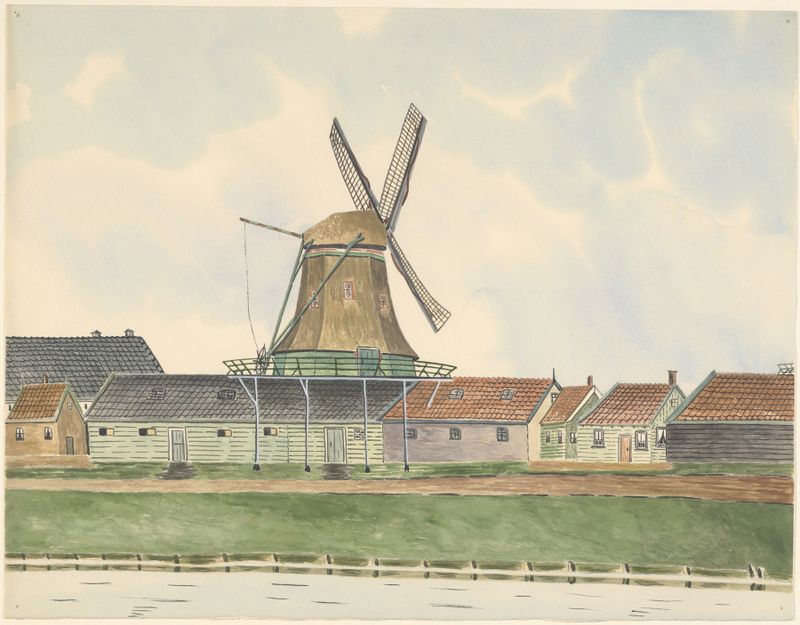
molen; oliemolen Het Witte-Paard aan het Zaandijkerwegje, 1893 gesloopt
Johannes Nicolaas Eijman

Op de voorgrond rechts doppenmolen De Prolpot aan de Hemmes, op de achtergrond links twee andere molens
Johannes Nicolaas Eijman
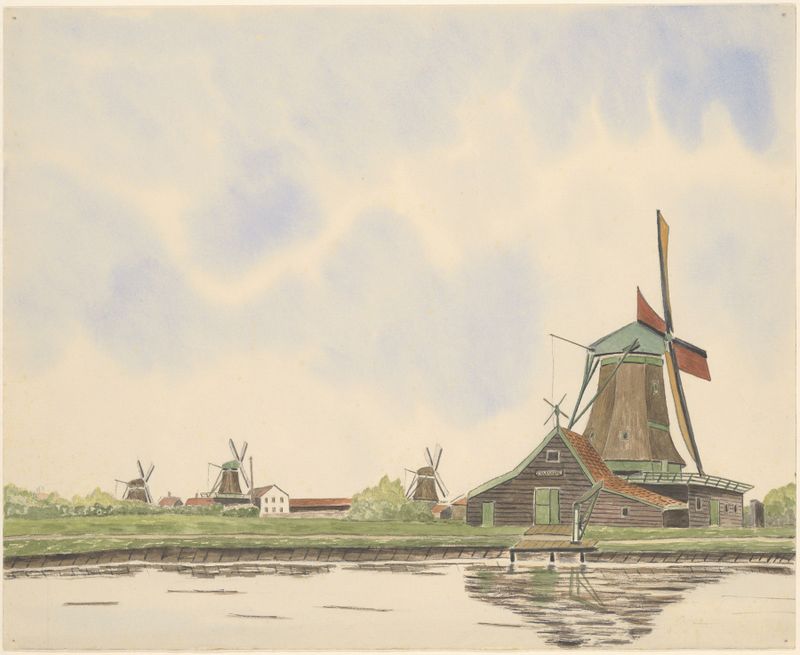
Oliemolen De Kerkuil aan de Zaan, met drie molens op de achtergrond. De Kerkuil stond binnendijks, tegenover de Wormerveerderkerk; afgebroken ca. 1892
Johannes Nicolaas Eijman
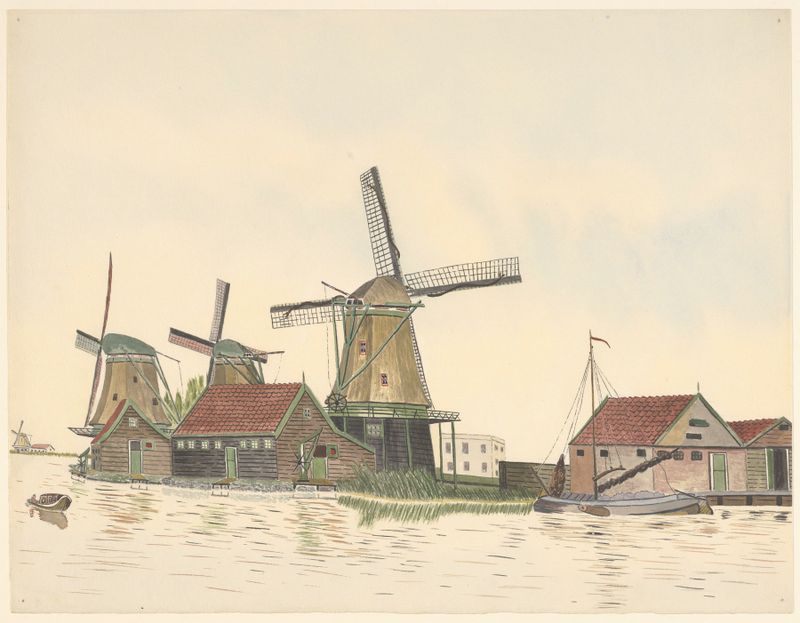
molens; De Ooievaar; De Windhond; De Gans, Kalverringdijk
Johannes Nicolaas Eijman
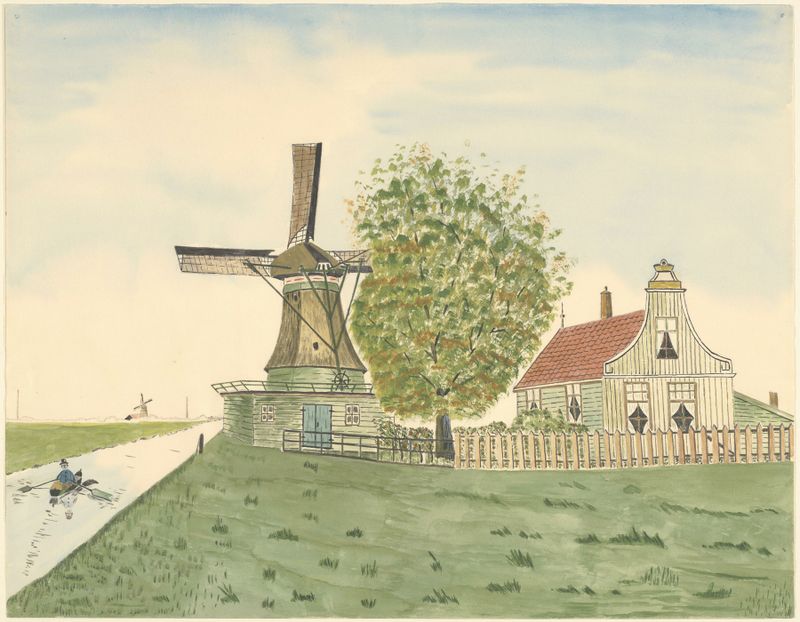
molens; houtzaagmolen De Haan
Johannes Nicolaas Eijman





