
molens; oliemolen De Vogelstruis — History & Facts
Could a single brushstroke hold eternity? In molens; oliemolen De Vogelstruis, the delicate interplay of light and shadow captures the essence of time suspended, inviting viewers to explore what lies beyond the surface. Look to the center, where the iconic windmill rises majestically against a gradient of azure sky, its blades poised in graceful motion. Notice how the artist employs soft, muted tones of ochre and green, creating a harmonious balance between the foreground and the expansive backdrop. Each stroke is intentional, weaving a tapestry of textures that allows the light to dance across the canvas, illuminating the essence of the Dutch landscape with a warm, golden glow. Beneath the surface, there are contrasting emotions at play: the serene beauty of the landscape juxtaposed with a lingering sense of nostalgia for a simpler, agrarian past.
The windmill, a symbol of industriousness, hints at the intersection of nature and human effort, evoking a moment in time when tranquility was paramount. The subtle variations in color reflect not just the changing weather but also the passage of life, urging the viewer to pause and reflect on the perpetual cycle of existence. Johannes Nicolaas Eijman created this piece between 1930 and 1940, during a period of significant change in the Netherlands. Amidst the backdrop of impending war and the modernization of rural life, Eijman sought to capture the timeless beauty of the countryside and the windmills that defined it, representing both a historical artifact and a poignant symbol of resilience.
More Artworks by Johannes Nicolaas Eijman
Browse all →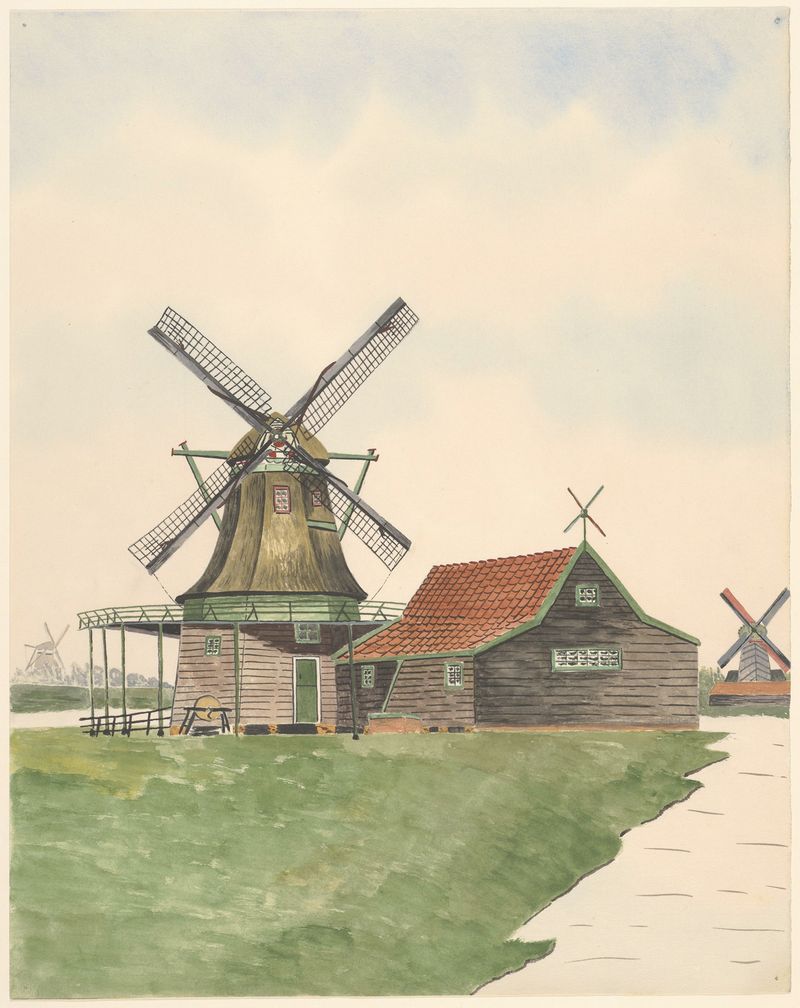
molens; oliemolen De Olievos, aan de Papenpadsloot, gesloopt 1878
Johannes Nicolaas Eijman
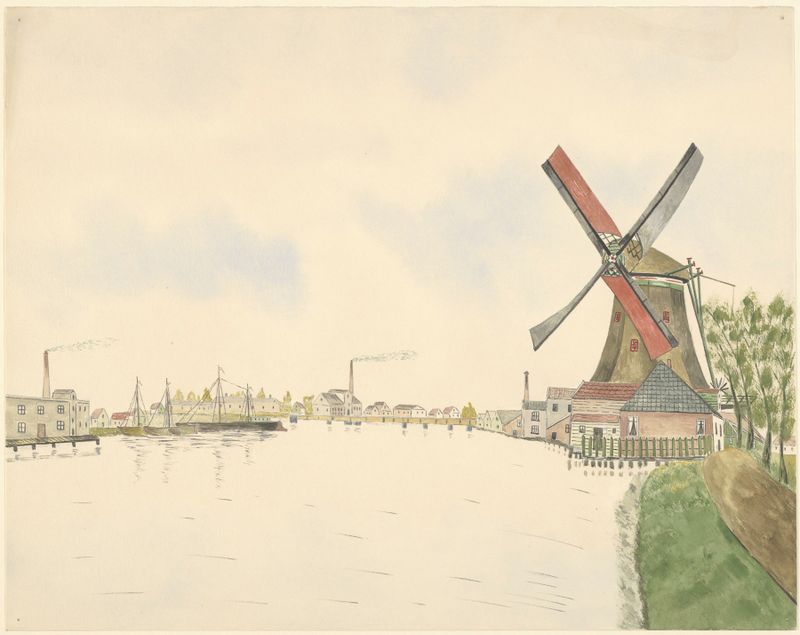
molens; meelmolen De Koker
Johannes Nicolaas Eijman

Papiermolen de Eendracht aan de westzijde van het Zaandammerpad, Wormer
Johannes Nicolaas Eijman
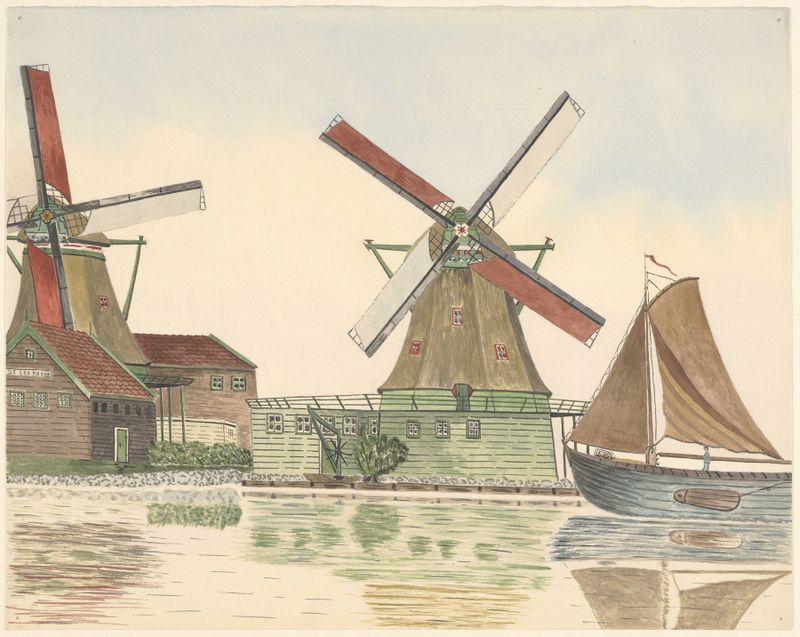
molens; oliemolen De Oude-Zwan, aan de Kalverpoel
Johannes Nicolaas Eijman
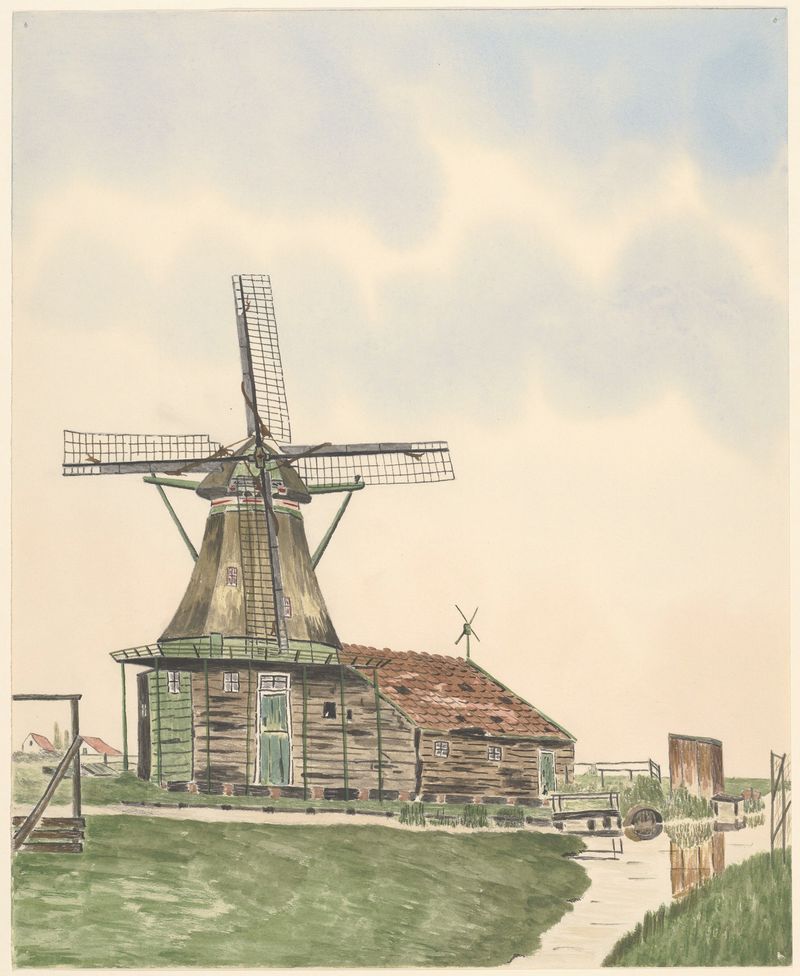
molens; oliemolen Het Oude-Honingvat, Oostzijderveld
Johannes Nicolaas Eijman
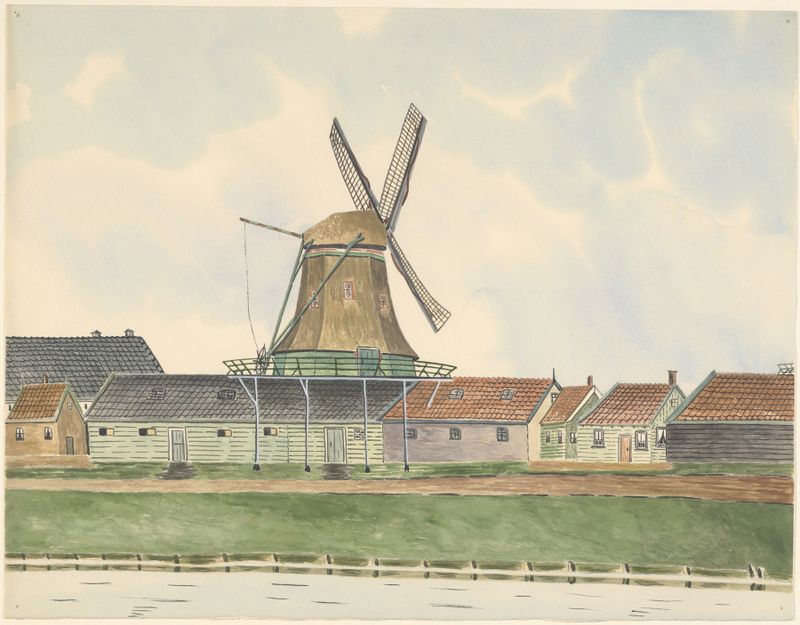
molen; oliemolen Het Witte-Paard aan het Zaandijkerwegje, 1893 gesloopt
Johannes Nicolaas Eijman

Op de voorgrond rechts doppenmolen De Prolpot aan de Hemmes, op de achtergrond links twee andere molens
Johannes Nicolaas Eijman
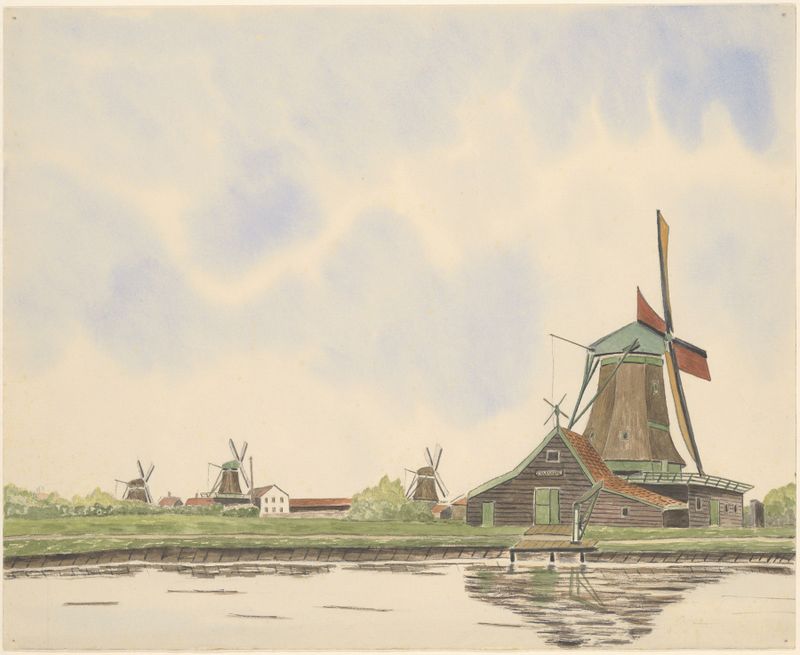
Oliemolen De Kerkuil aan de Zaan, met drie molens op de achtergrond. De Kerkuil stond binnendijks, tegenover de Wormerveerderkerk; afgebroken ca. 1892
Johannes Nicolaas Eijman
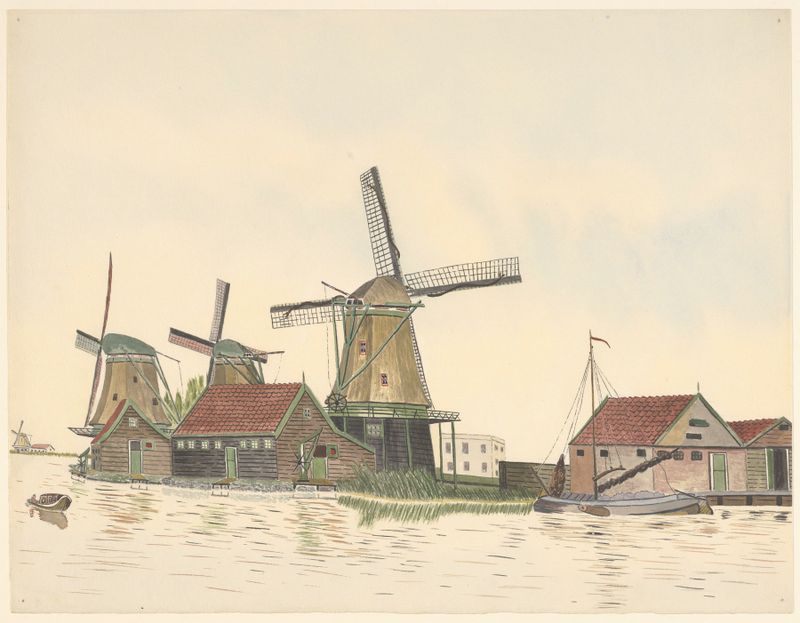
molens; De Ooievaar; De Windhond; De Gans, Kalverringdijk
Johannes Nicolaas Eijman
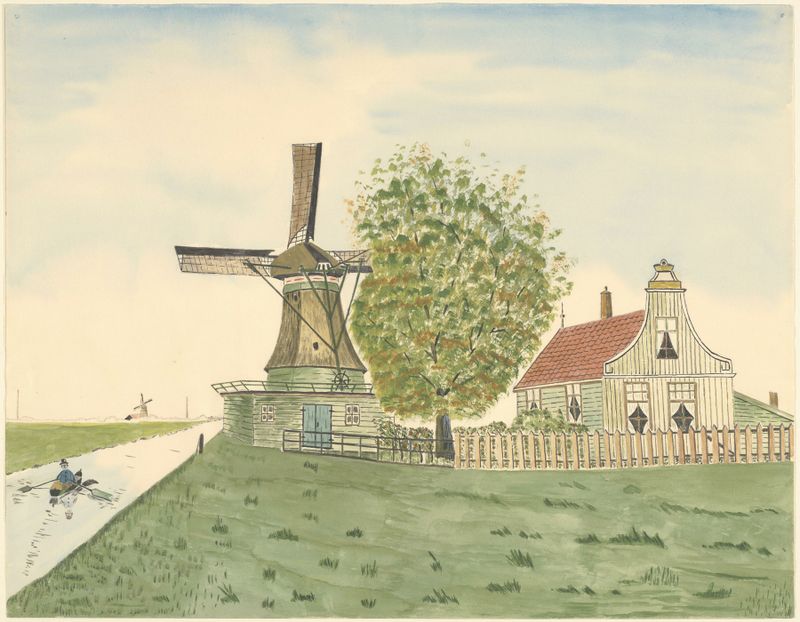
molens; houtzaagmolen De Haan
Johannes Nicolaas Eijman





