
molens; oliemolen Het Windei — History & Facts
When did color learn to lie? In the delicate interplay of light and shadow, a legacy unfolds before our eyes, whispering stories of the past and the truth of the present. Focus on the swirling hues of blue and green that envelop the scene, drawing you into the serene yet vibrant landscape. Notice how the windmill stands tall against the horizon, its sails poised in graceful readiness. The brushwork exhibits a confident fluidity, inviting a dance of texture that evokes the gentle motion of the wind, while the color palette breathes life into the canvas, revealing a harmony between nature and craftsmanship. Yet beneath this tranquil surface lies a complexity that speaks to a deeper narrative.
The juxtaposition of the robust windmill and the soft, undulating fields suggests a tension between human ingenuity and the untamed forces of nature. Each stroke captures moments of stillness and respite, but the vibrant colors hint at a world alive with unspoken stories — a reminder of the generational legacy encapsulated in this landscape. Created between 1930 and 1940, this work emerged during a time when the artist was deeply influenced by the Dutch landscape and its historical significance. Eijman was navigating a world confronting rapid change, both technologically and artistically.
His commitment to portraying the rural Dutch heritage reflects a yearning to preserve the past, demonstrating the profound connection between history and the present within the realm of art.
More Artworks by Johannes Nicolaas Eijman
Browse all →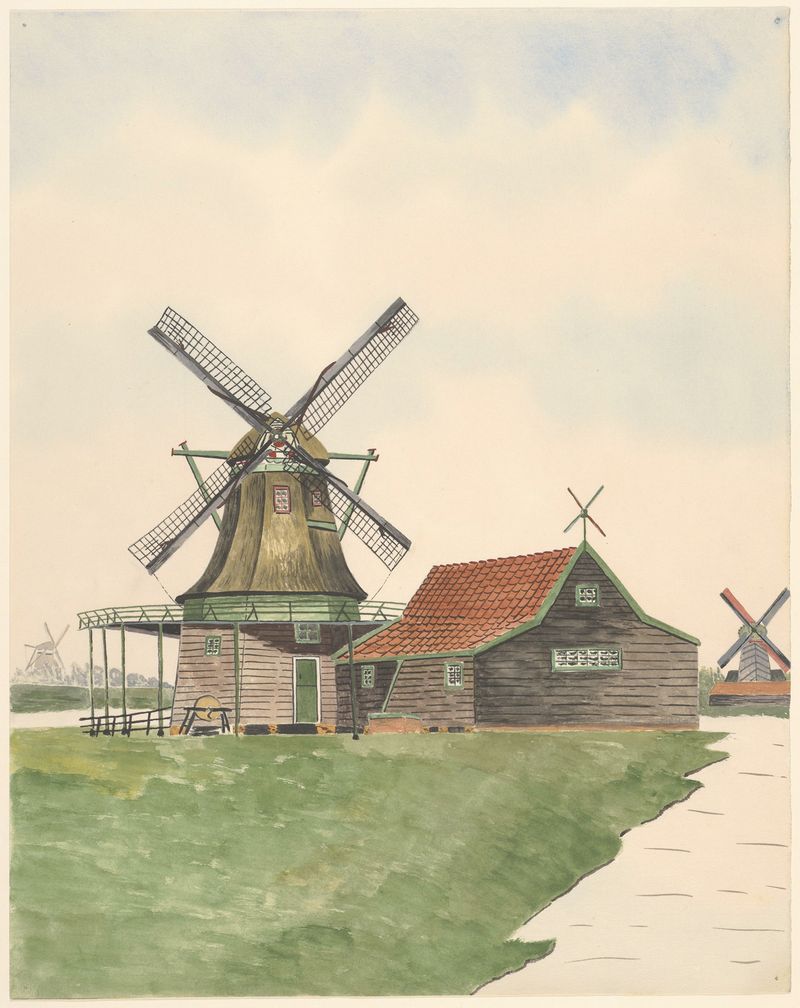
molens; oliemolen De Olievos, aan de Papenpadsloot, gesloopt 1878
Johannes Nicolaas Eijman
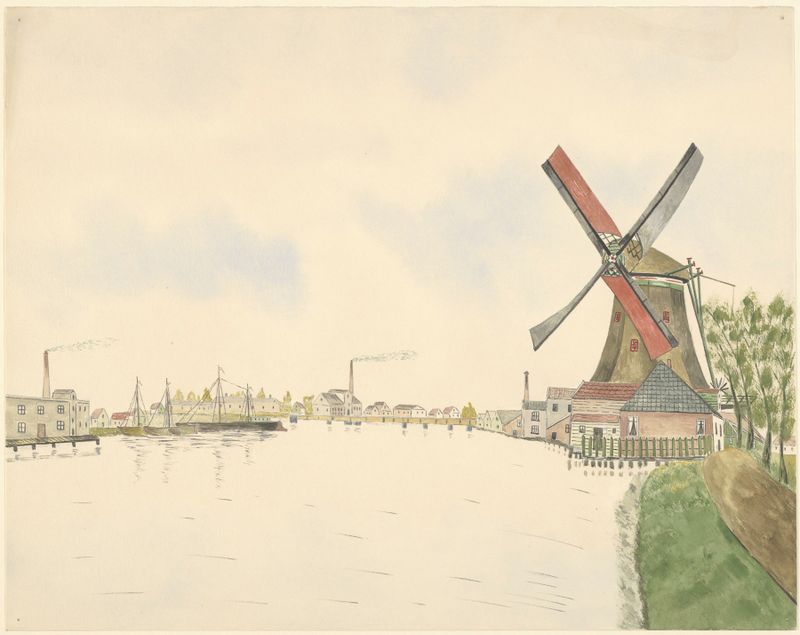
molens; meelmolen De Koker
Johannes Nicolaas Eijman

Papiermolen de Eendracht aan de westzijde van het Zaandammerpad, Wormer
Johannes Nicolaas Eijman
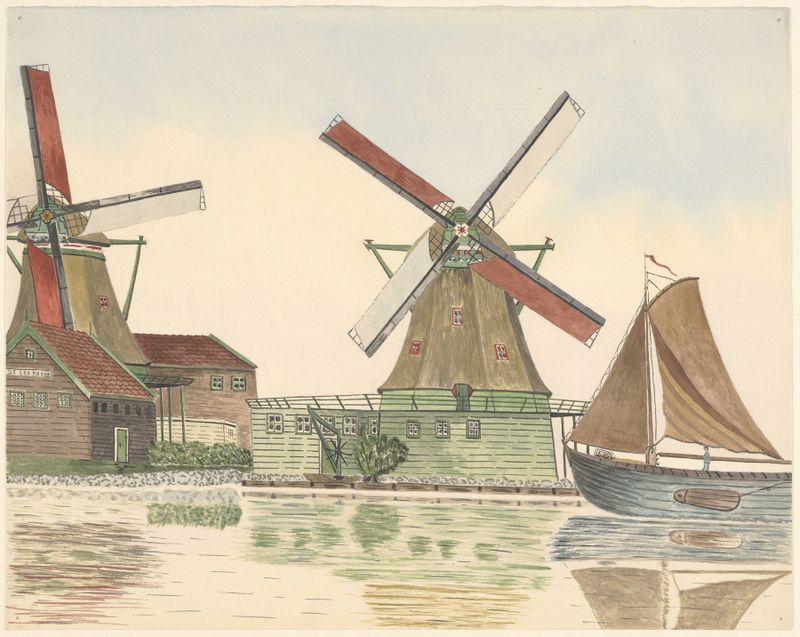
molens; oliemolen De Oude-Zwan, aan de Kalverpoel
Johannes Nicolaas Eijman
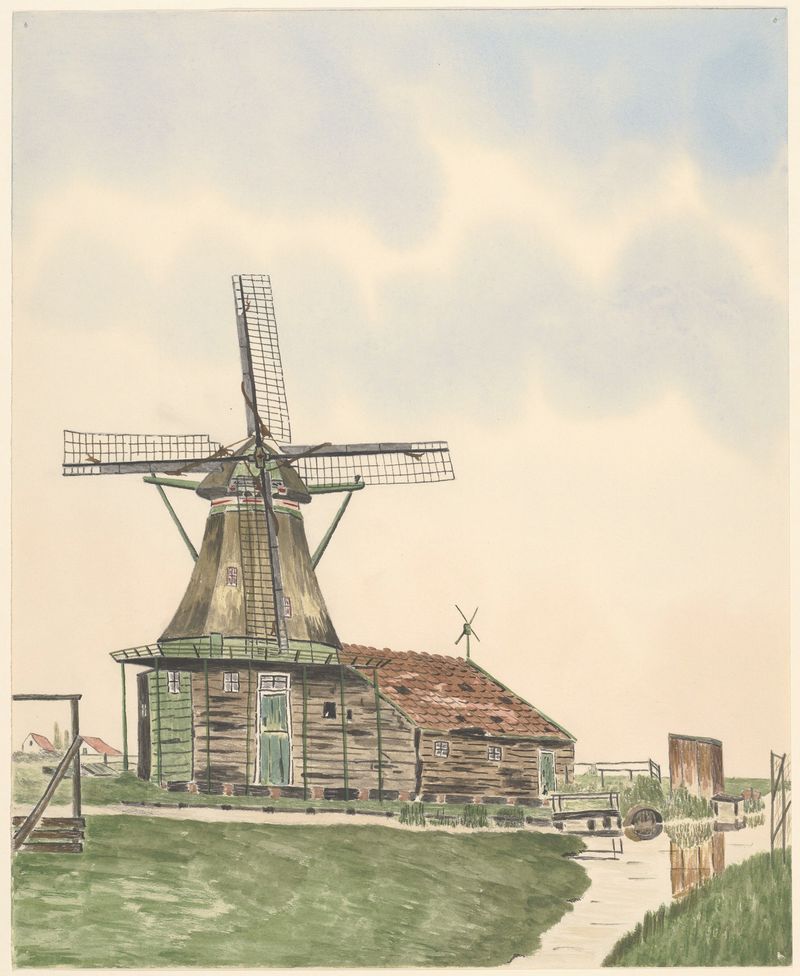
molens; oliemolen Het Oude-Honingvat, Oostzijderveld
Johannes Nicolaas Eijman
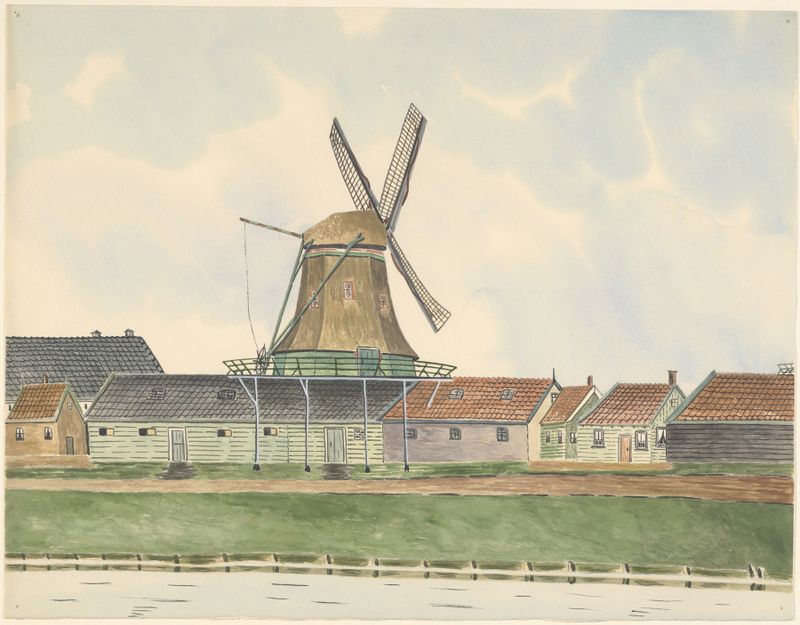
molen; oliemolen Het Witte-Paard aan het Zaandijkerwegje, 1893 gesloopt
Johannes Nicolaas Eijman

Op de voorgrond rechts doppenmolen De Prolpot aan de Hemmes, op de achtergrond links twee andere molens
Johannes Nicolaas Eijman
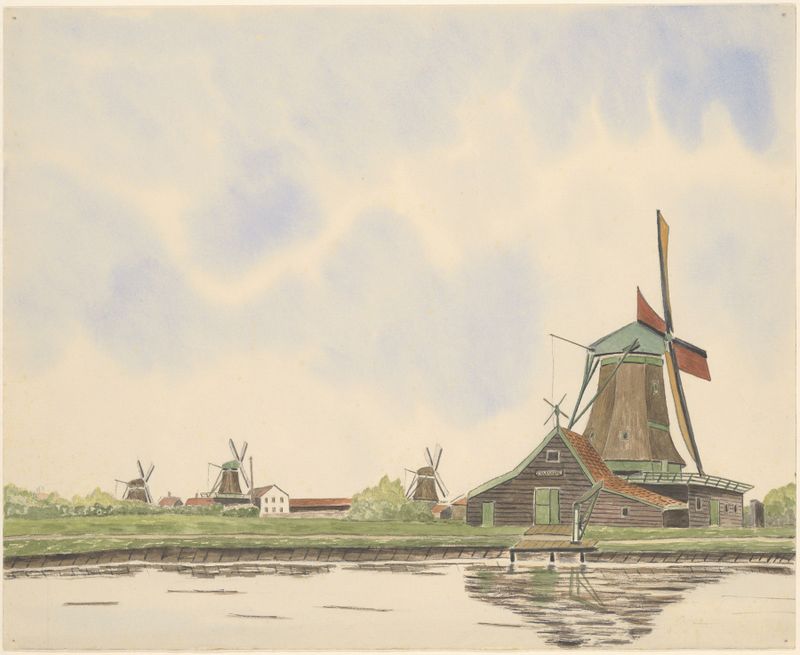
Oliemolen De Kerkuil aan de Zaan, met drie molens op de achtergrond. De Kerkuil stond binnendijks, tegenover de Wormerveerderkerk; afgebroken ca. 1892
Johannes Nicolaas Eijman
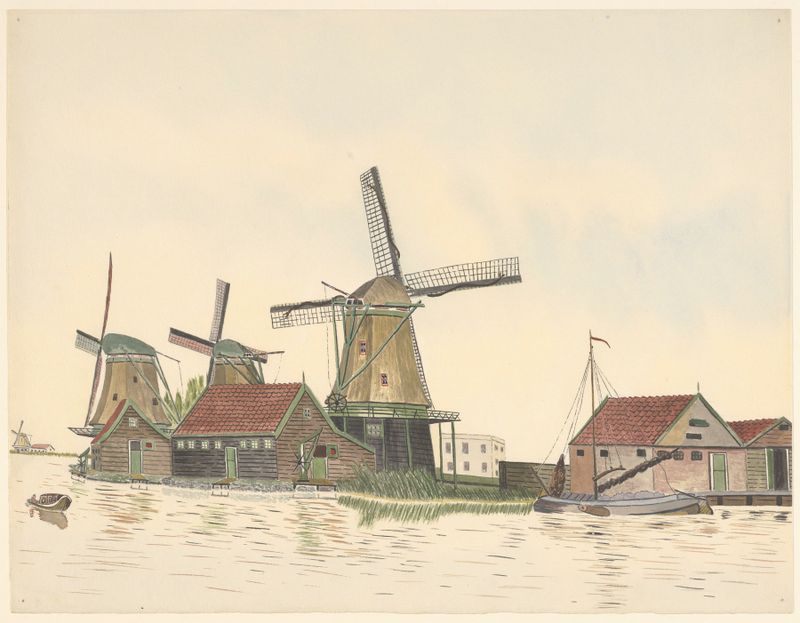
molens; De Ooievaar; De Windhond; De Gans, Kalverringdijk
Johannes Nicolaas Eijman
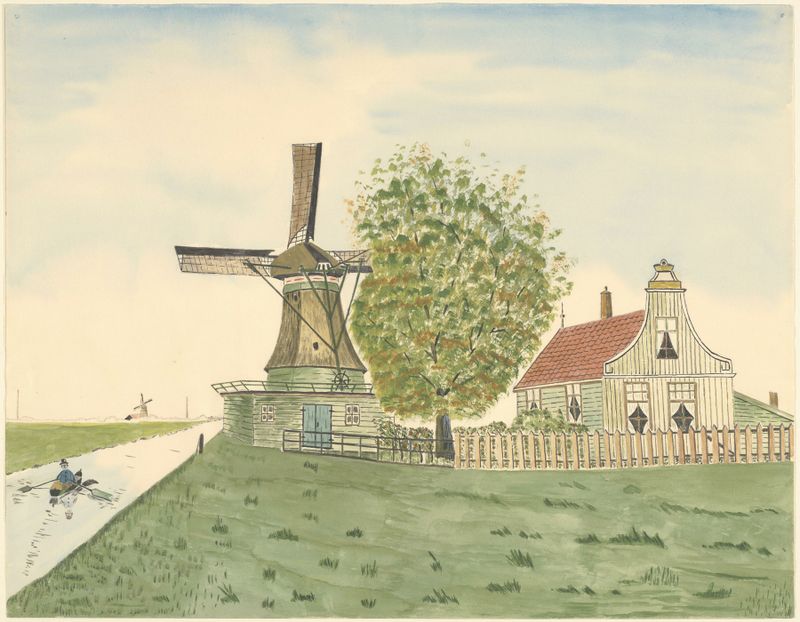
molens; houtzaagmolen De Haan
Johannes Nicolaas Eijman





