
molens; pelmolen De Groene-Boer — History & Facts
In the stillness of a moment, art becomes a vessel for our deepest yearnings, capturing the essence of what was and what could have been. Look to the center of the piece, where the iconic windmill stands tall against a backdrop of rolling clouds, its sails stretching wide like arms reaching for the horizon. The muted greens and blues merge seamlessly, evoking a sense of tranquility, while splashes of vibrant color punctuate the scene, guiding the viewer's gaze toward the life surrounding the mill. Notice how the light, soft yet resolute, dances on the water’s surface, casting shimmering reflections that speak of both peace and a restless longing. Delve deeper into the artistry, and you’ll uncover a tension between the steadfast windmill and the ephemeral clouds that swirl above.
This juxtaposition not only symbolizes the struggle between the enduring and the fleeting but also reflects a nostalgia for simpler times, when life revolved around the rhythms of nature. The gentle curves and soft lines create a sense of movement, suggesting that even in stillness, there is an undercurrent of yearning for a connection to the land and its history. During the late 1930s, Johannes Nicolaas Eijman created this evocative piece amidst the backdrop of a world on the brink of change. Living in the Netherlands, he was influenced by the artistic movements of the time, embracing both modernity and tradition.
As he painted, the rural landscapes were slowly giving way to urban encroachment, making these captured moments of pastoral beauty all the more poignant and precious.
More Artworks by Johannes Nicolaas Eijman
Browse all →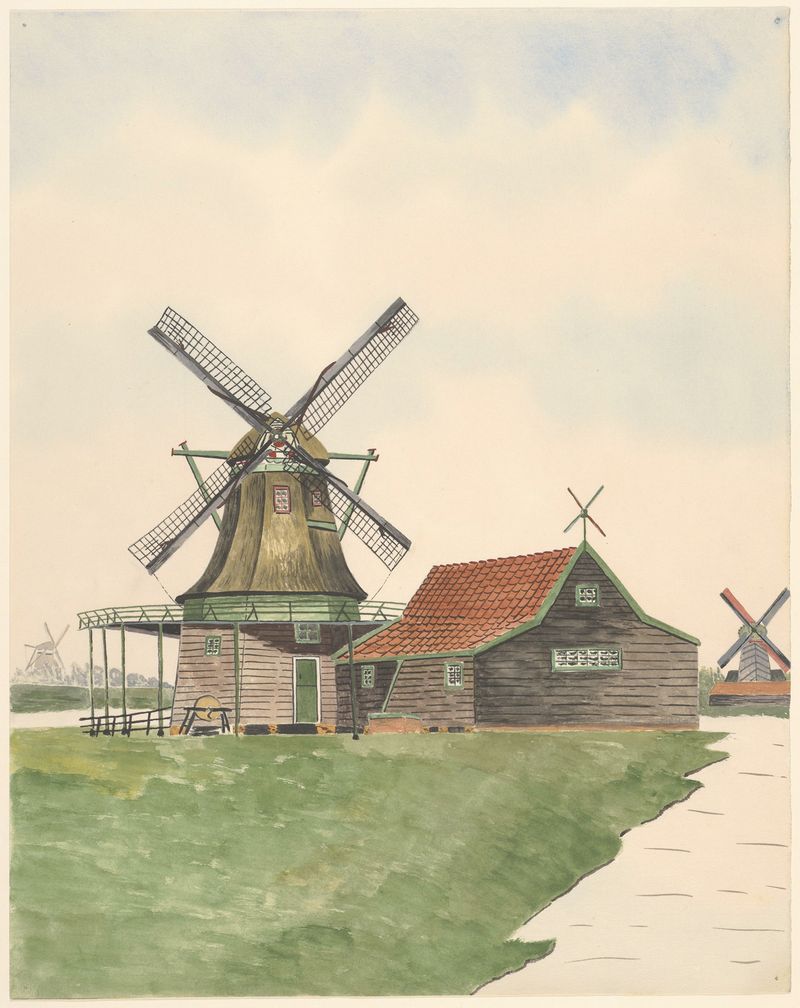
molens; oliemolen De Olievos, aan de Papenpadsloot, gesloopt 1878
Johannes Nicolaas Eijman
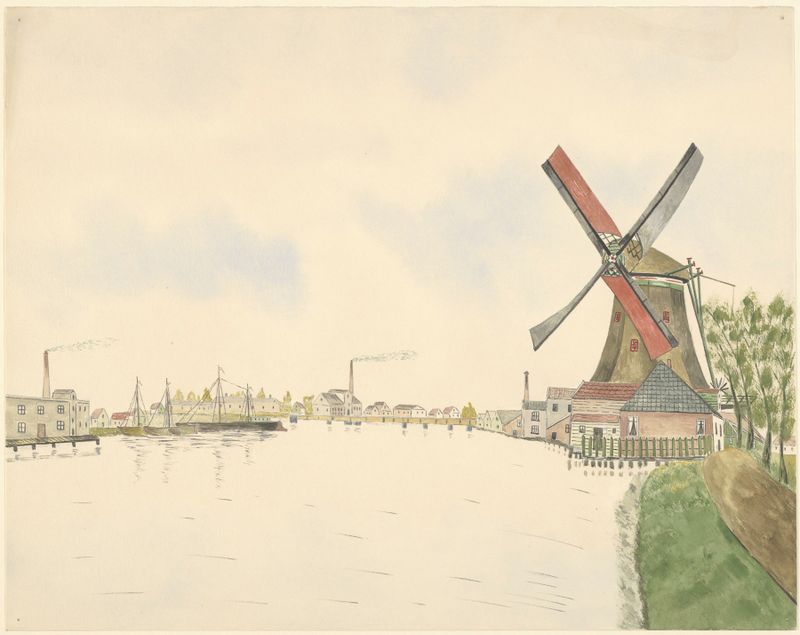
molens; meelmolen De Koker
Johannes Nicolaas Eijman

Papiermolen de Eendracht aan de westzijde van het Zaandammerpad, Wormer
Johannes Nicolaas Eijman
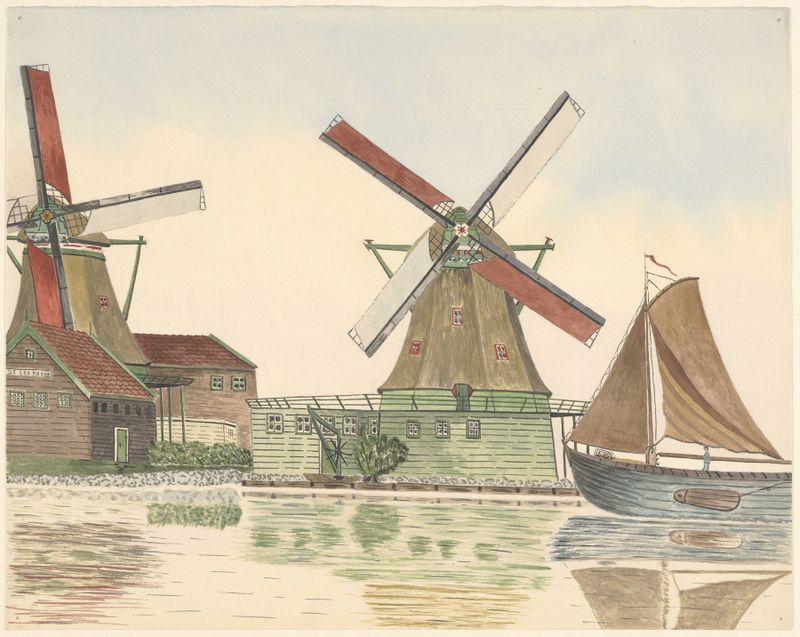
molens; oliemolen De Oude-Zwan, aan de Kalverpoel
Johannes Nicolaas Eijman
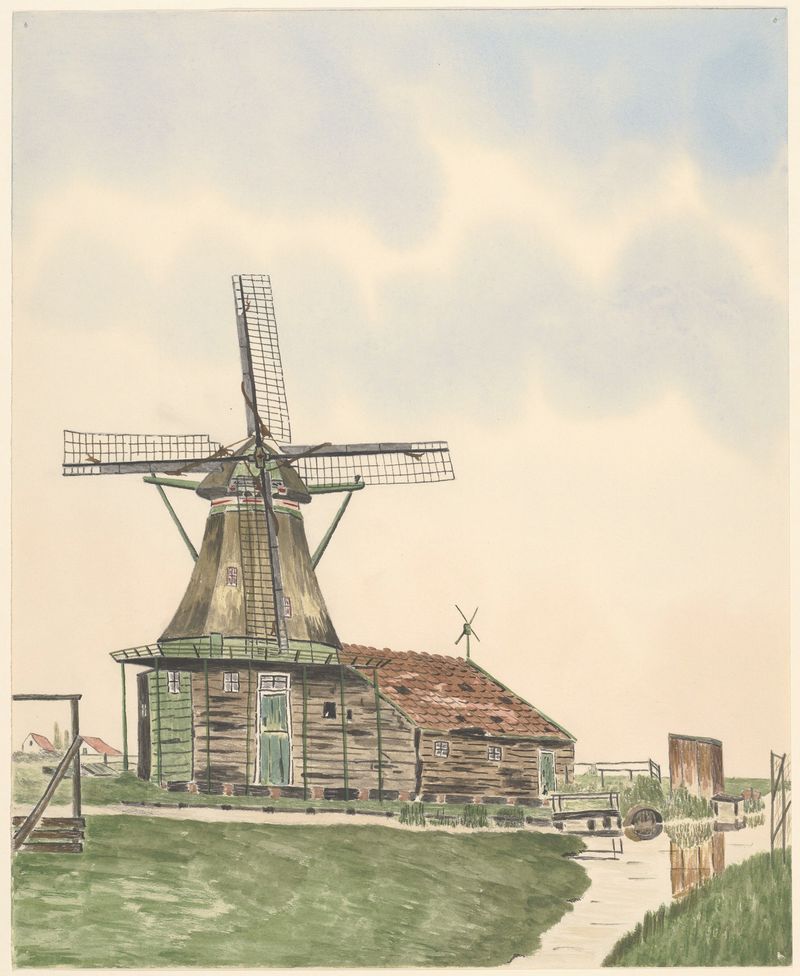
molens; oliemolen Het Oude-Honingvat, Oostzijderveld
Johannes Nicolaas Eijman
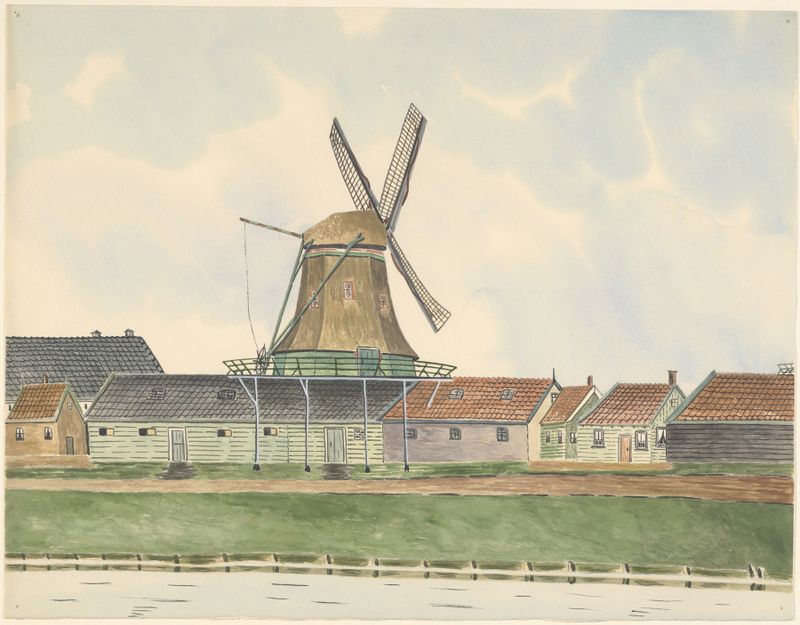
molen; oliemolen Het Witte-Paard aan het Zaandijkerwegje, 1893 gesloopt
Johannes Nicolaas Eijman

Op de voorgrond rechts doppenmolen De Prolpot aan de Hemmes, op de achtergrond links twee andere molens
Johannes Nicolaas Eijman
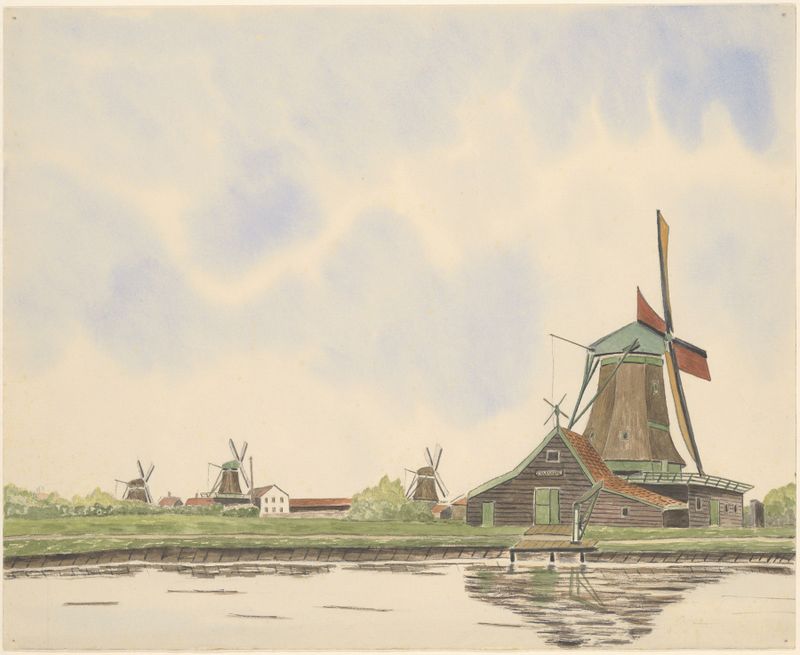
Oliemolen De Kerkuil aan de Zaan, met drie molens op de achtergrond. De Kerkuil stond binnendijks, tegenover de Wormerveerderkerk; afgebroken ca. 1892
Johannes Nicolaas Eijman
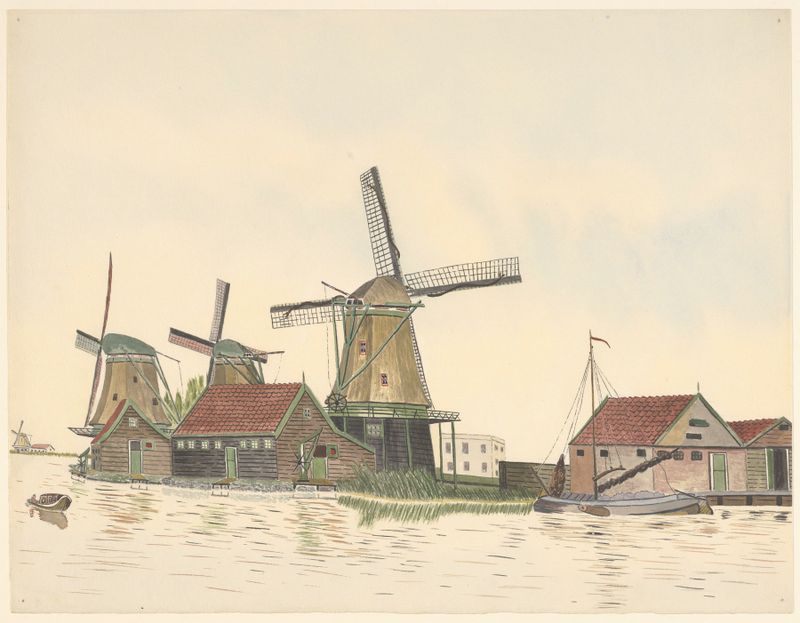
molens; De Ooievaar; De Windhond; De Gans, Kalverringdijk
Johannes Nicolaas Eijman
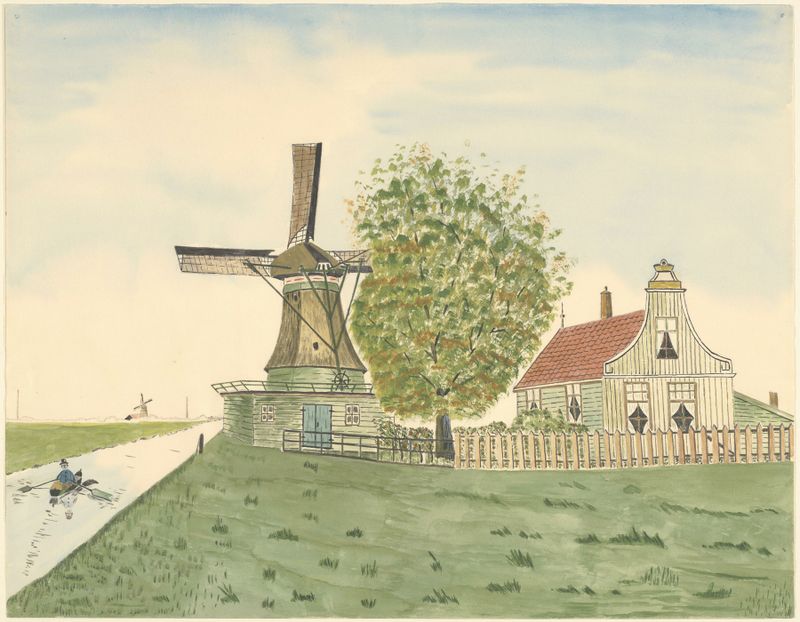
molens; houtzaagmolen De Haan
Johannes Nicolaas Eijman





