
molens; pelmolen De Hondeman — History & Facts
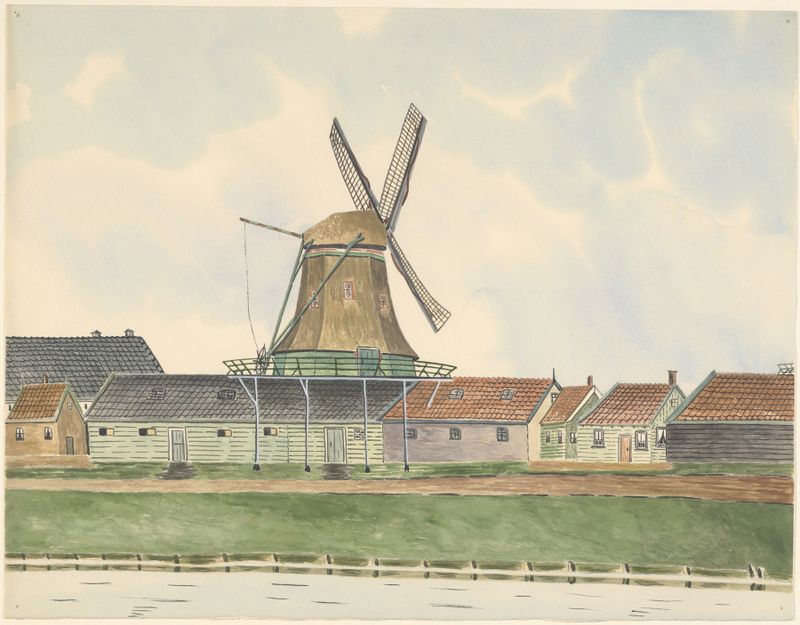
What secret hides in the quiet of the canvas? Beneath the tranquil surface of molens; pelmolen De Hondeman, a profound sense of loss resonates, echoing through the stillness of the landscape. Look to the center, where the windmill stands tall against a muted sky, its blades frozen in time, an embodiment of what once was. The earthy tones of ochre and muted greens envelop the scene, creating a nostalgic haze that invites contemplation. Notice how the soft brush strokes blend into one another, blurring the lines between the structures and the surrounding nature, capturing the fleeting essence of a world that is both familiar and fading. Beneath the surface, the contrast between the vibrant life of the past and the stillness of the present speaks volumes.
The windmill, a symbol of industriousness and community, now stands solitary, suggesting abandonment and the passage of time. Shadows dance quietly at the base, hinting at unseen stories held within those aged wooden beams, while the gentle ripples in the water reflect a longing for what has been lost, yet cherished. During the late 1930s, Eijman created this piece amid the socio-political tensions rising in Europe. Living in the Netherlands, he witnessed the changing landscape of his homeland, with traditional values and livelihoods under threat.
This artwork reflects not just the beauty of the rural scene, but also the artist's profound awareness of the ephemeral nature of existence, capturing a delicate balance between nostalgia and the inevitability of loss.
More Artworks by Johannes Nicolaas Eijman
Browse all →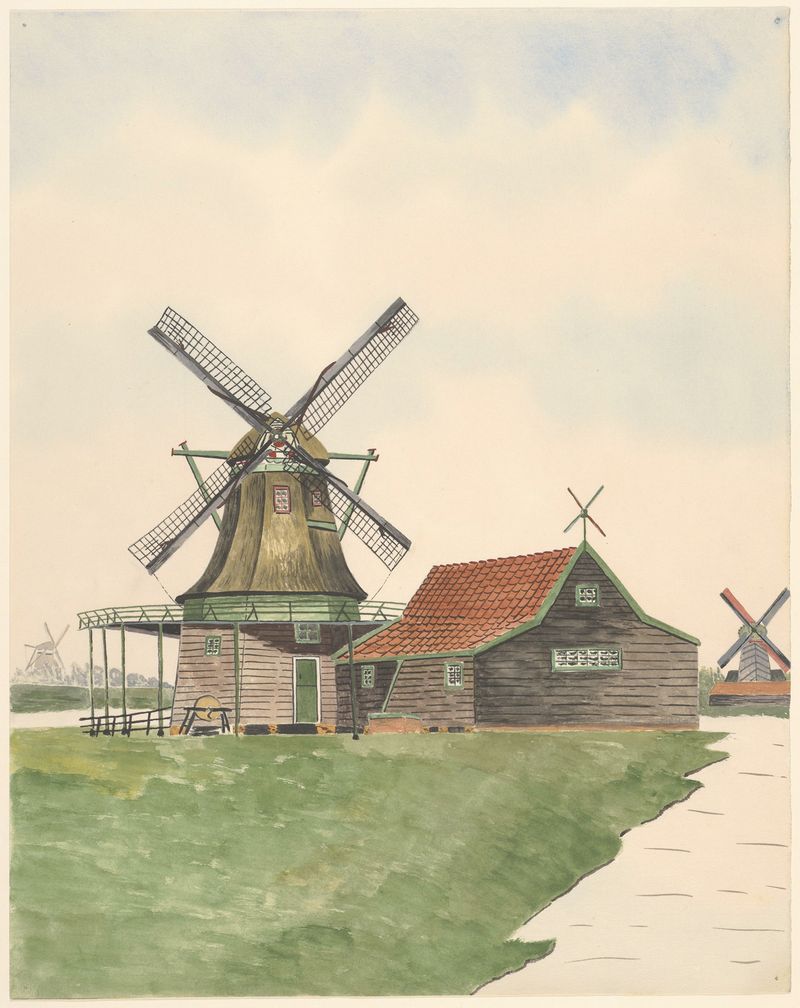
molens; oliemolen De Olievos, aan de Papenpadsloot, gesloopt 1878
Johannes Nicolaas Eijman
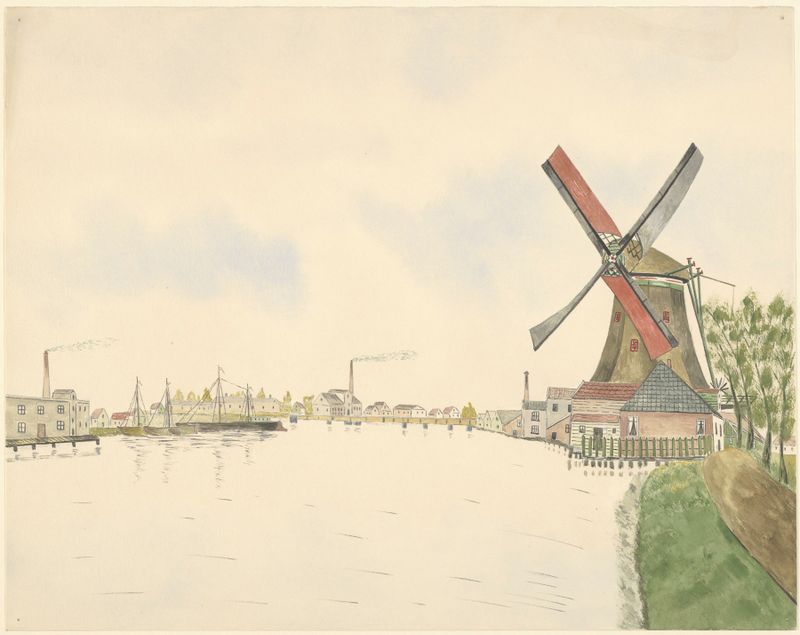
molens; meelmolen De Koker
Johannes Nicolaas Eijman

Papiermolen de Eendracht aan de westzijde van het Zaandammerpad, Wormer
Johannes Nicolaas Eijman
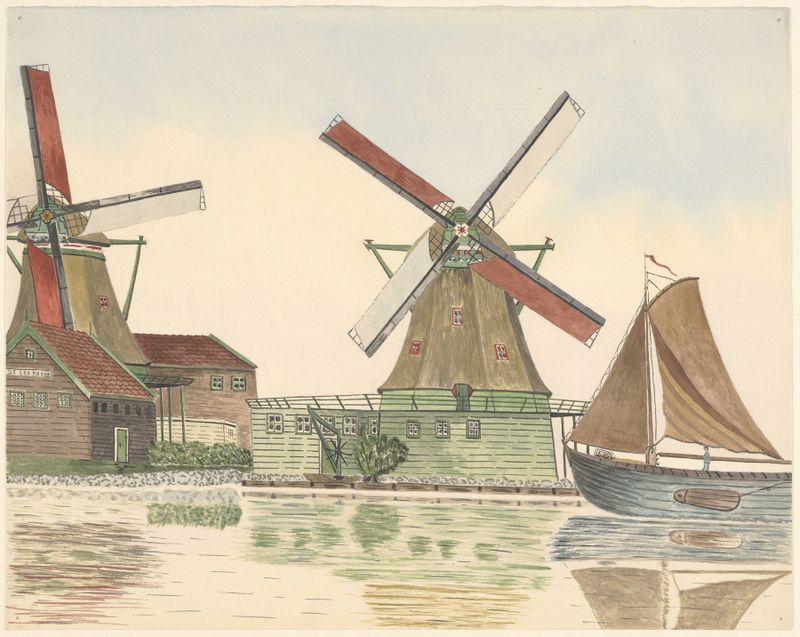
molens; oliemolen De Oude-Zwan, aan de Kalverpoel
Johannes Nicolaas Eijman
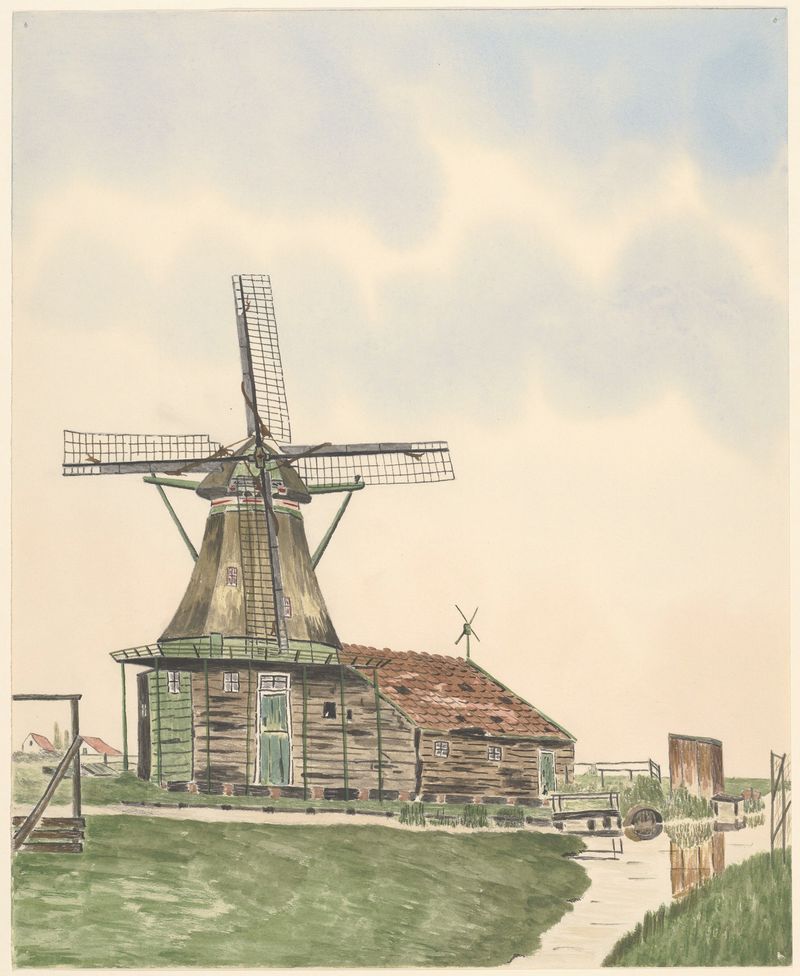
molens; oliemolen Het Oude-Honingvat, Oostzijderveld
Johannes Nicolaas Eijman
molen; oliemolen Het Witte-Paard aan het Zaandijkerwegje, 1893 gesloopt
Johannes Nicolaas Eijman

Op de voorgrond rechts doppenmolen De Prolpot aan de Hemmes, op de achtergrond links twee andere molens
Johannes Nicolaas Eijman
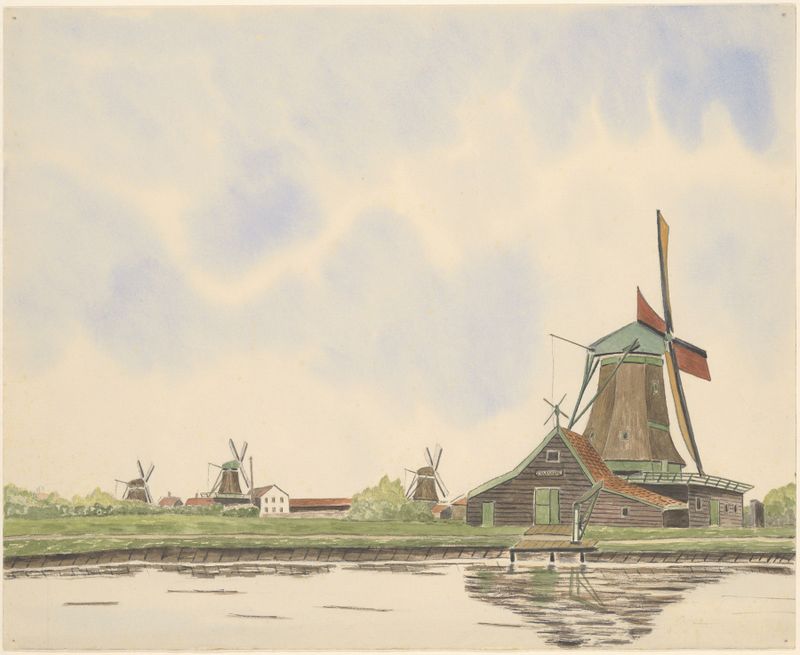
Oliemolen De Kerkuil aan de Zaan, met drie molens op de achtergrond. De Kerkuil stond binnendijks, tegenover de Wormerveerderkerk; afgebroken ca. 1892
Johannes Nicolaas Eijman
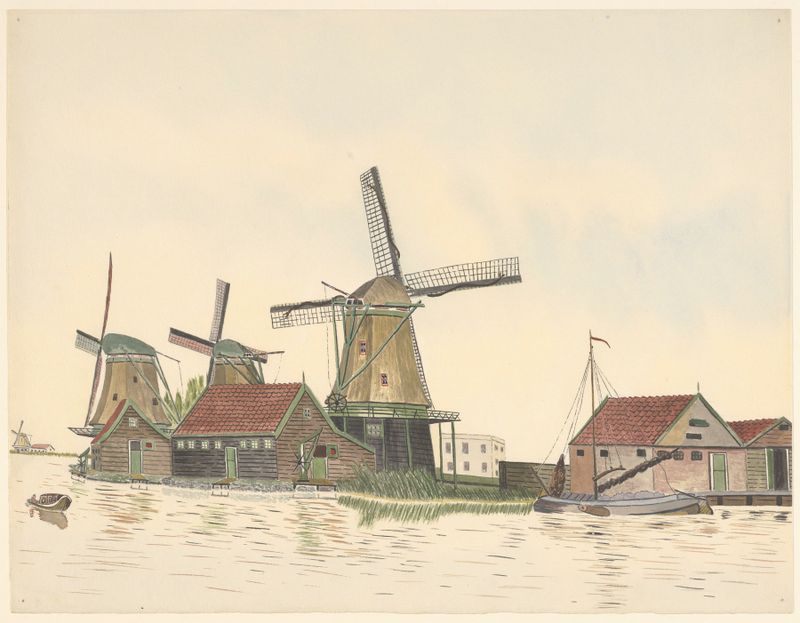
molens; De Ooievaar; De Windhond; De Gans, Kalverringdijk
Johannes Nicolaas Eijman
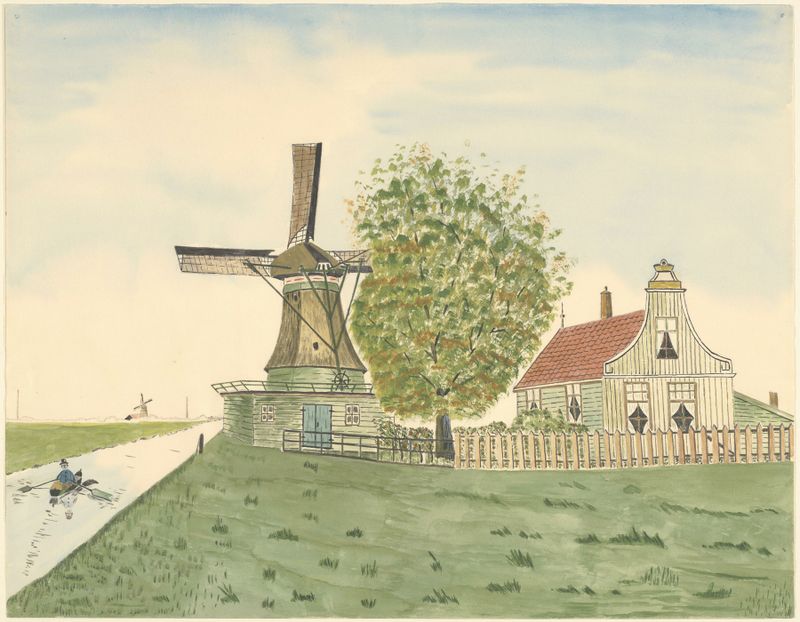
molens; houtzaagmolen De Haan
Johannes Nicolaas Eijman





