
molens; verfmolen Het Oosterkattegat — History & Facts
In the quiet interplay of wind and water, the essence of molens; verfmolen Het Oosterkattegat offers a glimpse into a world caught between the mundane and the sublime, where the passage of time is both acknowledged and transcended. Look closely at the foreground, where the vibrant blues and greens of the water dance beneath the billowing sails of the windmill. The dynamic strokes convey movement, while the soft reflections ripple across the surface, drawing the eye towards the horizon. Notice how the delicate blending of colors and light captures the fleeting beauty of the moment, inviting contemplation about the relationship between nature and human industry. Deeper within this composition lies a tension between tranquility and energy.
The windmill stands as a steadfast sentinel, seemingly frozen in time, while the undulating water suggests an ever-changing flow of life. The contrast between the rigid structure and the fluidity of the environment speaks to the struggles of permanence in an impermanent world. Each blade of grass and every wave reflects a delicate balance, hinting at a connection that is both serene and restless. During the late 1930s, Eijman painted this scene in the Netherlands, a time when artists were beginning to explore new ways to capture their surroundings amid a backdrop of societal change.
The post-World War I era had ignited a desire for reflection in art, as many sought to express both nostalgia and hope. In this landscape, Eijman melded his devotion to realism with an awareness of the deeper narratives that define existence, leaving viewers to contemplate their own place within the continuum of time.
More Artworks by Johannes Nicolaas Eijman
Browse all →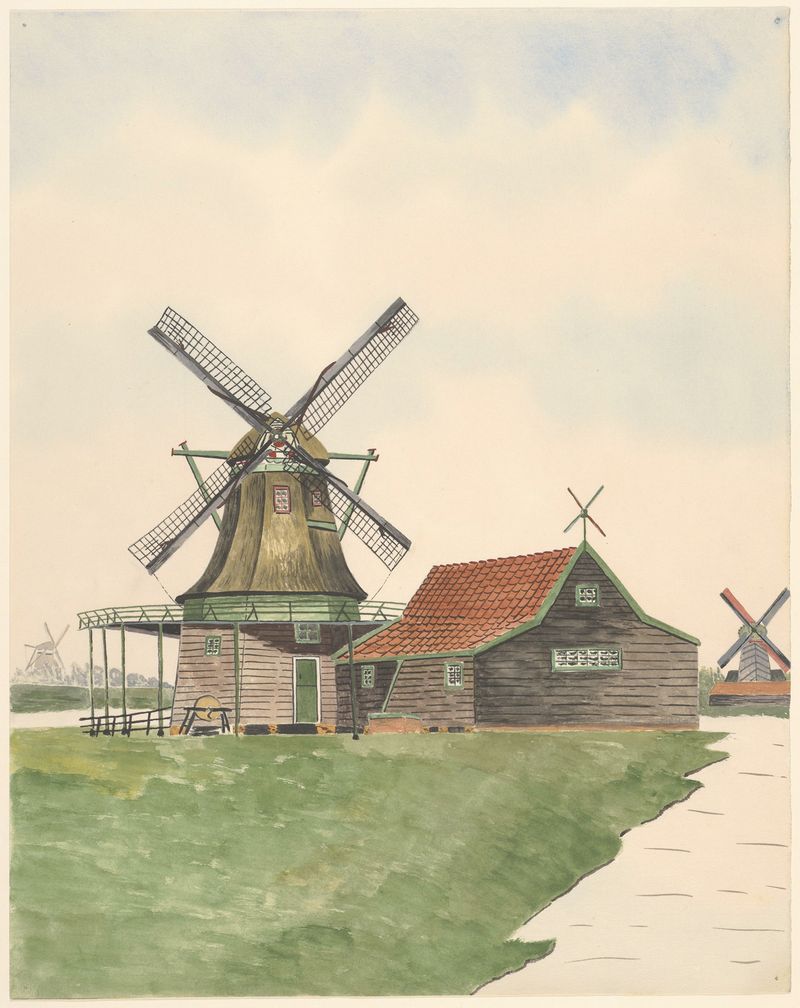
molens; oliemolen De Olievos, aan de Papenpadsloot, gesloopt 1878
Johannes Nicolaas Eijman
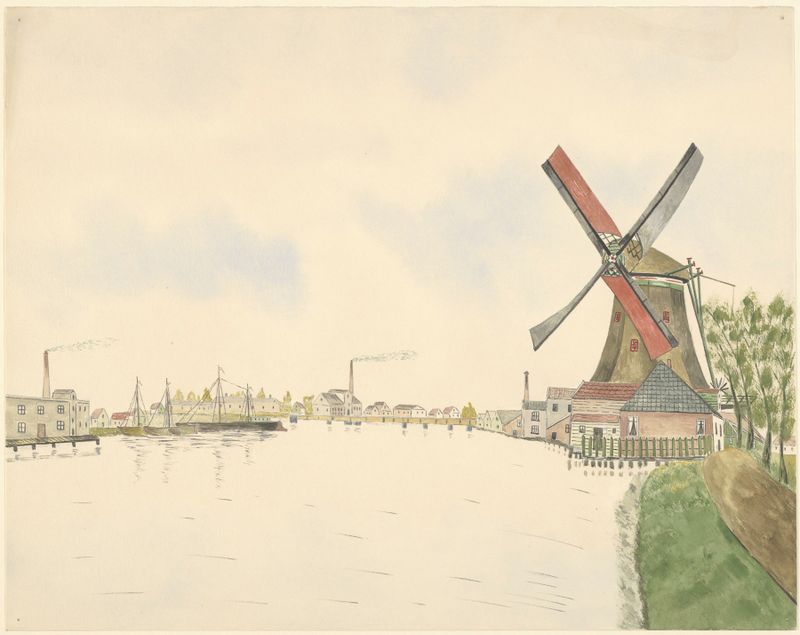
molens; meelmolen De Koker
Johannes Nicolaas Eijman

Papiermolen de Eendracht aan de westzijde van het Zaandammerpad, Wormer
Johannes Nicolaas Eijman
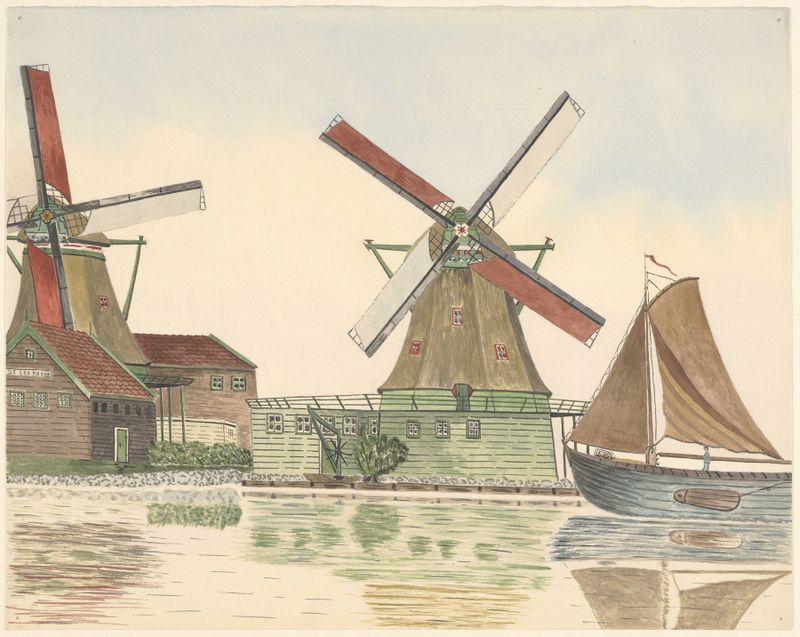
molens; oliemolen De Oude-Zwan, aan de Kalverpoel
Johannes Nicolaas Eijman
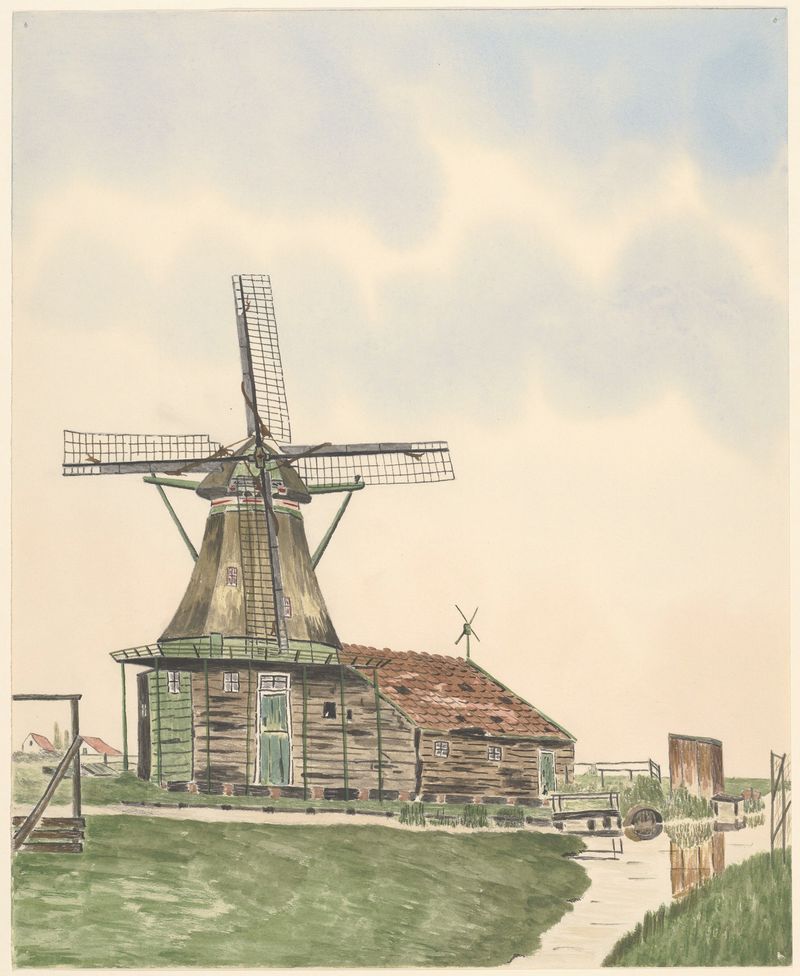
molens; oliemolen Het Oude-Honingvat, Oostzijderveld
Johannes Nicolaas Eijman
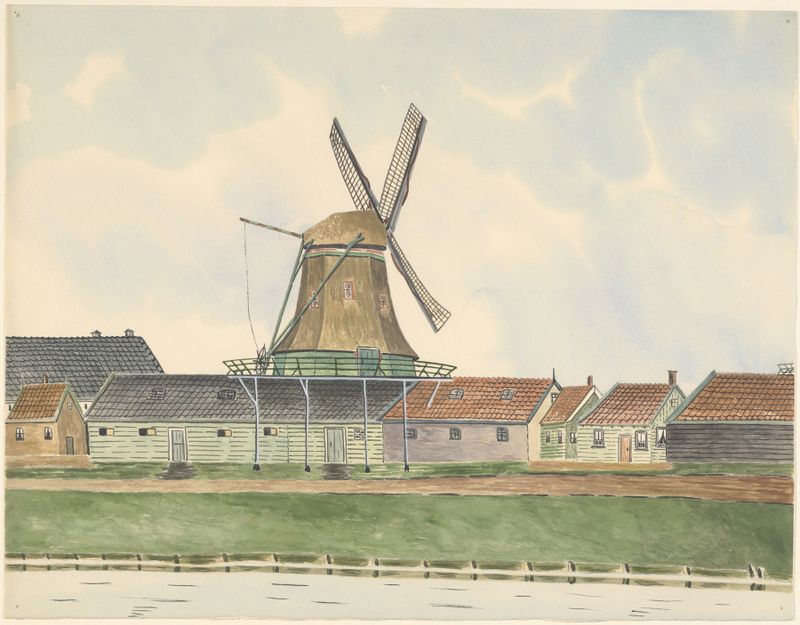
molen; oliemolen Het Witte-Paard aan het Zaandijkerwegje, 1893 gesloopt
Johannes Nicolaas Eijman

Op de voorgrond rechts doppenmolen De Prolpot aan de Hemmes, op de achtergrond links twee andere molens
Johannes Nicolaas Eijman
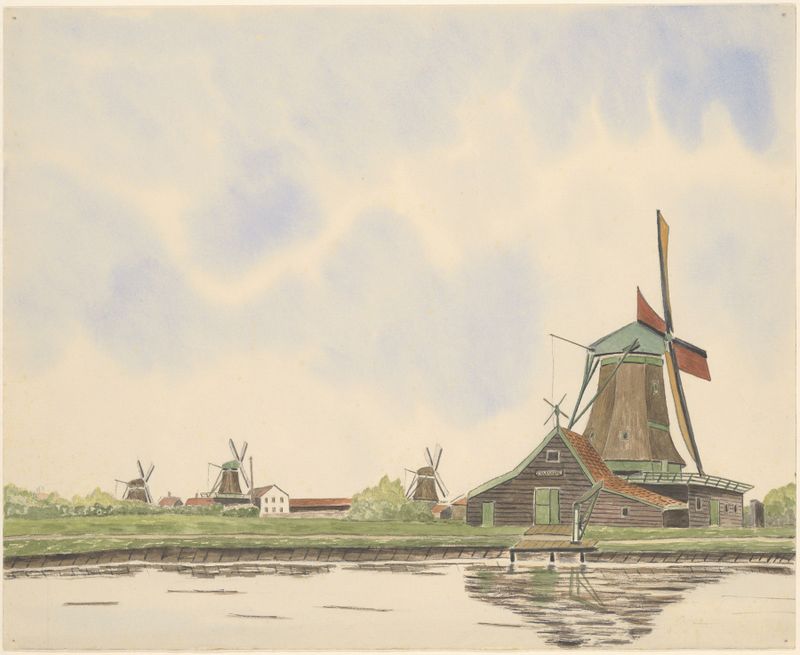
Oliemolen De Kerkuil aan de Zaan, met drie molens op de achtergrond. De Kerkuil stond binnendijks, tegenover de Wormerveerderkerk; afgebroken ca. 1892
Johannes Nicolaas Eijman
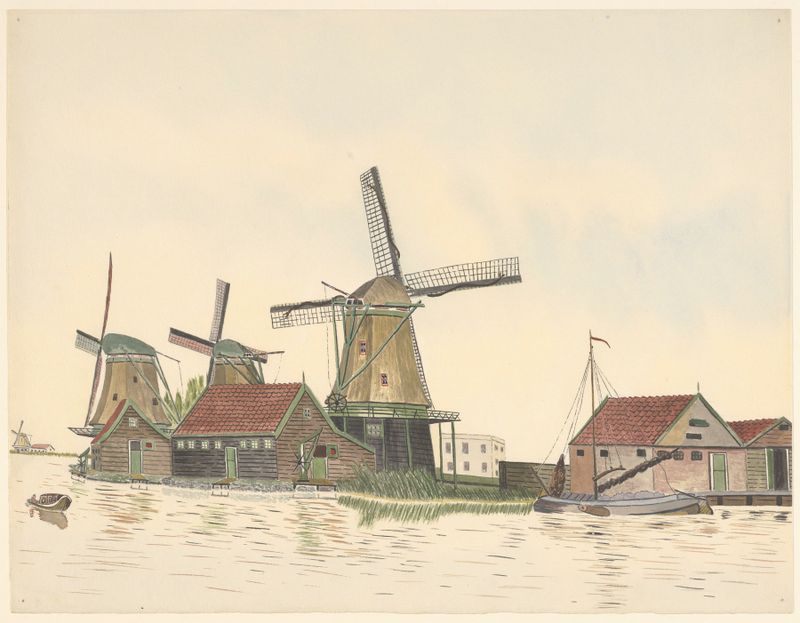
molens; De Ooievaar; De Windhond; De Gans, Kalverringdijk
Johannes Nicolaas Eijman
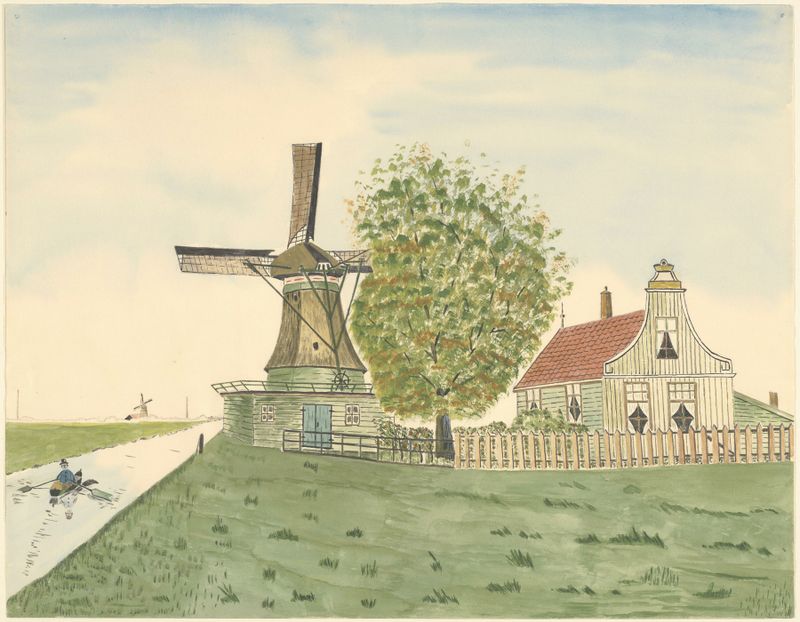
molens; houtzaagmolen De Haan
Johannes Nicolaas Eijman





