
Monastery of El Paular, Guadarrama — History & Facts
The first thing that catches the eye is the way the path zigzags up the rocky slope, drawing you into the climb toward the solitary building perched at the summit. The brushwork is loose and energetic, almost sculpting the stone and earth out of quick, confident strokes, while the sky churns with clouds that seem to echo the drama of the terrain below. The steps are not just a route—they are a rhythm, guiding the gaze upward, past tufts of hardy grass and the dark silhouettes of trees, toward the small, pale structure that stands as both goal and guardian.
The palette is moody and cool, with flashes of green and violet at the base, suggesting the persistence of life in a landscape shaped by wind and time. Painted in 1912 by Francisco Pradilla, this view of the Monastery of El Paular in the Guadarrama mountains belongs to a long tradition of Spanish landscape painting, where artists sought to capture the character of their homeland’s wild places. By the early twentieth century, such works were often created for collectors or cultural institutions eager to celebrate regional identity and natural grandeur. The painting now resides in the Hispanic Society of America, a fitting home for a work that bridges Spanish history and the broader story of landscape art.
History has kept few traces of this particular canvas’s journey, but its restless surface and upward thrust invite the viewer to keep climbing, searching for the next turn in the path.
More Artworks by Francisco Pradilla

Spring Mist in Italy
Francisco Pradilla
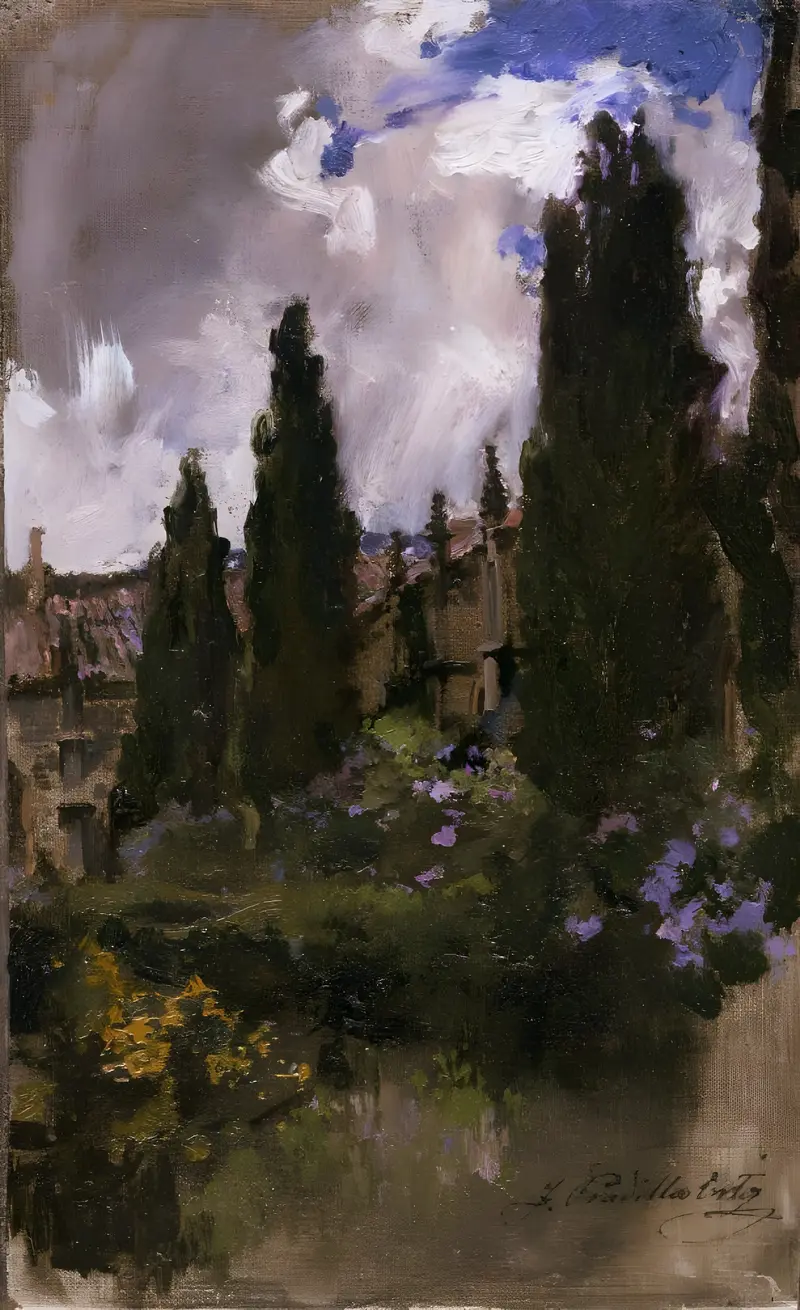
Among the Bulls of Guisando
Francisco Pradilla
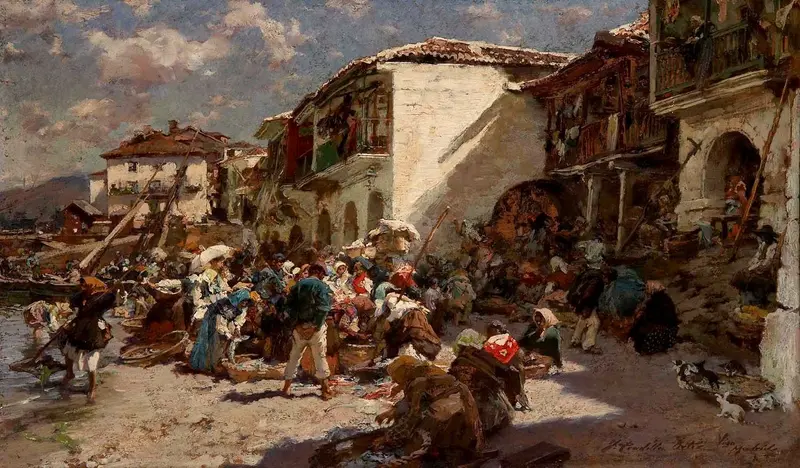
Selling Fish on Vigo Beach
Francisco Pradilla
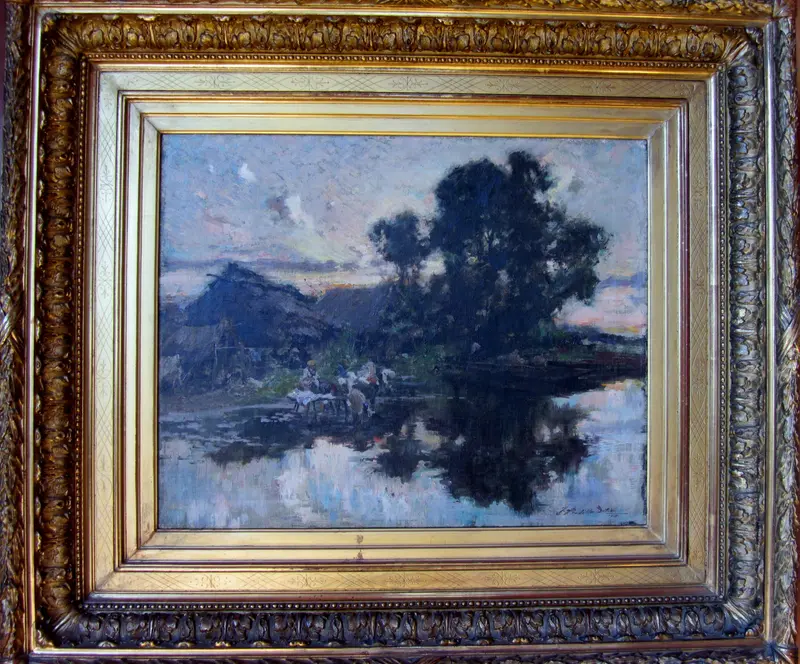
On the Riverbank
Francisco Pradilla

Raimunda Osorio, Marchioness of Linares
Francisco Pradilla
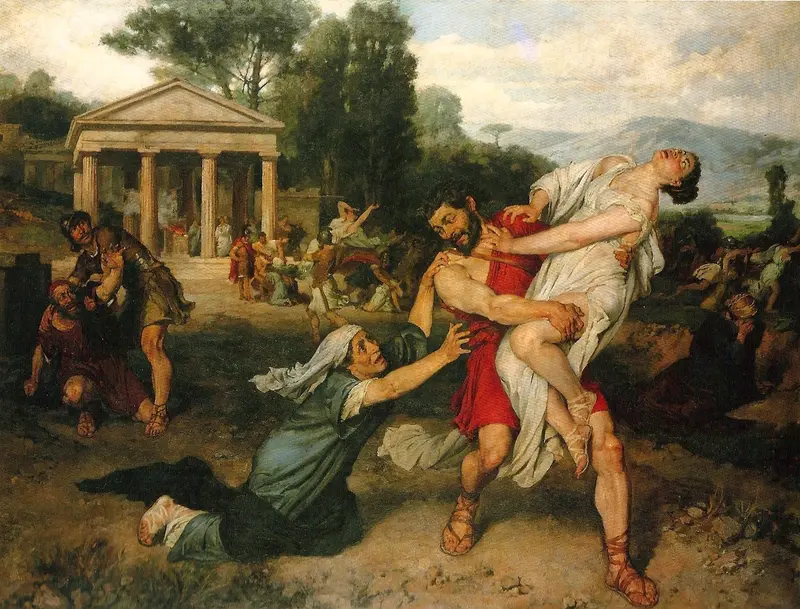
The Rape of the Sabine Women
Francisco Pradilla
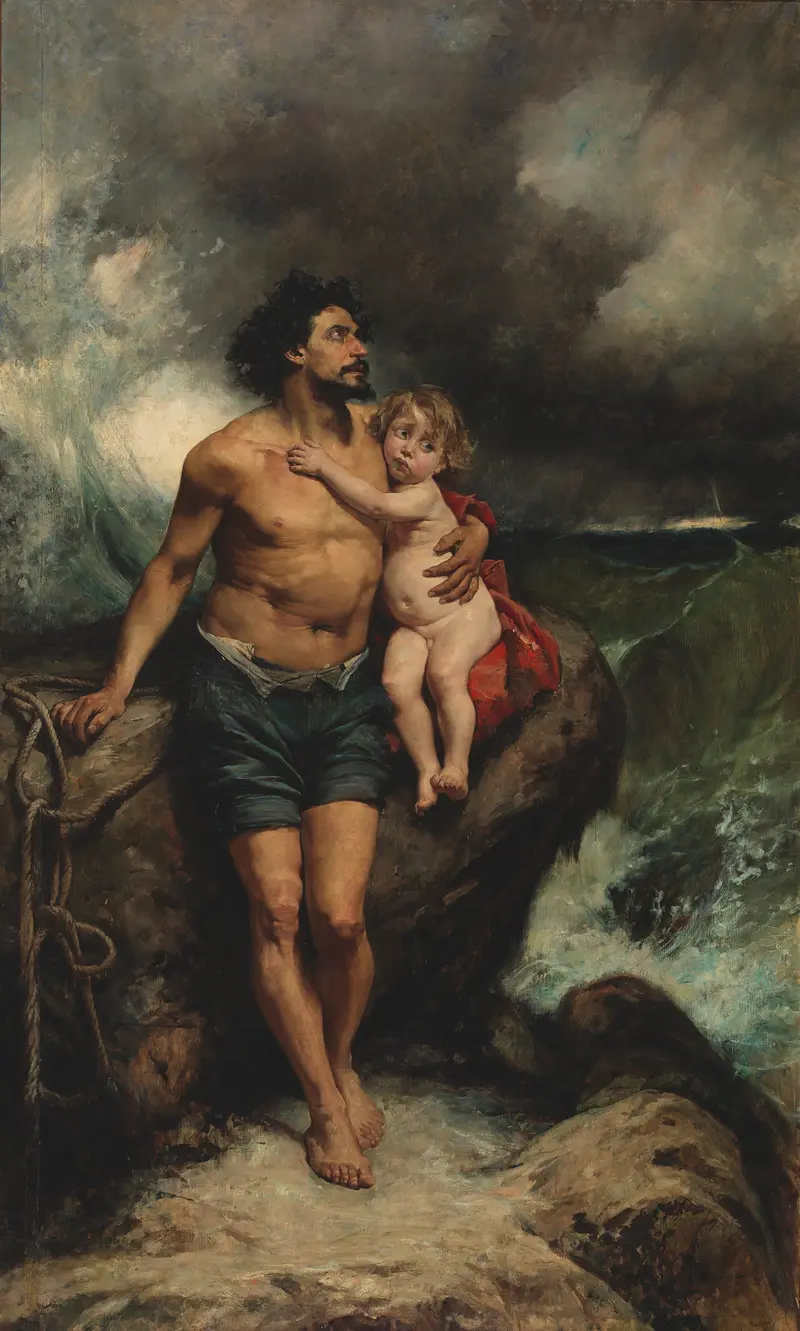
The Shipwrecked
Francisco Pradilla
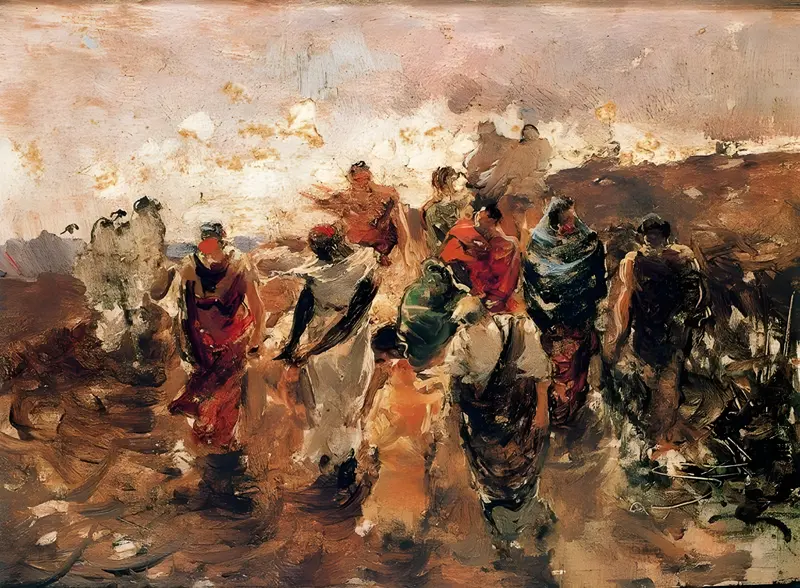
Impression
Francisco Pradilla
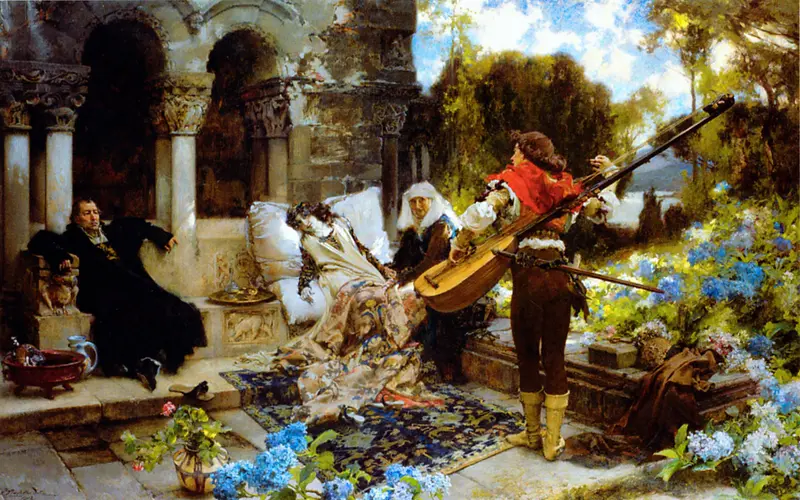
Lovesickness
Francisco Pradilla
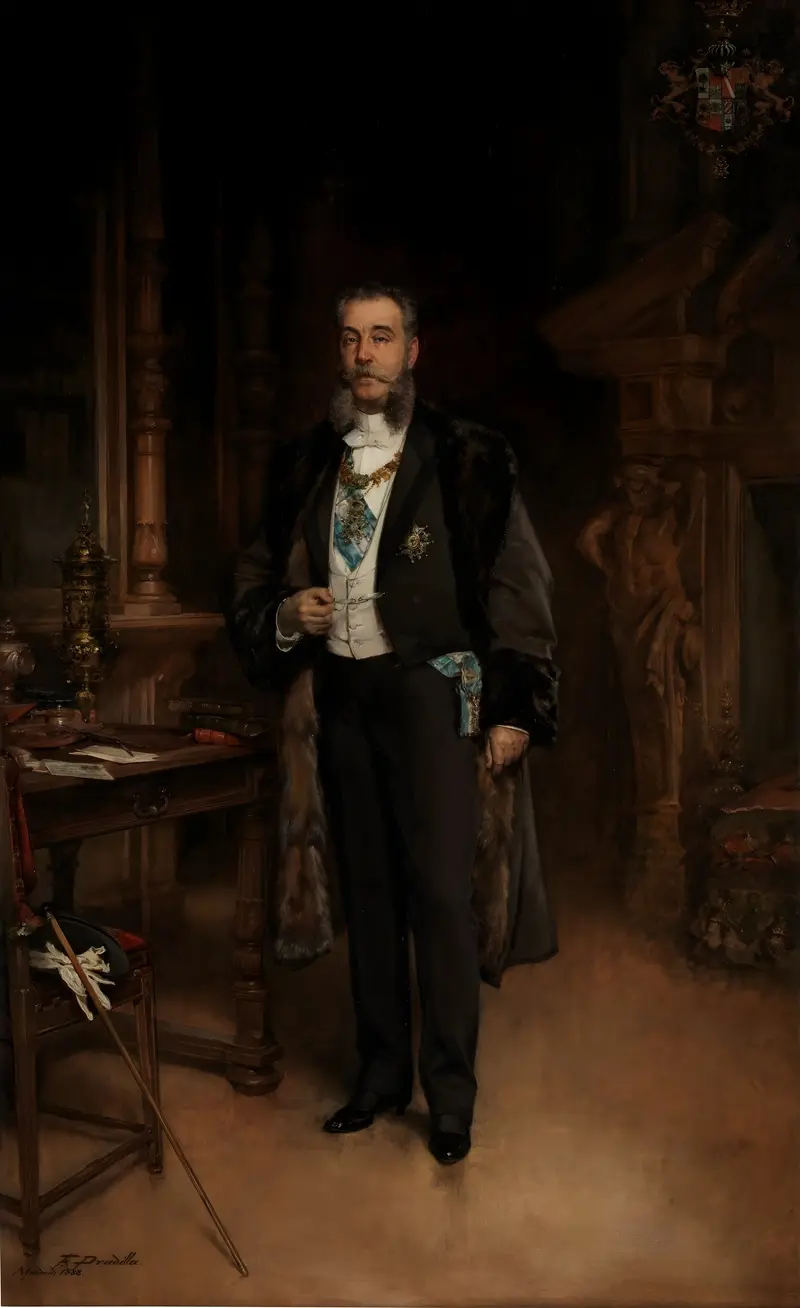
José María de Murga, Marquis of Linares
Francisco Pradilla
More Landscape Art

The Starry Night
Vincent van Gogh

View of Delft
Johannes Vermeer

Water Lilies
Claude Monet

The Grand Canal, Venice, looking north-west from the Ca' Corner to the Ca' Contarini degli Scrigni, with the campanile of Santa Maria della Carità
Canaletto

Windsor Castle
Canaletto

The Grand Canal looking North-East from the Palazzo Dolfin-Manin to the Rialto Bridge
Canaletto