
Mondlandschaft — History & Facts
The canvas doesn’t lie — it simply waits. In the stillness of a vast, unoccupied landscape, the absence of life resonates with a profound emptiness that invites contemplation. Look to the horizon, where ethereal shades of blue and gray blend seamlessly, creating a dreamlike quality. The gentle brushstrokes create soft undulations in the land, drawing your gaze across the expanse.
Notice how the delicate light illuminates the moon, casting a silvery glow that both enhances and contrasts with the muted tones of the earth below. The composition lingers in a serene balance, capturing a moment suspended in time, echoing solitude. As you explore the details, consider the emotional weight of isolation and stillness. The horizon, seemingly infinite, raises questions about the nature of existence and our place within it.
The interplay between light and shadow evokes a sense of introspection, compelling the viewer to confront their own feelings of loneliness and tranquility. Every untouched inch of the canvas reinforces the theme of emptiness, reminding us that silence can speak volumes. Adalbert Stifter painted Mondlandschaft in 1845, during a period when he was deeply engaged with the natural world and philosophical contemplation. Living in what was then the Austrian Empire, Stifter was influenced by Romantic ideals that celebrated nature’s beauty and its emotional resonance.
This work reflects his desire to capture the sublime, as he sought to convey profound truths through the simplicity of a solitary landscape.
More Artworks by Adalbert Stifter
Browse all →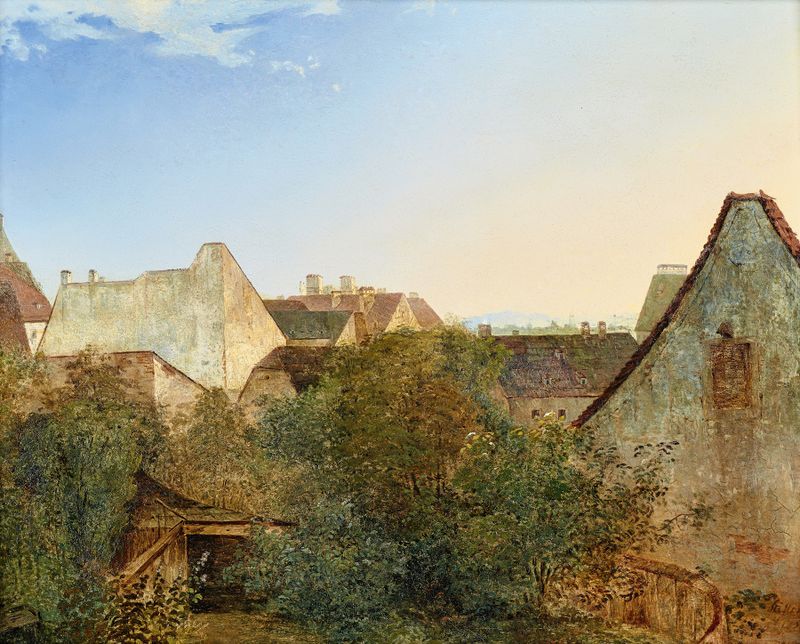
Blick über Wiener Vorstadthäuser (Beatrixgasse)
Adalbert Stifter
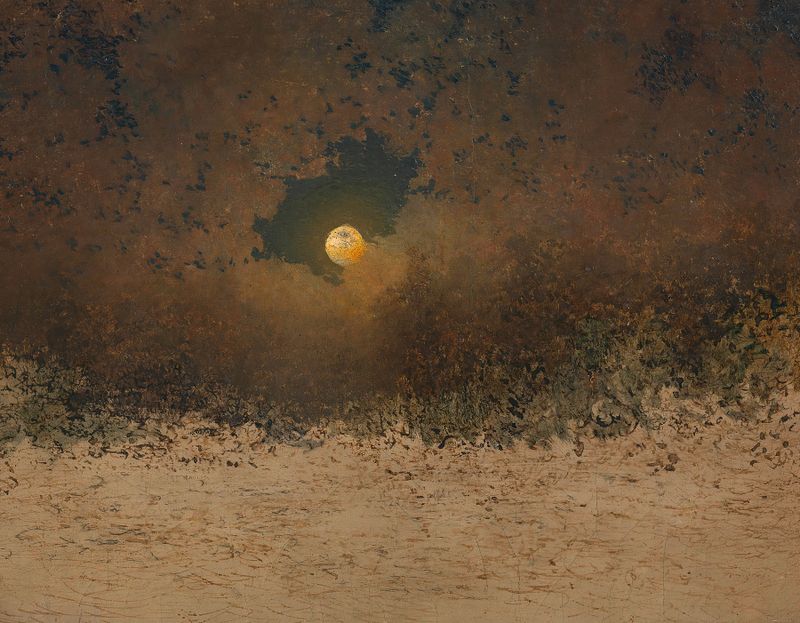
Mondlandschaft mit bewölktem Himmel
Adalbert Stifter
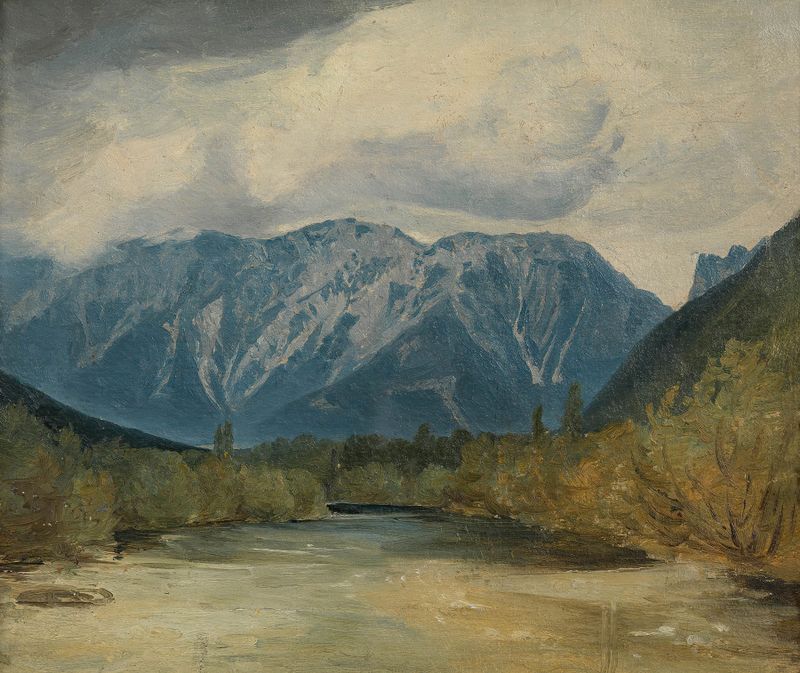
Die Rax in Niederösterreich
Adalbert Stifter
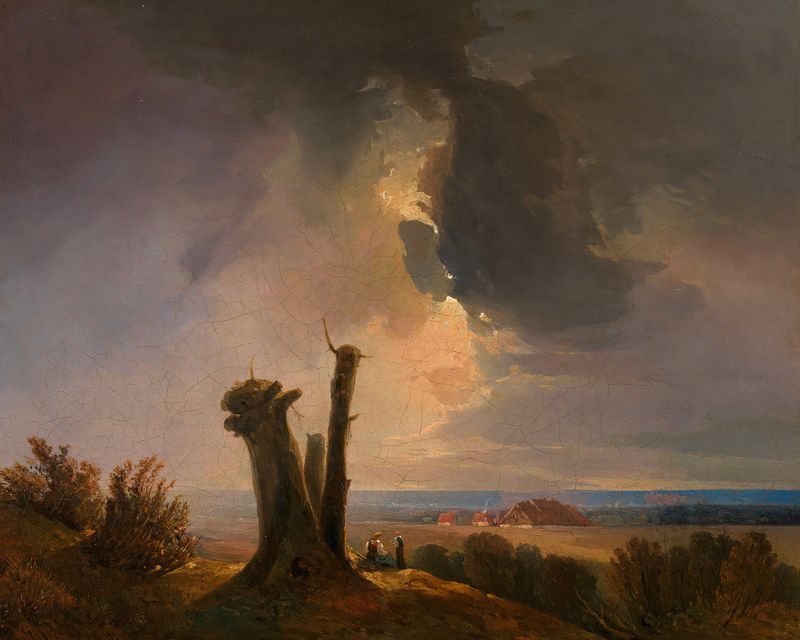
Westungarische Landschaft – Blick vom Leithagebirge
Adalbert Stifter
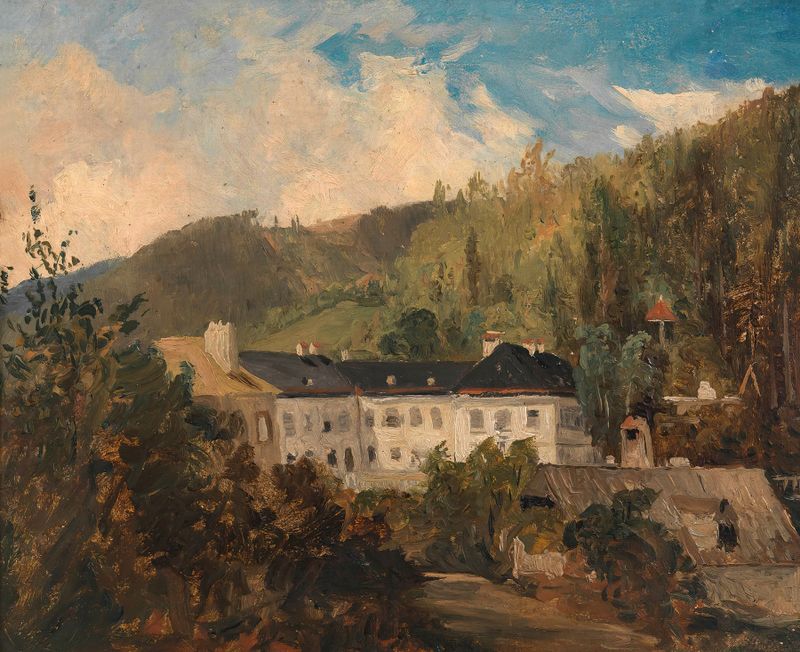
Motiv aus Neuwaldegg
Adalbert Stifter
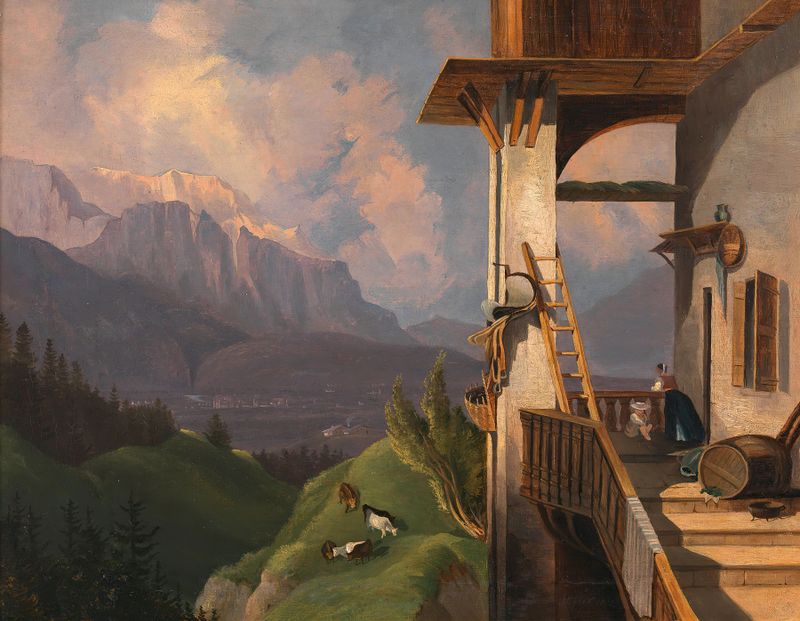
Innsbruck mit der Nordkette
Adalbert Stifter
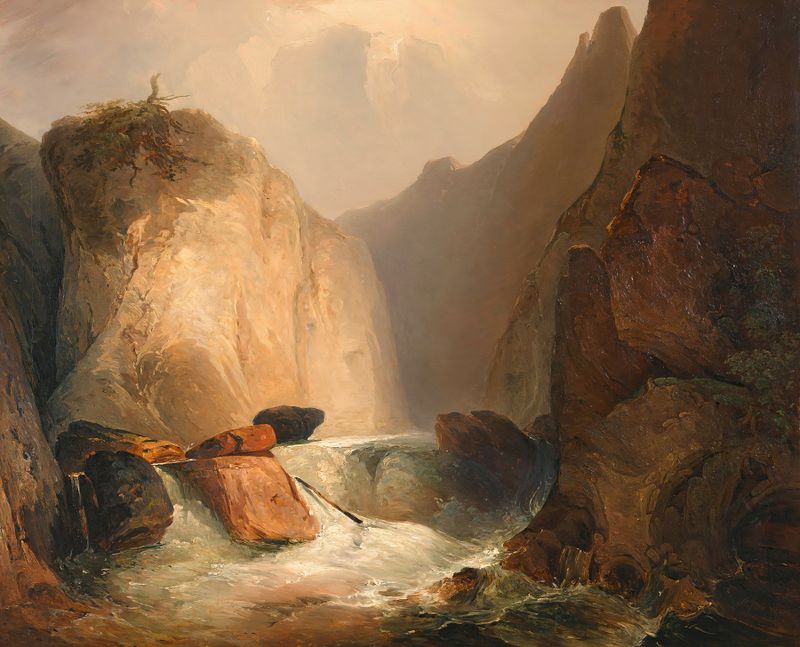
Felspartie – Moldauenge bei Hohenfurt
Adalbert Stifter
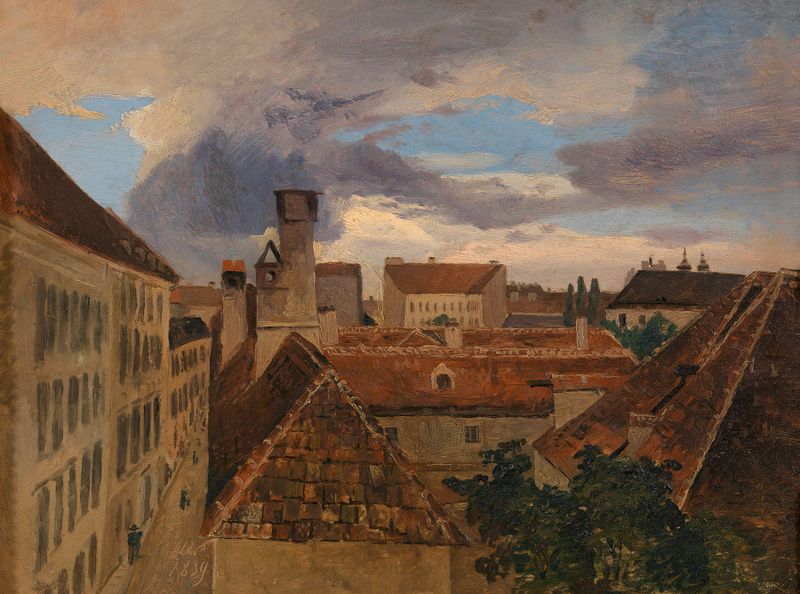
Blick in die Beatrixgasse in Wien
Adalbert Stifter
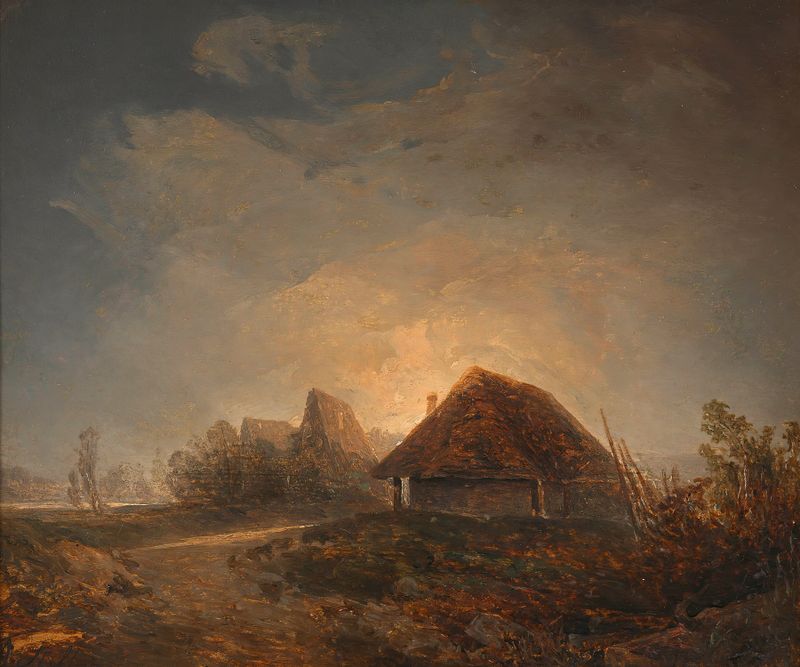
Westungarische Landschaft mit Hütten und aufgehendem Mond
Adalbert Stifter
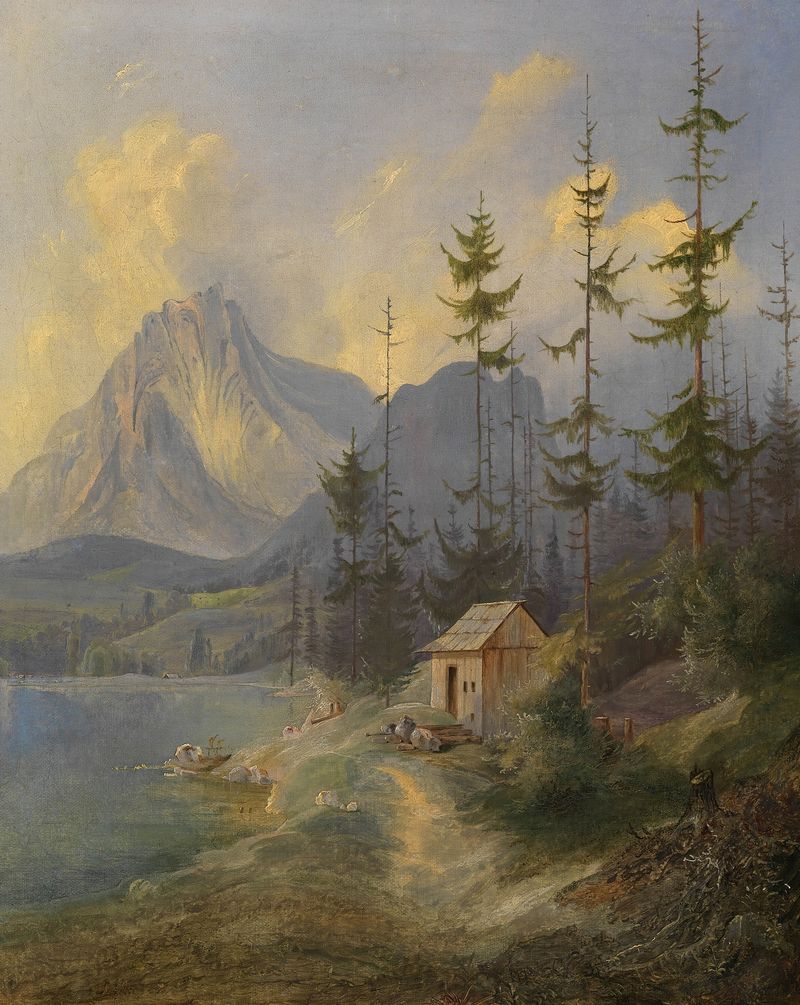
Der Sarstein bei Alt-Aussee
Adalbert Stifter





