
Monstein — History & Facts
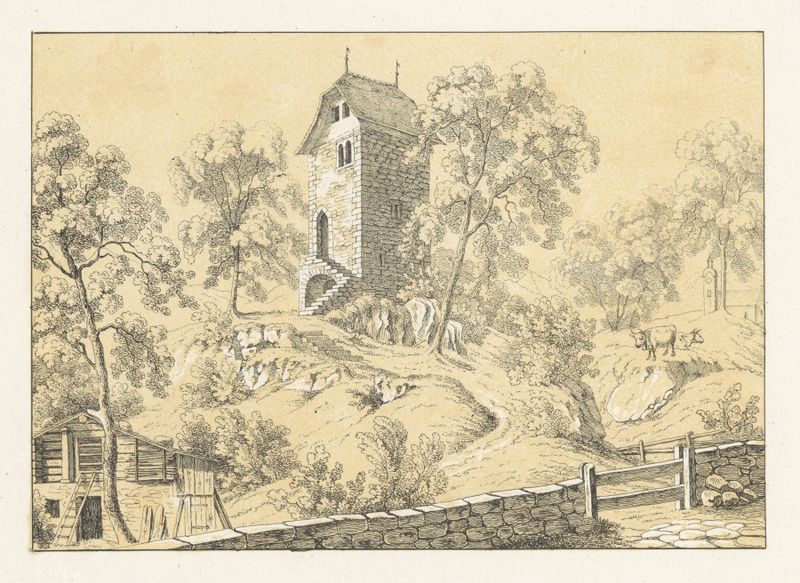
What if beauty was never meant to be finished? In the realm of art, some pieces linger in a state of becoming, poised between creation and completion, echoing the very essence of destiny itself. Look closely at the center of the canvas, where undulating forms rise and twist, bathed in a warm, golden hue. The artist employs gentle brushstrokes that create a sense of movement, as if the landscape breathes with life. Flashes of deep greens and rich browns surround the central figures, grounding the viewer in a world that feels both familiar and dreamlike.
The atmospheric quality invites you to lose yourself within the layers, discovering the interplay of shadow and light that grants the scene a sense of depth and possibility. As you explore further, note the contrasting elements: the serene visage of the landscape juxtaposed against the chaotic movement of the figures, suggesting an eternal tension between calm and turmoil. Each stroke hints at an unfinished narrative, leaving questions lingering in the air. The incomplete forms mirror our own lives, grappling with the concept of destiny—a journey that is never fully resolved, yet always compelling. In the early 1840s, Johann Friedrich Wagner created this evocative piece during a period marked by the rise of romanticism, where artists sought to express the sublime and the emotional depths of nature.
Living in Germany, he was influenced by the shifting tides of art and philosophy, which questioned the established norms and explored the unfinished aspects of existence. Monstein stands as a reflection of not just his artistic journey, but also of a broader cultural exploration that resonated deeply with the human condition.
More Artworks by Johann Friedrich Wagner
Browse all →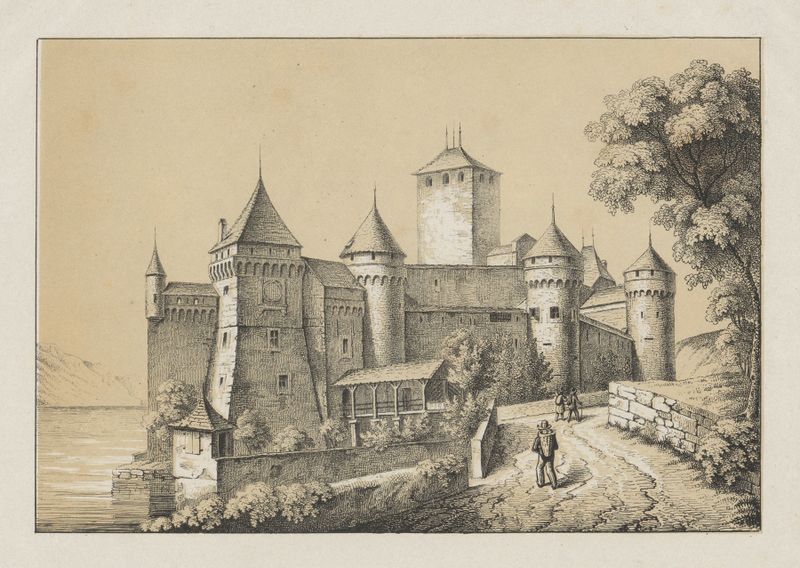
Chillon
Johann Friedrich Wagner

Valangin
Johann Friedrich Wagner
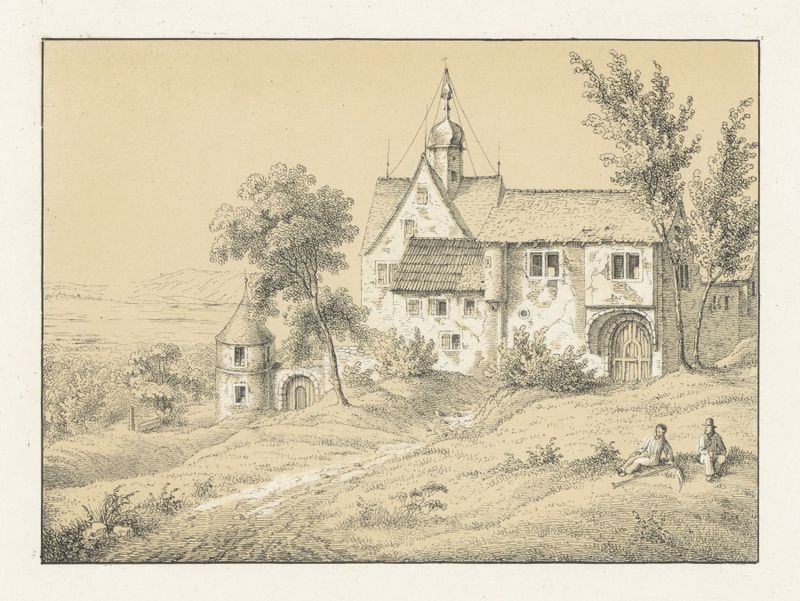
Greifenstein
Johann Friedrich Wagner

Vorburg
Johann Friedrich Wagner
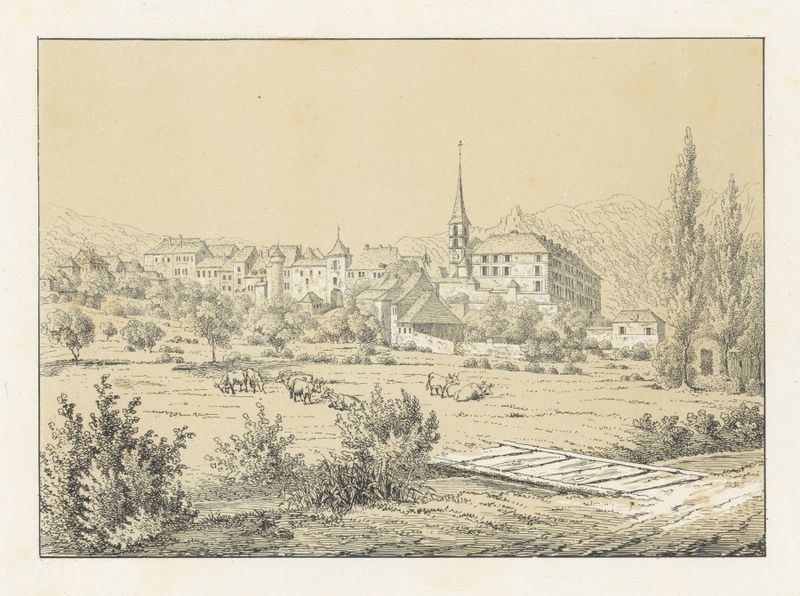
Delémont
Johann Friedrich Wagner

Pleujouse
Johann Friedrich Wagner

Challay
Johann Friedrich Wagner
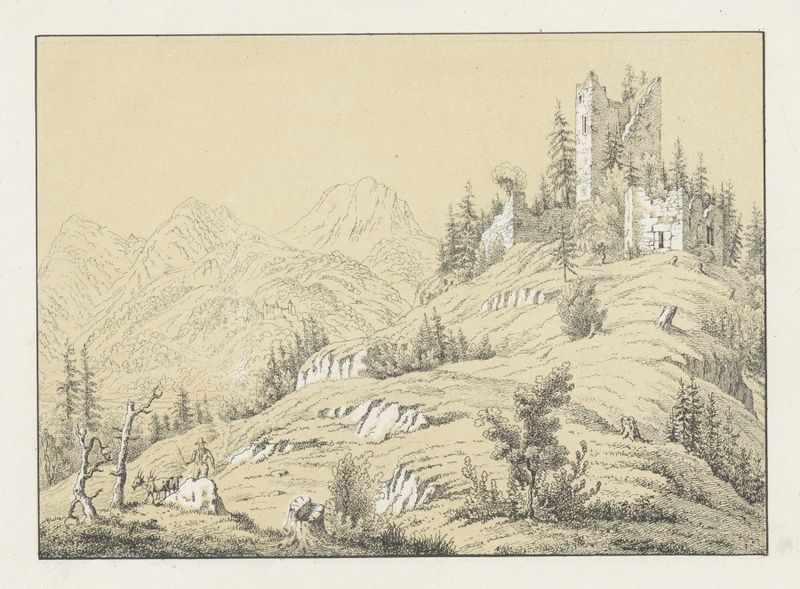
Mont Salvant
Johann Friedrich Wagner
Aha. Od. Untere Burg von Sarnen
Johann Friedrich Wagner
Lausanne
Johann Friedrich Wagner





