
Mont — History & Facts
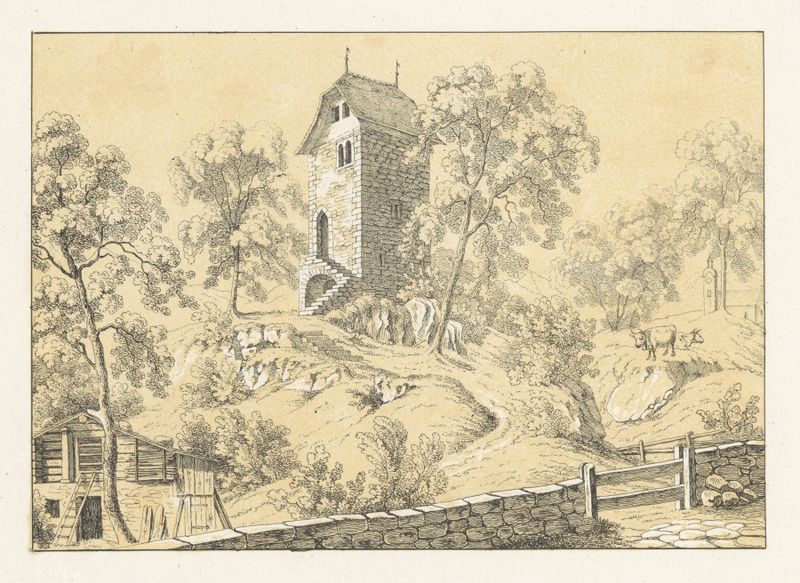
In the delicate interplay of light and shadow, beauty emerges as an eternal truth, inviting viewers into a world that transcends the mere passage of time. Look to the serene landscape, where lush greens meet the gentle embrace of a pristine sky. The undulating hills, dotted with trees, draw the eye toward a horizon that seems to whisper secrets of distant places. Notice how each brushstroke captures the essence of nature’s tranquility, with soft pastels blending seamlessly to create a dreamlike atmosphere that lingers in the mind long after one has looked away. Beneath the surface lies a profound commentary on the passage of life.
The vibrant greens symbolize youth and vitality, while the fading light hints at the inevitability of change and loss. Each element of the composition offers a contrast between the ephemeral and the eternal, urging viewers to reflect on their own fleeting moments of beauty. The peaceful coexistence of nature and human presence adds a layer of harmony, suggesting that beauty is not merely to be observed, but to be lived. Johann Friedrich Wagner painted this work between 1840 and 1844, during a transformative time in the art world marked by the Romantic movement.
Operating primarily in Germany, Wagner was influenced by the ideals of nature and emotion that defined the era. As industrialization began to reshape society, his focus on pastoral beauty served as a poignant reminder of the simplicity and elegance that could easily be forgotten in the rush of modern life.
More Artworks by Johann Friedrich Wagner
Browse all →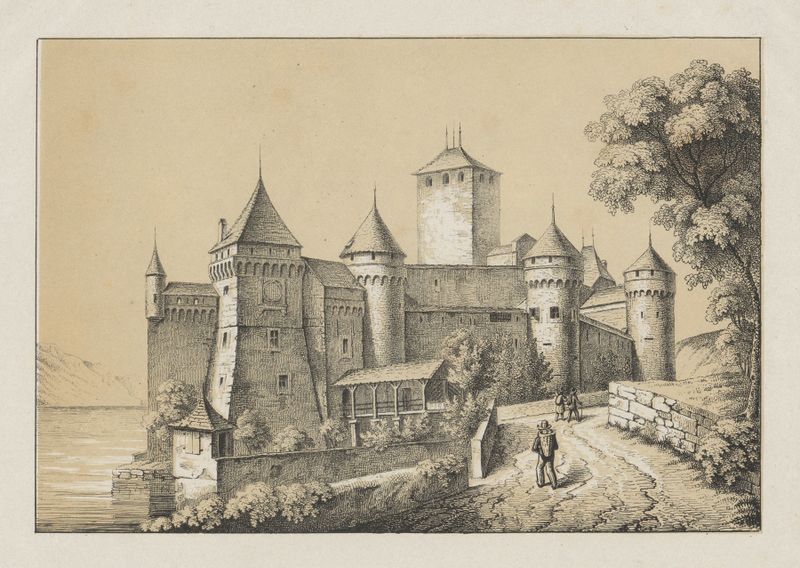
Chillon
Johann Friedrich Wagner

Valangin
Johann Friedrich Wagner
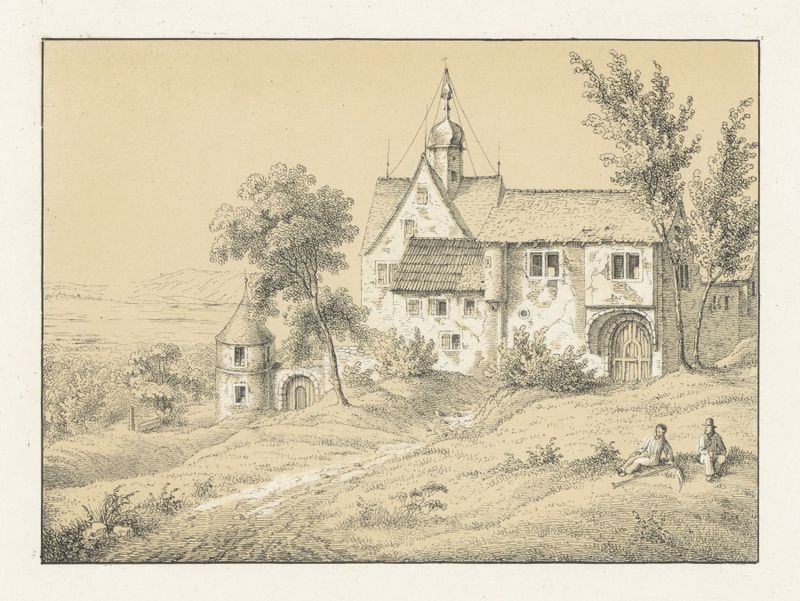
Greifenstein
Johann Friedrich Wagner

Vorburg
Johann Friedrich Wagner
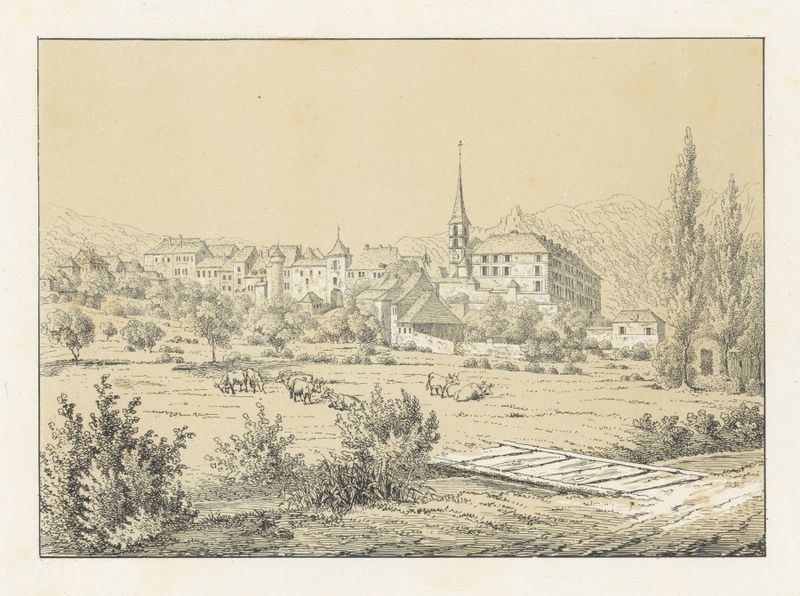
Delémont
Johann Friedrich Wagner

Pleujouse
Johann Friedrich Wagner

Challay
Johann Friedrich Wagner
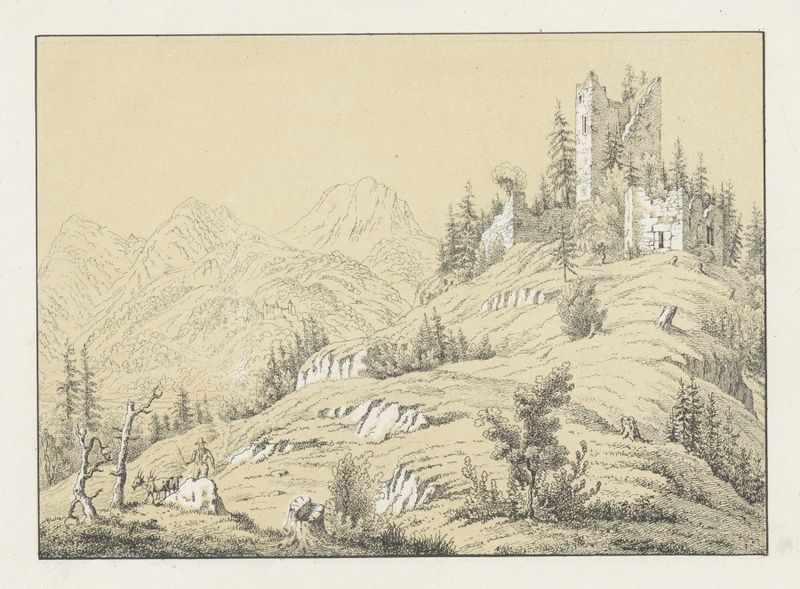
Mont Salvant
Johann Friedrich Wagner
Aha. Od. Untere Burg von Sarnen
Johann Friedrich Wagner
Lausanne
Johann Friedrich Wagner





