
Montvoie — History & Facts
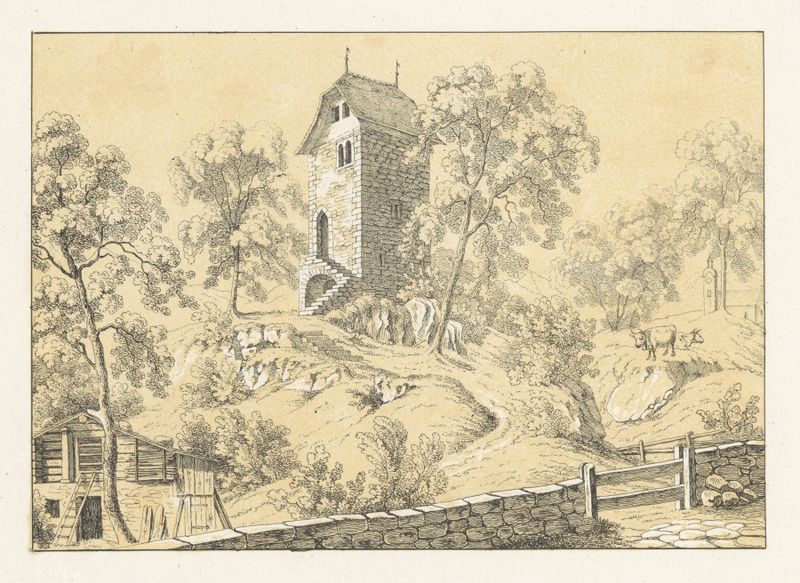
In the stillness of Montvoie, a profound truth unfolds, inviting introspection from every viewer. The painting encapsulates a serene yet haunting atmosphere, where the absence of noise speaks volumes, revealing layers of emotion and unspoken narratives. Look to the left at the delicate interplay of light that bathes the landscape, highlighting the gentle contours of the hills and the soft brushstrokes that blend seamlessly into the sky. The palette, filled with lush greens and earthy browns, contrasts with the cool blues of the distant mountains, creating a sense of harmony yet underlying tension.
Notice how the trees stand tall but solitary, their shadows stretching as if reaching for something beyond the horizon, imbuing the scene with a bittersweet longing. The juxtaposition of the tranquil scenery against the solitude of nature echoes the themes of isolation and introspection. Each element, from the whispering trees to the distant peaks, embodies a silent conversation with the viewer. The still waters hold reflections that are ambiguous, suggesting hidden depths and secrets that lie just beneath the surface.
It’s a moment that compels us to confront our own truths, echoing the confessions that reside in our silences. Johann Friedrich Wagner painted Montvoie between 1840 and 1844, during a period marked by artistic exploration in Germany. Emerging from the shadow of Romanticism, he sought to capture the essence of nature while infusing his works with deeper emotional resonance. This was a time when artists were beginning to embrace the personal and psychological dimensions of their subjects, allowing for the quiet yet potent messages that resonate so profoundly in this piece.
More Artworks by Johann Friedrich Wagner
Browse all →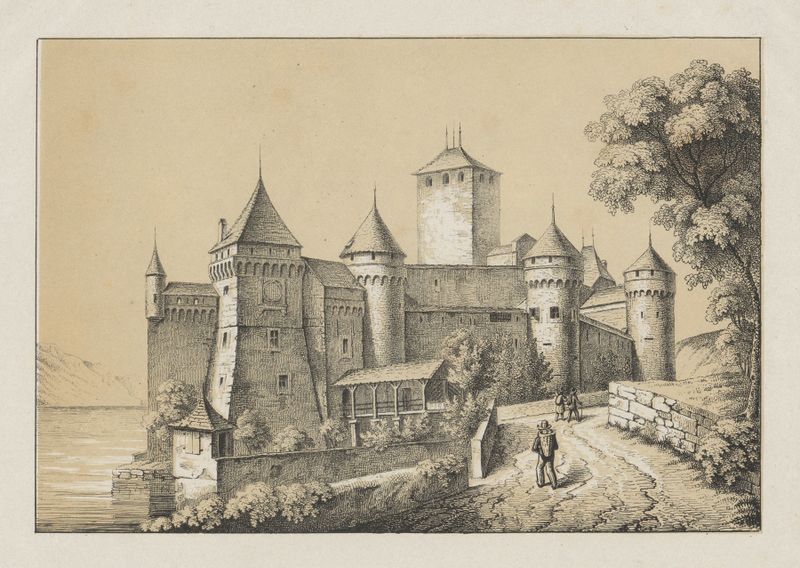
Chillon
Johann Friedrich Wagner

Valangin
Johann Friedrich Wagner
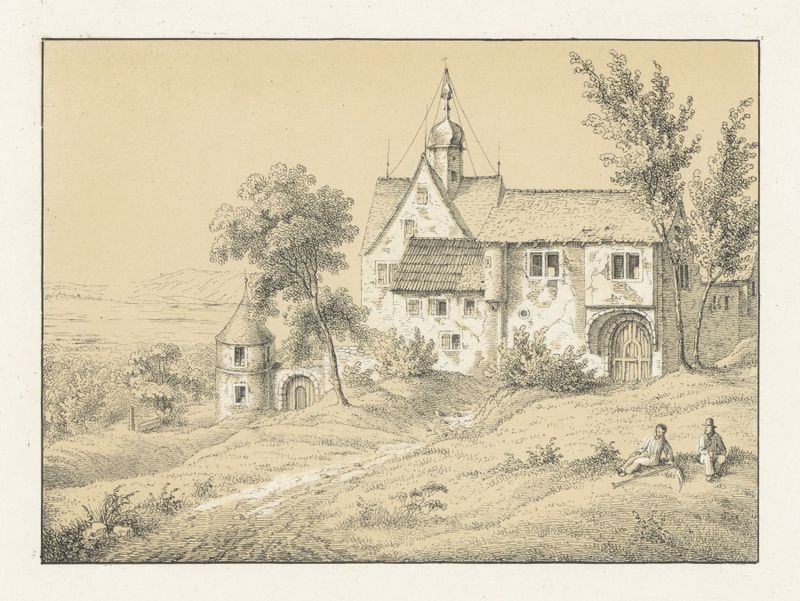
Greifenstein
Johann Friedrich Wagner

Vorburg
Johann Friedrich Wagner
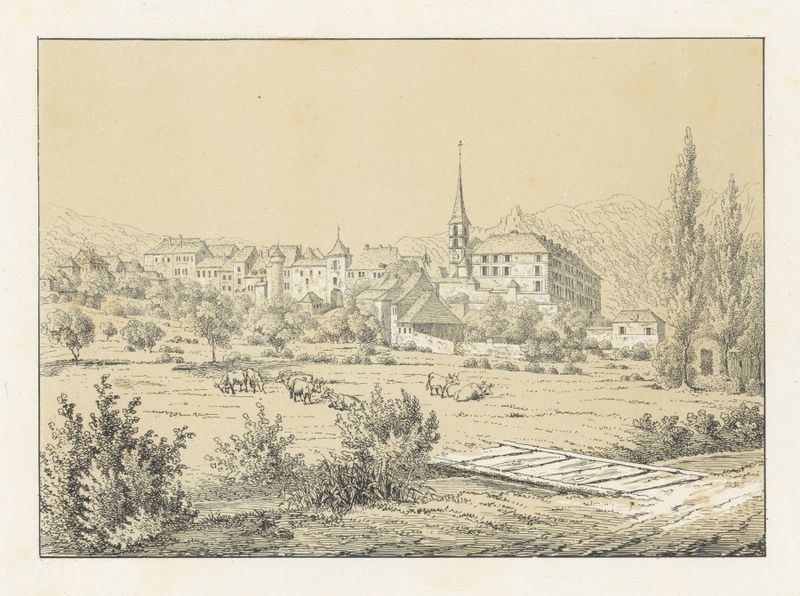
Delémont
Johann Friedrich Wagner

Pleujouse
Johann Friedrich Wagner

Challay
Johann Friedrich Wagner
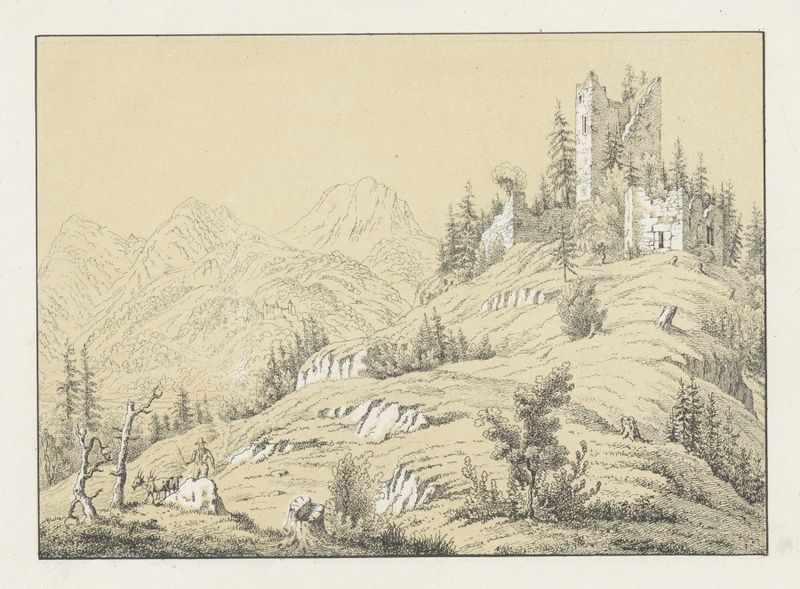
Mont Salvant
Johann Friedrich Wagner
Aha. Od. Untere Burg von Sarnen
Johann Friedrich Wagner
Lausanne
Johann Friedrich Wagner





