
Monument à Debussy — History & Facts
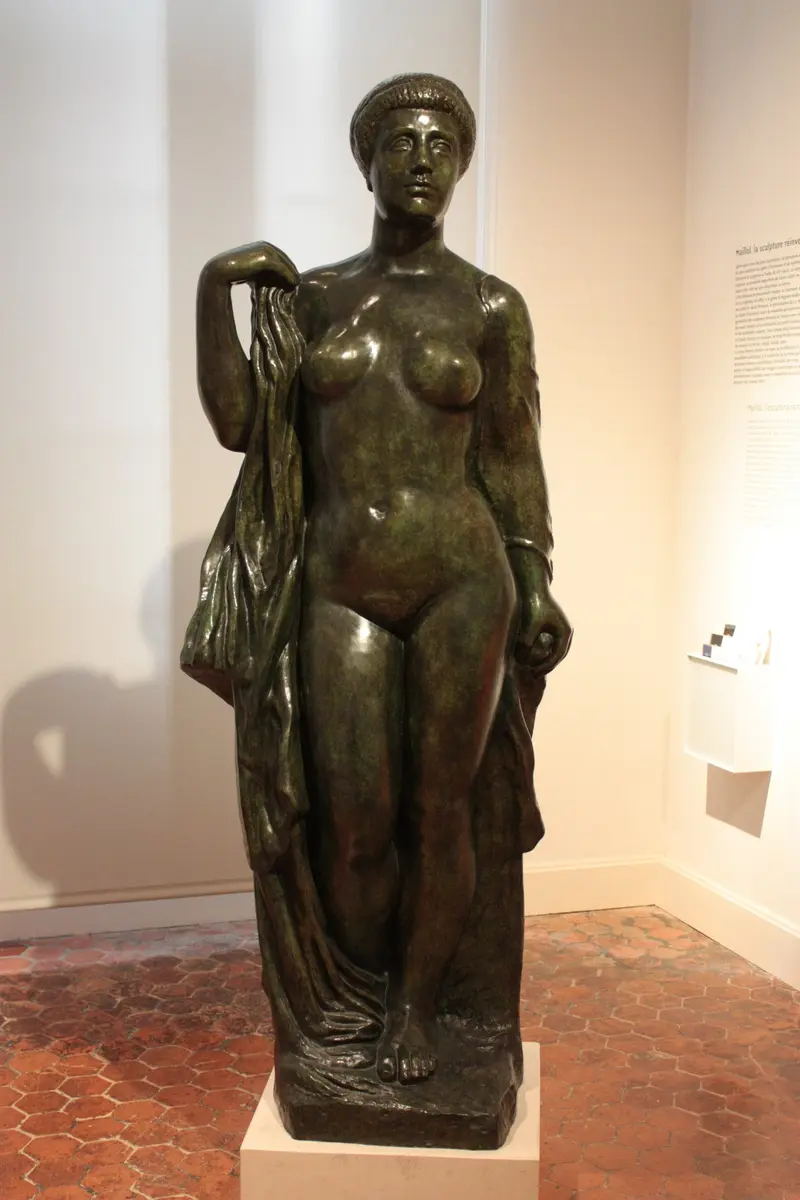
What first draws the eye in Monument à Debussy is the sense of poised stillness: a figure at once monumental and intimate, headless yet unmistakably alive in its quiet presence. The polished bronze surface catches and bends the light, drawing attention to the gentle swell of the torso and the curve of the knees, each form simplified but never cold. The figure’s arms are truncated, its head absent, yet the body’s pose—one leg folded, the other extended—speaks of introspection and repose.
Maillol’s language is one of weight and serenity, the body grounded and self-contained, inviting the viewer to contemplate not a portrait, but a distilled essence of human form and feeling. This sculpture belongs to a world where artists sought new ways to honor the spirit of individuals without resorting to literal likeness. In early twentieth-century France, the classical nude was reimagined by sculptors like Maillol, who favored calm, rounded forms over the drama and movement of Rodin’s generation. Commissioned monuments and public works often aimed for an ideal of beauty and harmony, reflecting both the influence of ancient Greek statuary and the modern search for abstraction.
Now housed in the Musée Hyacinthe Rigaud, this 1930 bronze, cast by Emile Godard, stands as a testament to that era’s reverence for form and the enduring mystery of the human body—an invitation to linger over every curve and shadow.
More Artworks by Aristide Maillol

Paysage à Banyuls
Aristide Maillol
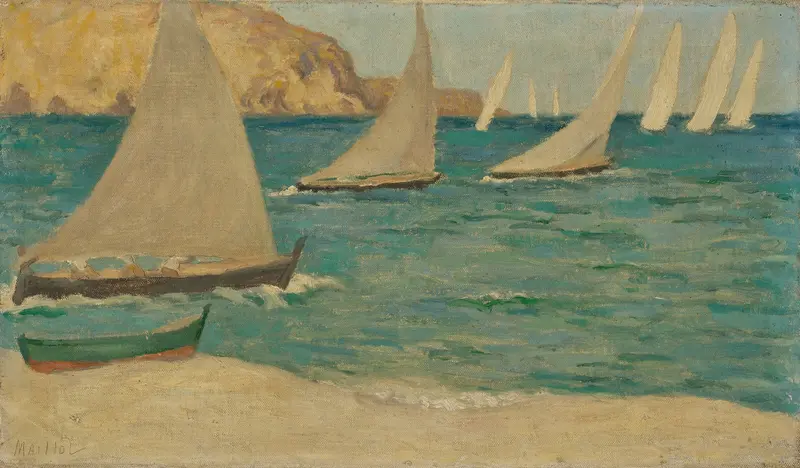
Les Régates
Aristide Maillol
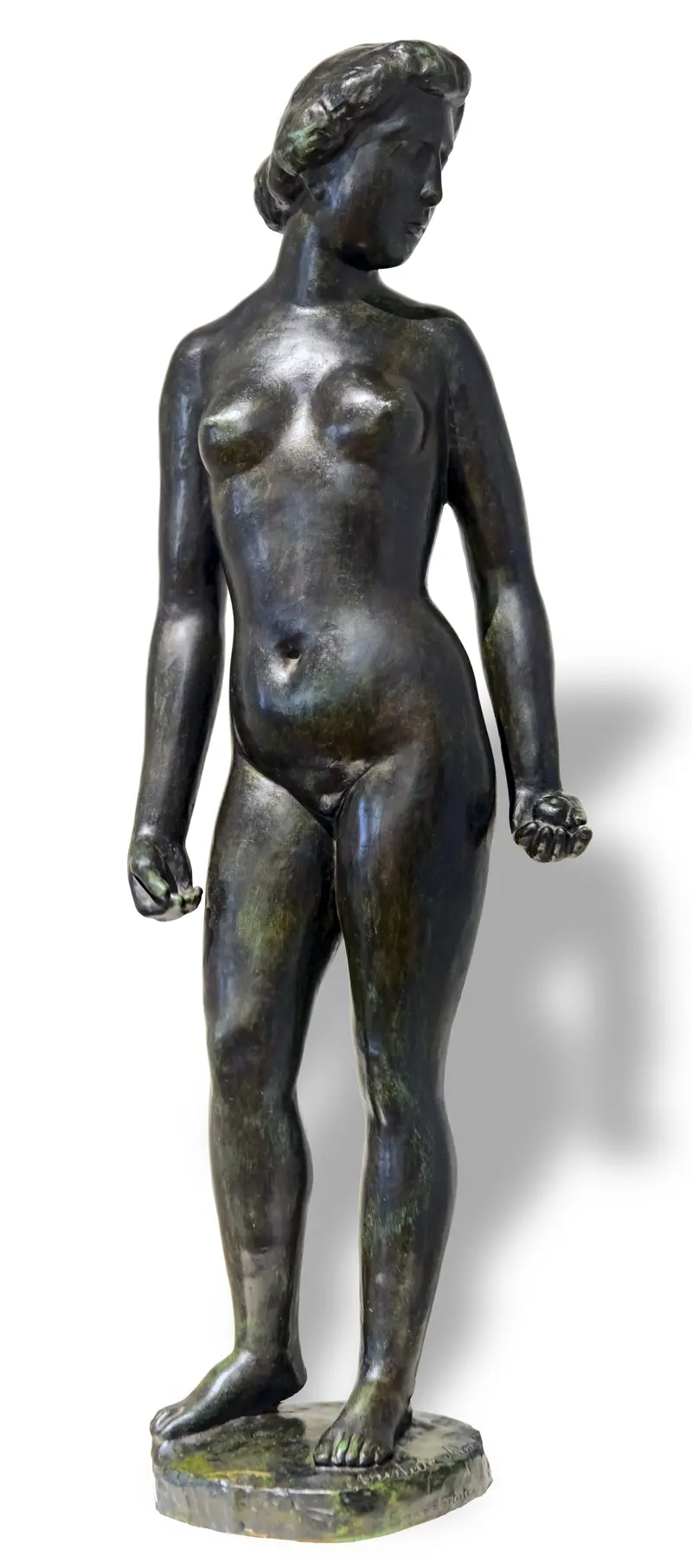
Eve with the Apple
Aristide Maillol
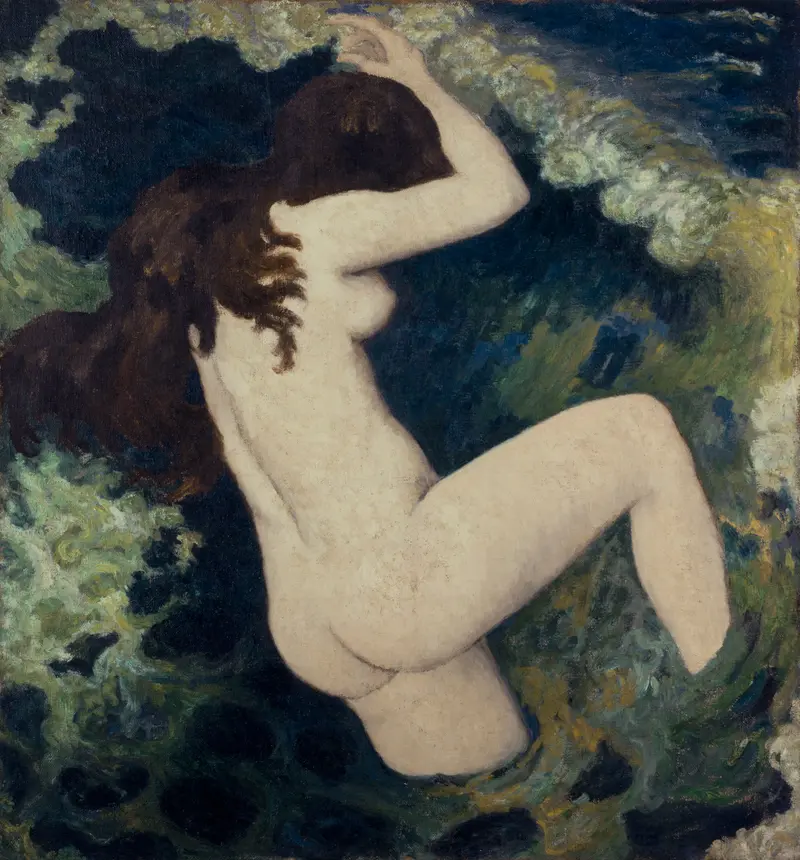
La vague
Aristide Maillol
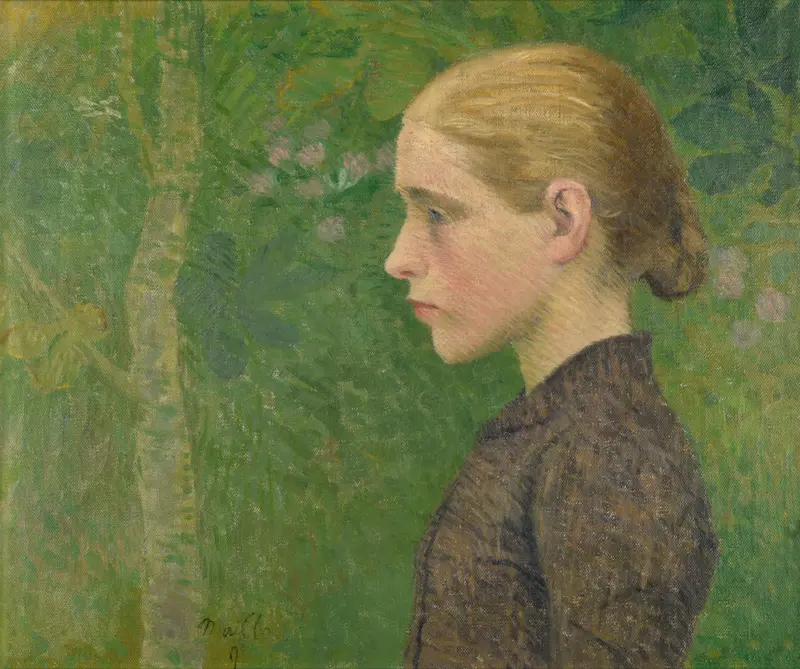
Jeune paysanne en buste
Aristide Maillol
Méditerranée
Aristide Maillol
Ile de France
Aristide Maillol
La Méditerranée
Aristide Maillol
Le Désir
Aristide Maillol
La Baigneuse drapée by Aristide Maillol
Aristide Maillol



