Discover insights about this artwork
Moonlight on the Beach — History & Facts
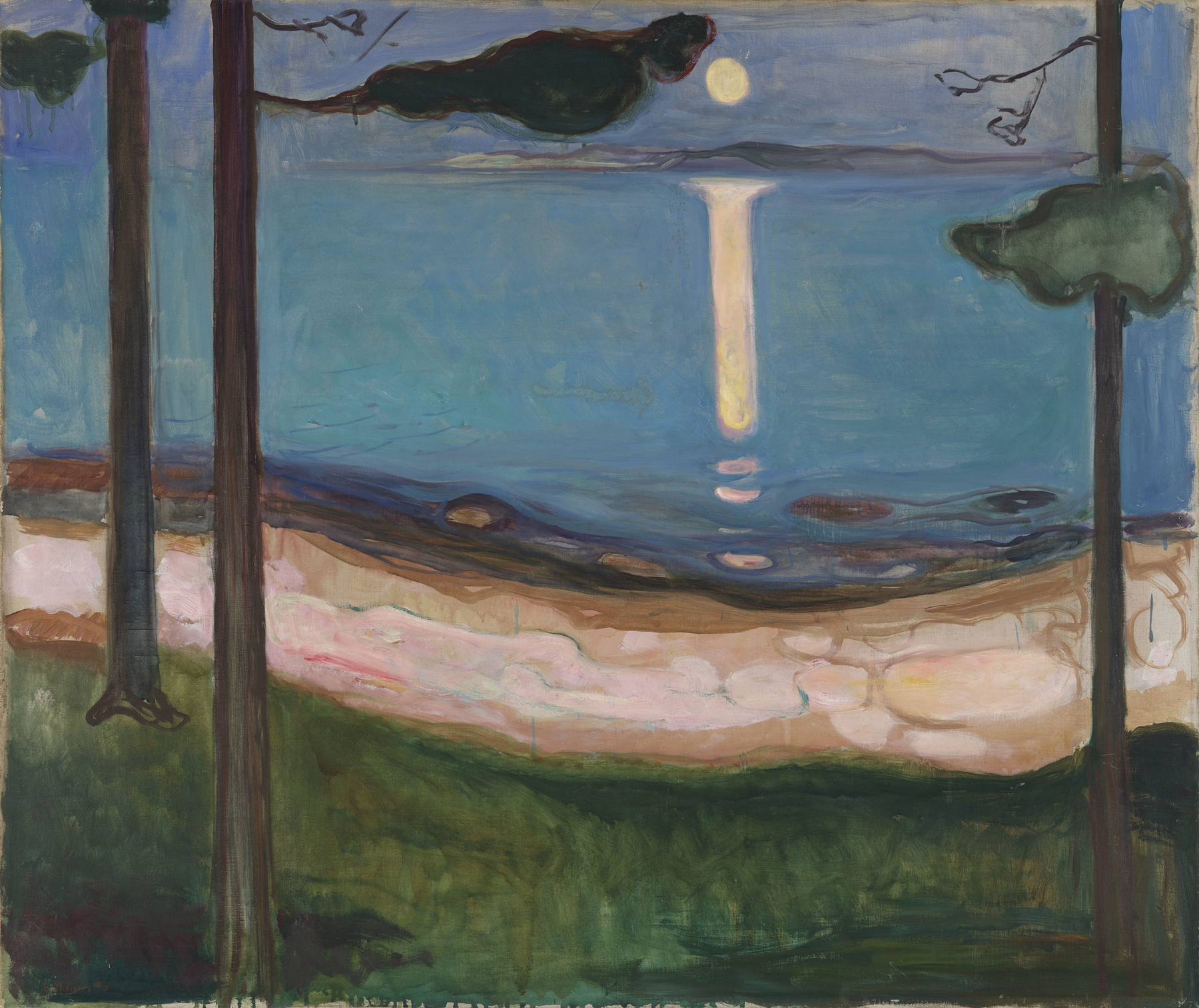
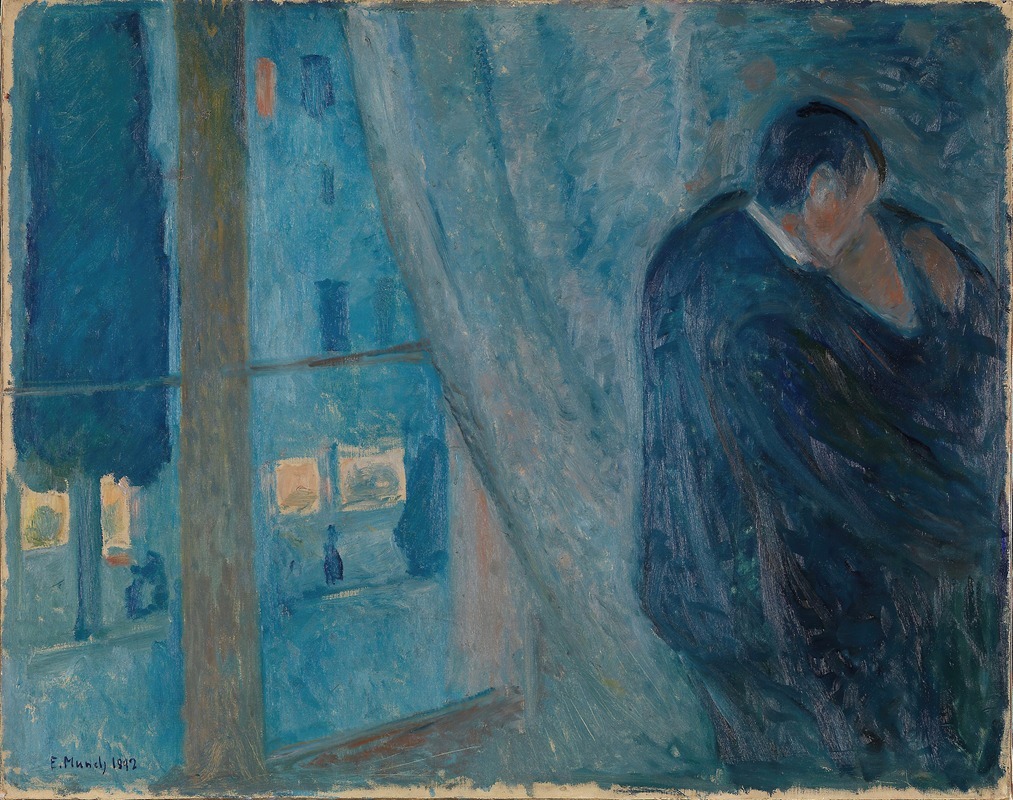
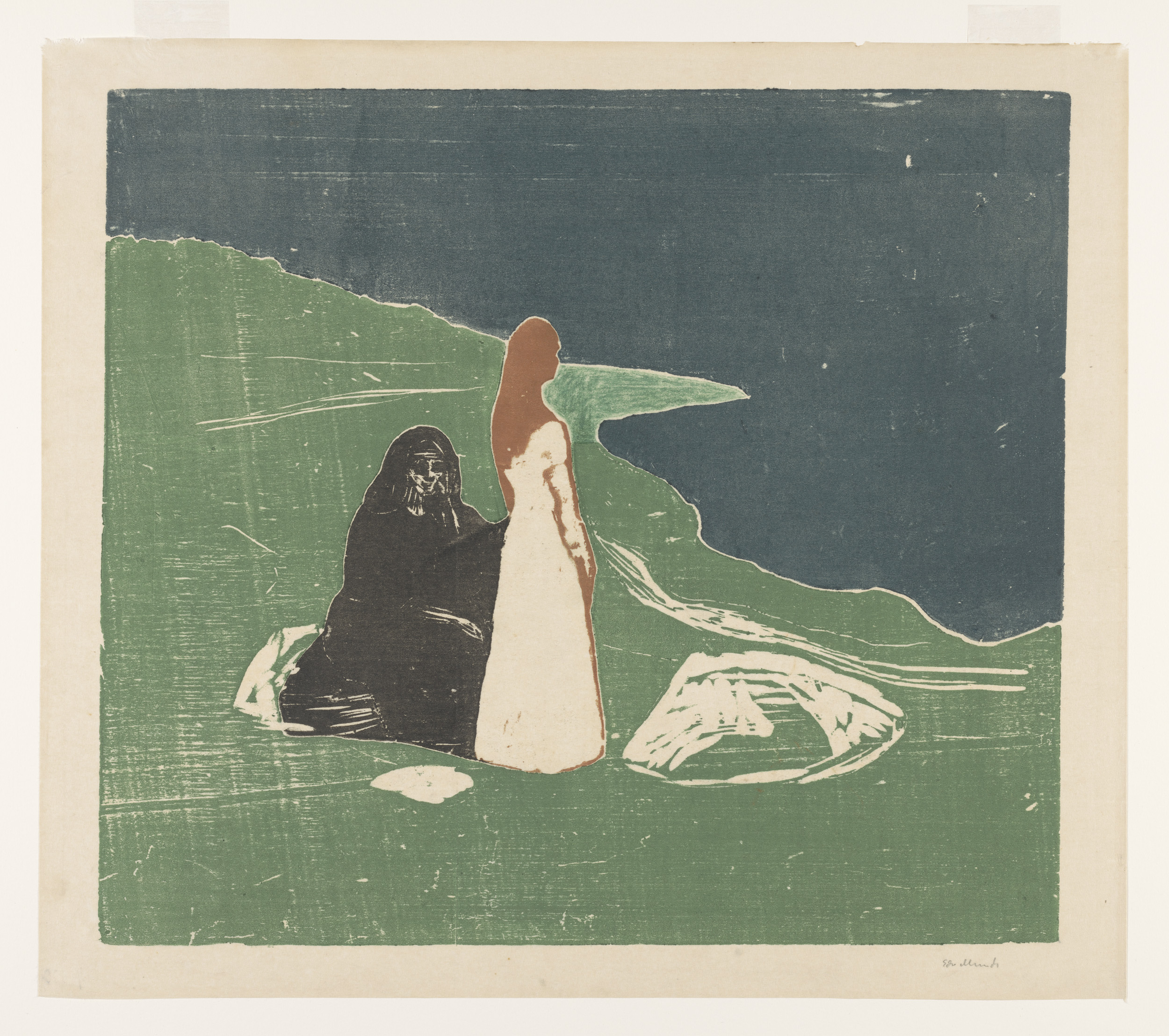
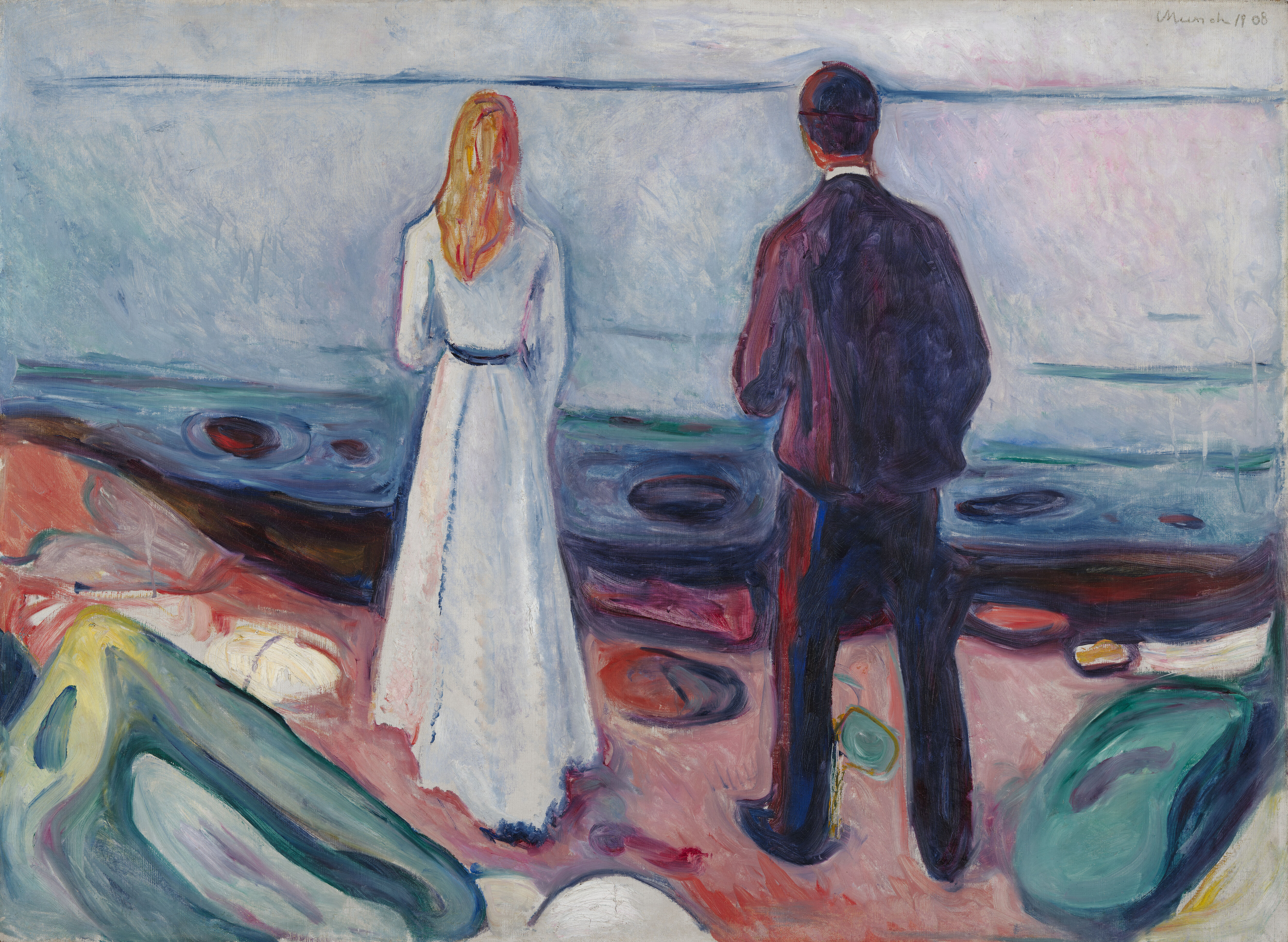
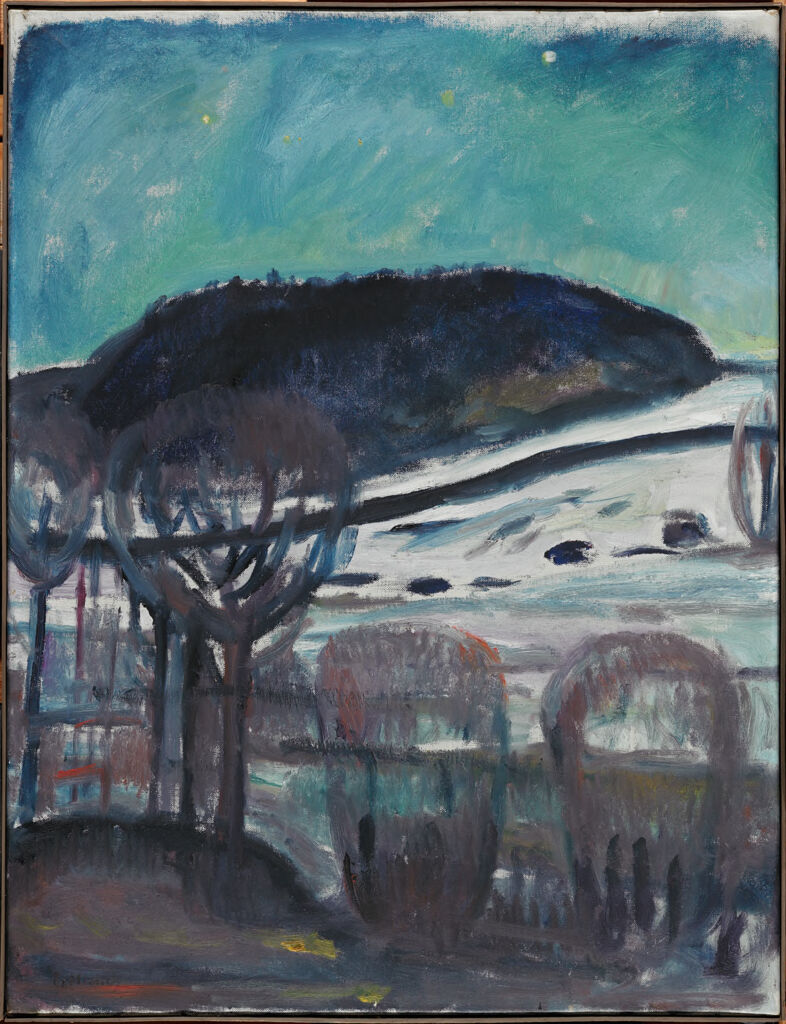
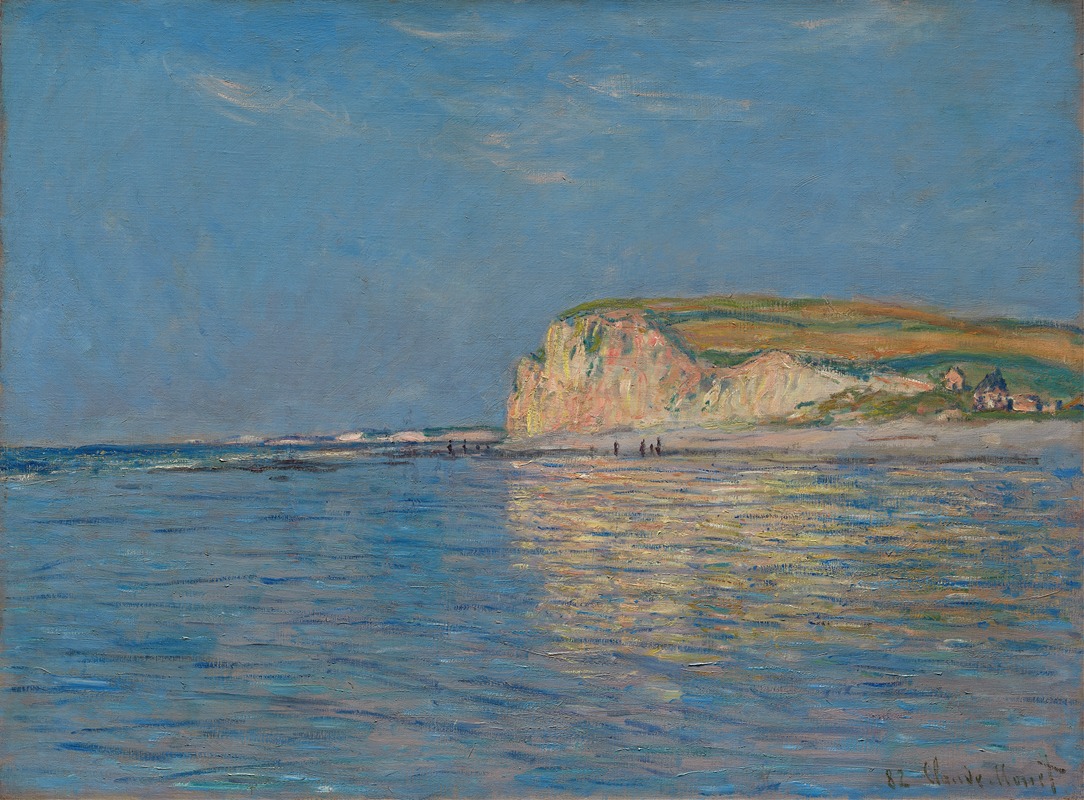
In Moonlight on the Beach, Edvard Munch presents a tranquil coastal scene bathed in soft moonlight. The painting features gentle waves lapping at the shore, with a serene sky that transitions from deep blue to lighter hues. Silhouetted figures can be seen walking along the beach, adding a sense of scale and human presence.
The overall color palette is dominated by cool tones, enhancing the calm atmosphere of the scene. The painting is executed in oil on canvas, a medium that allows for rich color and texture. Munch employs broad brushstrokes to create the fluidity of the water and the softness of the sky. The use of light and shadow is notable, as it highlights the contrast between the illuminated areas and the darker surroundings.
Viewers can appreciate the layering of colors that Munch uses to evoke depth and movement in the water. Edvard Munch, known for his exploration of psychological themes, painted Moonlight on the Beach during the late 19th century. This work reflects his fascination with nature and the emotional responses it can evoke. Interestingly, Munch often used the beach as a motif in his works, symbolizing both tranquility and existential contemplation.
This painting exemplifies his Symbolist style, where nature serves as a backdrop for deeper emotional experiences.