
Moonlit Night — History & Facts
A single, spectral house emerges from the darkness, its peaked roof and tower barely caught by the faintest suggestion of moonlight. The eye is drawn first to this solitary structure, half-swallowed by shadow, as if the night itself is encroaching upon it. The brushwork is loose, almost hesitant, allowing the forms to dissolve into the surrounding gloom; only the sharp triangle of the gable and the vertical thrust of the spire hold their ground.
The darkness is not empty, but thick with suggestion—trees, perhaps, or the wildness of an untended garden, all rendered in the same deep, velvety blacks and greys. The effect is one of quiet tension, the house both a refuge and a mystery, its story left untold. Painted around 1900, Moonlit Night belongs to a world on the brink of change. In Russia at the turn of the century, artists like Kazimir Malevich were just beginning to break with academic traditions, searching for new ways to capture the inner life of things.
This work, documented in Andrei Nakov’s catalogue raisonné, stands at the threshold: its subject is rooted in the familiar genre of nocturnes and moonlit landscapes, yet its execution hints at the abstraction and innovation that would soon define Malevich’s career. Little is recorded of the painting’s journey or purpose, but its atmosphere speaks to a time when the boundaries between seen and unseen, real and imagined, were being quietly redrawn. The longer you look, the more the darkness seems to pulse with possibilities.
More Artworks by Kazimir Malevich
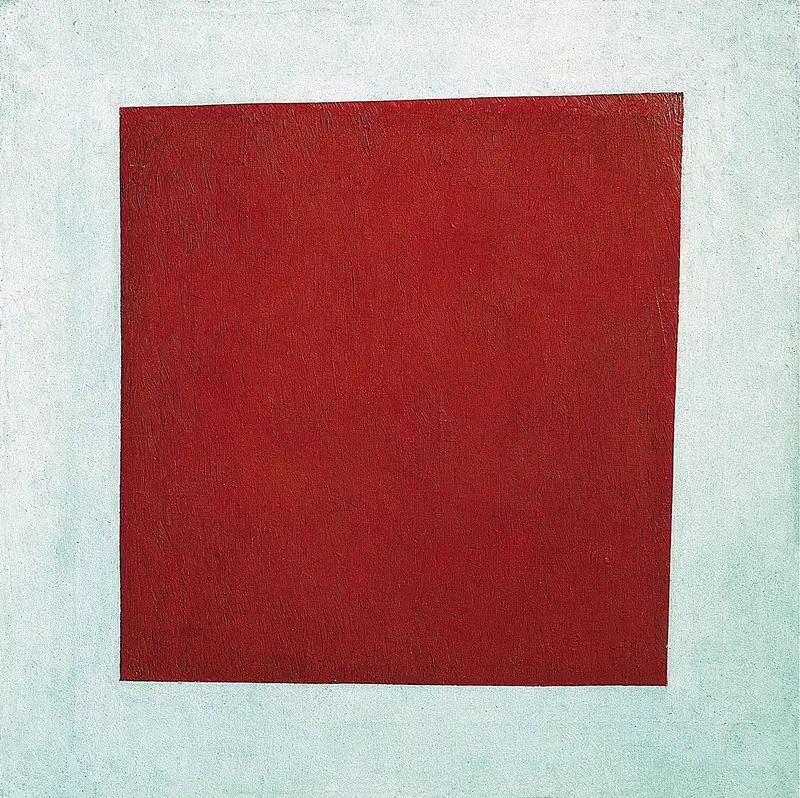
Red Square
Kazimir Malevich
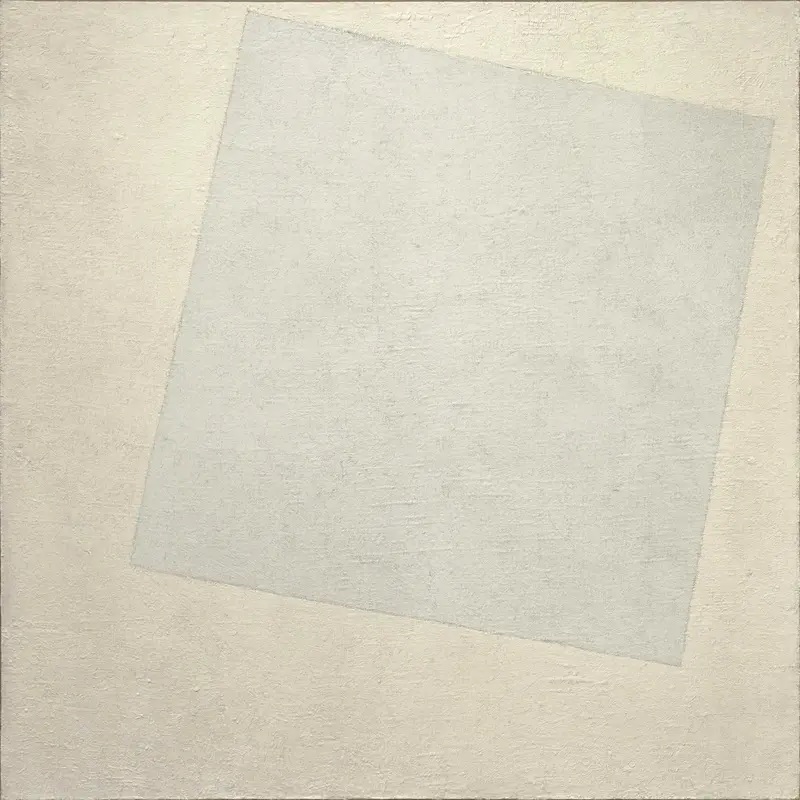
Suprematist Composition: White on White
Kazimir Malevich
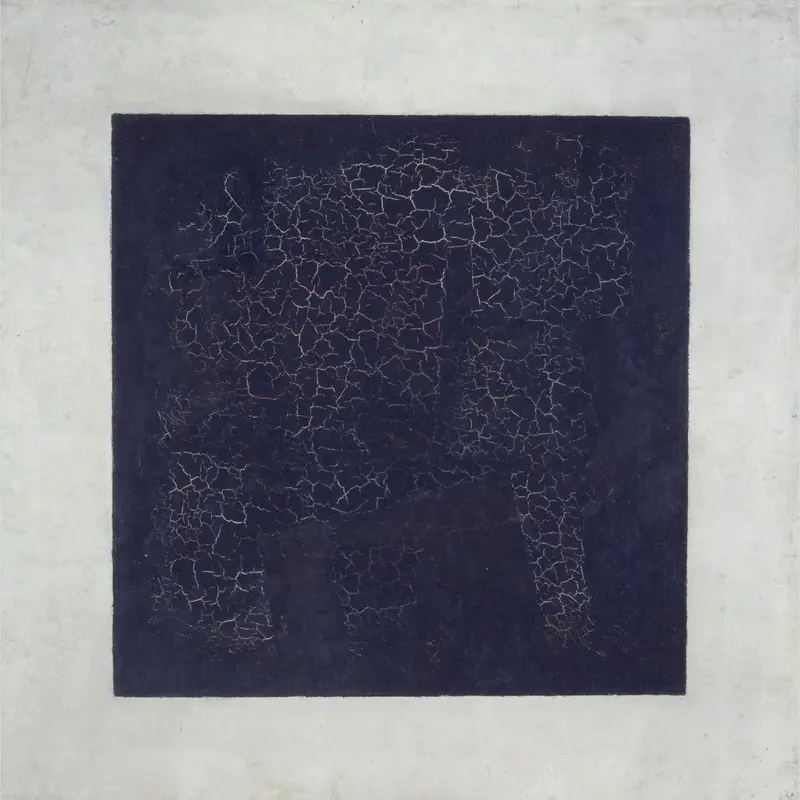
Black Square
Kazimir Malevich
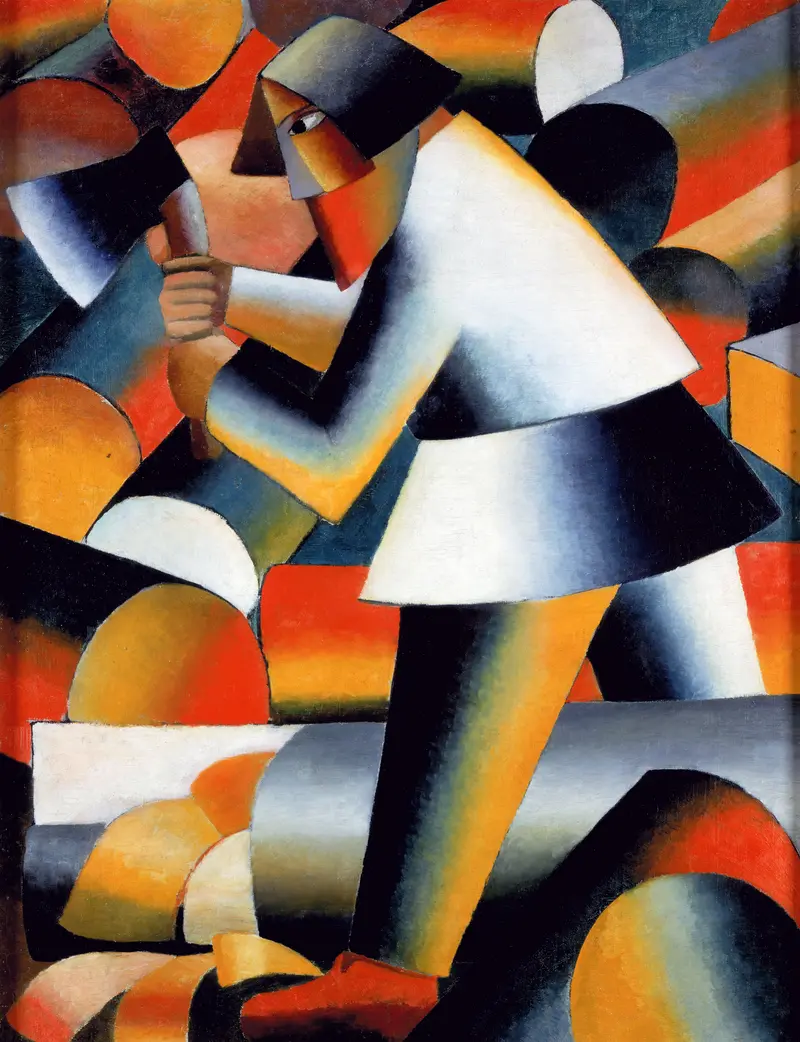
The Woodcutter
Kazimir Malevich

Untitled
Kazimir Malevich
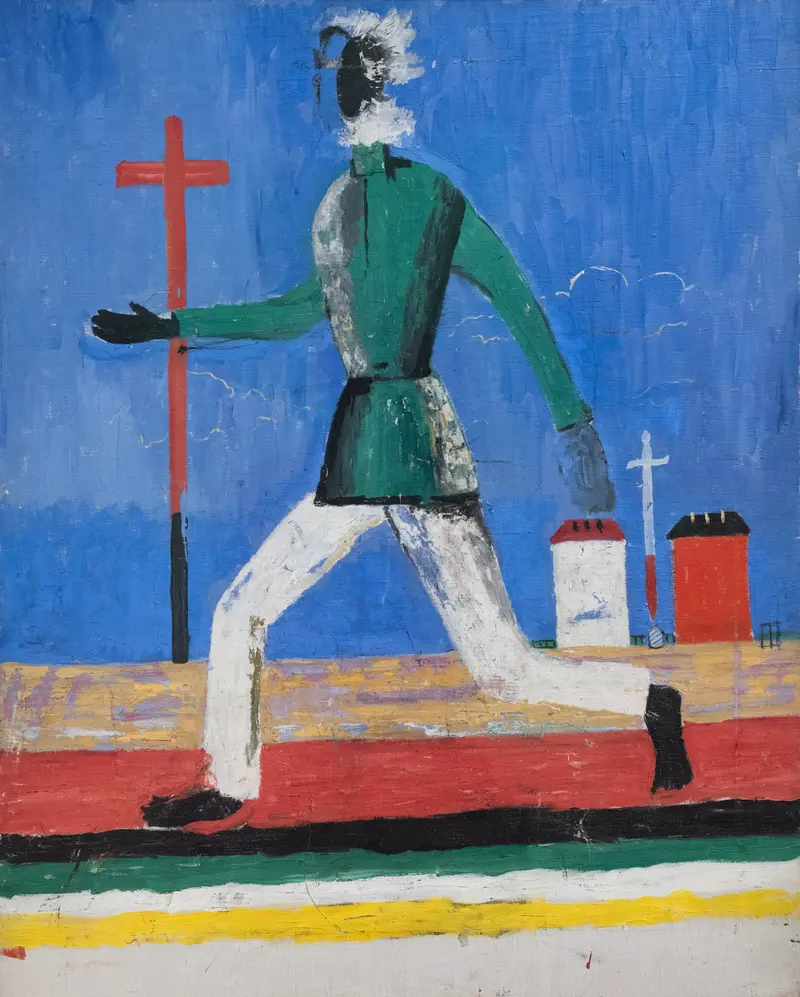
Sensation of danger
Kazimir Malevich
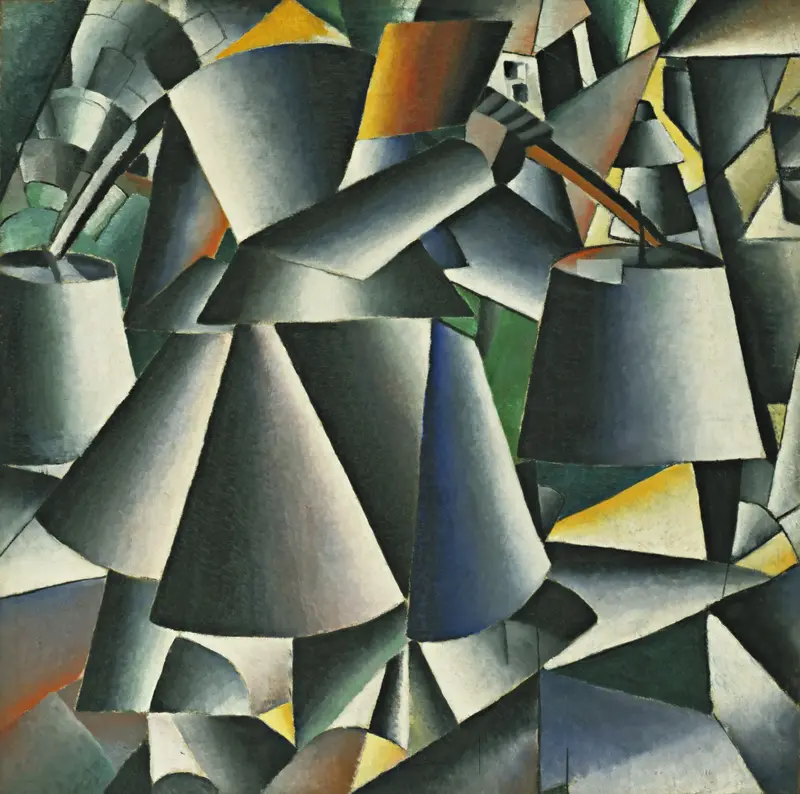
Woman with Pails: Dynamic Arrangement
Kazimir Malevich
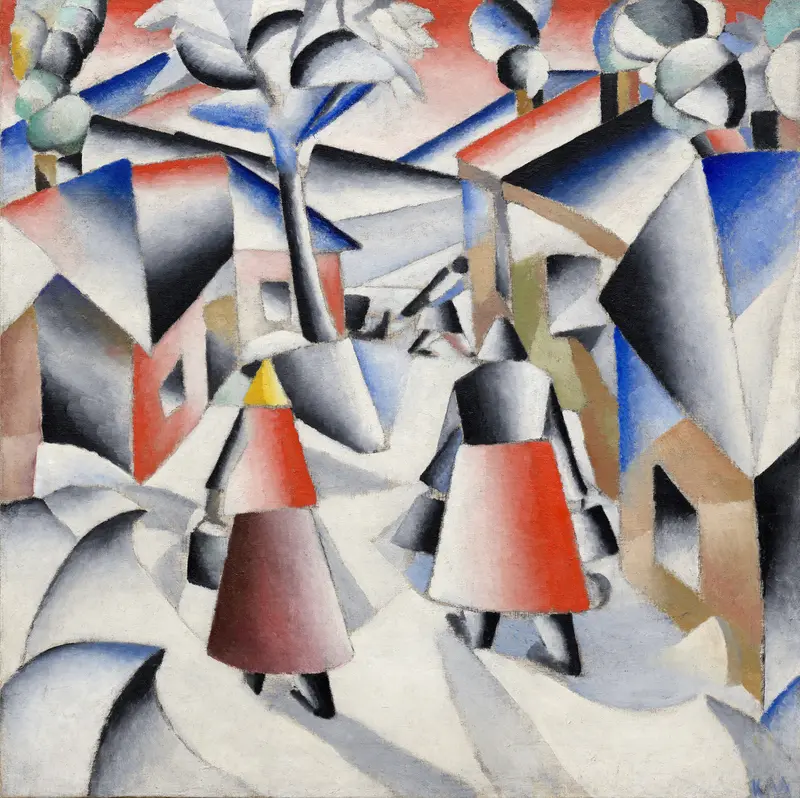
Morning in the Village after Snowstorm
Kazimir Malevich
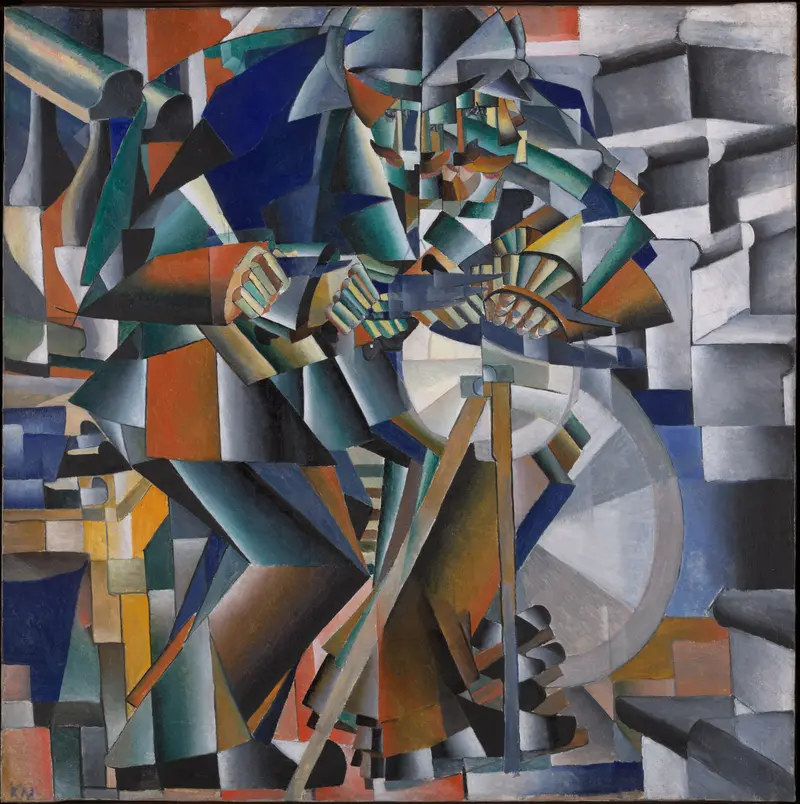
The Knife Grinder
Kazimir Malevich
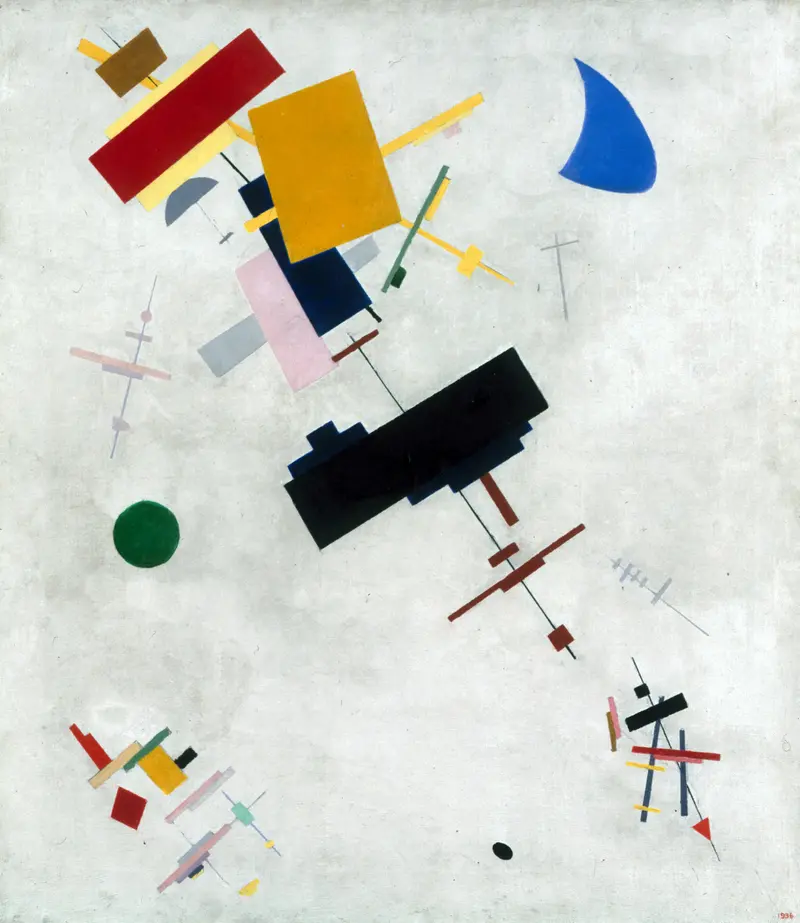
Suprematism (Supremus no. 56)
Kazimir Malevich
More Landscape Art

The Starry Night
Vincent van Gogh

View of Delft
Johannes Vermeer

Water Lilies
Claude Monet

The Grand Canal, Venice, looking north-west from the Ca' Corner to the Ca' Contarini degli Scrigni, with the campanile of Santa Maria della Carità
Canaletto

Windsor Castle
Canaletto

The Grand Canal looking North-East from the Palazzo Dolfin-Manin to the Rialto Bridge
Canaletto