
Morning in the Nievre — History & Facts
In a world spiraling towards revolution, the stillness of nature cradles an awakening that transcends time and turmoil. Focus on the soft hues of dawn that bathe the landscape, where the gentle gradients of blue and gold blend seamlessly in the sky. Notice how the early light dances across the foliage, illuminating the trees that stand sentinel over a tranquil scene. The foreground reveals a tranquil river, its surface reflecting the celestial colors above, while a lone figure can be seen in the distance, almost ethereal amidst the vastness of the verdant surroundings.
Each stroke of the brush captures both the fragility and resilience of life, inviting viewers to linger in this moment of serene beauty. Delve deeper into the composition to uncover the subtle contrast between light and shadow, symbolizing the tensions of the era. The soft luminosity hints at hope while the darker areas suggest the uncertainty of change lurking just beyond the horizon. Harpignies captures not only a picturesque landscape but embodies the emotional weight of a time when nature offered solace, a refuge from the chaos of societal upheaval.
The harmony in the colors conveys a sense of peace, yet the presence of the solitary figure invokes the question of isolation amid collective unrest. In 1877, Harpignies painted this work while living in France, a country on the cusp of profound political change. The aftermath of the Franco-Prussian War and the rise of the Commune had left the nation in turmoil, influencing the artistic community and pushing artists toward seeking solace in landscapes. This piece reflects both a longing for tranquility and the artist's own desire to capture the fleeting beauty of a world on the verge of revolution.
More Artworks by Henri-Joseph Harpignies
Browse all →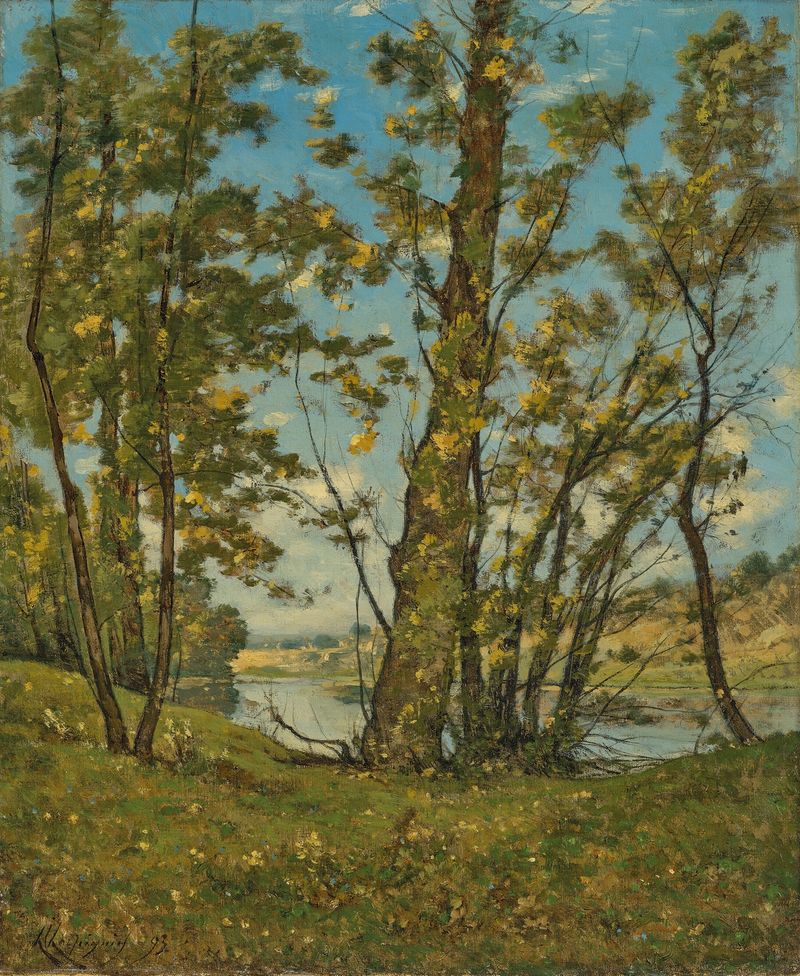
La Loire à Bonny
Henri-Joseph Harpignies
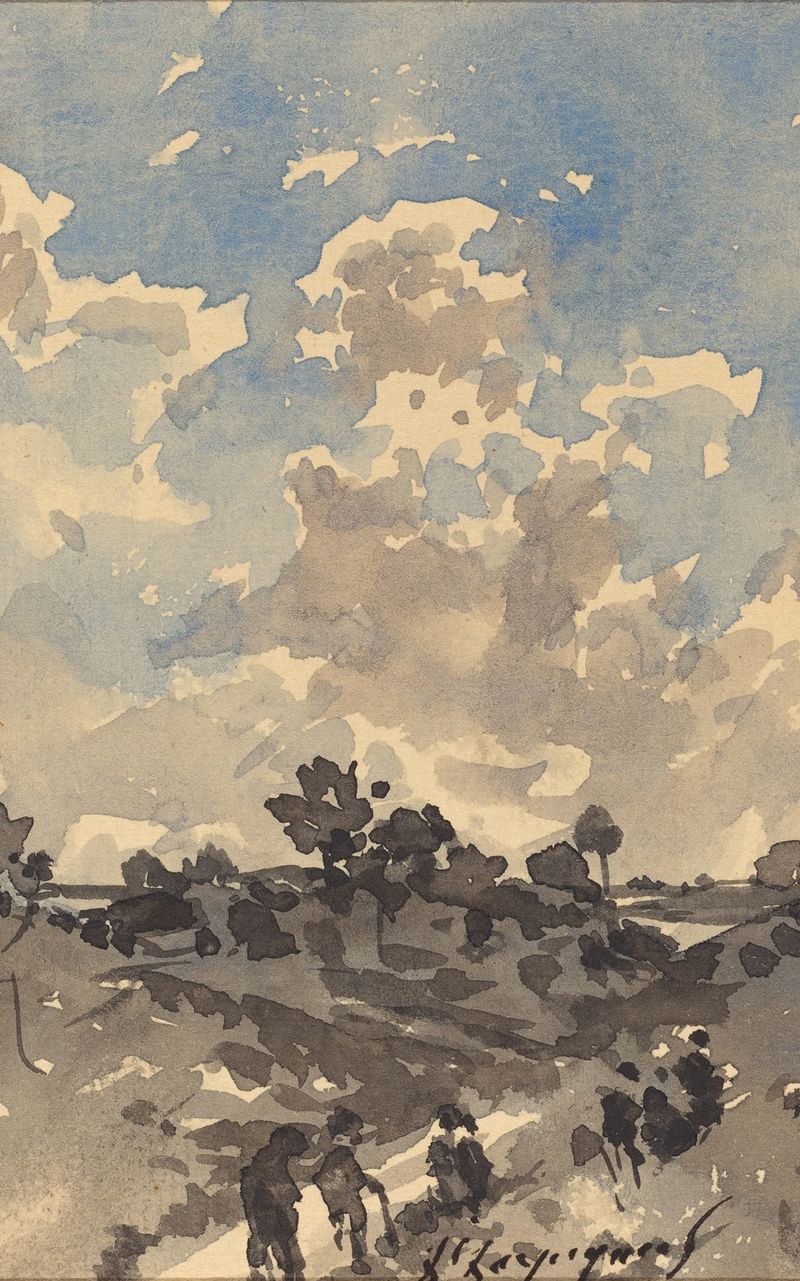
A Landscape with Figures Walking along a Path
Henri-Joseph Harpignies
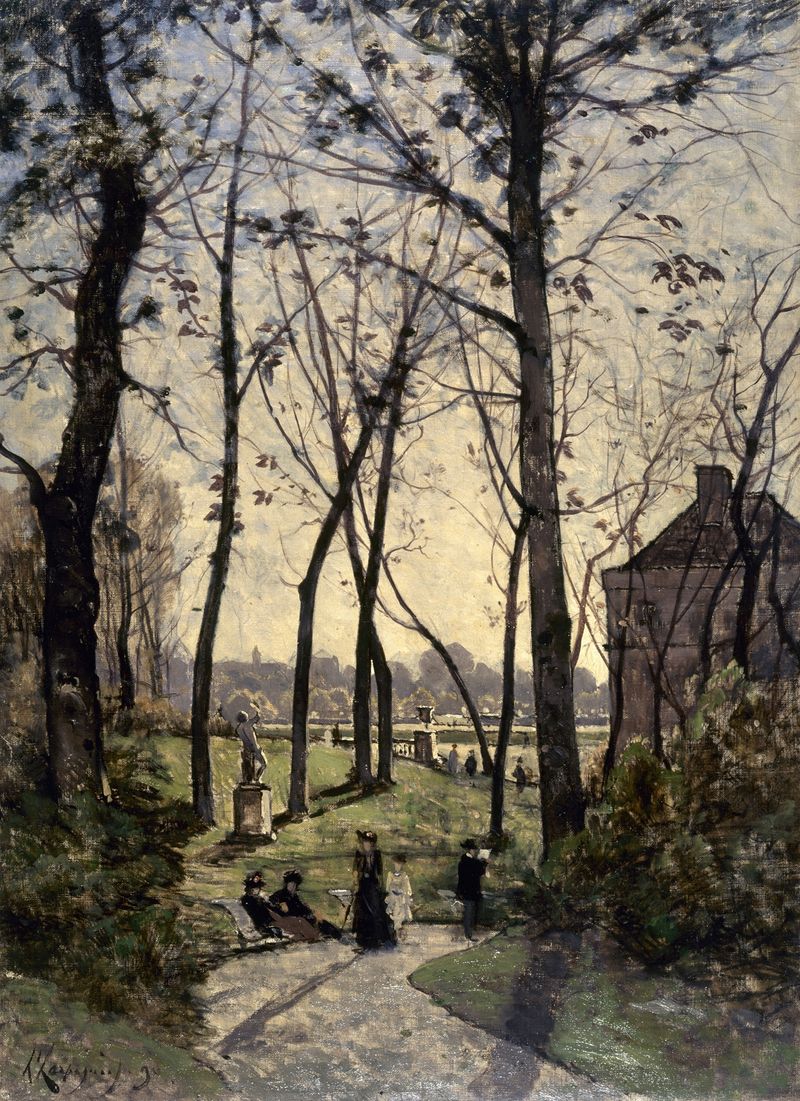
Le jardin du Luxembourg
Henri-Joseph Harpignies
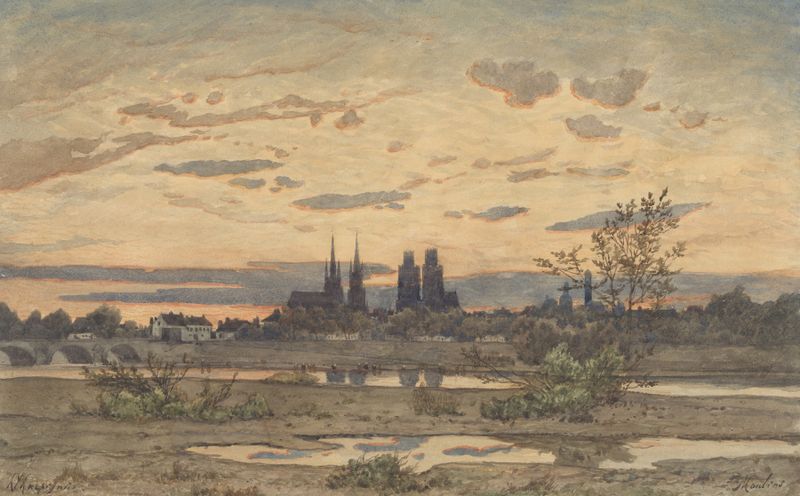
A View of Moulins
Henri-Joseph Harpignies
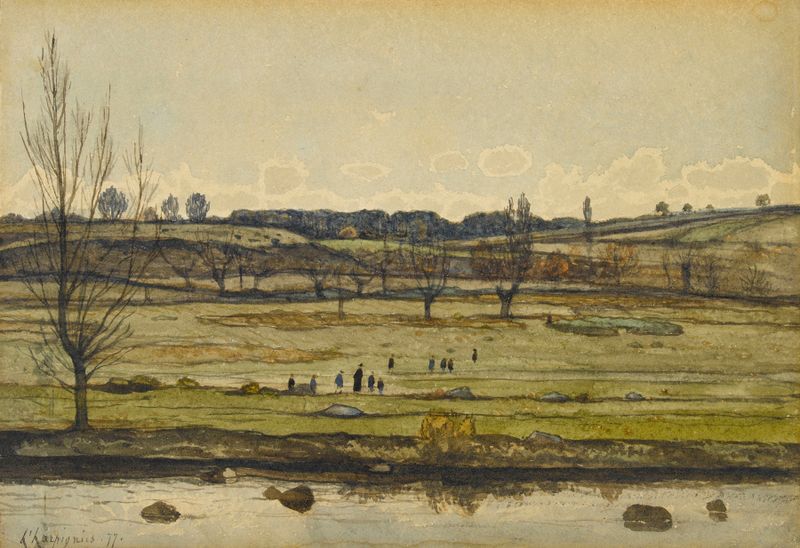
Paysage
Henri-Joseph Harpignies
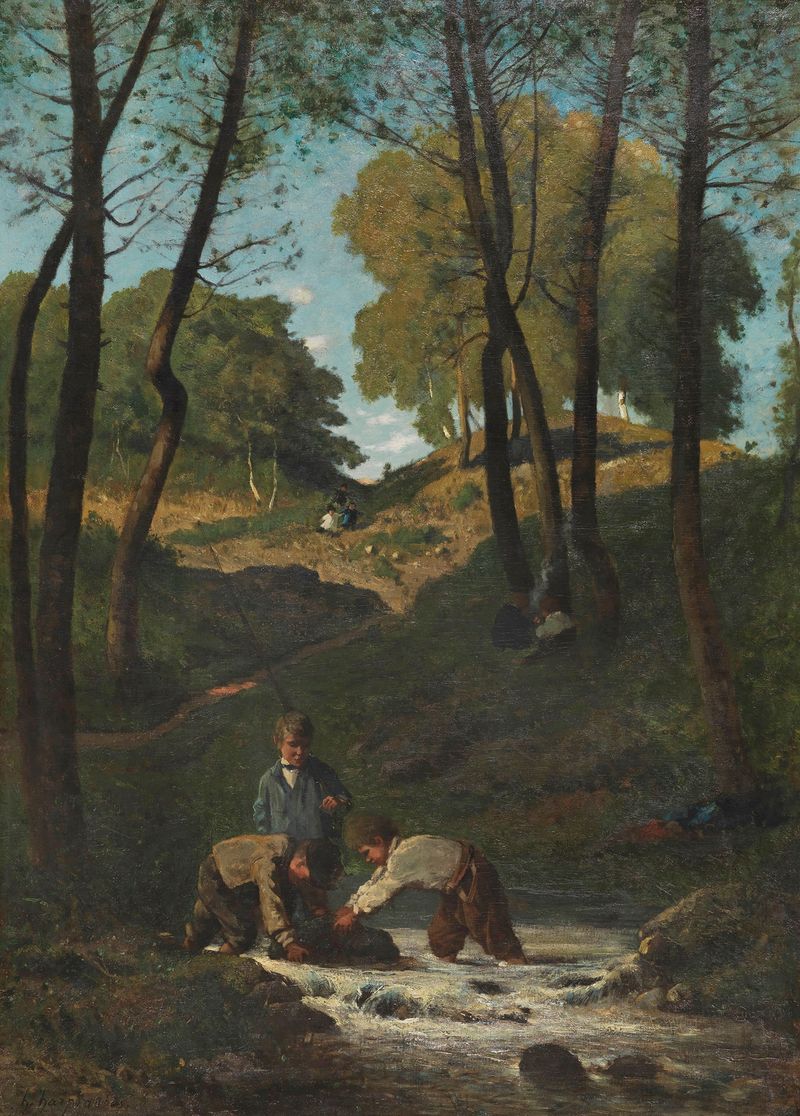
Chercheurs d’écrevisses
Henri-Joseph Harpignies
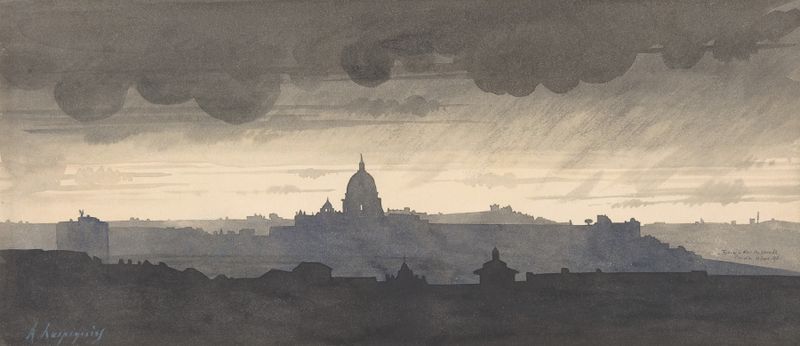
Saint Peter’s Seen From the Pincio, Rome
Henri-Joseph Harpignies
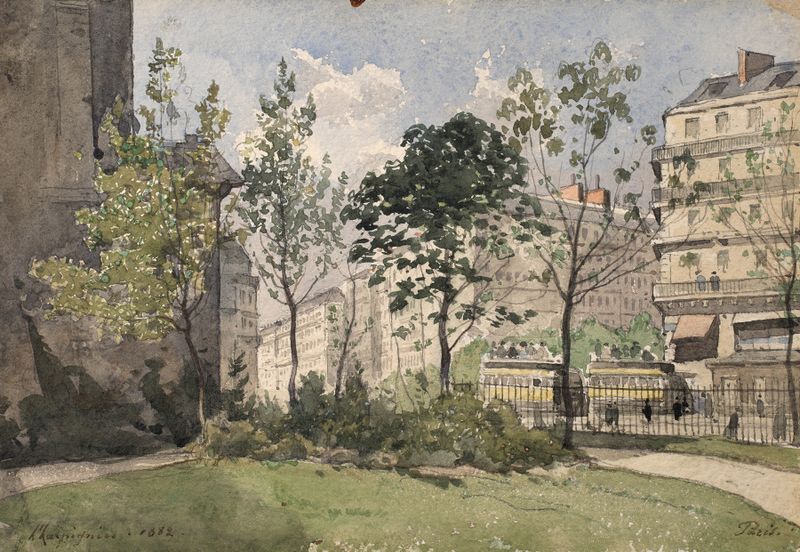
View of the forecourt of the Saint-Germain-des-Prés church
Henri-Joseph Harpignies
Le Colisée à Rome
Henri-Joseph Harpignies

Villefranche
Henri-Joseph Harpignies





