
Mortham Tower — History & Facts
Is this a mirror — or a memory? The stillness of Mortham Tower captures a moment where time suspends, allowing us to confront the whispers of history and the echoes of violence etched into stone. Look to the left at the imposing silhouette of the tower, its weathered stones rising against a bruised sky that hints at an impending storm. The artist's deft brushwork creates a stark contrast between the harsh, angular lines of the structure and the fluid softness of the landscape surrounding it. Notice how the cool blues and grays of the clouds bleed into the warm earth tones of the foreground, suggesting a world caught in the throes of conflict and memory. Within the frame, subtle tensions emerge; the tower, a fortress of past violence, stands resolute yet vulnerable, as if bearing witness to secrets it cannot share.
Flowers in the foreground hint at nature’s resilience amidst ruin, while the rough texture of the stones conveys the weight of history. Each brushstroke seems to invoke a dual narrative — one of strength and one of mourning, urging us to confront the layers of experience embedded in its walls. Theodore Henry Adolphus Fielding painted this work in 1825 while residing in England, a time when Romanticism steeped the art world in emotional depth and a fascination with nature's tumultuous beauty. As he explored the themes of ruin and resilience in his landscapes, he reflected the broader societal shifts and the Victorian obsession with the past, encapsulating a culture in the throes of modernity while longing for forgotten glories.
More Artworks by Theodore Henry Adolphus Fielding
Browse all →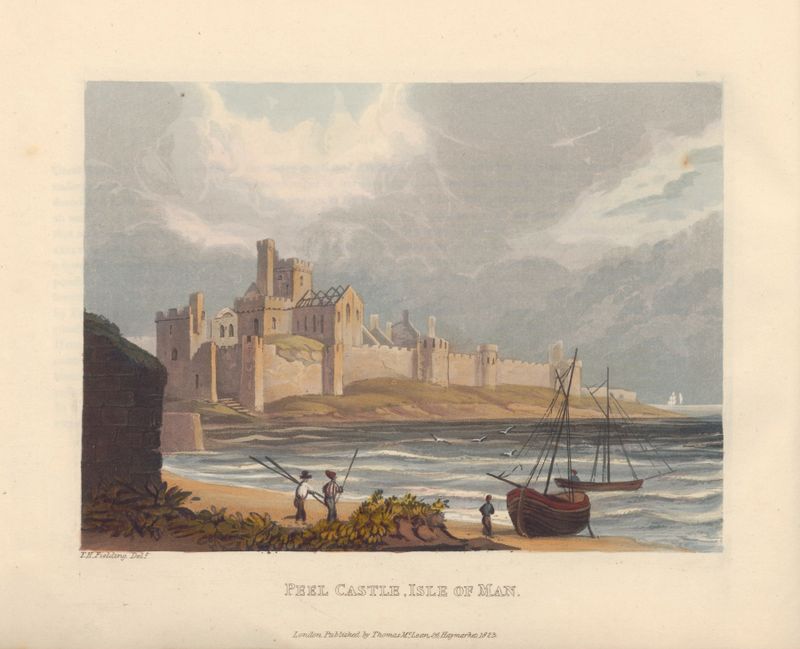
Peel Castle, Isle of Man
Theodore Henry Adolphus Fielding
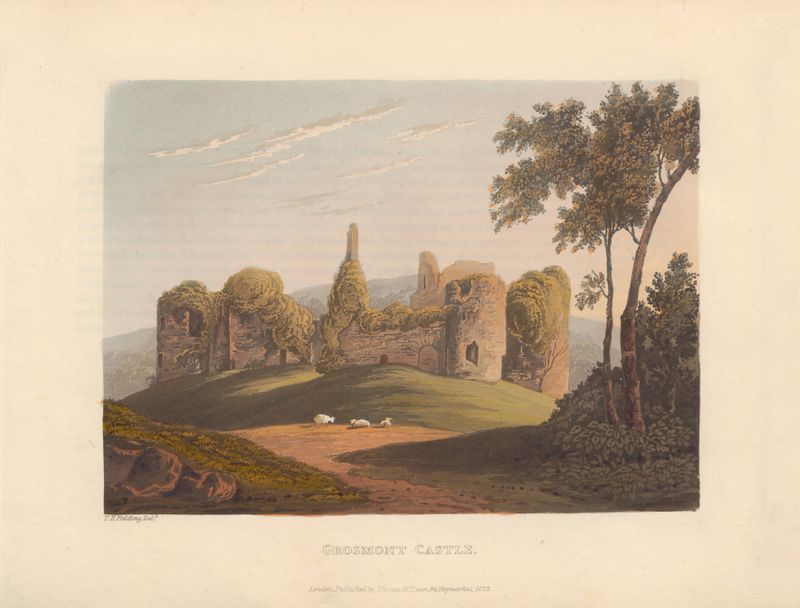
Grosmont Castle
Theodore Henry Adolphus Fielding
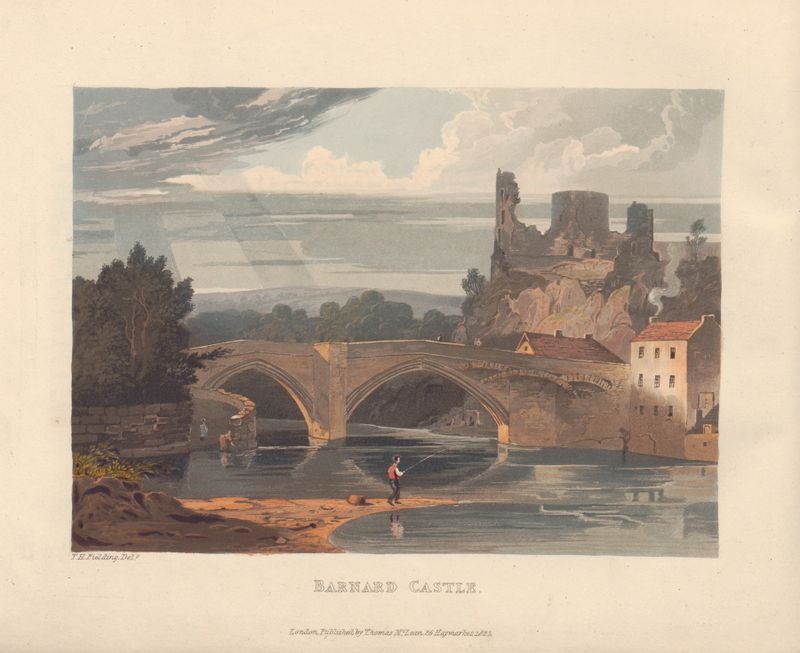
Barnard Castle
Theodore Henry Adolphus Fielding
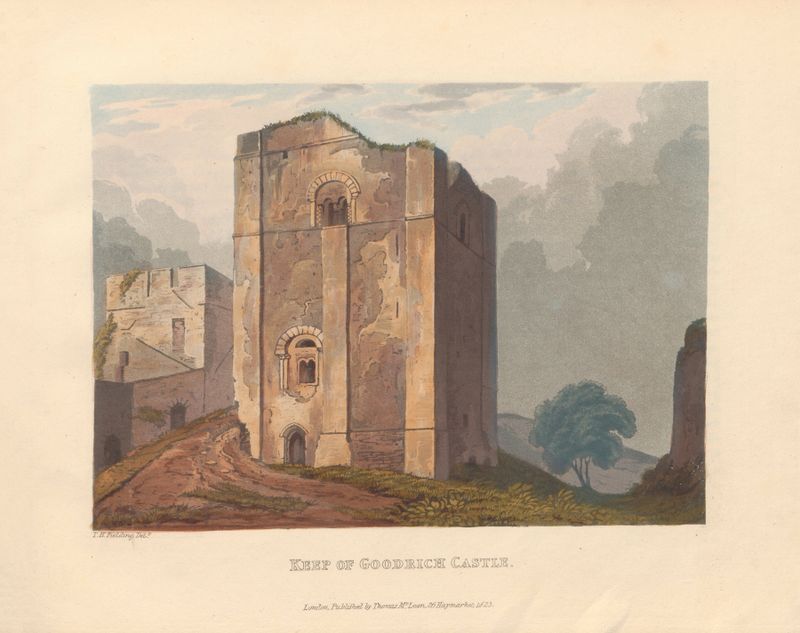
Keep of Goodrich Castle
Theodore Henry Adolphus Fielding
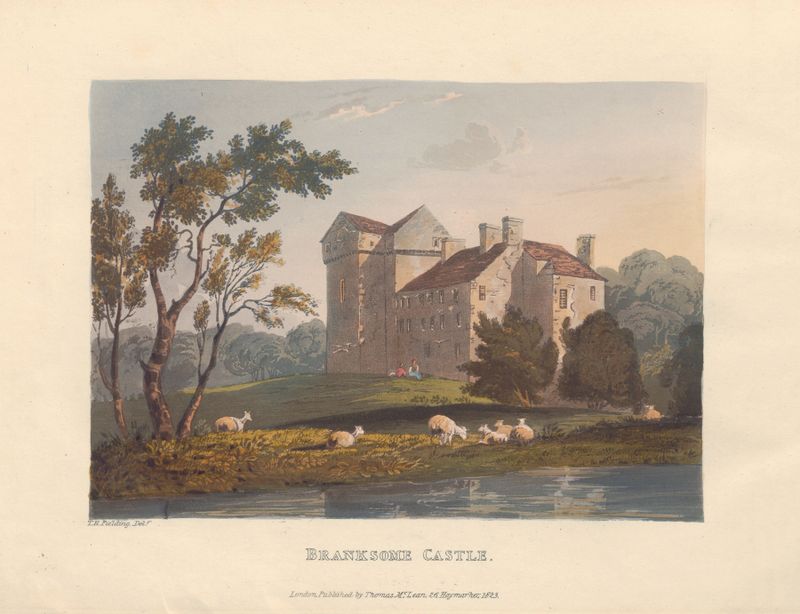
Branksome Castle
Theodore Henry Adolphus Fielding
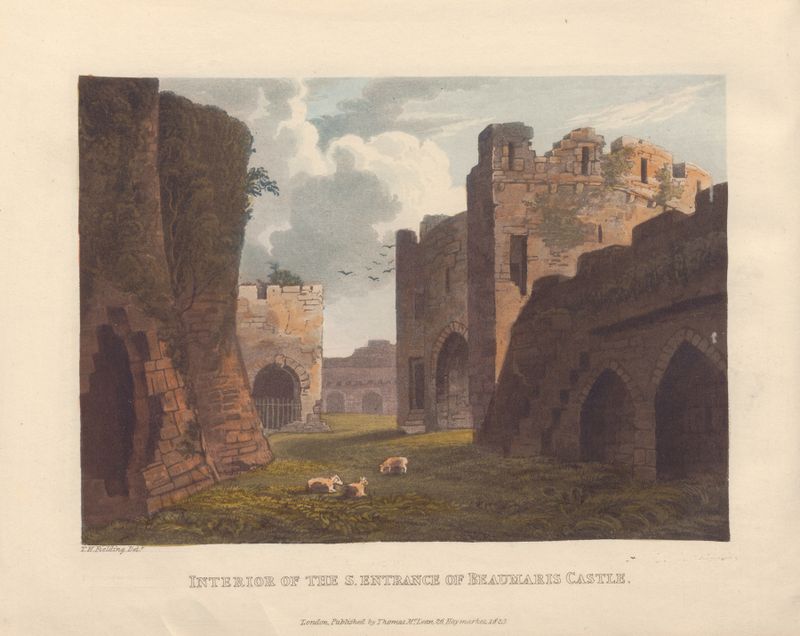
Interior of the south entrancce of Beaumaris Castle
Theodore Henry Adolphus Fielding
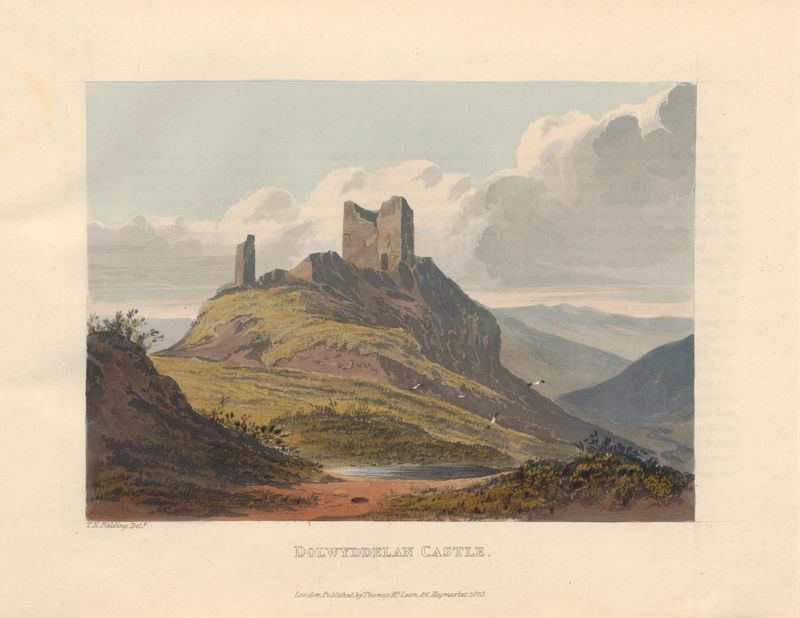
Dolwyddelan Castle
Theodore Henry Adolphus Fielding
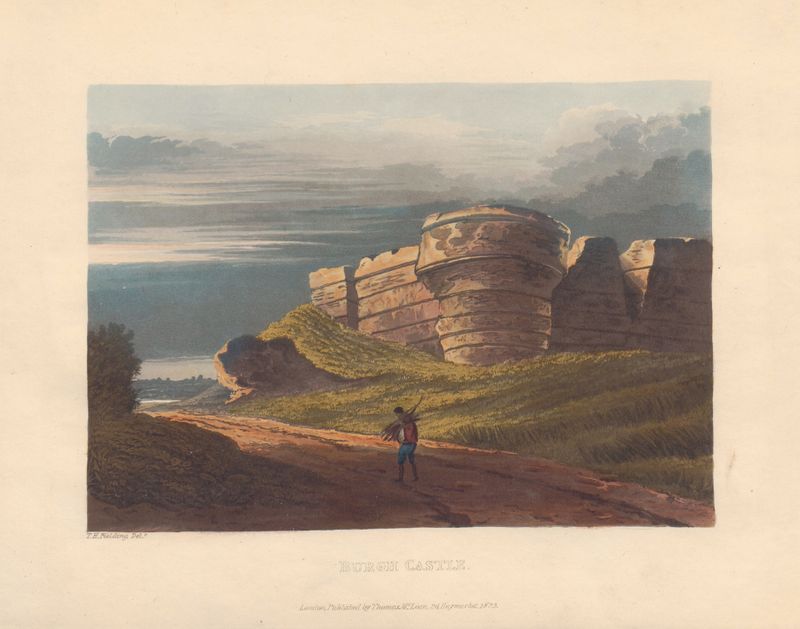
Burgh Castle
Theodore Henry Adolphus Fielding
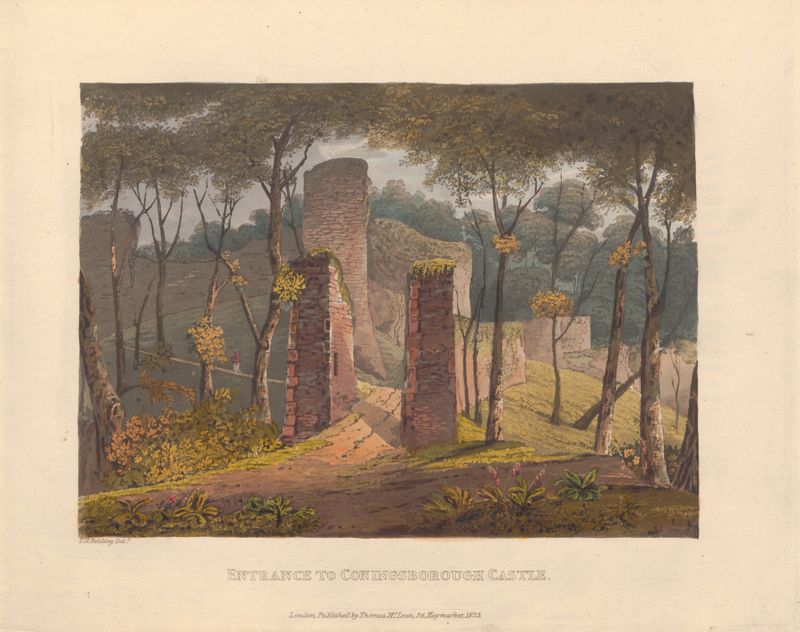
Entrance to Coningsborough Castle
Theodore Henry Adolphus Fielding
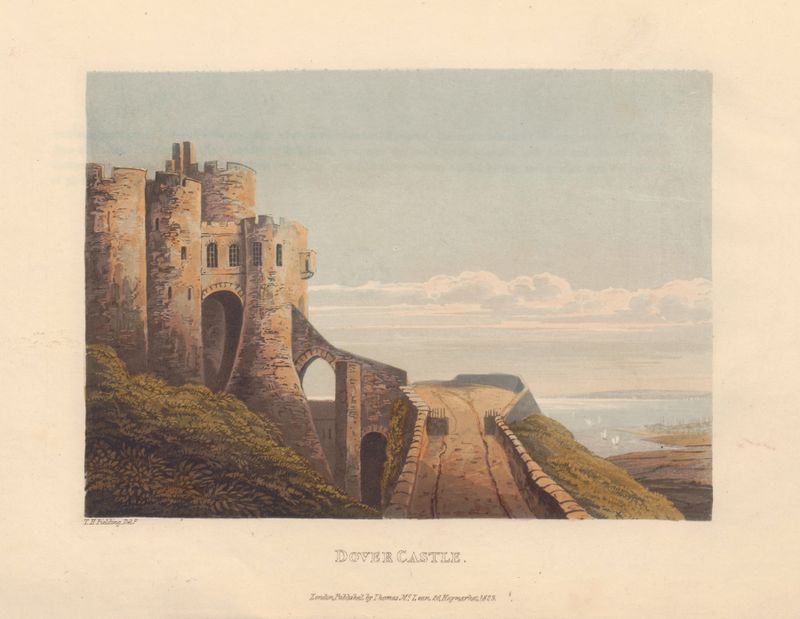
Dover Castle
Theodore Henry Adolphus Fielding
More Architecture Art
Browse all →
The statue of Liberty
Frédéric Auguste Bartholdi

View of Houses in Delft, Known as ‘The Little Street’
Johannes Vermeer

View of Houses in Delft, Known as ‘The Little Street’
Johannes Vermeer

The Cathedral in Rouen. The portal, Grey Weather
Claude Monet

The yellow house
Vincent van Gogh

The Church in Auvers-sur-Oise, View from the Chevet
Vincent van Gogh