
Moscow, View Toward the Factory — History & Facts
A city pulses with life even in the depths of winter, and in Moscow, View Toward the Factory, the eye is drawn first to the rhythmic geometry of red-brick buildings, their roofs capped with thick, icy blue. The artist, Abraham Manievich, chooses not a grand boulevard or a famous church, but the dense, industrial heart of Moscow—an urban labyrinth where smoke and snow mingle in the pale light. Notice how the brushwork seems almost to vibrate, as if the city itself is shivering with energy: the factory chimneys thrust upward, slicing the sky, while the rooftops catch the fleeting glow of a low sun.
The palette—cool blues and fiery reds—sets up a tension that animates the entire scene, making the architecture feel alive and restless. Painted in 1916, this work stands at the crossroads of a world on the brink of upheaval. Factories like these were the engines of Moscow’s transformation, symbols of both progress and the grinding realities of urban labor. In the years leading up to the Russian Revolution, artists in Russia grappled with the changing city, and scenes like this would have spoken to the anxieties and hopes of the moment.
Manievich’s bold colors and thick impasto recall the experiments of the Russian avant-garde, yet his gaze remains fixed on the real city, not an abstraction. History has kept few traces of this particular painting’s journey, but its date and subject place it squarely in the ferment of early twentieth-century Moscow—a city whose story is written in brick, smoke, and snow. Look again at those rooftops: each brushstroke is a record of a world in motion.
More Artworks by Abraham Manievich
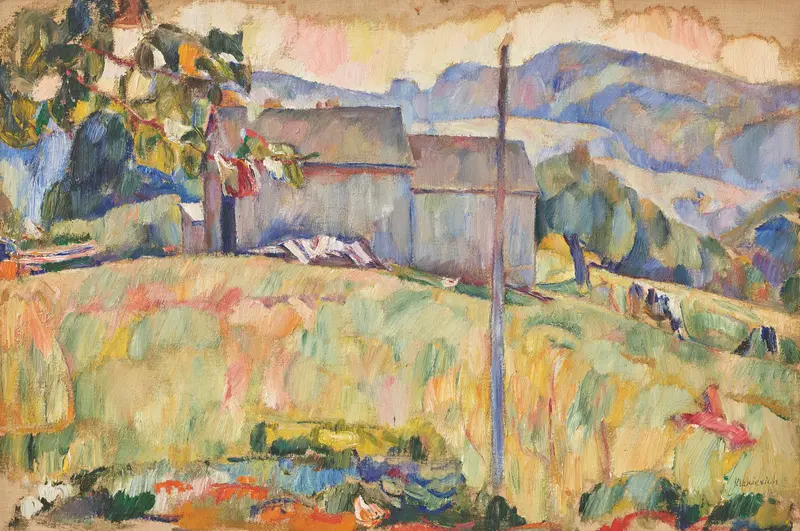
Summer landscape
Abraham Manievich

Early Spring
Abraham Manievich
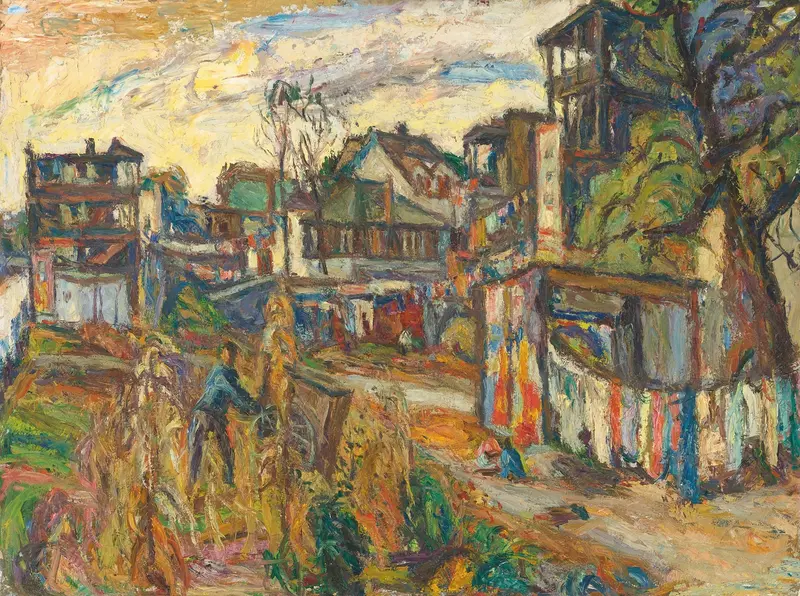
City Scene
Abraham Manievich
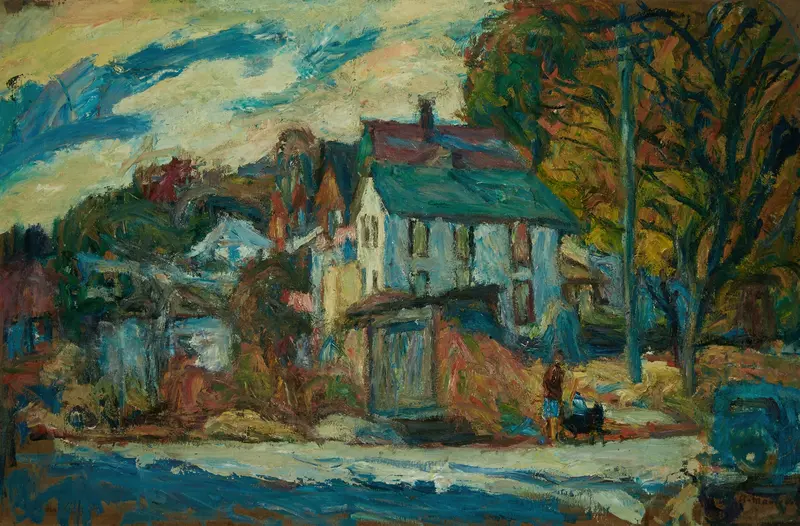
Autumn. White Plains
Abraham Manievich
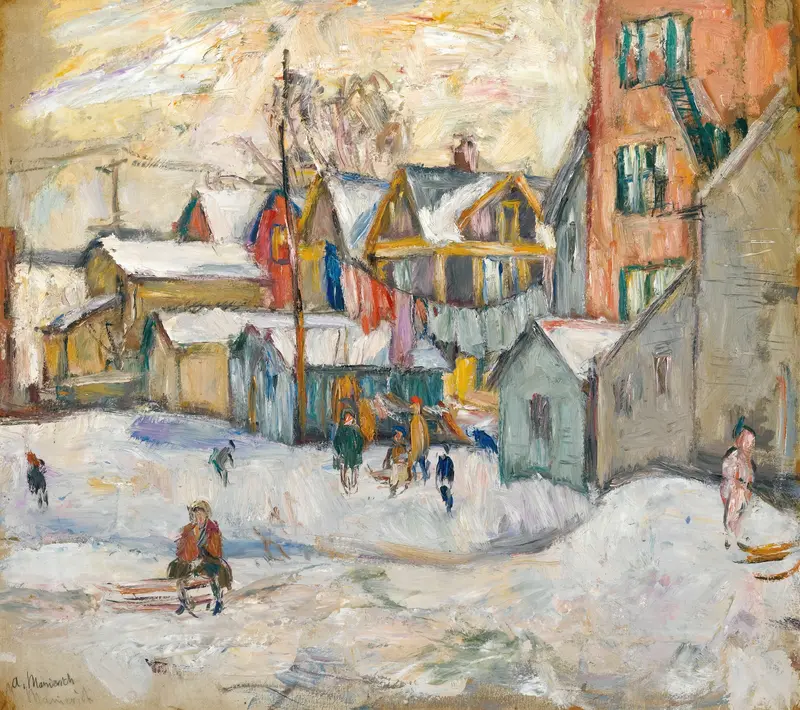
The Bronx
Abraham Manievich
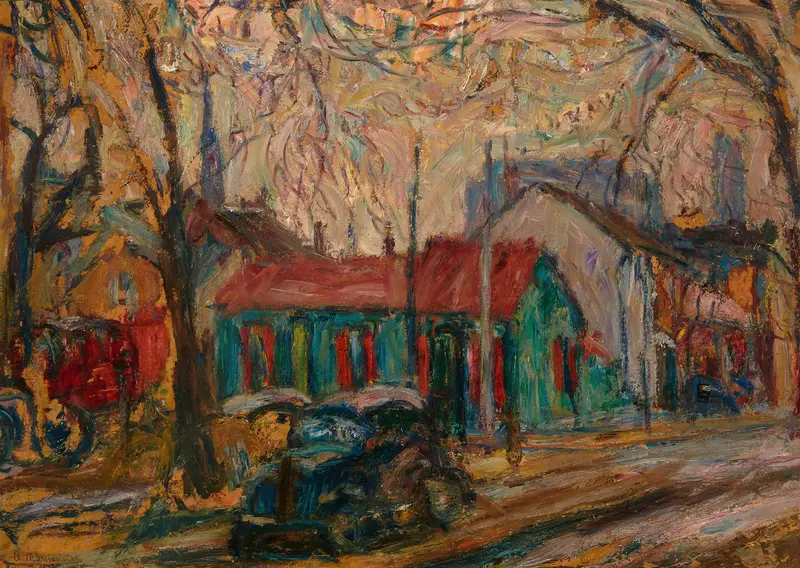
Quiet street
Abraham Manievich
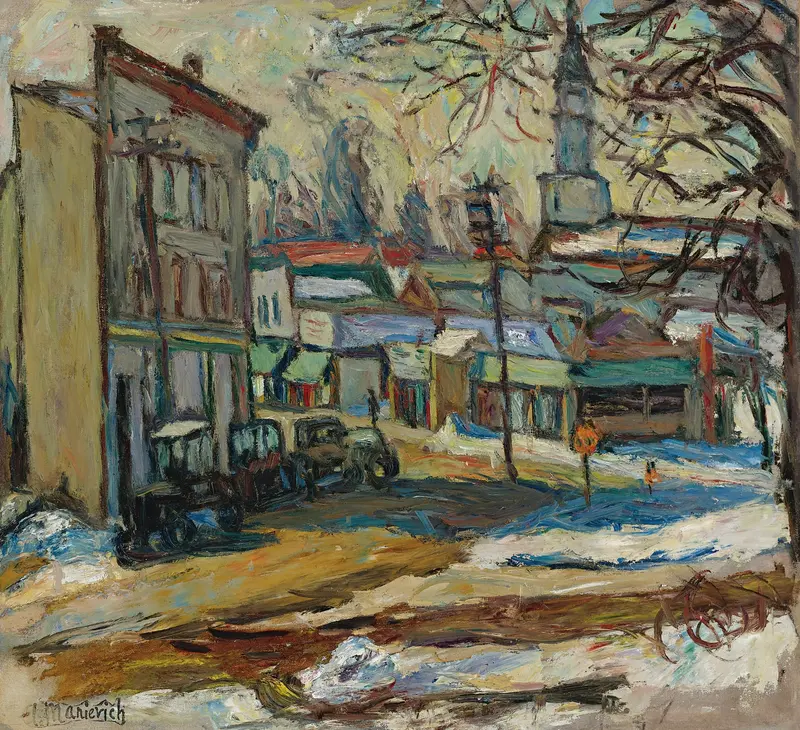
Bridgeport
Abraham Manievich
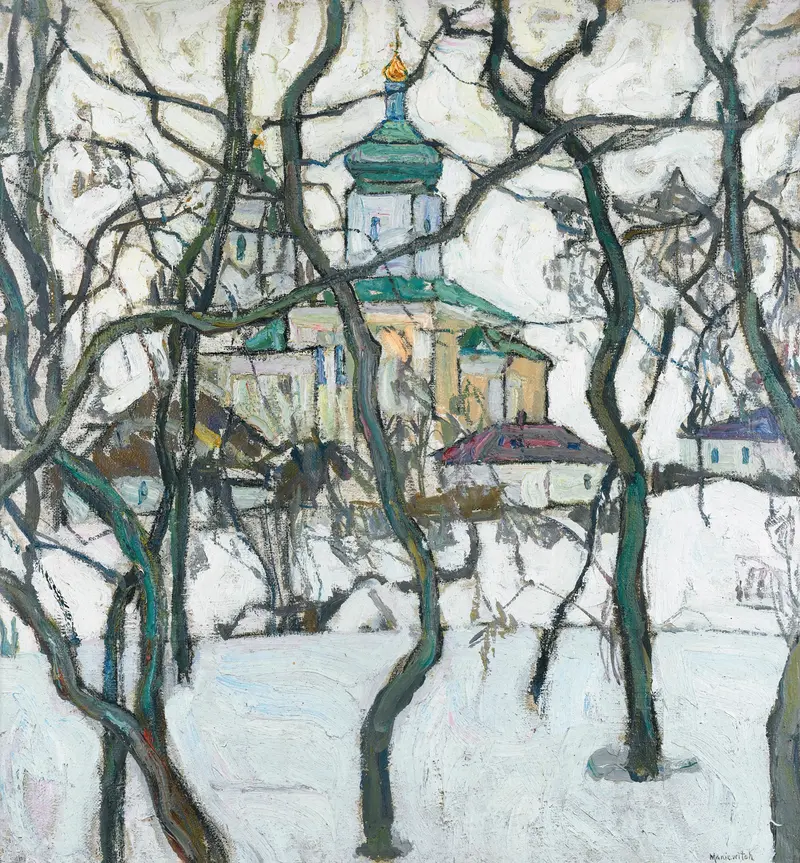
Winter Scene With Church
Abraham Manievich
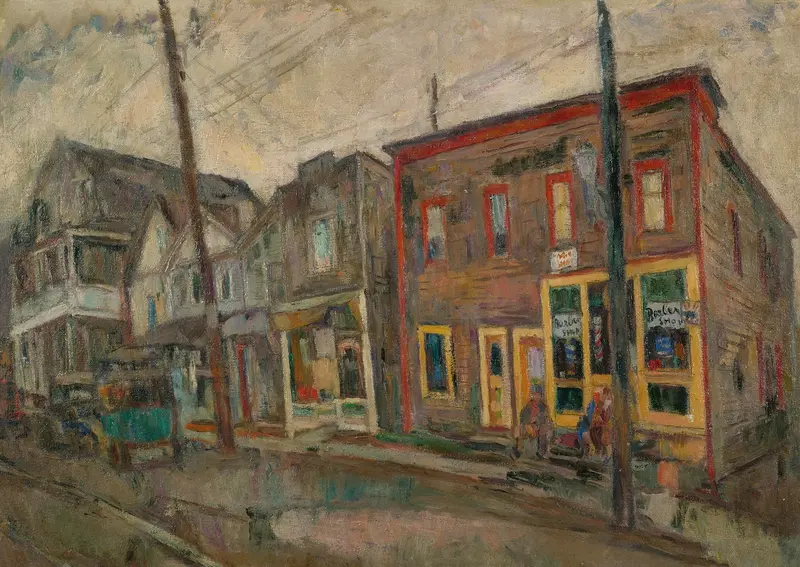
Street in the Bronx
Abraham Manievich
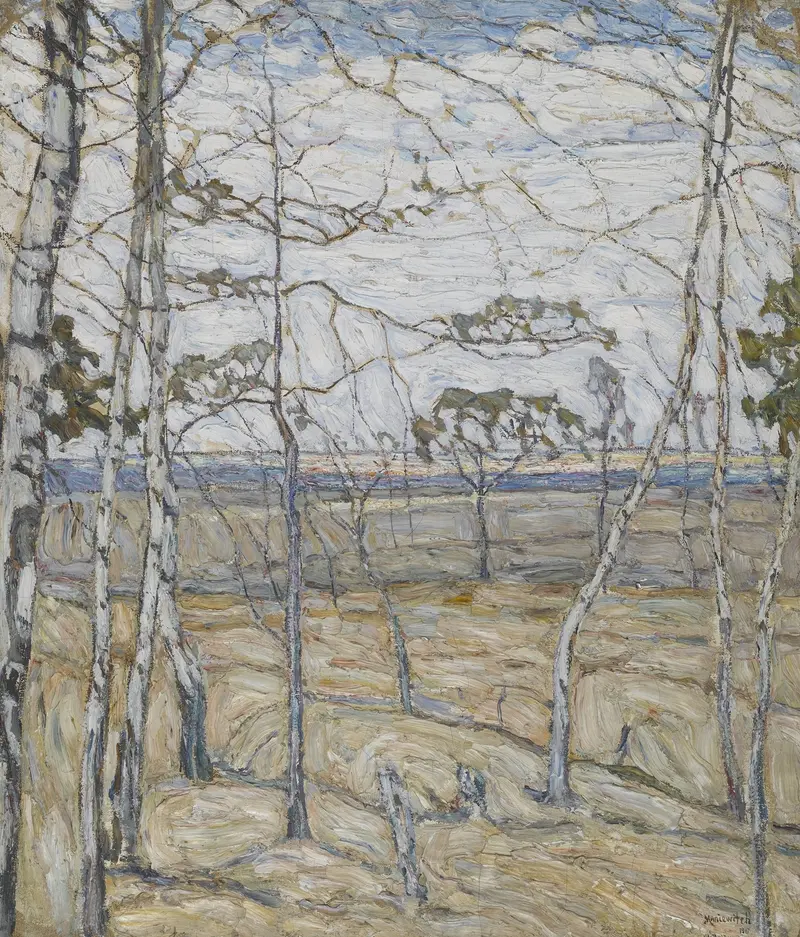
Birch Trees
Abraham Manievich
More Landscape Art

The Starry Night
Vincent van Gogh

View of Delft
Johannes Vermeer

Water Lilies
Claude Monet

The Grand Canal, Venice, looking north-west from the Ca' Corner to the Ca' Contarini degli Scrigni, with the campanile of Santa Maria della Carità
Canaletto

Windsor Castle
Canaletto

The Grand Canal looking North-East from the Palazzo Dolfin-Manin to the Rialto Bridge
Canaletto