
Motiv aus in Zell — History & Facts
In this moment of emptiness, one confronts the shadows that speak louder than words, where the void itself becomes a canvas of emotion. Look at the center of the painting where the stark white space commands attention, drawing the eye into its vastness. Notice how the soft, muted colors blend at the edges, suggesting the remnants of a forgotten landscape or an abandoned moment. The brushwork is deliberate yet fluid, creating a sense of movement that contrasts with the stillness of the central void.
This interplay invites the viewer to fill the emptiness with their own reflections and narratives. Delve deeper into the layers of meaning: the stark absence can evoke feelings of solitude, loss, or even serenity, depending on the viewer's perspective. Notice the subtle gradation of tones at the edges; they hint at something once vibrant, now faded. This juxtaposition of presence and absence sparks an emotional tension that encourages contemplation—what stories lie hidden in the silence, and what confessions remain unsaid? Eduard Zetsche painted this piece during a period marked by profound introspection in his life, likely in the early 20th century.
As the world around him grappled with the rapid changes of modernity, he sought to capture the essence of human experience, exploring themes of isolation and the often unspoken truths that linger in the spaces we inhabit. This painting stands as a testament to his exploration of the unvoiced complexities of existence.
More Artworks by Eduard Zetsche
Browse all →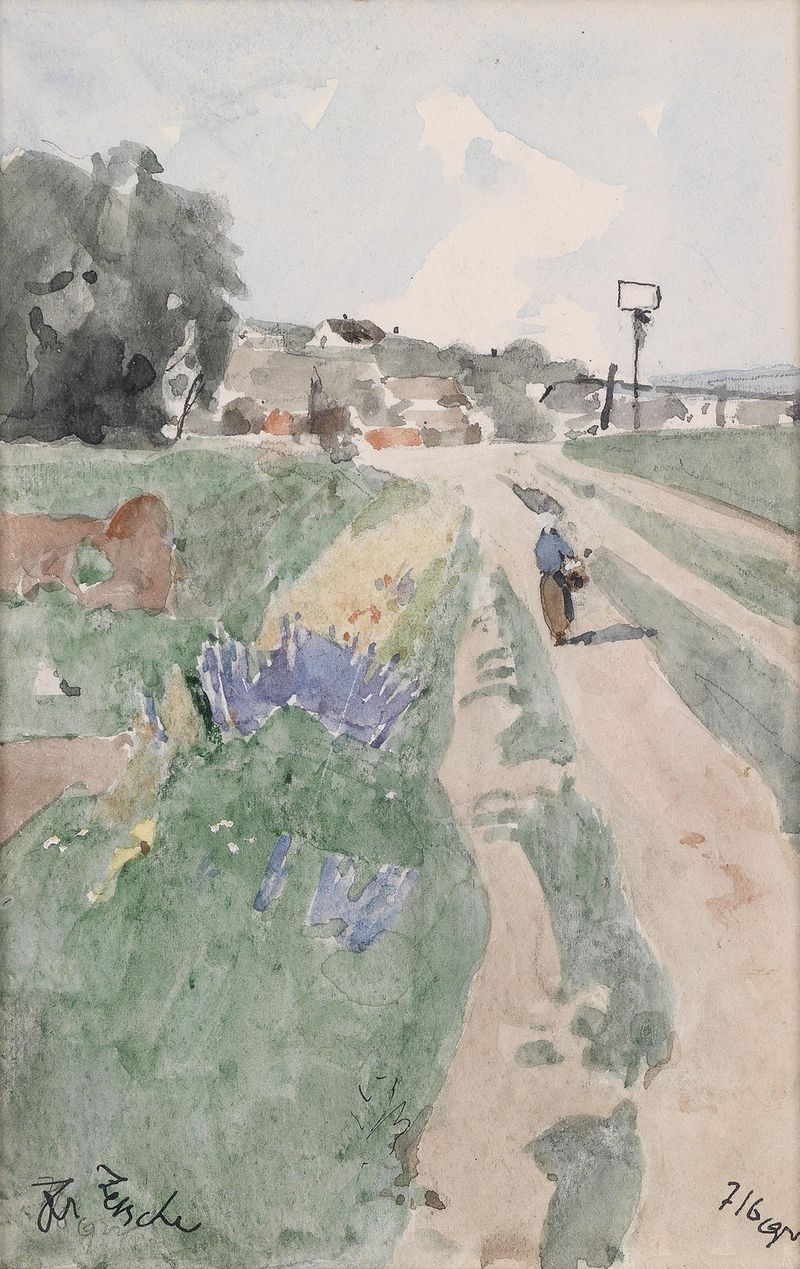
Weg bei Hadersdorf
Eduard Zetsche
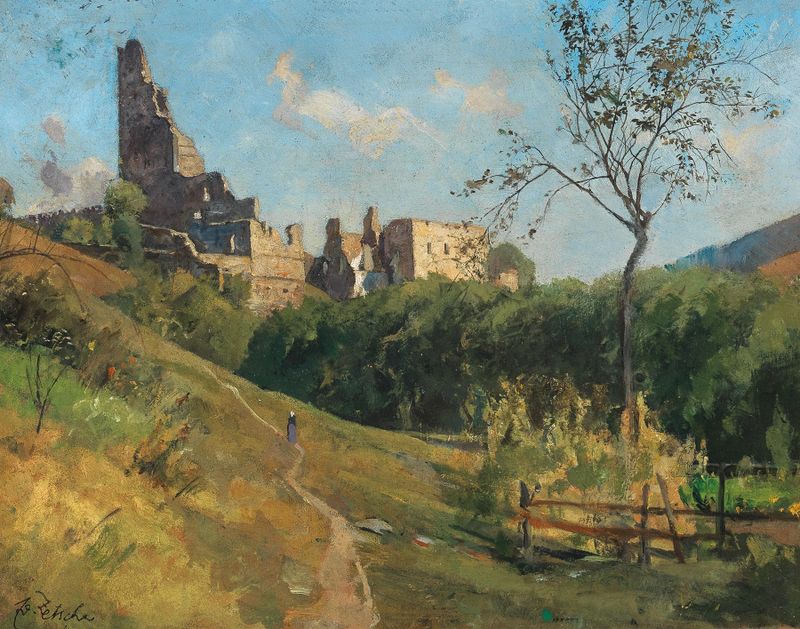
Ruins in the Wachau region
Eduard Zetsche
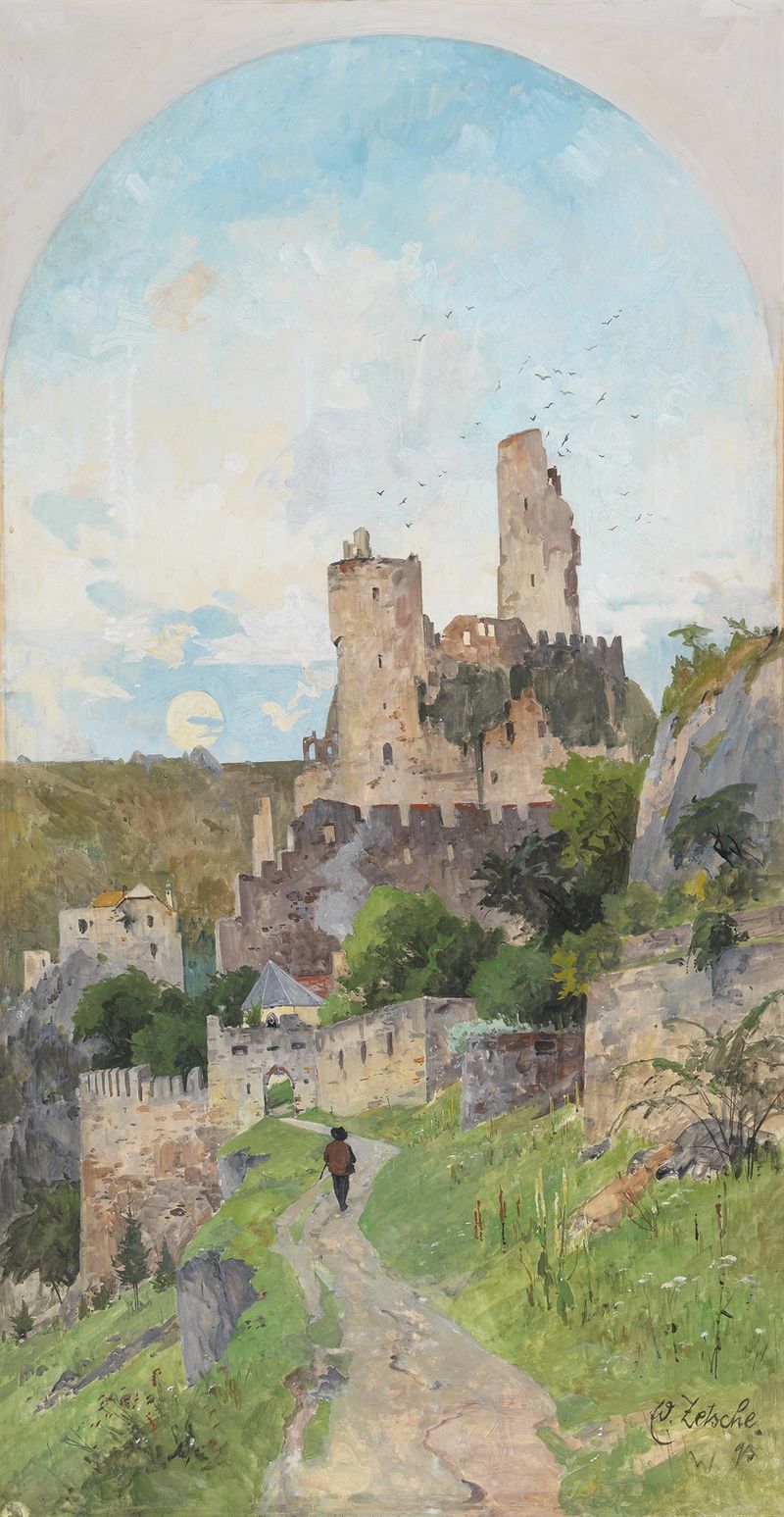
Blick auf die Ruine Dürnstein
Eduard Zetsche
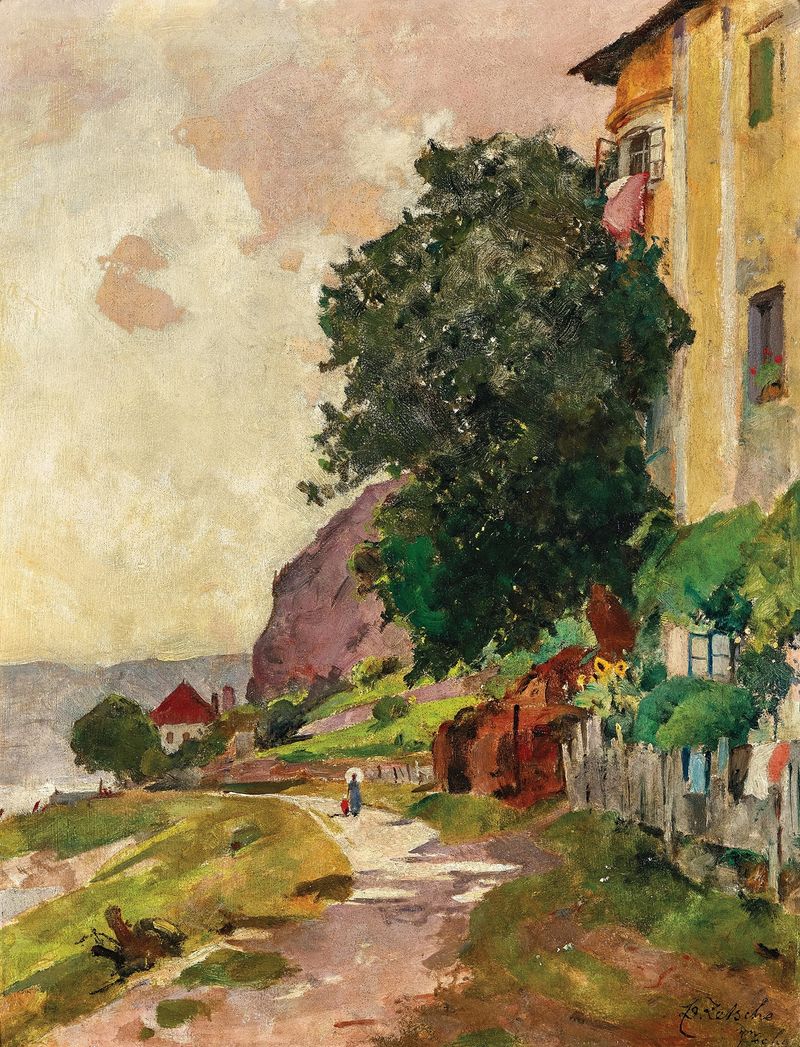
Beim Förthof, Ramsau
Eduard Zetsche
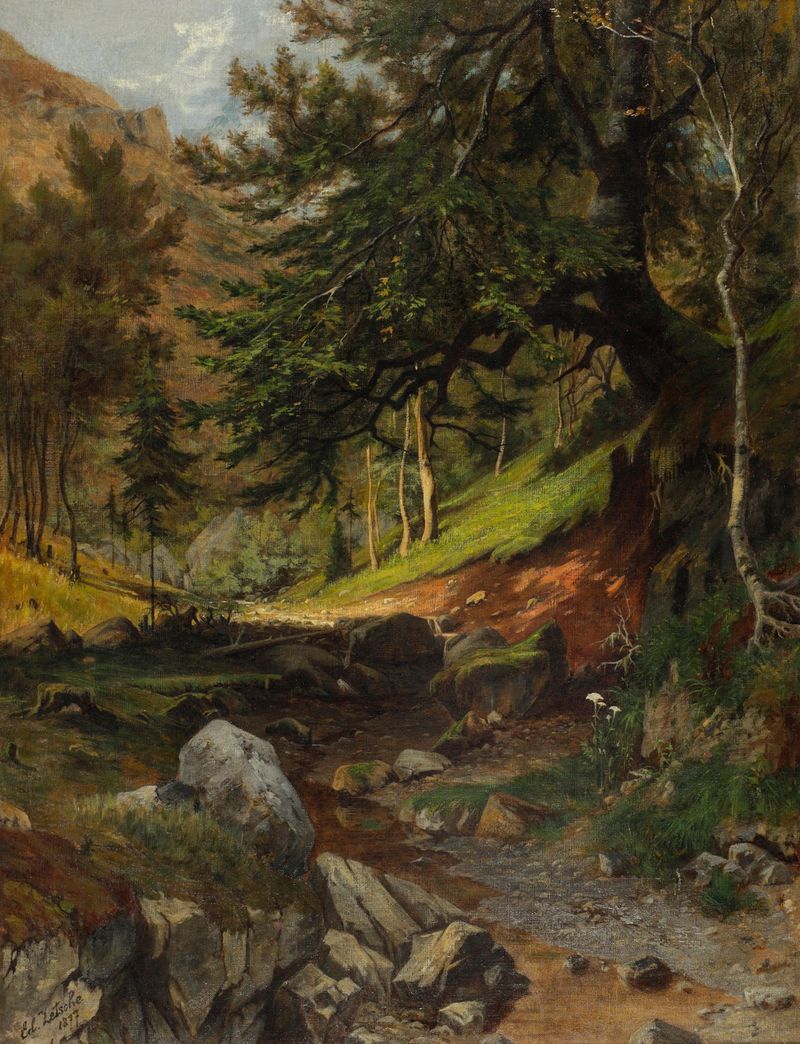
Waldpartie mit Bachlauf
Eduard Zetsche
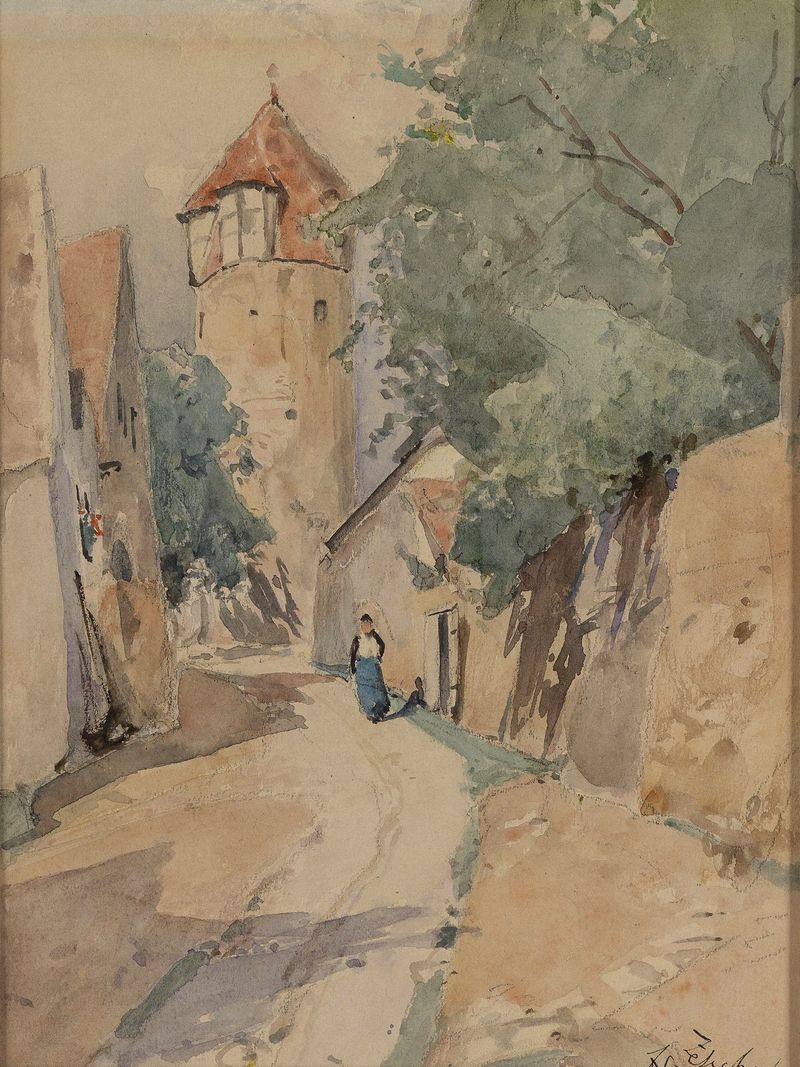
Sulzbach
Eduard Zetsche

Praterpartie
Eduard Zetsche
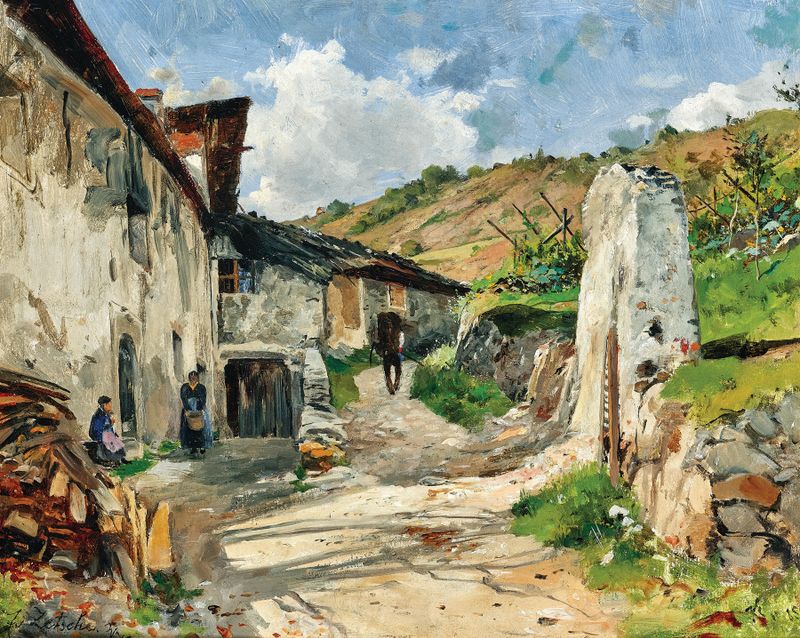
Wachau region, a path to a vineyard near a village
Eduard Zetsche

Motiv bei Lichtenwörth
Eduard Zetsche
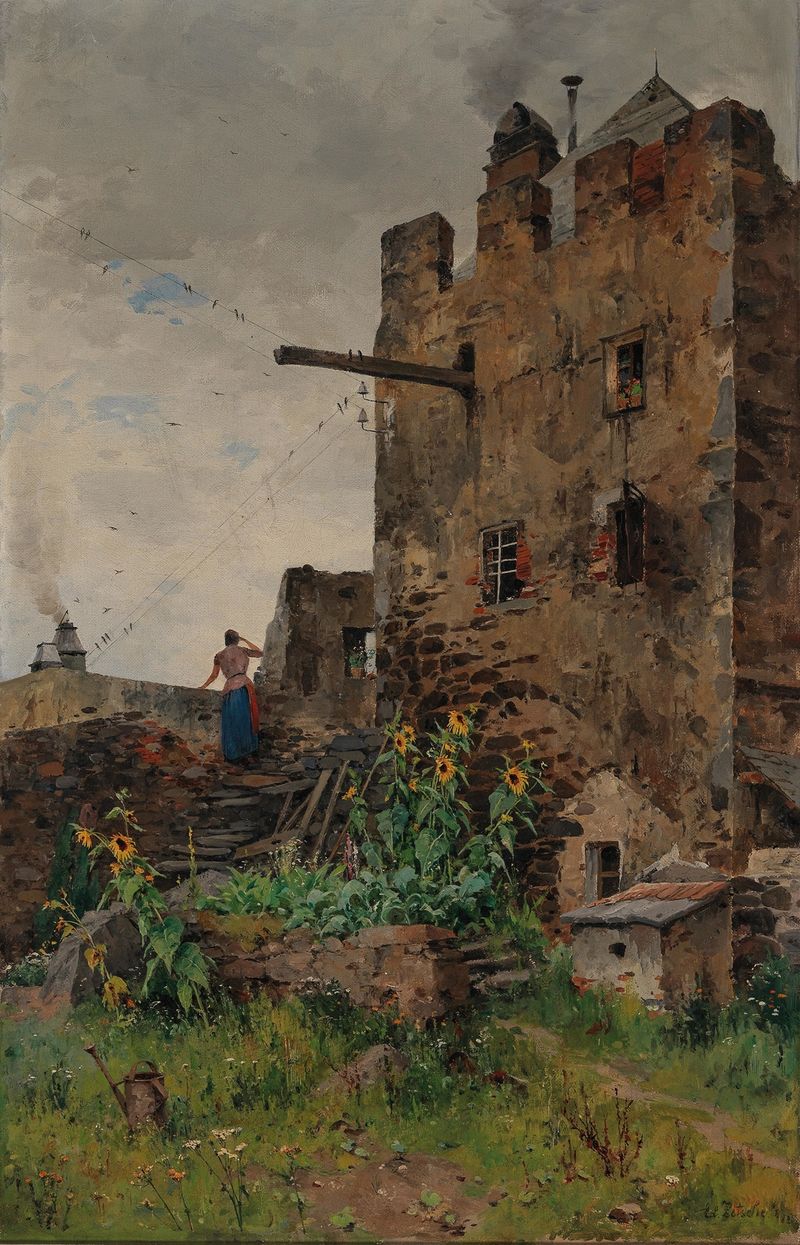
Wachau, Scene of Dürnstein, by the Old Town Wall
Eduard Zetsche





