
Moudon — History & Facts
What if beauty was never meant to be finished? It lingers in the air, a tantalizing whisper of desire, beckoning us to explore the depths of its revelation. Focus on the delicate interplay of light and shadow in the foreground, where the soft contours of the hills cradle a small village nestled within the valley. The muted palette of greens and browns gives an earthy warmth, inviting the viewer to linger over the textured brushstrokes that suggest lush vegetation. Notice how the distant mountains, painted in cooler tones, create a sense of depth that pulls the eye toward the horizon, where the sky blushes with a subtle gradient of twilight hues. Hidden within this serene landscape lies a tension between the natural and the human-made.
The village, with its quaint architecture, contrasts starkly against the towering mountains, symbolizing the desire for harmony amidst the raw power of nature. Additionally, the gentle curves of the hills evoke a sense of longing, as if they are embracing the village, while the vast expanse of sky hints at infinite possibilities, reminding us of our yearning for connection and belonging. Wagner created Moudon between 1840 and 1844 during a period of personal and artistic exploration in Germany. The artist was focusing on capturing the idyllic beauty of the Swiss landscape, reflecting a broader Romantic movement that cherished nature's sublime qualities.
This work stands as a testament to Wagner's ambition to depict idealized beauty, while also underscoring the growing tensions between humanity and the natural world during his time.
More Artworks by Johann Friedrich Wagner
Browse all →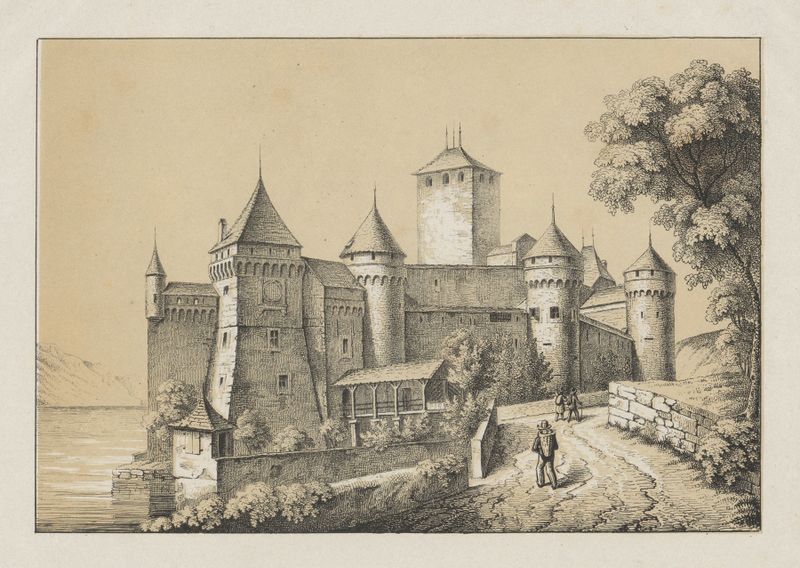
Chillon
Johann Friedrich Wagner

Valangin
Johann Friedrich Wagner
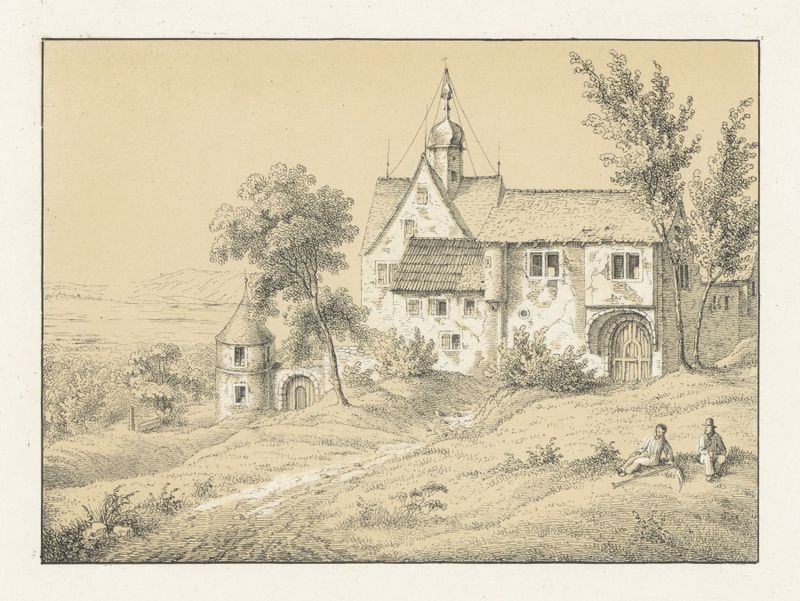
Greifenstein
Johann Friedrich Wagner

Vorburg
Johann Friedrich Wagner
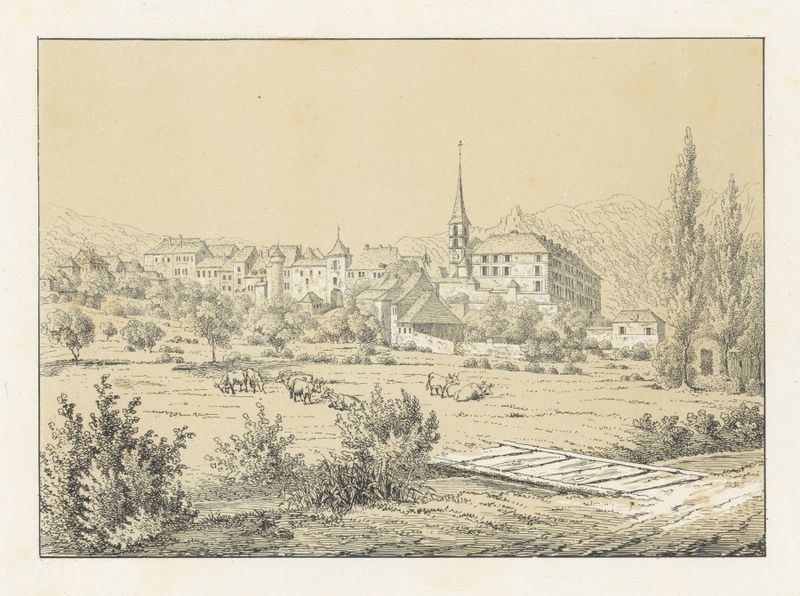
Delémont
Johann Friedrich Wagner

Pleujouse
Johann Friedrich Wagner

Challay
Johann Friedrich Wagner
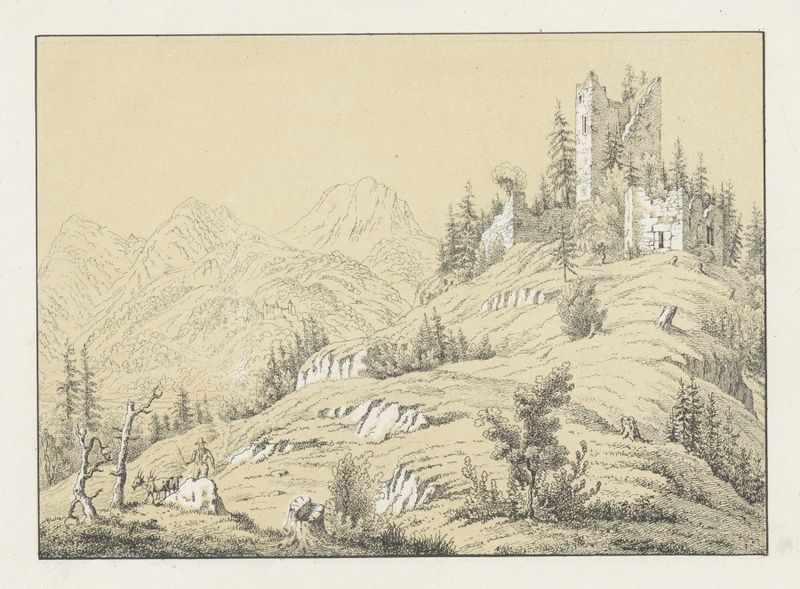
Mont Salvant
Johann Friedrich Wagner
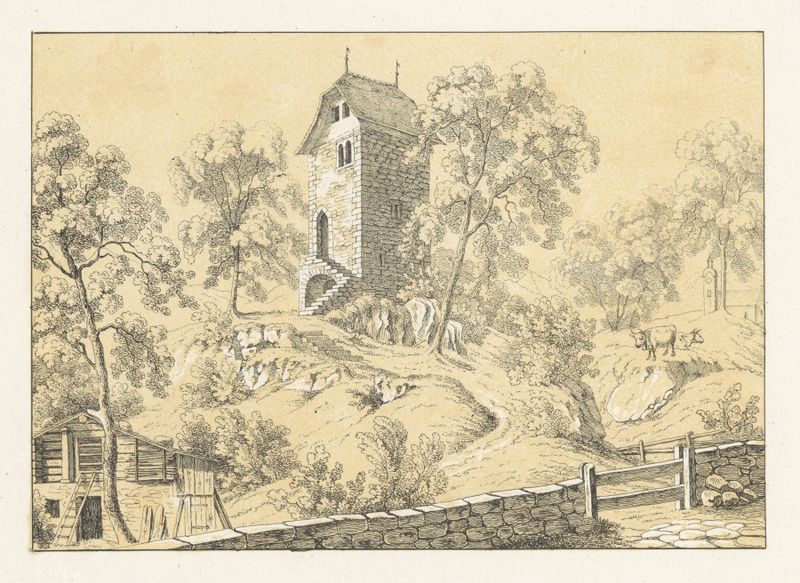
Aha. Od. Untere Burg von Sarnen
Johann Friedrich Wagner
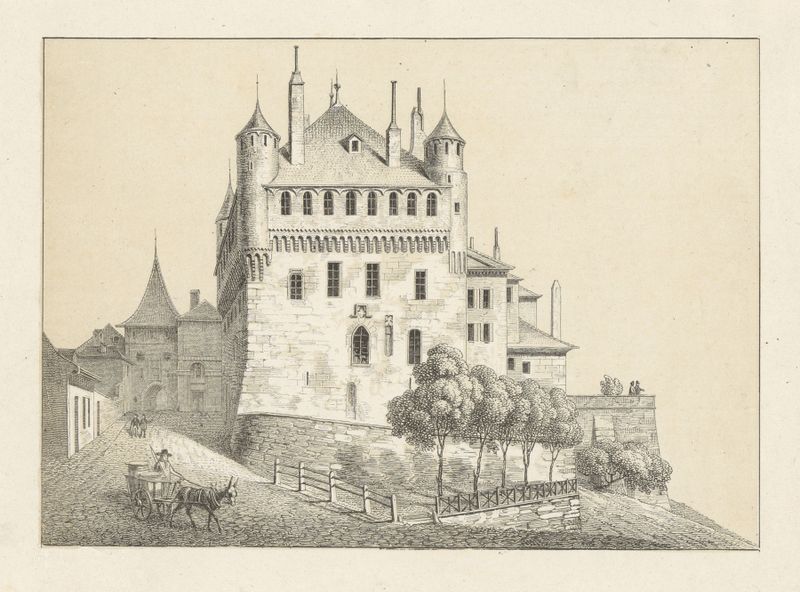
Lausanne
Johann Friedrich Wagner





