
Mountain stream — History & Facts
Could a single brushstroke hold eternity? The vibrant hues and dynamic strokes suggest a heartbeat, a pulse that resonates through the landscape. Look to the sweeping strokes of emerald green and sapphire blue that form the flowing water, capturing its movement with a sense of vitality. Notice how the light dances upon the surface, reflecting the surrounding trees and sky above, creating a mesmerizing tapestry of color. The foreground reveals delicate touches of white and yellow, illustrating the playful flickers of sunlight on the stones, drawing the eye down to the gentle caress of the stream as it winds into the distance. In the juxtaposition between the rugged mountain backdrop and the fragile stream, the painting evokes a profound contrast between permanence and transience.
Each brushstroke seems to carry the weight of nature's timelessness, while the shimmering water signifies the ever-changing ebb and flow of life. The interplay of light and shadow offers a tangible sense of tranquility, inviting viewers to contemplate both the grandeur of nature and their own fleeting moments within it. During the late 18th century, William Payne was immersed in the burgeoning landscape tradition in England, painting Mountain Stream amidst a time when Romanticism began to embrace nature’s beauty and power. He sought to capture the essence of the English countryside, exploring its emotional resonance through innovative techniques and a heightened appreciation for color and light, laying the groundwork for the landscape artists of the future.
More Artworks by William Payne
Browse all →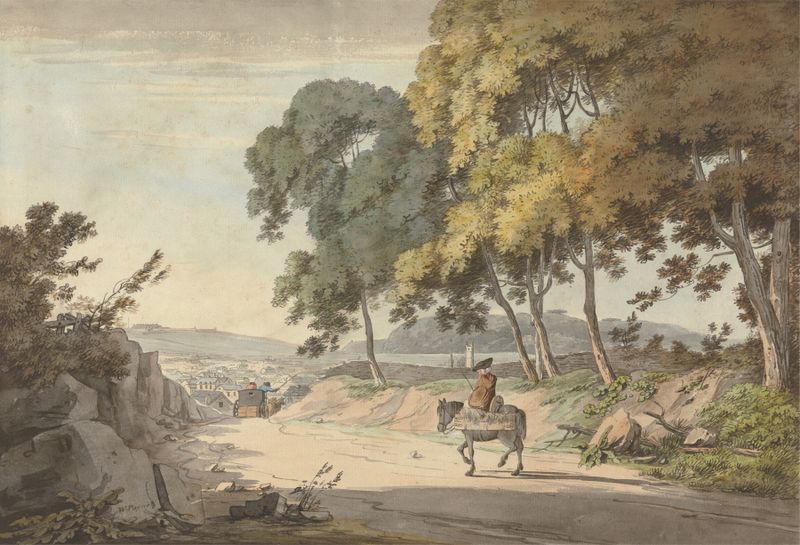
View of Plymouth taken from the Seven Trees, Exeter Road
William Payne

Britten Ferry, Mount Edgecombe
William Payne
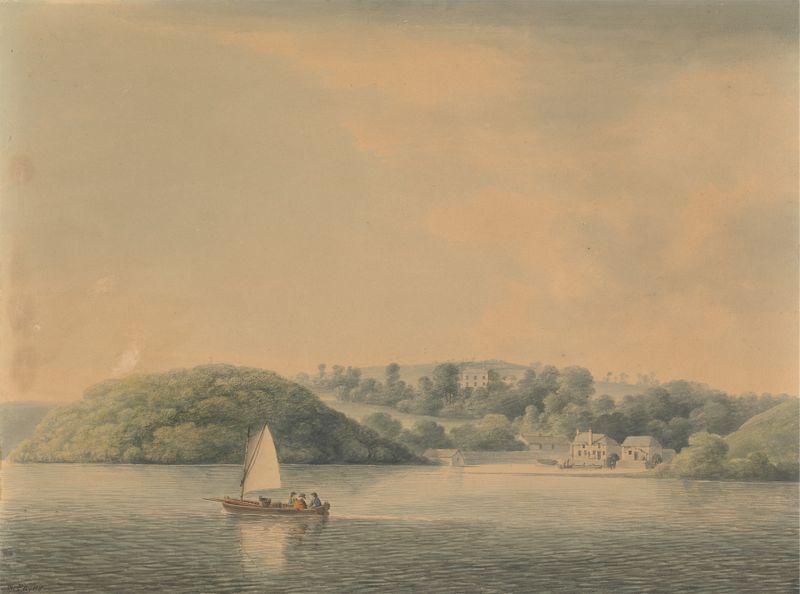
Mill on the Tavy
William Payne

Distant View of Exmouth from Exeter
William Payne
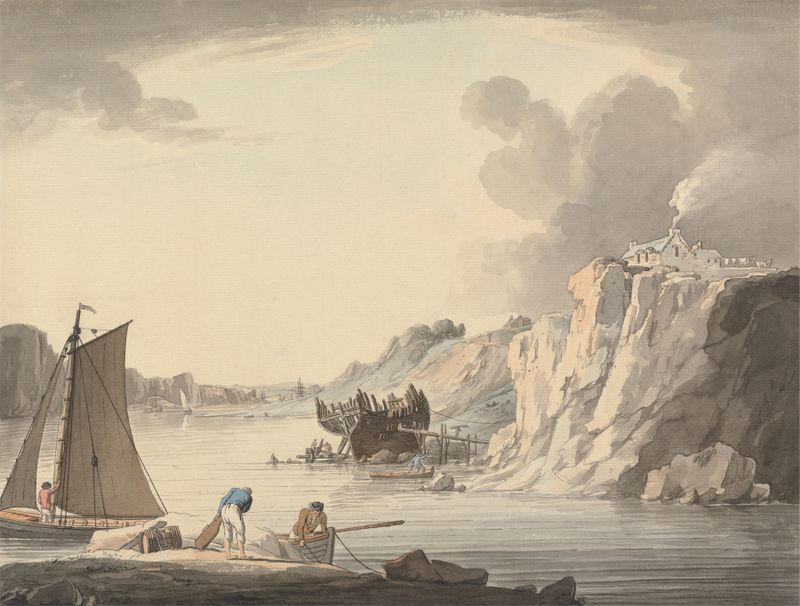
Entrance to Stonehouse Creek, between Plymouth and Dock, Devon
William Payne
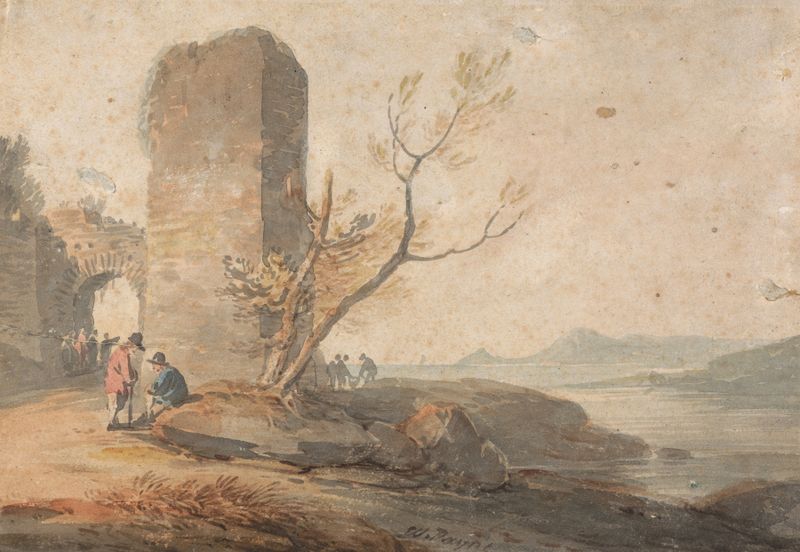
Figures by a Ruined Arch
William Payne
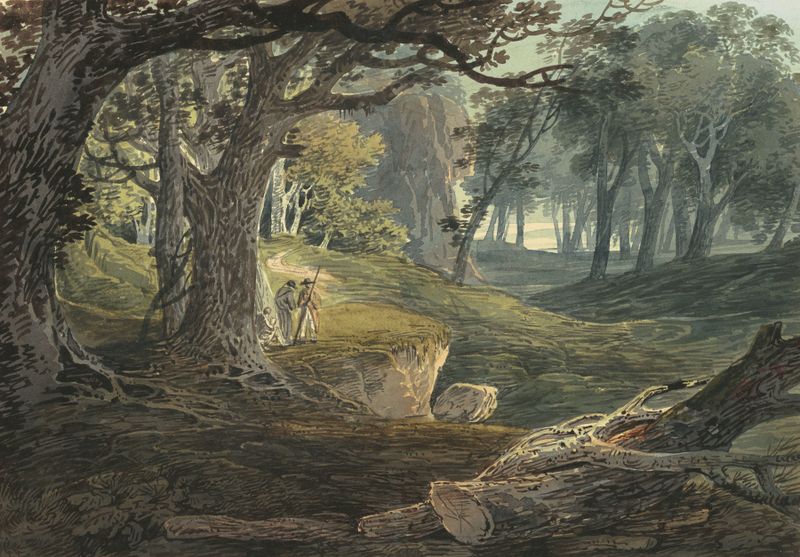
Travellers in a Woodland Glade
William Payne
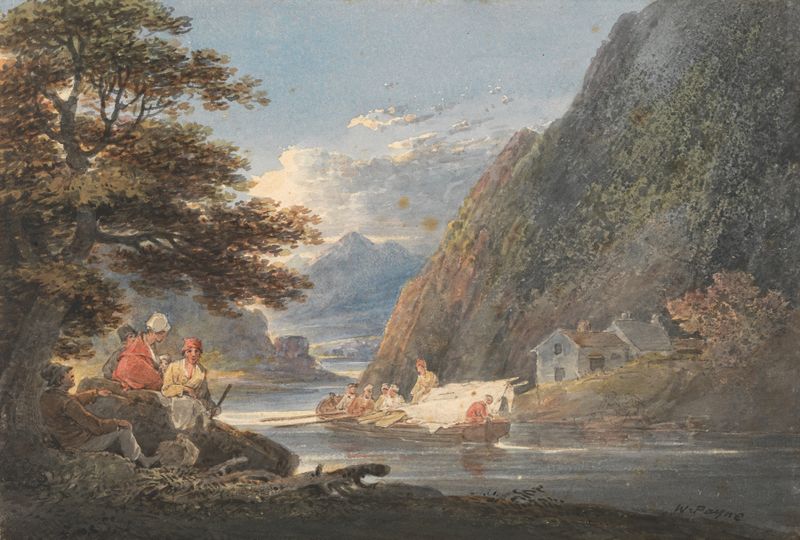
On the River Tivy, near Cardigan, Wales
William Payne
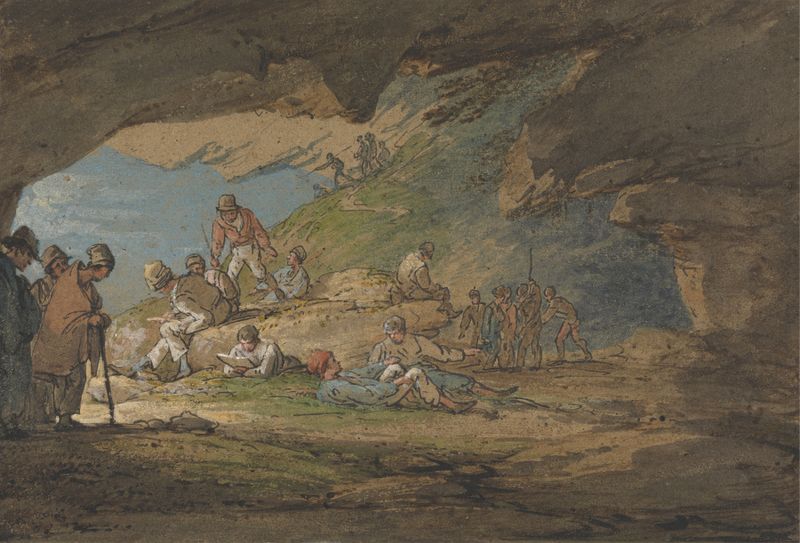
A Cave in Sunlight, with Figures
William Payne
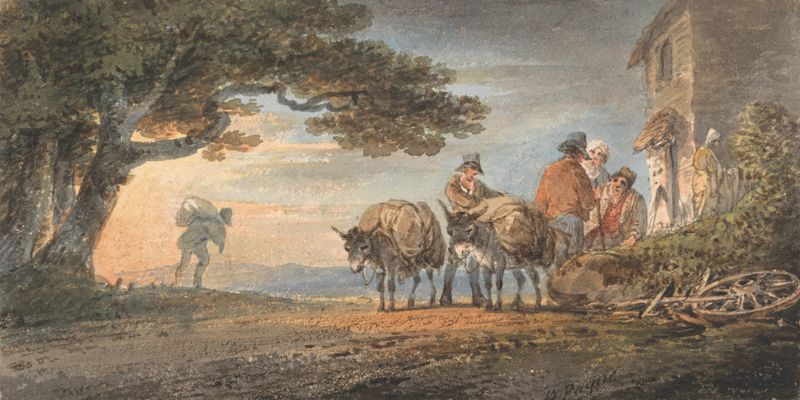
Drivers and Burros Resting at Sunset
William Payne





