
Mozes ontvangt de stenen tafelen en Esther knielt voor Ahasveros — History & Facts
In Mozes ontvangt de stenen tafelen en Esther knielt voor Ahasveros, the viewer is enveloped by a poignant echo of separation and duty, where the weight of history presses upon the soul. Focus on the left side of the canvas, where Moses stands, illuminated by a divine light that cascades softly upon his figure. His outstretched hands cradle the tablets, their surface gleaming with a promise of law and order amid chaos. Then, shift your gaze to the right, where Esther kneels in a moment of quiet desperation before Ahasveros, her posture a blend of strength and fragility.
The use of rich, deep colors contrasts the vibrant blues of Esther’s gown with the warm, golden tones surrounding Moses, creating a visual tension that holds the two narratives in delicate balance. The emotional depth of the scene is underscored by the juxtaposition of faith and fear. Moses embodies the strength of conviction, each fold in his robes representing the weight of responsibility, while Esther's kneeling form signifies vulnerability and the sacrifices made in the name of love. In the background, the muted expressions of onlookers hint at the societal pressures faced by both characters, further highlighting the dichotomy of personal sacrifice and public expectation. During the early 16th century, when this work was created, Jacob Cornelisz van Oostsanen found himself at the forefront of a flourishing artistic movement in the Northern Renaissance.
Living in Amsterdam, he was deeply influenced by humanist ideals and the evolving relationship between religion and art. This painting, crafted between 1518 and 1522, reflects not only his mastery of emotion through color and form but also a society grappling with the weight of its historical narratives.
More Artworks by Jacob Cornelisz van Oostsanen
Browse all →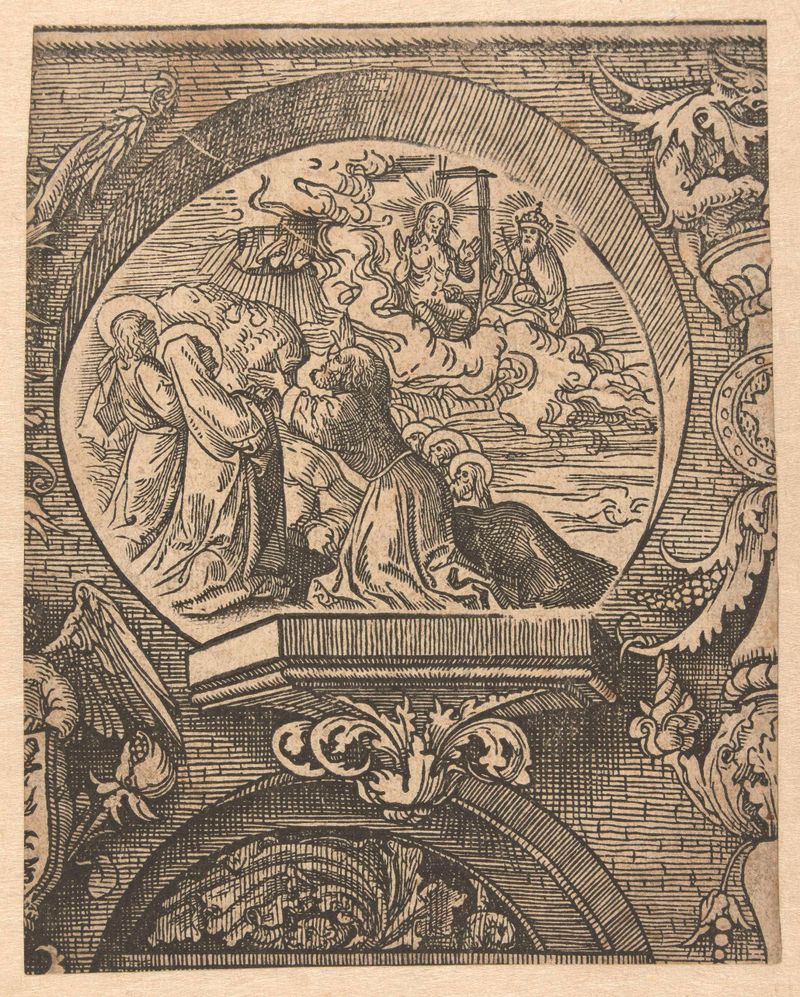
De hemelvaart en Christus voor God de Vader
Jacob Cornelisz van Oostsanen
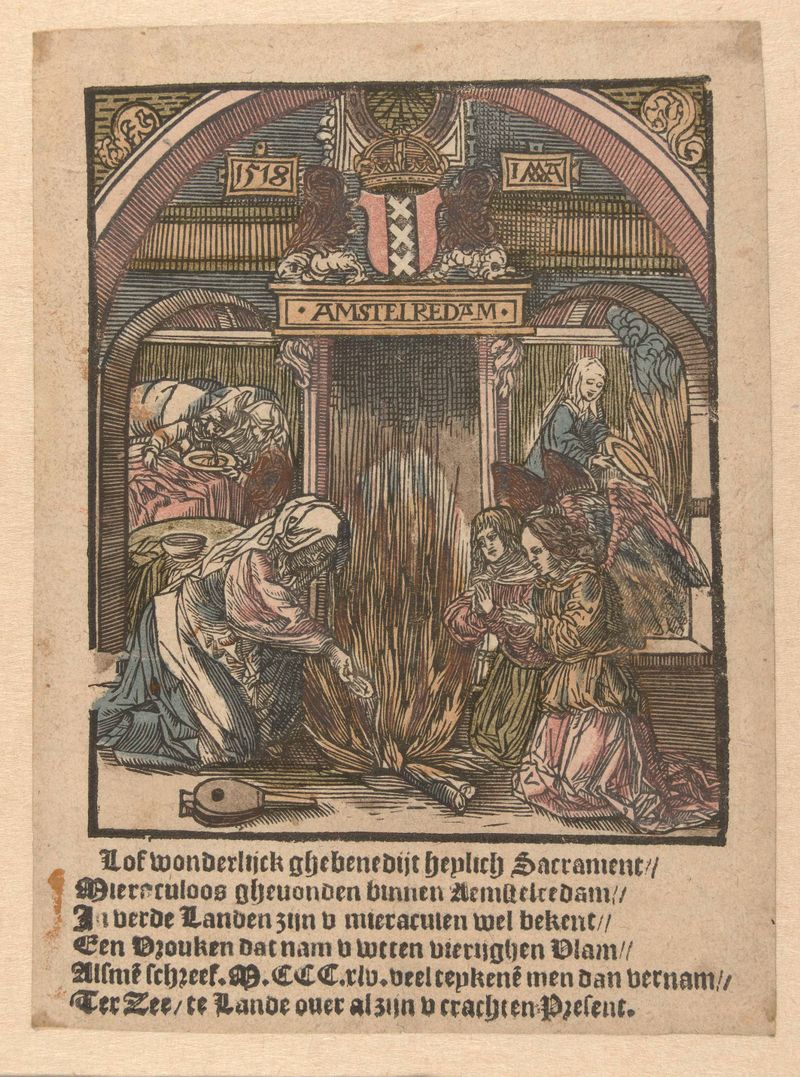
Het hostiewonder van Amsterdam
Jacob Cornelisz van Oostsanen
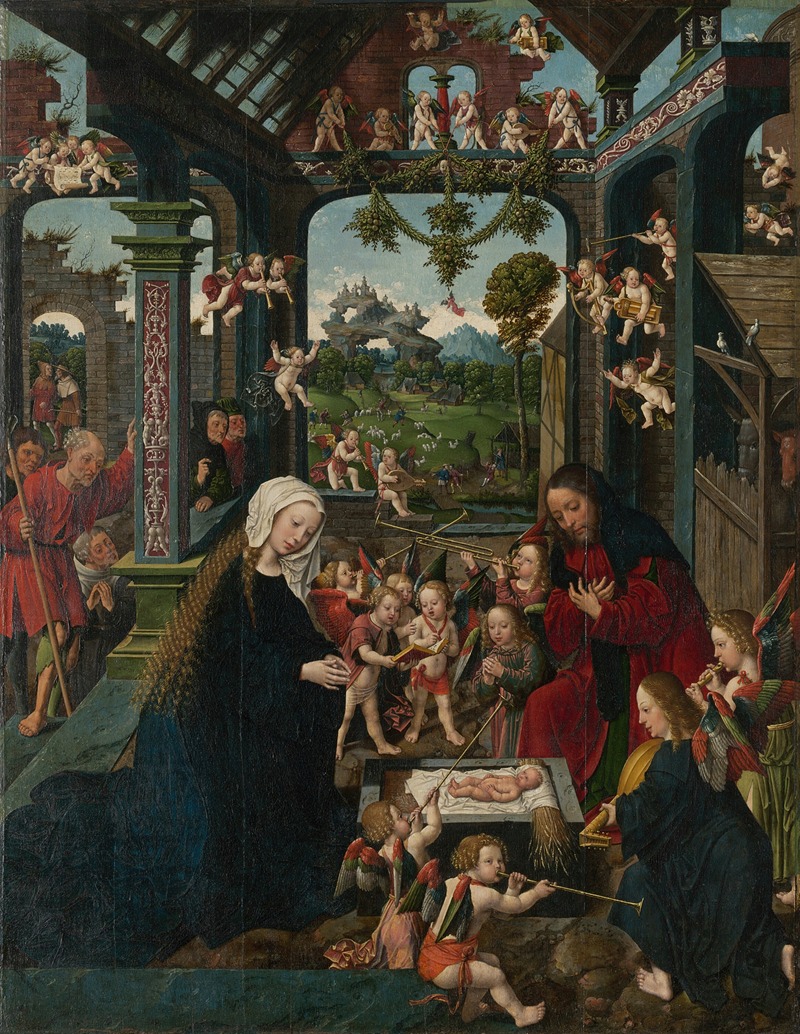
The Adoration of the Christ Child
Jacob Cornelisz van Oostsanen
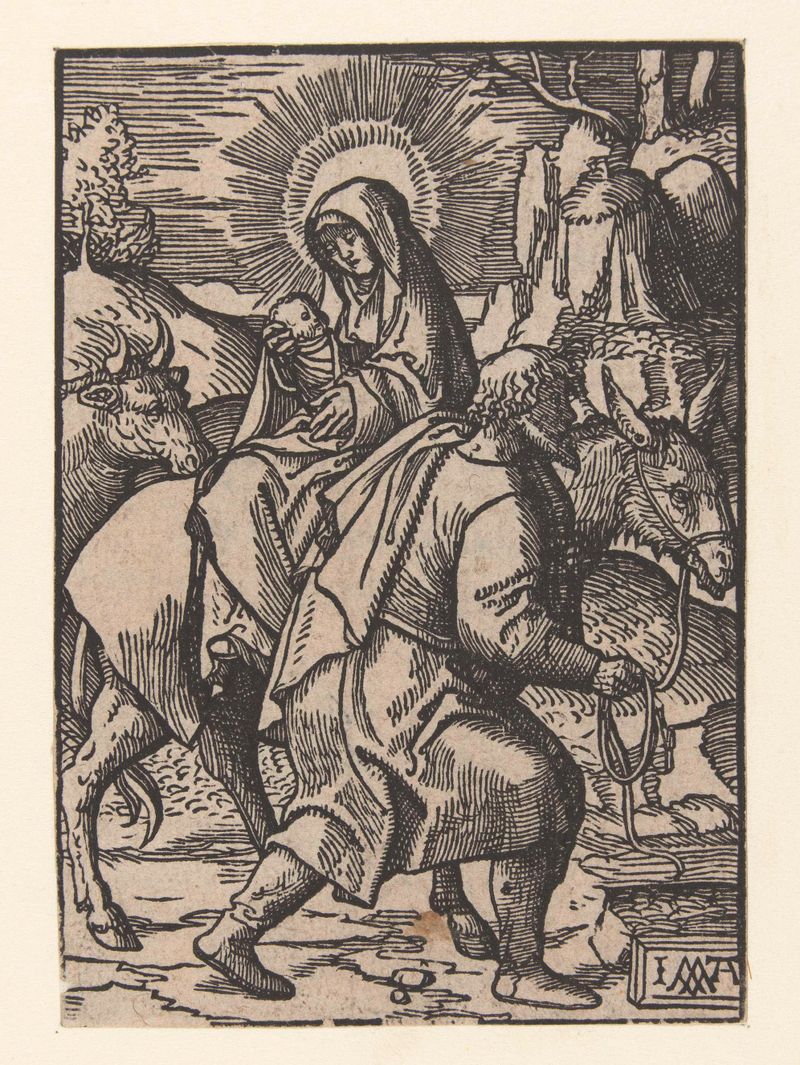
Vlucht naar Egypte
Jacob Cornelisz van Oostsanen
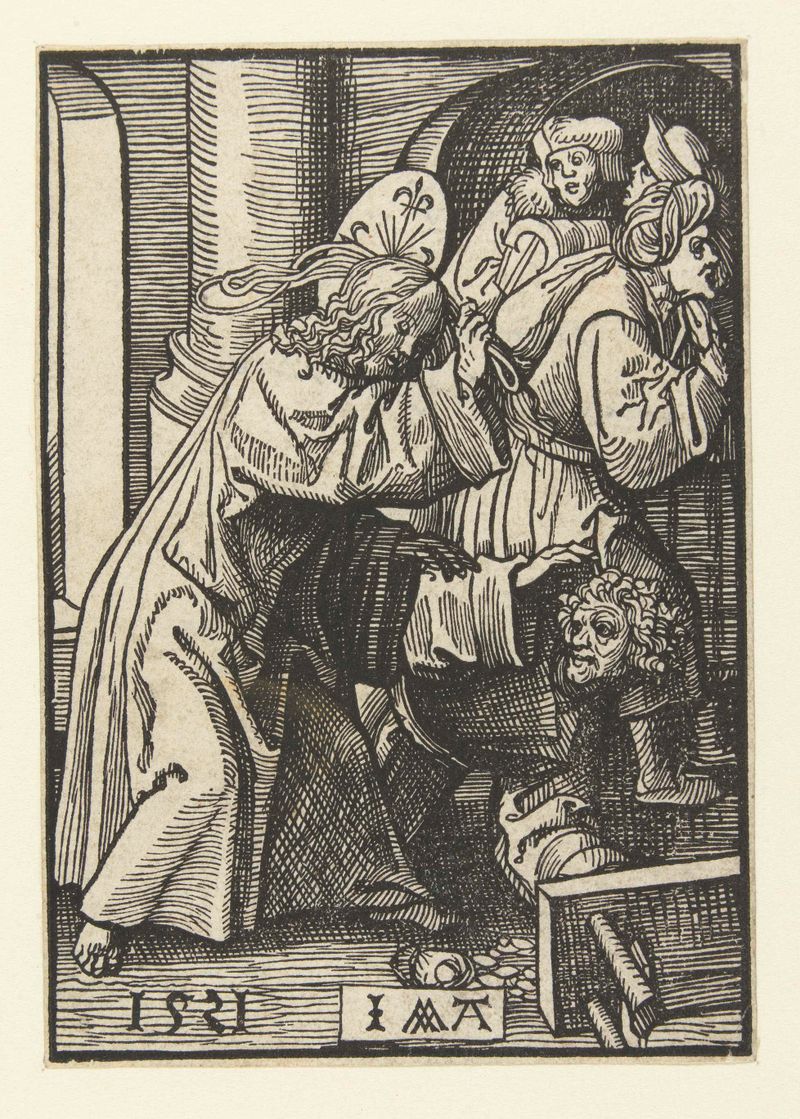
Verdrijving van de handelaren uit de tempel
Jacob Cornelisz van Oostsanen
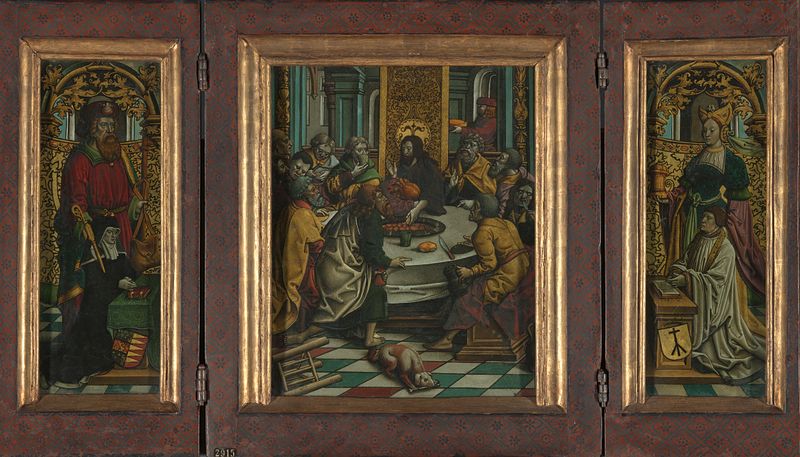
Triptych with the Last Supper and Donors
Jacob Cornelisz van Oostsanen
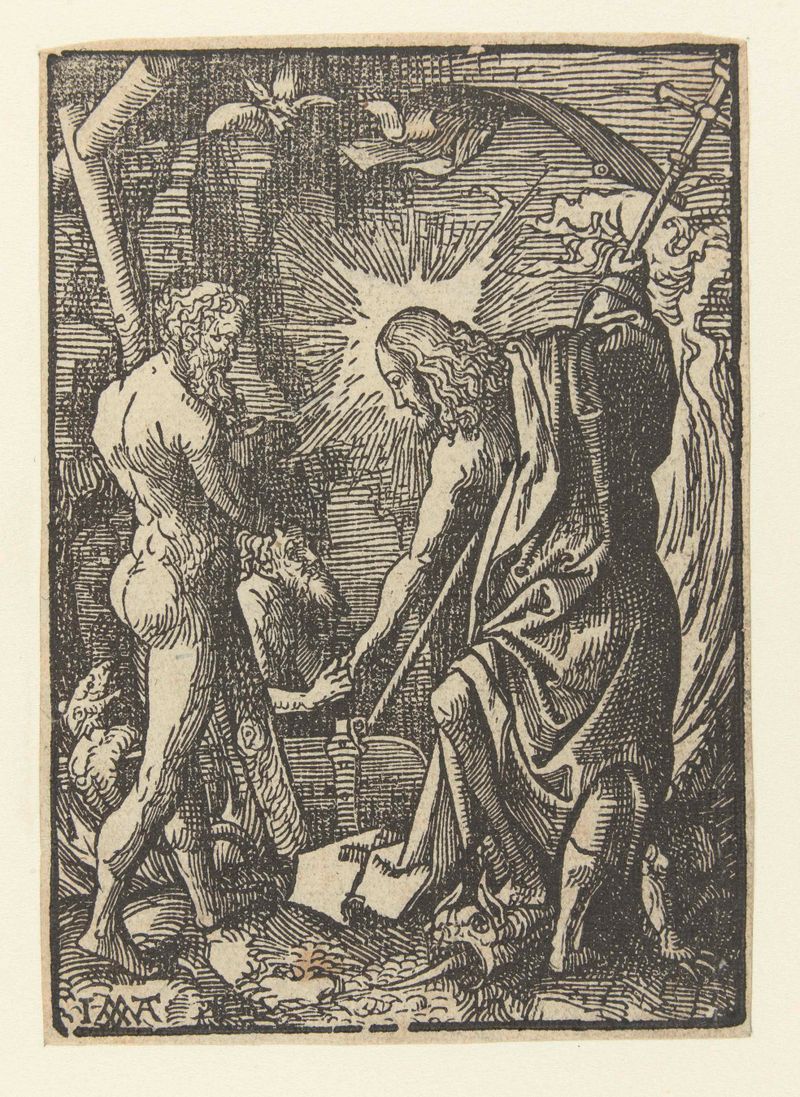
Christus in het voorgeborchte
Jacob Cornelisz van Oostsanen
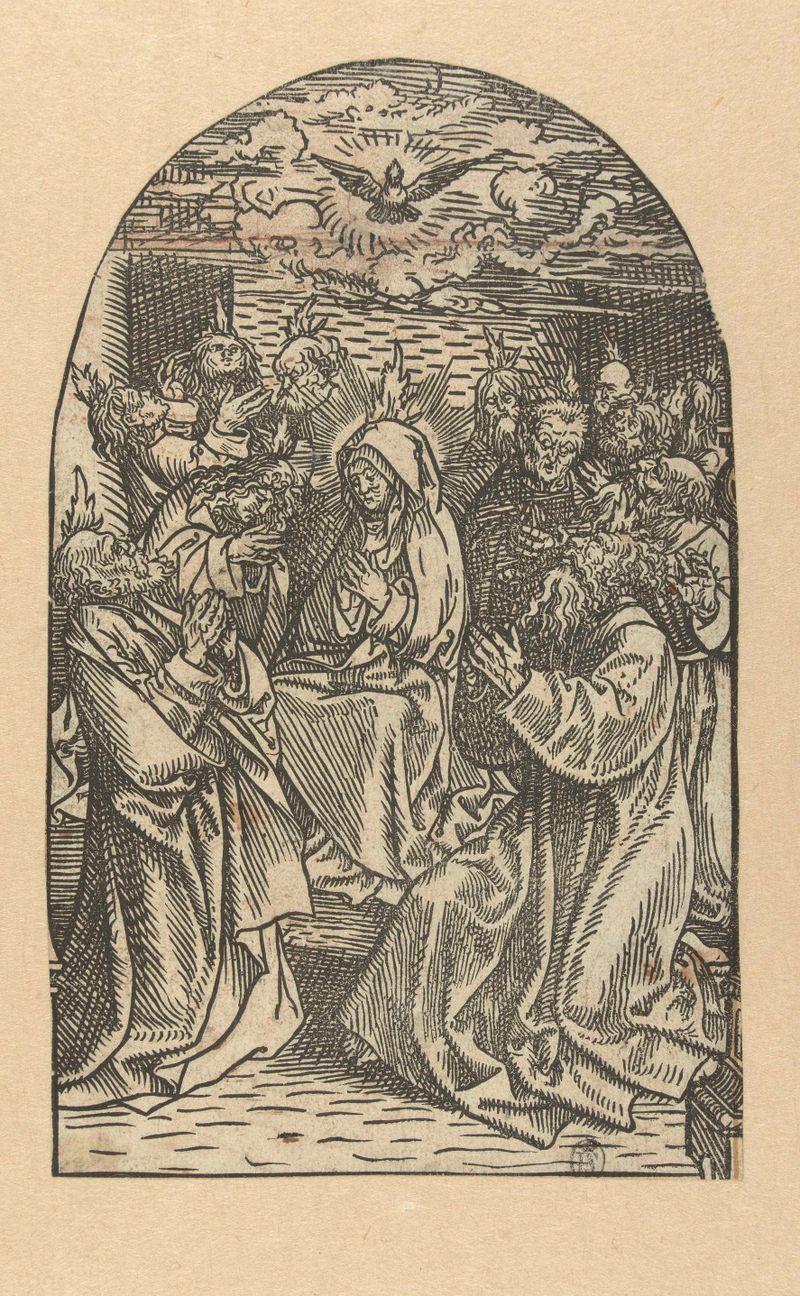
Uitstorting van de Heilige Geest
Jacob Cornelisz van Oostsanen
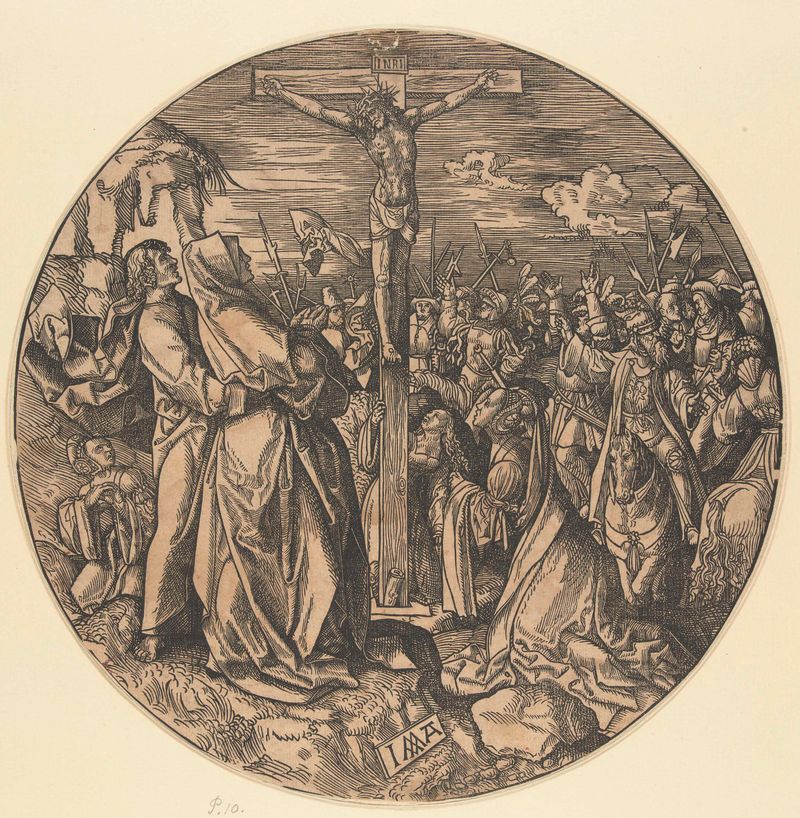
Christus aan het kruis
Jacob Cornelisz van Oostsanen

De kruisiging en de graflegging van Christus
Jacob Cornelisz van Oostsanen
More Religious Art
Browse all →
The Return of the Prodigal Son
Rembrandt van Rijn

The Garden of Earthly Delights
El Bosco

Count Orgaz’ funeral
El Greco

The Hundred Guilder Print: the central piece with Christ preaching, the plate arched
Rembrandt van Rijn

The Descent from the Cross
Rogier van der Weyden

The return of the prodigal son
Rembrandt van Rijn