Mt. Shenchang — History & Facts
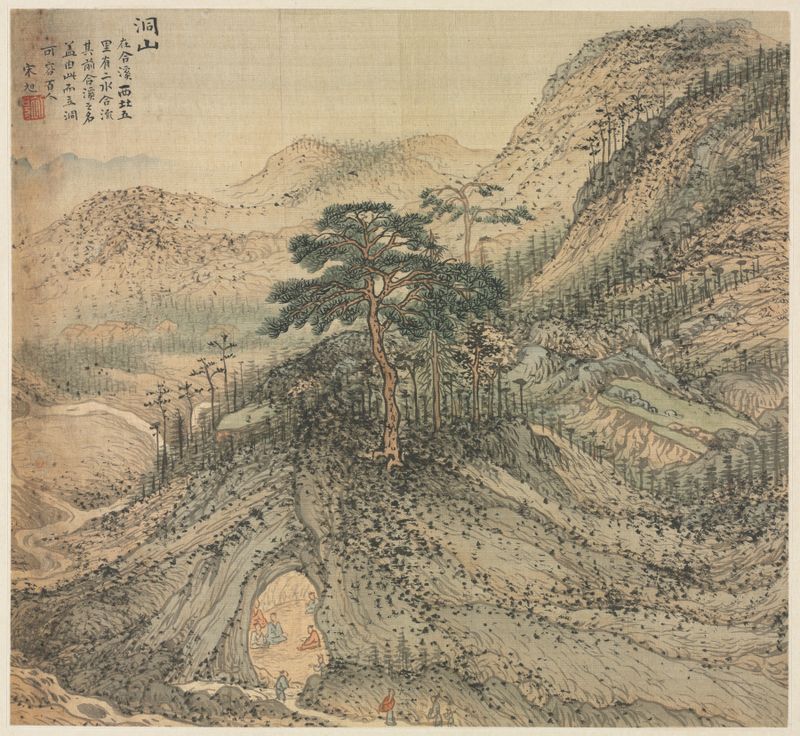
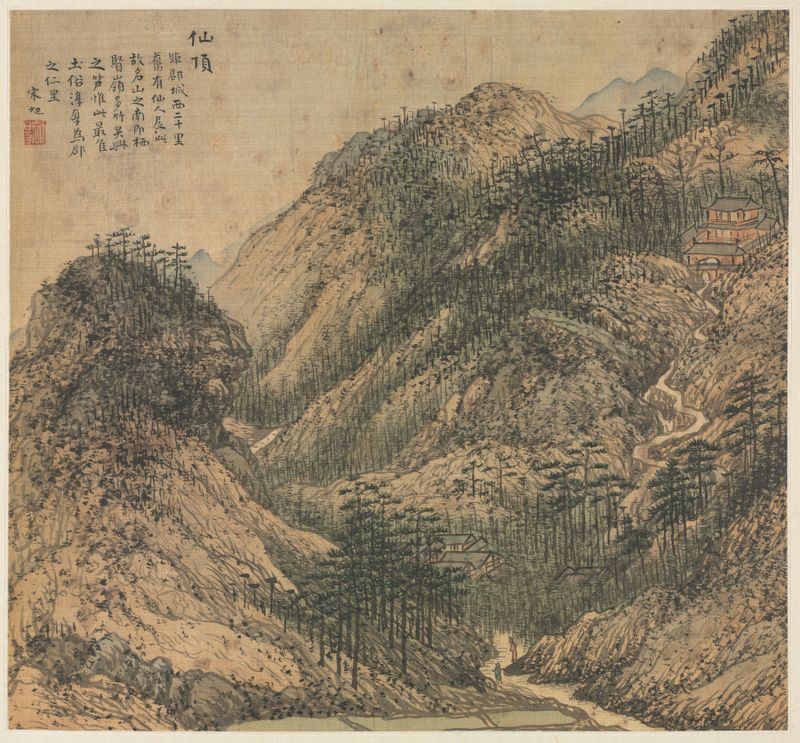
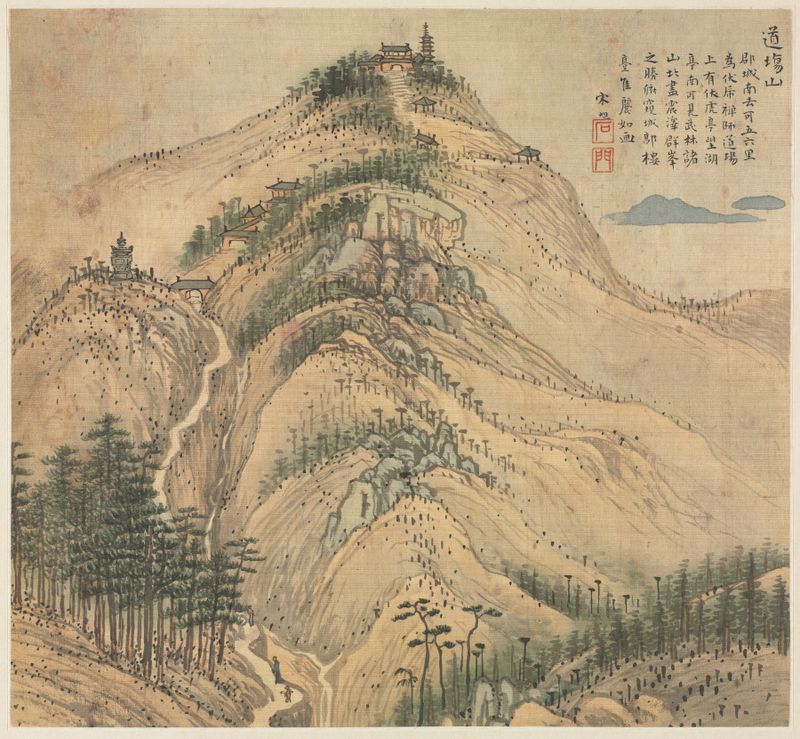
When did color learn to lie? In the depths of a landscape, hues entwine truths and fears, leaving the observer to ponder the reality behind the beauty. Look to the left at the delicate brushstrokes capturing a serene mountain range, where rich greens and soft blues intermingle. The artist's deft hand creates depth, guiding the eye through a winding river that sparkles under an elusive light. Notice how the fog clings to the mountaintops, blurring the line between the firm and the ethereal, while the subtle gradations in color evoke a sense of tranquility cloaked in unease. As you explore further, consider the juxtaposition of the vibrant foliage against the looming shadows of the mountains.
This contrast mirrors the duality of existence—nature's beauty often intertwined with underlying fears. The placid river, a reflection of calmness, hides the turbulent emotions flowing beneath its surface, inviting introspection and questioning of what lies beyond the visible. In the late 16th century, Song Xu painted Mt. Shenchang during a time of significant cultural exchange in China, influenced by both traditional and evolving artistic practices.
Living in a period marked by the rise of landscape painting, he sought to explore not just the surface beauty of nature but also the emotive power it holds. This work reflects the spiritual connections that artists were increasingly making with their surroundings, embodying the complexities of human emotion amid the tranquility of the natural world.