Mt. Wuzhan — History & Facts
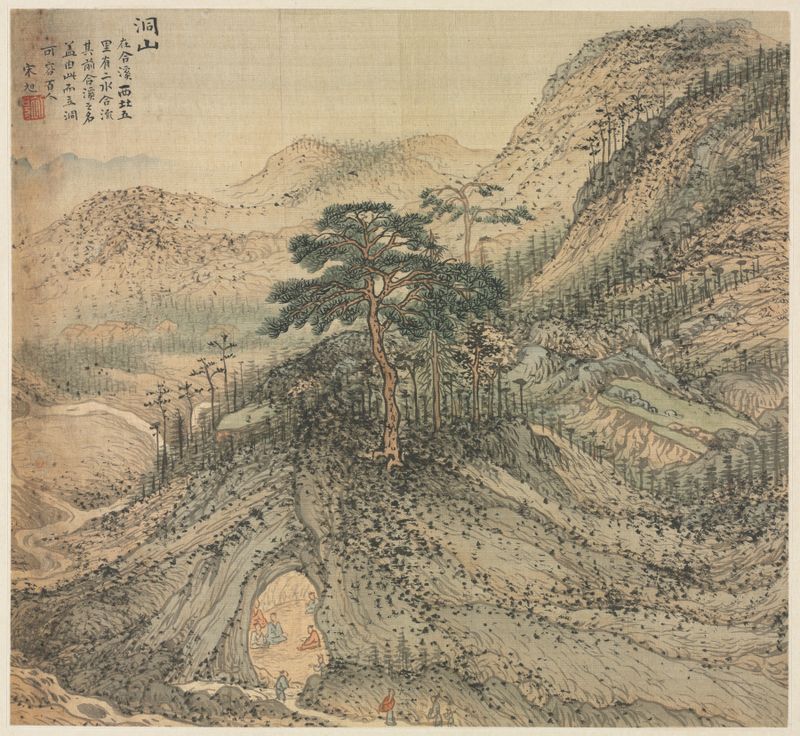
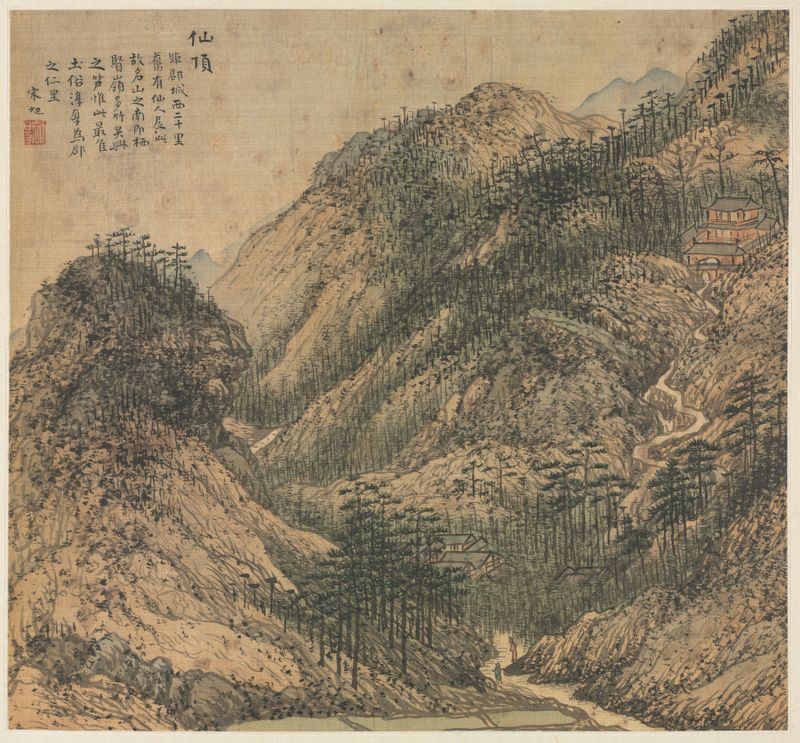
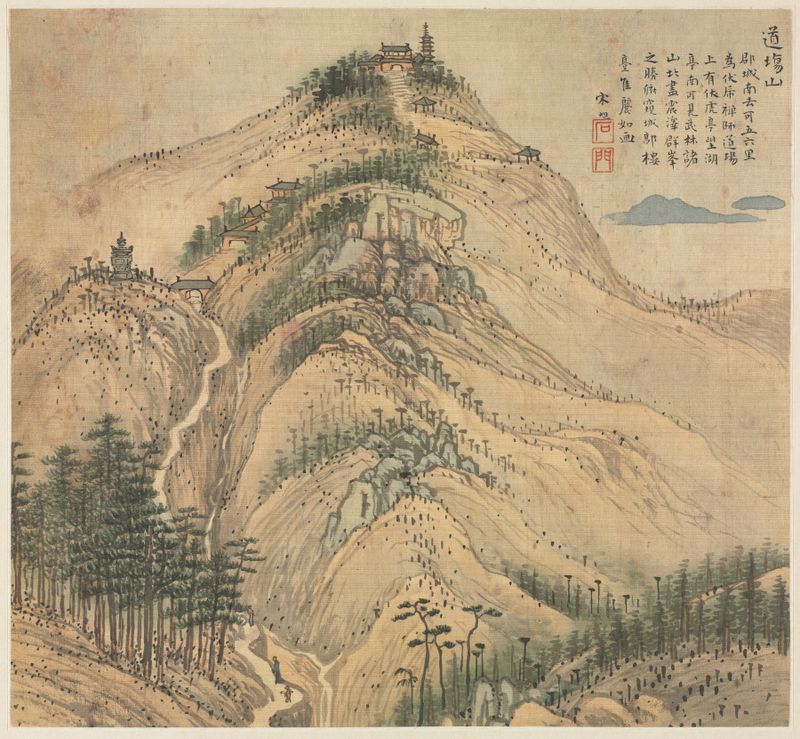
Who listens when art speaks of silence? In Mt. Wuzhan, the weight of tranquility rests on every brushstroke, inviting contemplation and reflection amid vibrant hues that breathe life into the stillness. Look to the left, where deep emerald greens cradle the mountainside, transitioning into soft, fog-laden blues as they rise toward the sky. The brushwork is delicate yet deliberate, creating a harmony between the foreground and background that draws the viewer’s eye deeper into the landscape.
Notice how the ethereal light filters through the mist, casting subtle shadows that enhance the sense of depth and dimension, while the sunlit patches on the rocky outcrops exude warmth, contrasting with the cooler tones that dominate the scene. Within this landscape lies a profound duality — the robust strength of nature juxtaposed with the gentle stillness of the moment. The vibrant colors symbolize the life teeming within the mountains, yet the pervasive silence suggests a moment of pause, a breath held in reverence to the majesty of the surroundings. The dynamic interplay between light and shadow hints at the impermanence of nature, reminding us that even in stillness, change is inevitable. In the late 16th century, during a time of personal and artistic exploration, the artist created this piece around 1588.
Living in a period of cultural flourishing in China, he sought to convey the beauty of his homeland while also expressing the spiritual qualities of landscapes. This era was marked by a growing appreciation for the nuances of color and form in painting, as artists like him began to delve deeper into the emotive power of their work.