
Munoth — History & Facts
In the stillness of a moment caught between time and eternity, the essence of existence unfolds quietly in Munoth. Look to the center of the canvas, where the towering structure of the Munot fortress stands resolute against a backdrop of ethereal skies. Notice how the light plays upon the aged stones, casting shadows that dance with a sense of history. The palette is a blend of muted earth tones and soft blues, suggesting both the weight of the past and the fleeting nature of the present.
The composition draws the eye upward, inviting contemplation on the dichotomy of strength and fragility. Beneath the surface lies a profound hierarchy of emotions. The fortress symbolizes resilience, a bastion against time, while the gentle hues of the sky suggest a wistful longing for connection beyond its walls. The absence of human figures emphasizes solitude, evoking a sense of quiet contemplation that resonates deeply within the viewer.
Each brushstroke seems to echo the silence of the fortress, a reminder that beneath the surface of stone lies a reservoir of untold stories. Johann Friedrich Wagner painted Munoth between 1840 and 1844, during a time when he was deeply engaged with the Romantic ideals of nature and place. Living in Switzerland, Wagner's focus was on capturing the essence of his surroundings, as the art world was shifting toward a greater appreciation for emotive landscapes and architectural forms. The painting reflects not only his personal expression but also the cultural currents of a Europe grappling with the complexities of modernity.
More Artworks by Johann Friedrich Wagner
Browse all →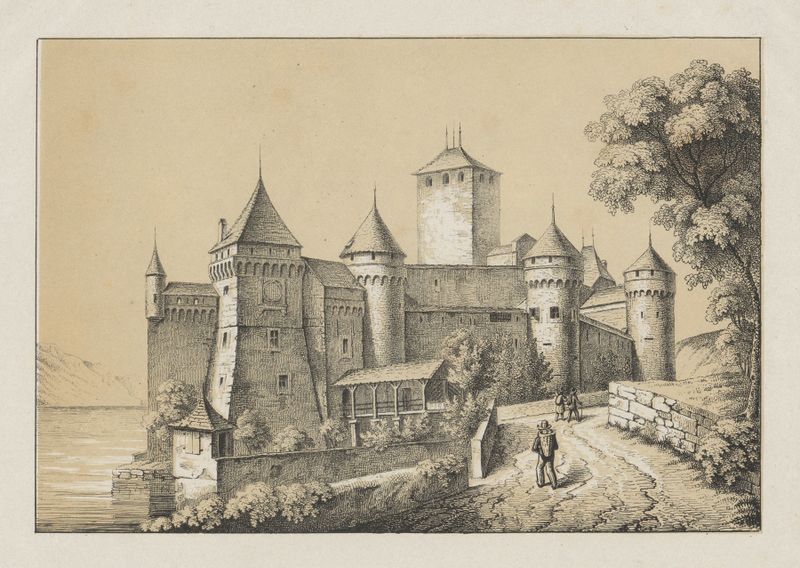
Chillon
Johann Friedrich Wagner

Valangin
Johann Friedrich Wagner
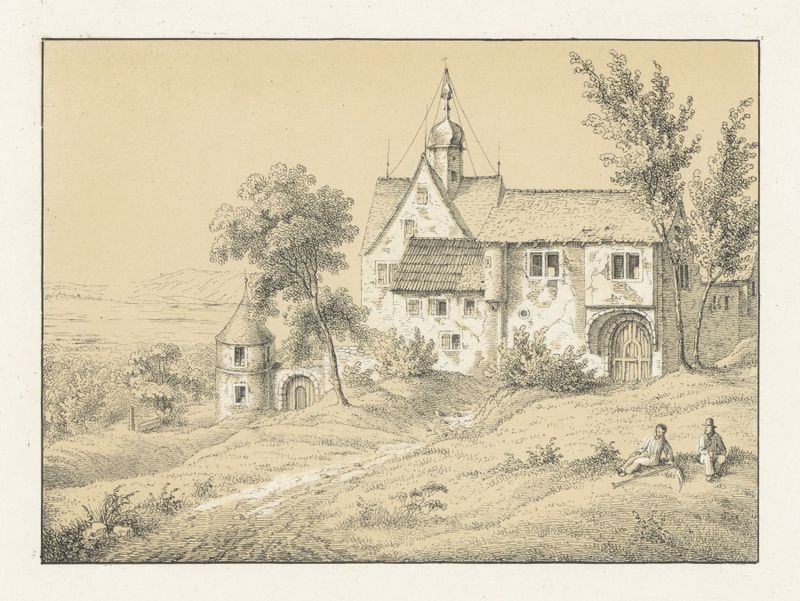
Greifenstein
Johann Friedrich Wagner

Vorburg
Johann Friedrich Wagner
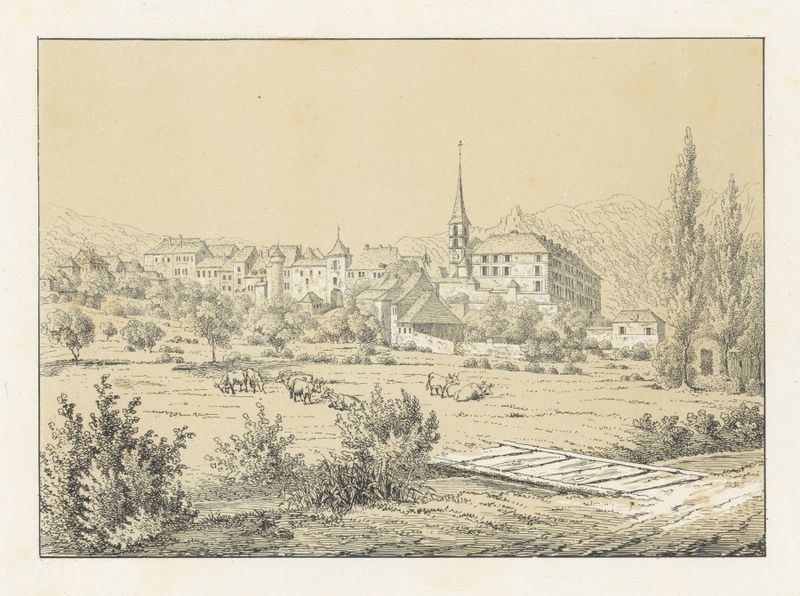
Delémont
Johann Friedrich Wagner

Pleujouse
Johann Friedrich Wagner

Challay
Johann Friedrich Wagner
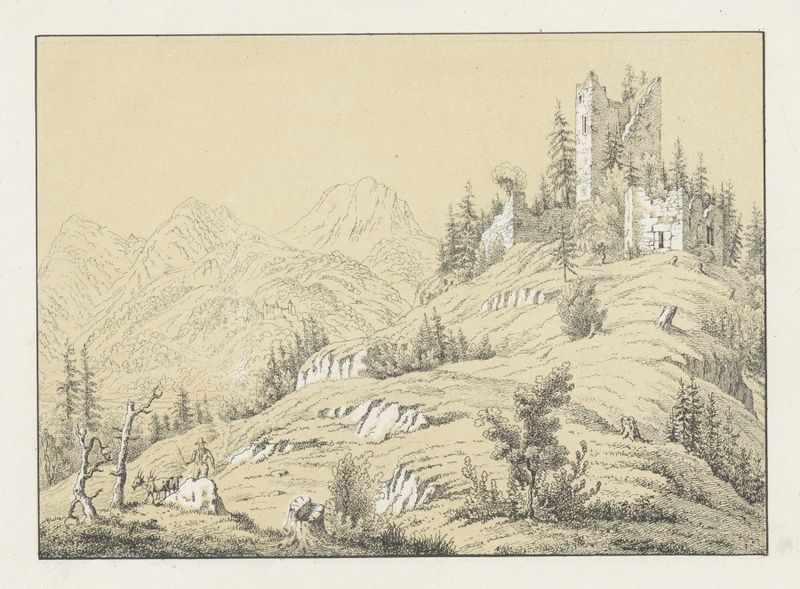
Mont Salvant
Johann Friedrich Wagner
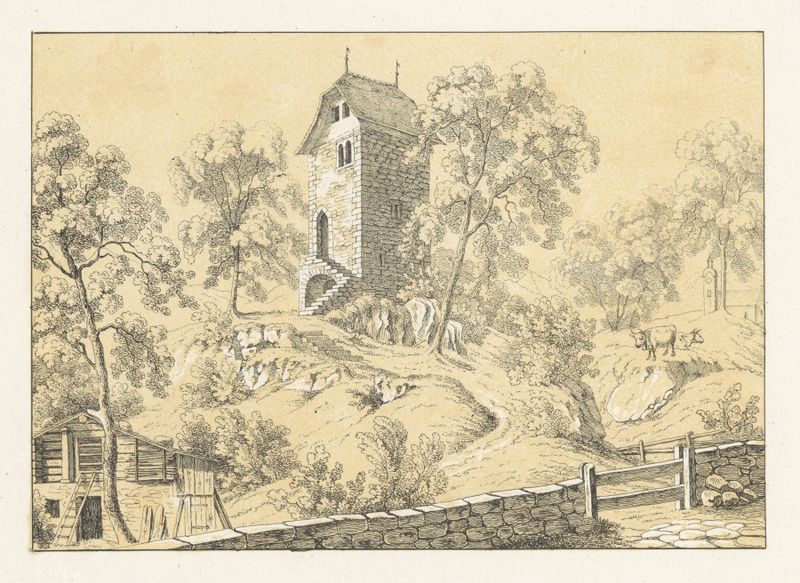
Aha. Od. Untere Burg von Sarnen
Johann Friedrich Wagner
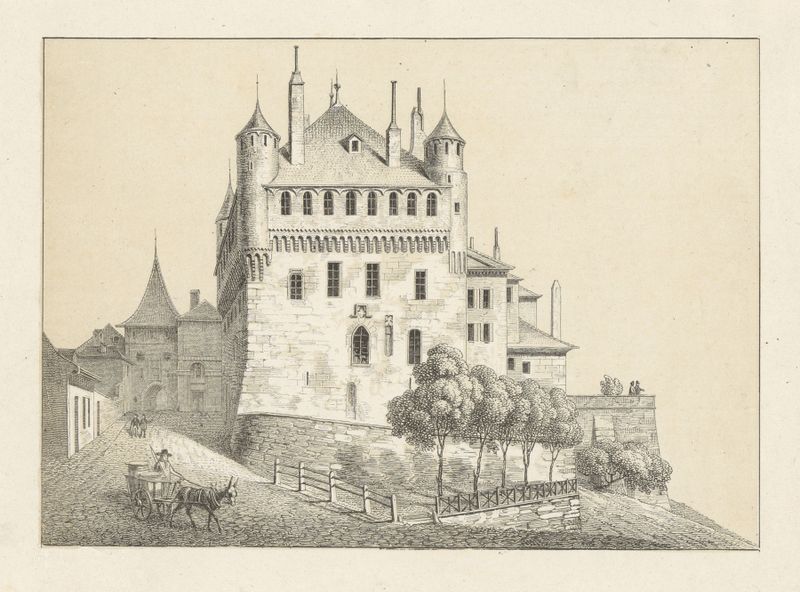
Lausanne
Johann Friedrich Wagner
More Architecture Art
Browse all →
The statue of Liberty
Frédéric Auguste Bartholdi

View of Houses in Delft, Known as ‘The Little Street’
Johannes Vermeer

View of Houses in Delft, Known as ‘The Little Street’
Johannes Vermeer

The Cathedral in Rouen. The portal, Grey Weather
Claude Monet

The yellow house
Vincent van Gogh

The Church in Auvers-sur-Oise, View from the Chevet
Vincent van Gogh