
Music Interior — History & Facts
A shaft of afternoon light slices across the floor, catching the hem of a rose-colored dress and the polished wood of a piano, as if the room itself is holding its breath for the next note. Music Interior by Asta Nørregaard draws the viewer into a private world, where music becomes both a performance and a shared secret. The woman at the piano, her back turned and posture intent, is lost in the score before her, while her companion, seated by the window, seems suspended between listening and daydream.
The brushwork is loose, almost sketch-like, yet every element—the greenish wallpaper, the shimmer of brass candlesticks, the dappled sunlight—serves to heighten the sense of intimacy and anticipation. Painted in 1880, this scene belongs to a period when domestic music-making was a mark of refinement and aspiration, particularly among the urban middle class of Northern Europe. Such interiors were not merely backdrops but stages for social ritual, where young women learned to play and to listen, their accomplishments displayed to guests and family alike. The painter’s choice to obscure the pianist’s face invites us to focus instead on gesture and atmosphere: the upright carriage, the careful placement of hands, the way the music seems to bind the two women together even as they occupy separate worlds.
Works like this, often commissioned to celebrate family life or feminine accomplishment, speak to a time of shifting roles and rising ambitions—echoes of which linger in the National Museum of Art, Architecture and Design, where this painting now quietly waits for its next audience.
More Artworks by Asta Nørregaard

Interior with Harp
Asta Nørregaard
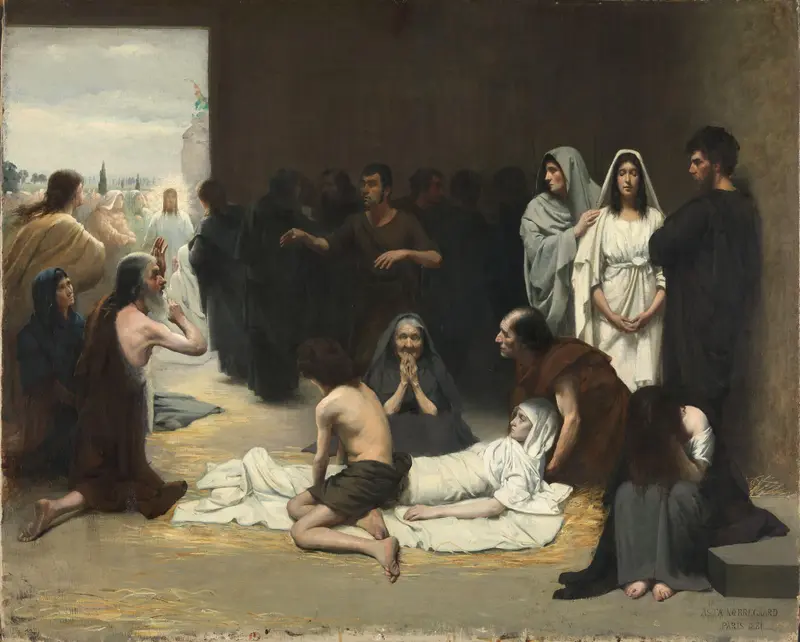
Waiting for Christ
Asta Nørregaard
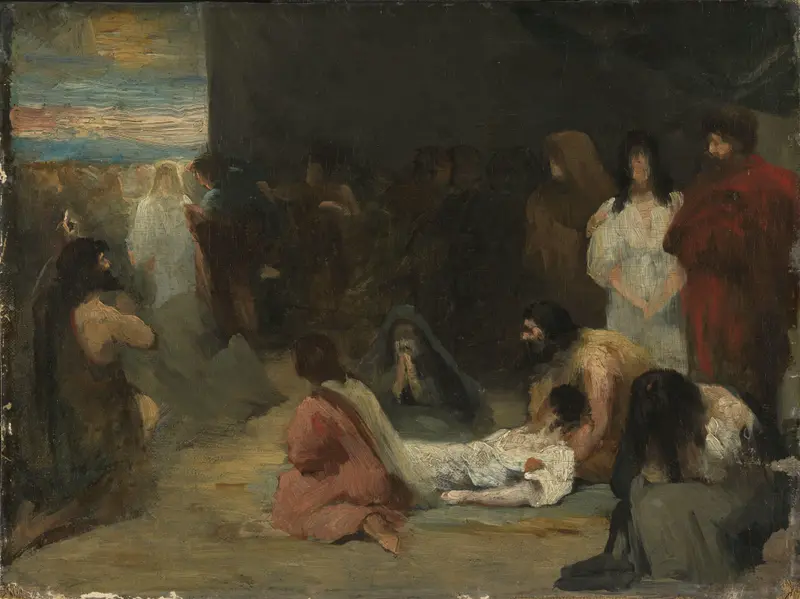
Kristus kommer
Asta Nørregaard
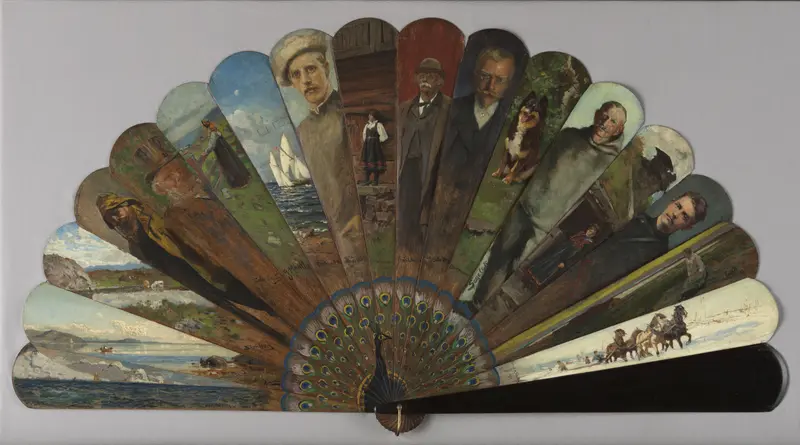
Kunstnerviften
Asta Nørregaard
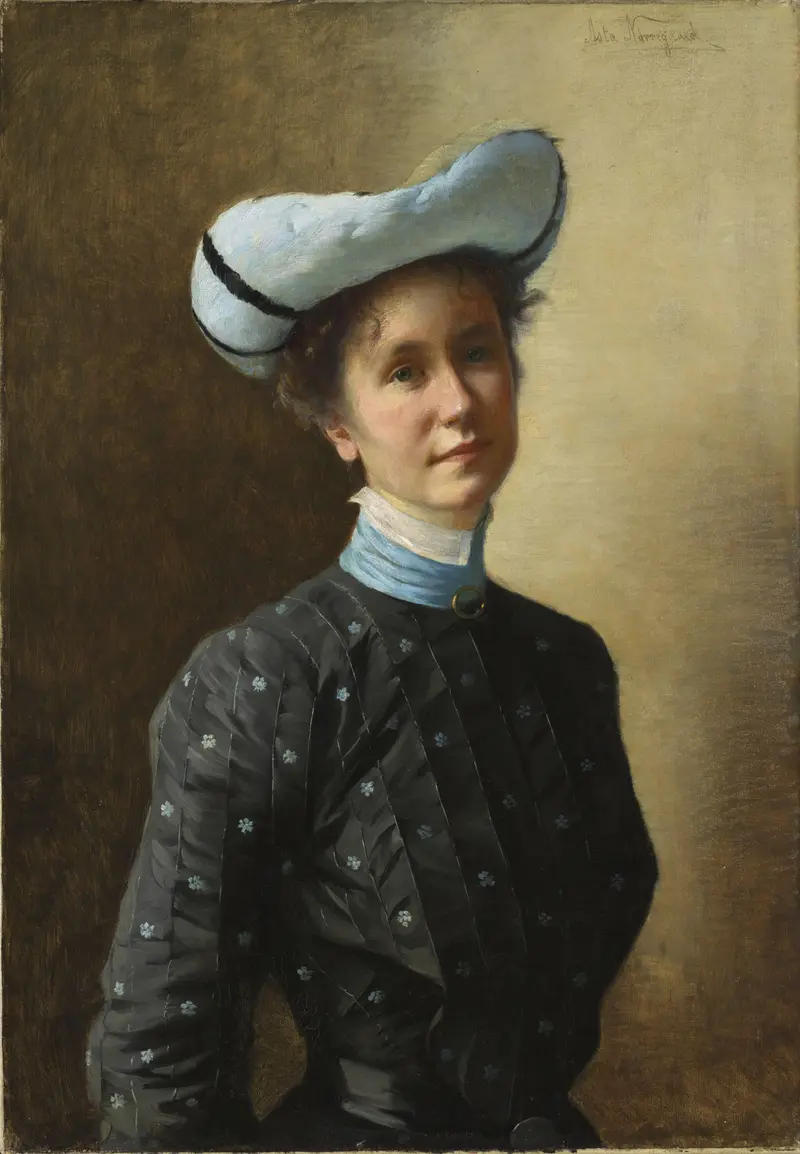
Portrait of Ingeborg Gade
Asta Nørregaard
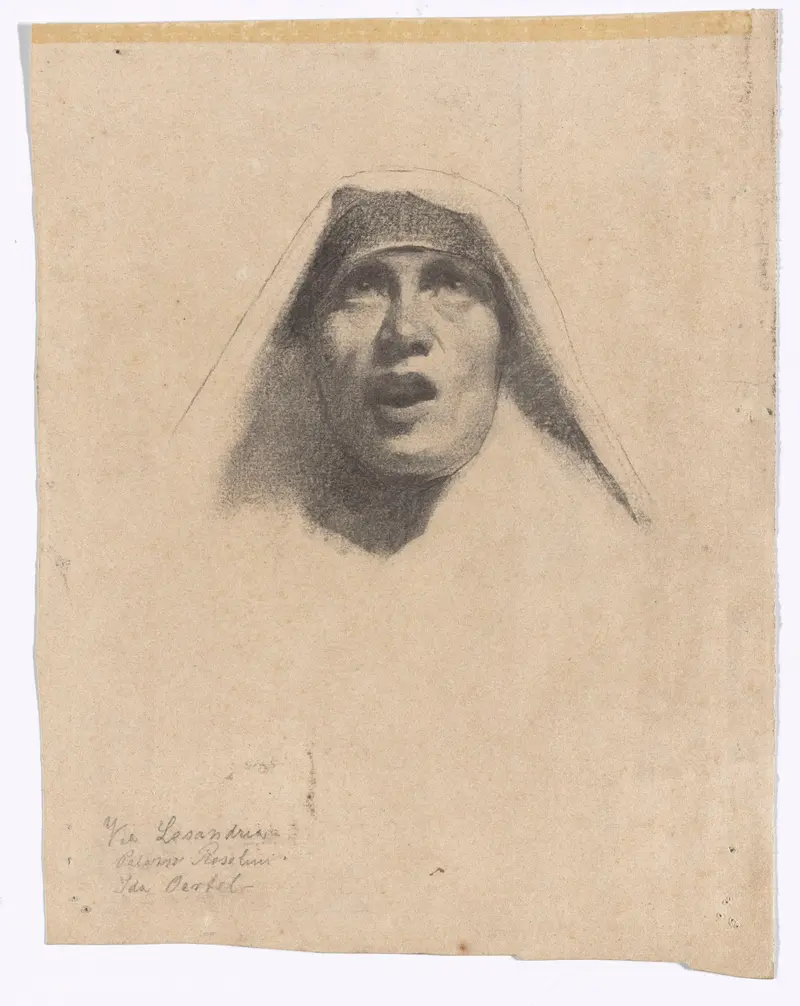
Nun
Asta Nørregaard
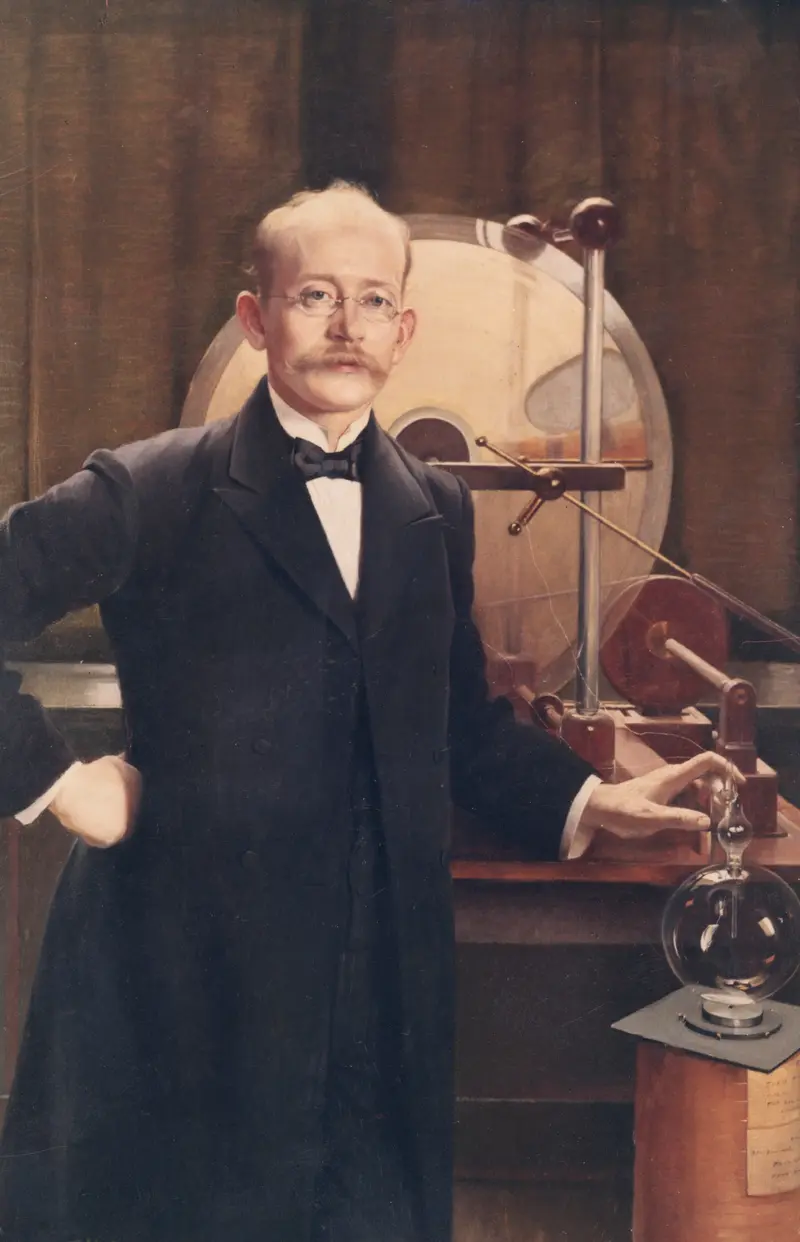
Portrait of Kristian Birkeland, Norwegian scientist and industrialist
Asta Nørregaard
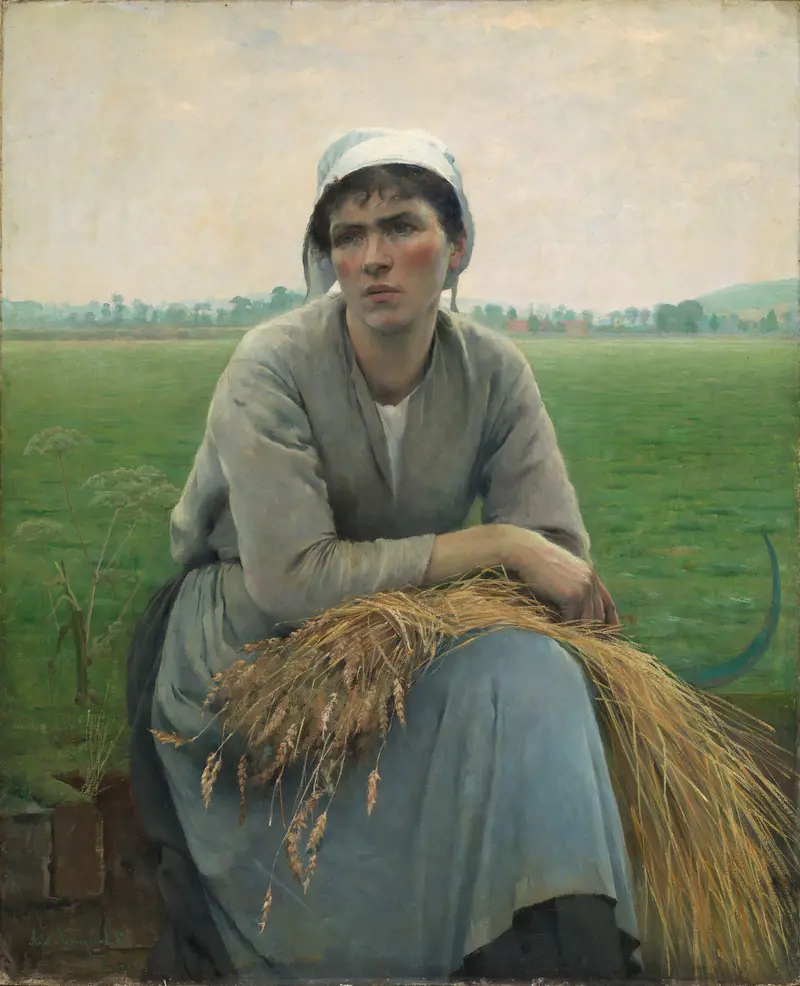
Peasant Woman from Normandy
Asta Nørregaard
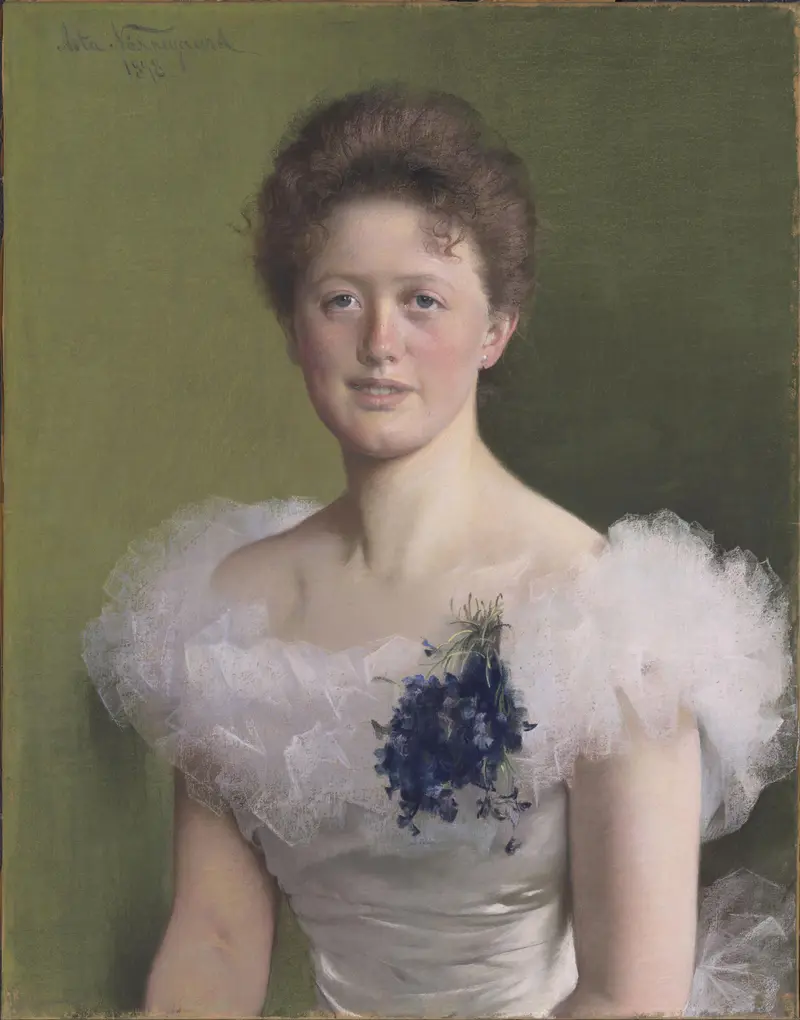
Portrett av Benedikte Sophie Kaltenborn
Asta Nørregaard
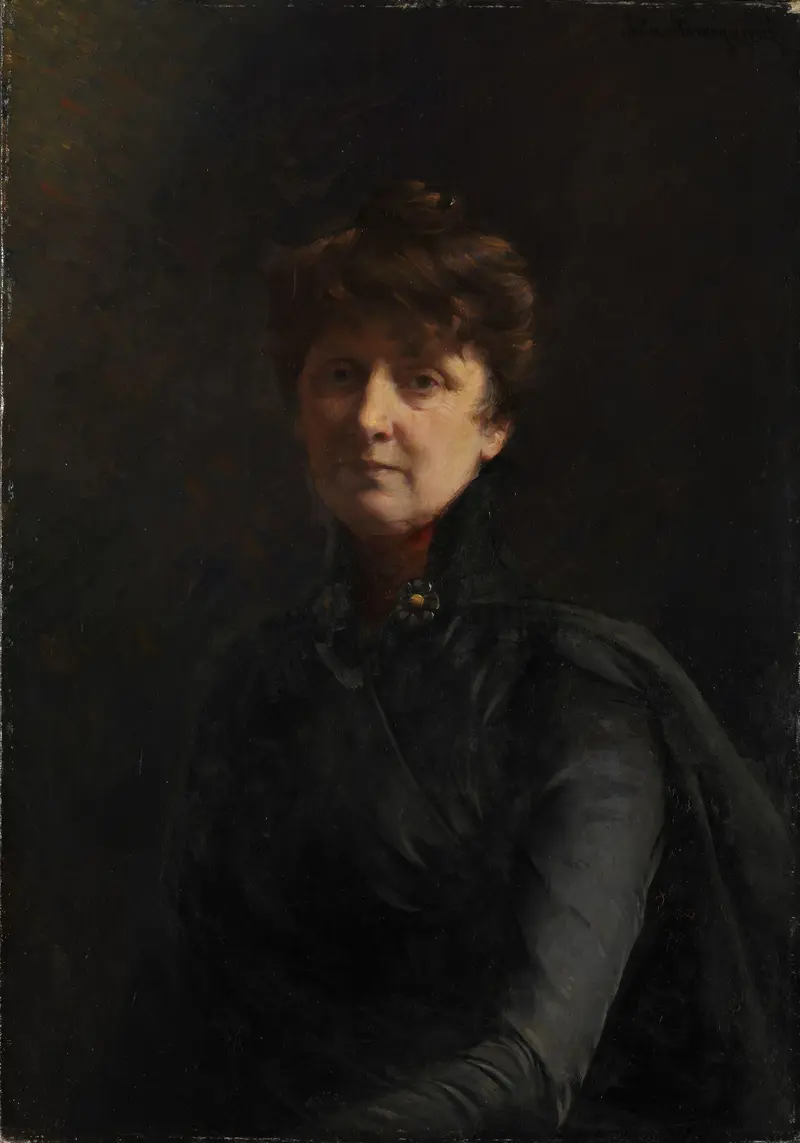
Selvportrett
Asta Nørregaard





