
Muziek — History & Facts
In the realm of memory, art serves as a vessel, transporting us through time and emotion, stitching together fragments of our lives into a cohesive narrative. Look to the center of the canvas, where musicians gather, each figure intricately detailed, their instruments poised with intent. Notice how the vibrant reds and greens of their garments contrast against the softer, muted background, drawing your attention like a siren's call. The play of light illuminates their faces, infused with a sense of joy and purpose, while the gentle curvature of their bodies creates a harmonious rhythm that echoes the music they create. As you observe closer, the tension between the vibrancy of the musicians and the subtle darkness of the surrounding space reveals a deeper story of longing and nostalgia.
The expressions captured in their eyes speak of shared memories, perhaps a collective yearning for moments that have slipped away. Each instrument, from the lute to the flute, symbolizes not only the music that binds them but also the fleeting nature of joy, encapsulating an ephemeral moment in time. Georg Pencz painted Muziek between 1539 and 1543, during a period rich with cultural transition in Northern Europe. Influenced by the Renaissance’s embrace of humanism and the arts, he was part of a vibrant artistic community in Nuremberg, where the tension between tradition and innovation shaped his work.
As he navigated the complex tapestry of his era, he captured in this piece the essence of music’s power to evoke memory and connection.
More Artworks by Georg Pencz
Browse all →
Parabel van de zaaier
Georg Pencz

Parabel van de arbeiders in de wijngaard
Georg Pencz
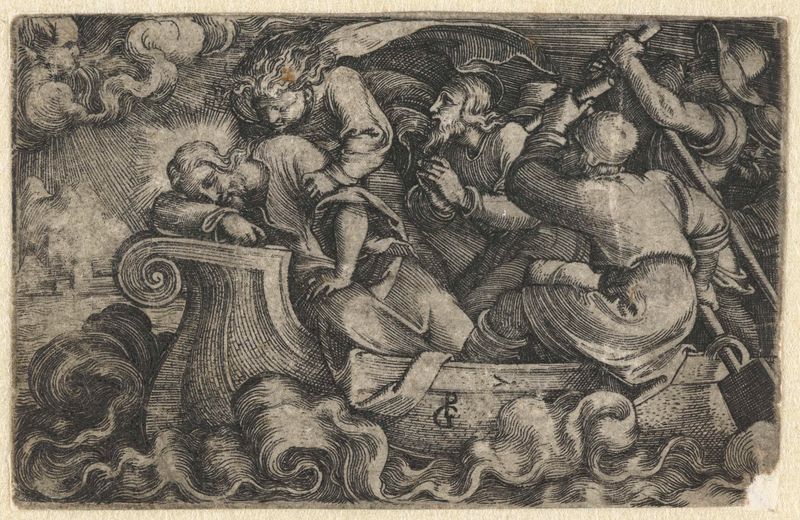
Discipelen wekken slapende Christus tijdens storm op Meer van Galilea
Georg Pencz

Afgunst (Invidia)
Georg Pencz
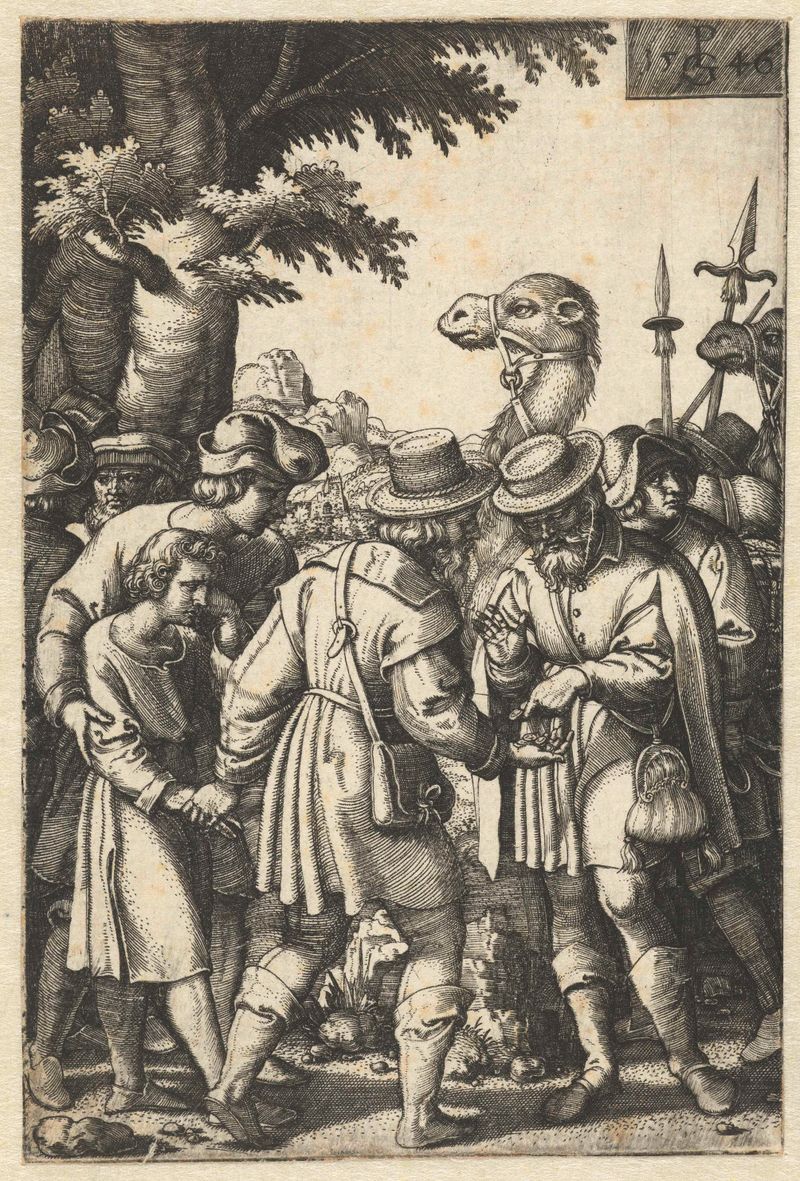
Jozef wordt verkocht aan kooplieden op weg naar Egypte
Georg Pencz

Aanbidding der koningen
Georg Pencz
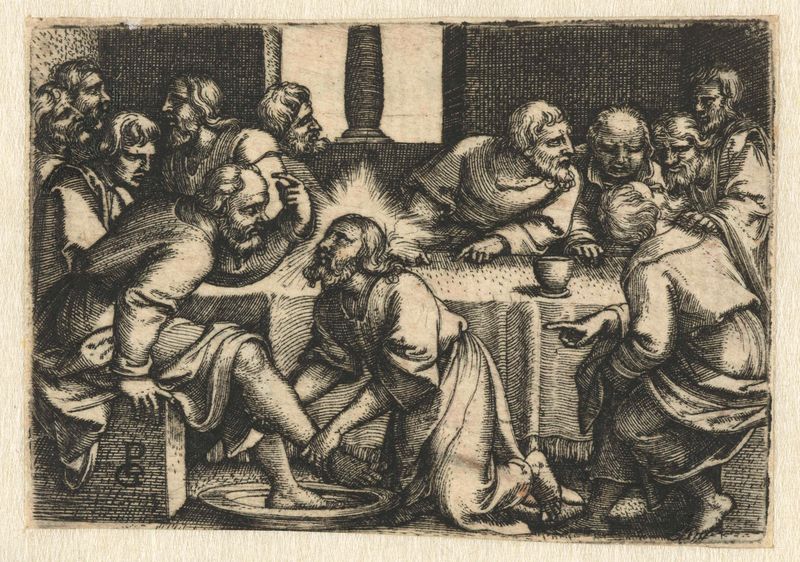
Petrus protesteert als Christus zijn voeten wast
Georg Pencz
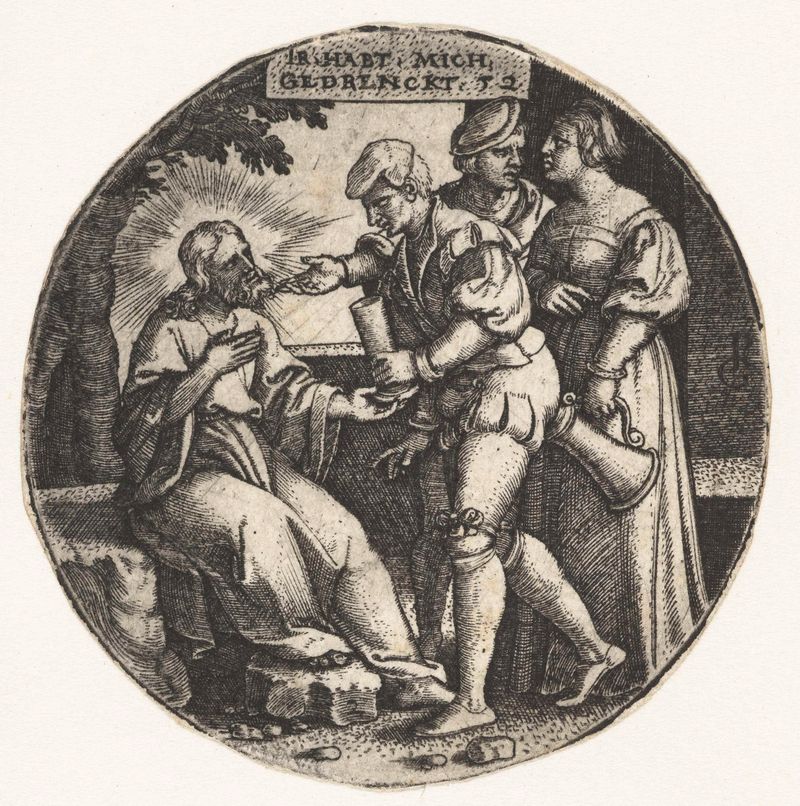
Christus heeft dorst en krijgt drinken aangeboden
Georg Pencz
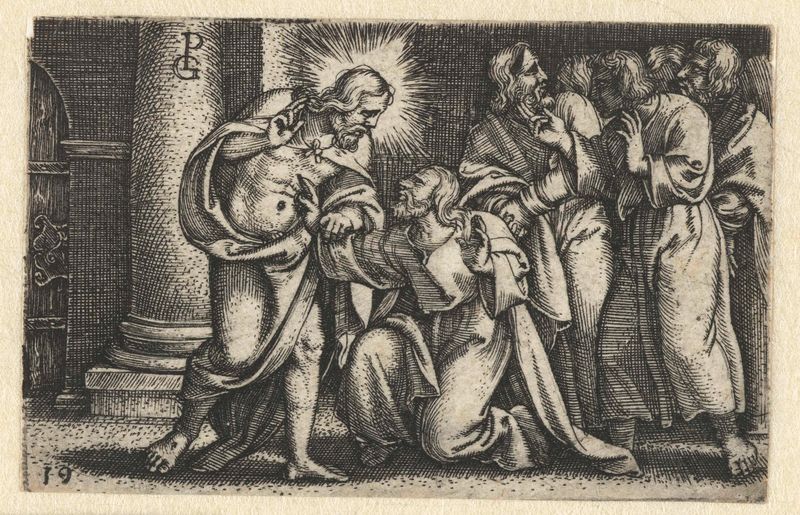
Ongelovige Thomas raakt wonden Christus aan
Georg Pencz

Offer van Abraham van Isaak
Georg Pencz





