
Naakte vrouw, gezeten op een verhoging — History & Facts
Could beauty survive in a century of chaos? Wenceslaus Hollar's Naakte vrouw, gezeten op een verhoging stands as an answer, a serene reflection of grace amid turmoil. Here, a lone female figure occupies the center of the composition, her tranquil presence inviting introspection in a world rife with conflict. Focus on the figure’s posture, elegantly seated on a raised platform, exuding confidence and vulnerability. Notice how the soft lines of her body resonate against the starkness of the unadorned background, creating a striking contrast that highlights her form.
The use of light and shadow breathes life into her skin, emphasizing the delicate textures while the subtle earthy tones evoke a sense of warmth, drawing the eye effortlessly to her serene expression. Delve deeper into the emotional undercurrents at play; the raised platform symbolizes both elevation and isolation, suggesting the dichotomy of beauty revered yet distanced from the chaos below. The simplicity of the surroundings enhances the figure’s transcendence, offering a moment of stillness that stands in stark opposition to the societal upheaval of the 17th century. Here, Hollar invites viewers to ponder the fragility of beauty and the enduring strength it embodies. Created in 1635, this piece reflects Hollar’s life in Prague during the Thirty Years' War, a time of political and religious turmoil.
As an artist primarily focused on prints, Hollar navigated through a world where chaos often drowned out the subtler nuances of life, yet he constantly sought to capture moments of purity and transcendence amidst the strife surrounding him.
More Artworks by Wenceslaus Hollar
Browse all →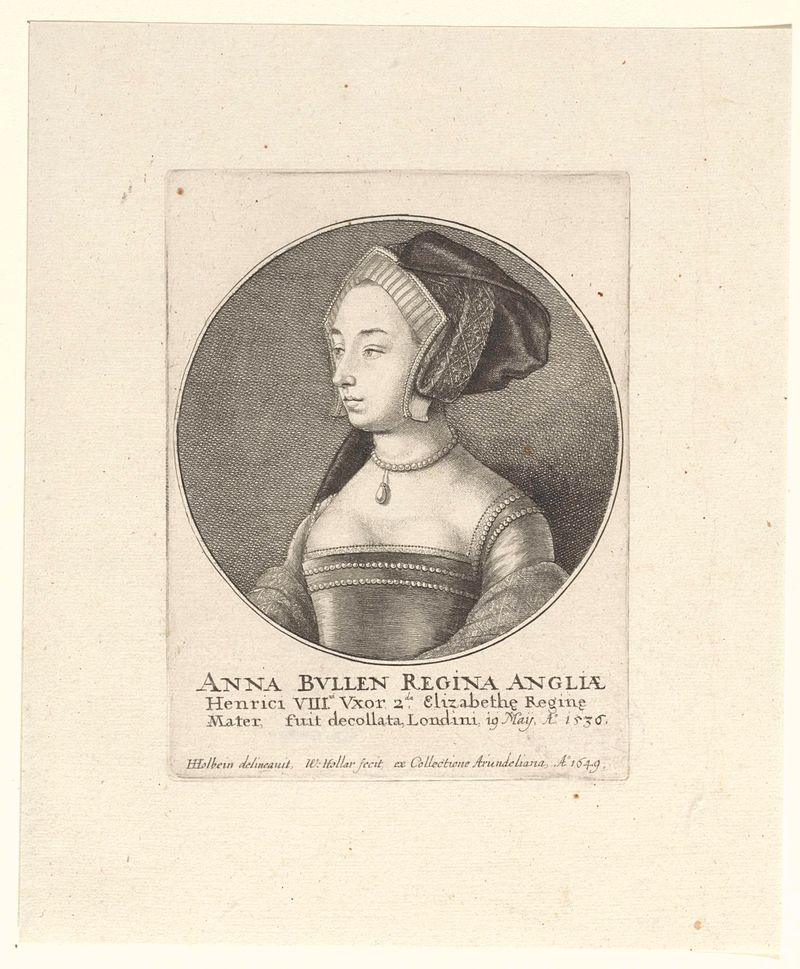
Portret van Anna Boleyn, koningin van Engeland
Wenceslaus Hollar
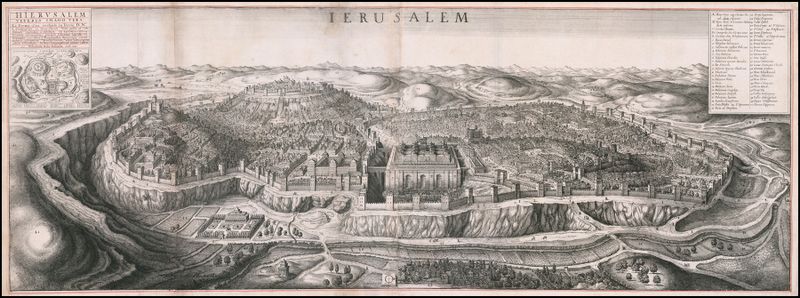
Bird’s eye view of Jerusalem
Wenceslaus Hollar
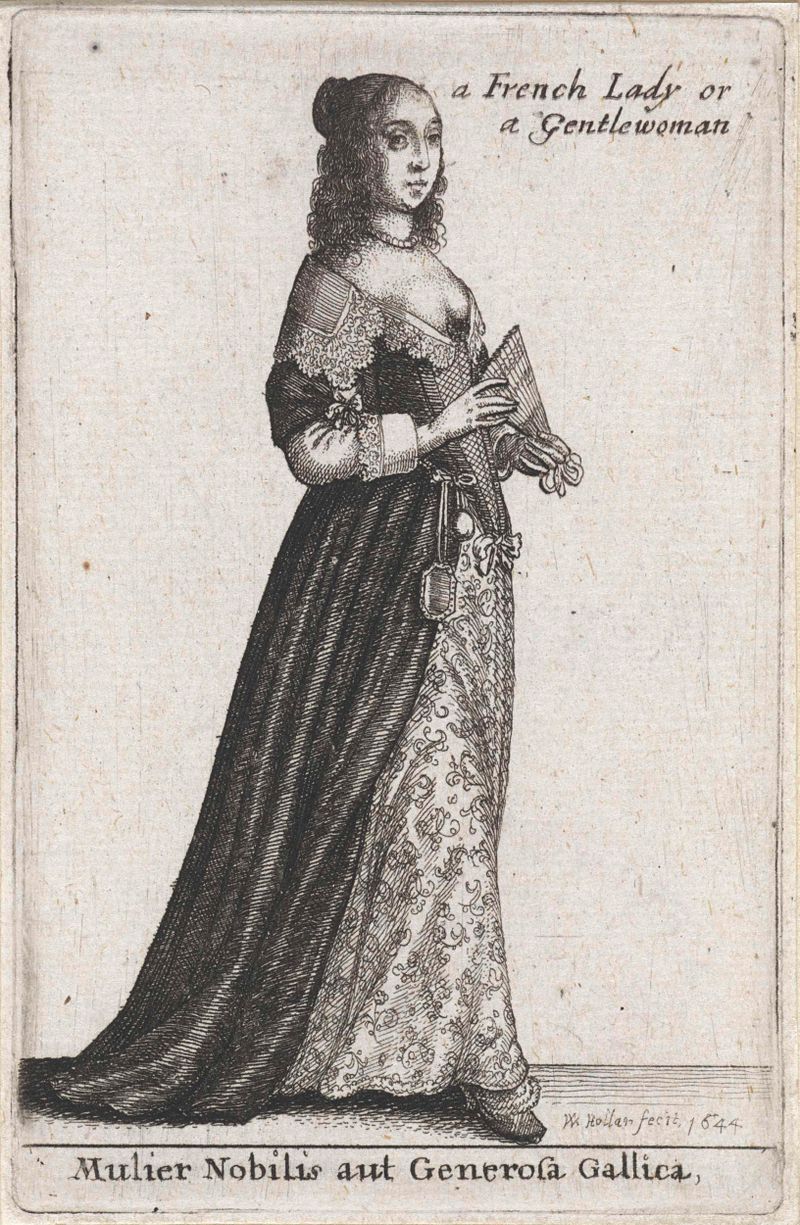
Mulier Nobilis aut Generosa Gallica / a French Lady or Gentlewoman
Wenceslaus Hollar
Titelprent voor: Ornatus Muliebris Anglicanus
Wenceslaus Hollar
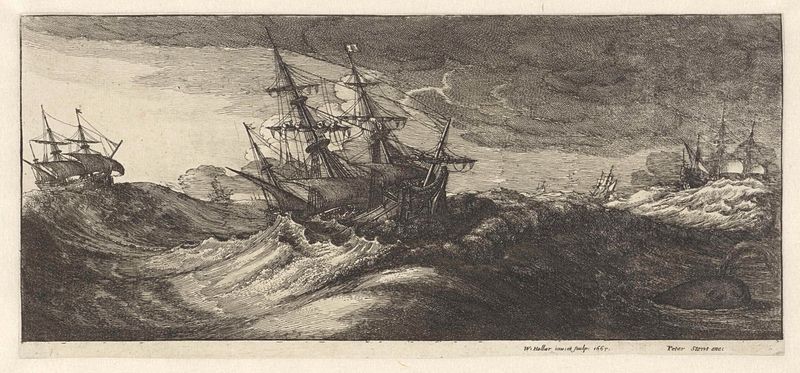
Oorlogsschepen en een walvis in een zeestorm
Wenceslaus Hollar
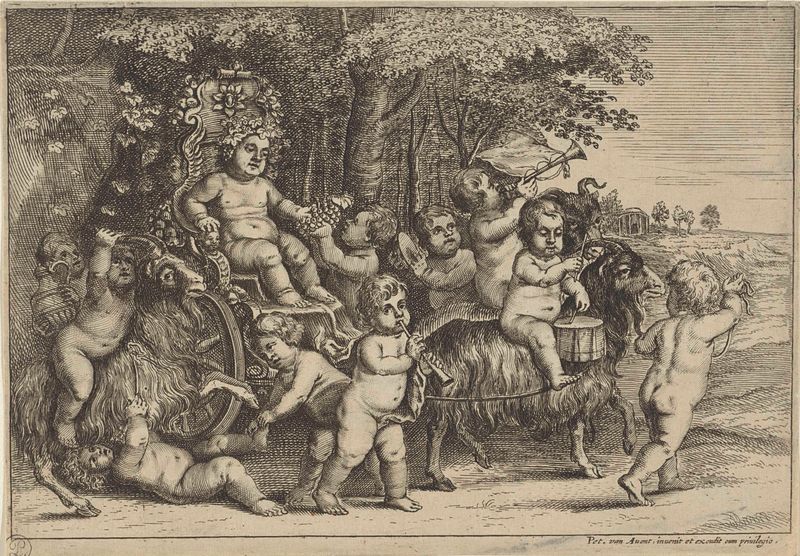
Optocht van bacchant en jongetjes op geiten
Wenceslaus Hollar
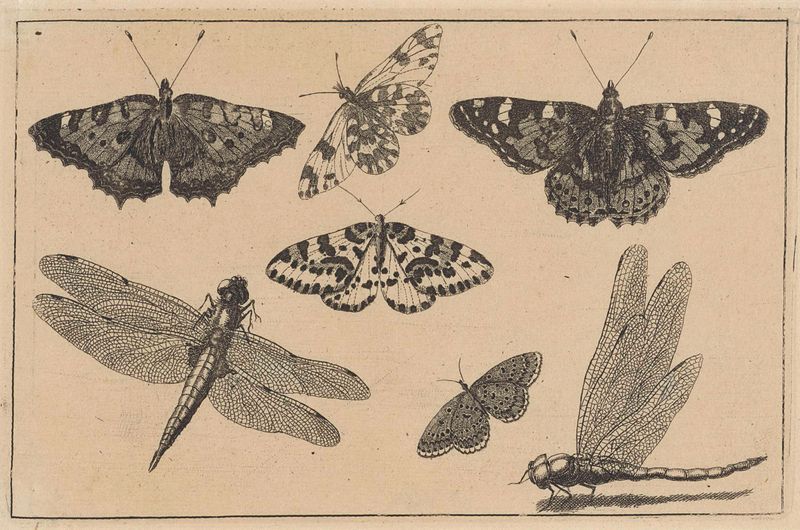
Twee libellen en vijf vlinders
Wenceslaus Hollar
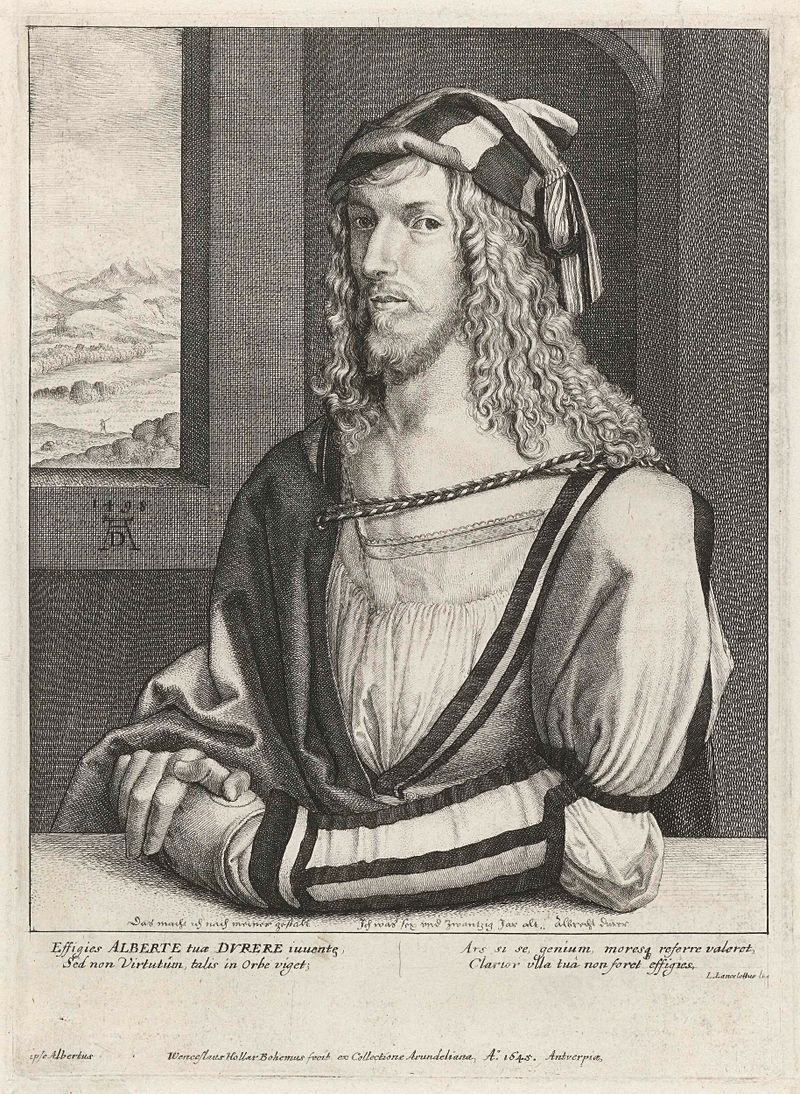
Portret van Albrecht Dürer
Wenceslaus Hollar
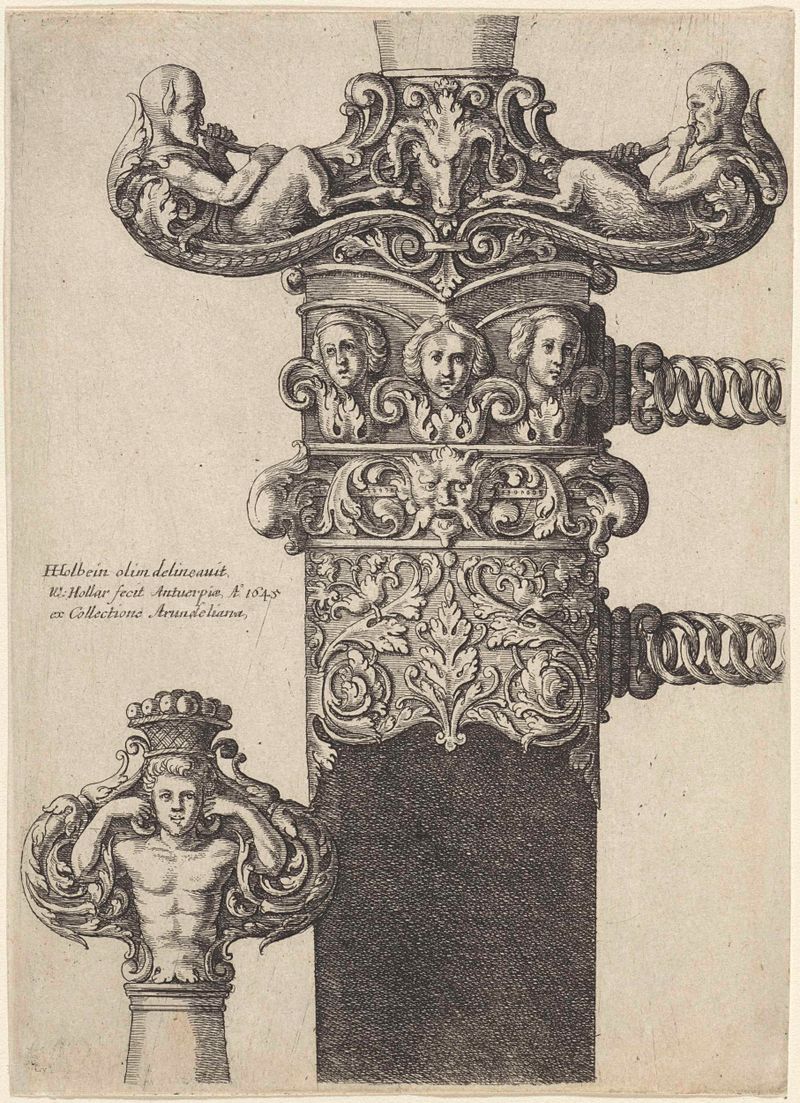
Ornamenteel ontwerp voor een dolk
Wenceslaus Hollar
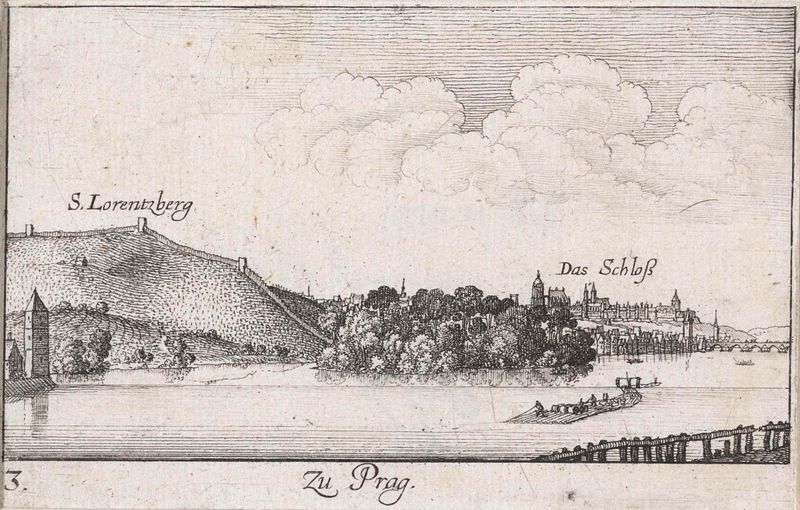
Gezicht op Praag vanaf de Moldau
Wenceslaus Hollar





