
Nach rechts stehender Ochse, schwarz und weiß gefleckt — History & Facts
In Nach rechts stehender Ochse, schwarz und weiß gefleckt, we see a striking black and white spotted ox standing in a serene landscape. The animal is depicted with a strong presence, its coat reflecting the light in a way that highlights its unique markings. The background features a soft, natural setting, suggesting a tranquil rural environment.
The colors are rich, with warm earth tones contrasting against the cool tones of the ox's fur. The painting is executed in oil on canvas, a common medium for the Dutch Golden Age. Cuyp's technique showcases his skill in rendering textures, particularly in the depiction of the ox's fur and the surrounding foliage. The composition is balanced, with the ox positioned prominently to draw the viewer's eye.
The use of light and shadow adds depth, enhancing the three-dimensionality of the scene. Aelbert Cuyp was a prominent Dutch painter known for his landscapes and animal subjects during the 17th century. This work reflects his interest in capturing the beauty of rural life and the natural world. An interesting fact about this painting is that it exemplifies Cuyp's ability to blend realism with a sense of idealization, making the ox not just a farm animal but a subject of admiration.
His works were highly sought after in his time, influencing later generations of artists.
More Artworks by Aelbert Cuyp

The Maas at Dordrecht
Aelbert Cuyp
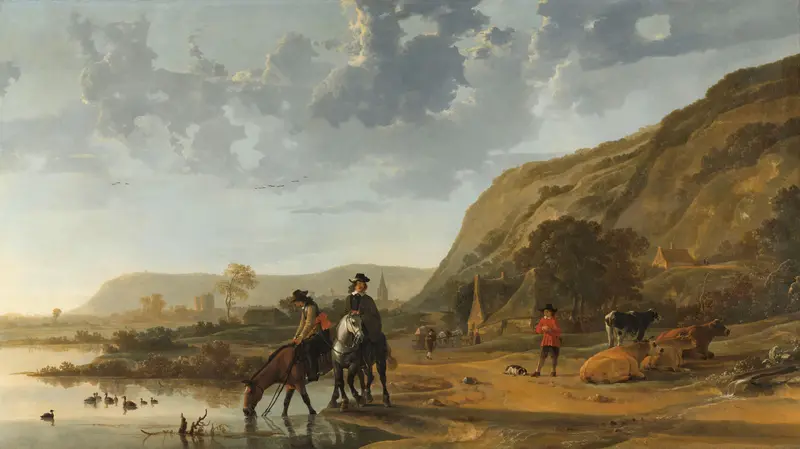
River Landscape with Riders
Aelbert Cuyp

The Maas at Dordrecht
Aelbert Cuyp
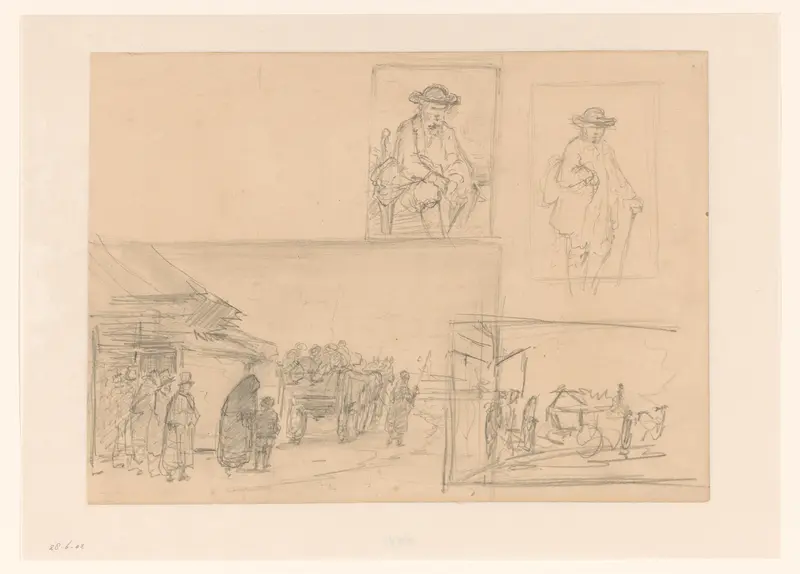
Gezicht op Dordrecht
Aelbert Cuyp
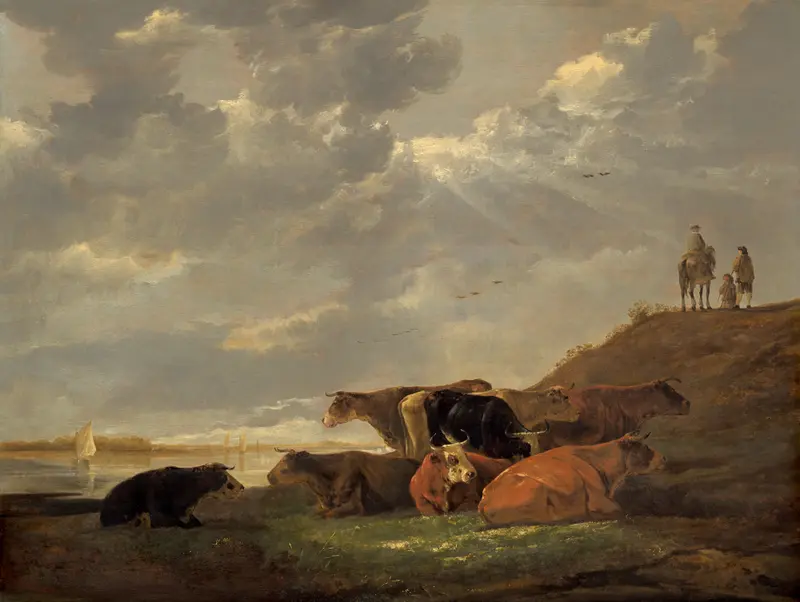
River Landscape with Cows
Aelbert Cuyp
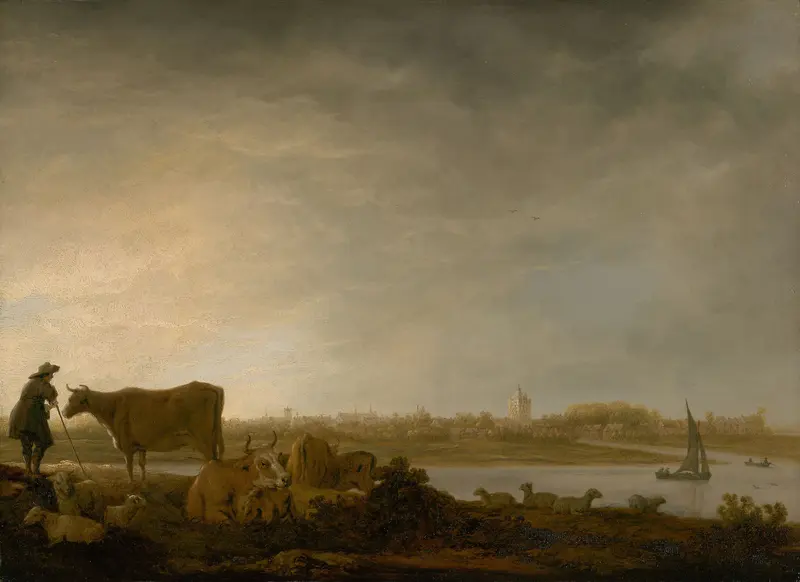
A View of Vianen with a Herdsman and Cattle by a River
Aelbert Cuyp
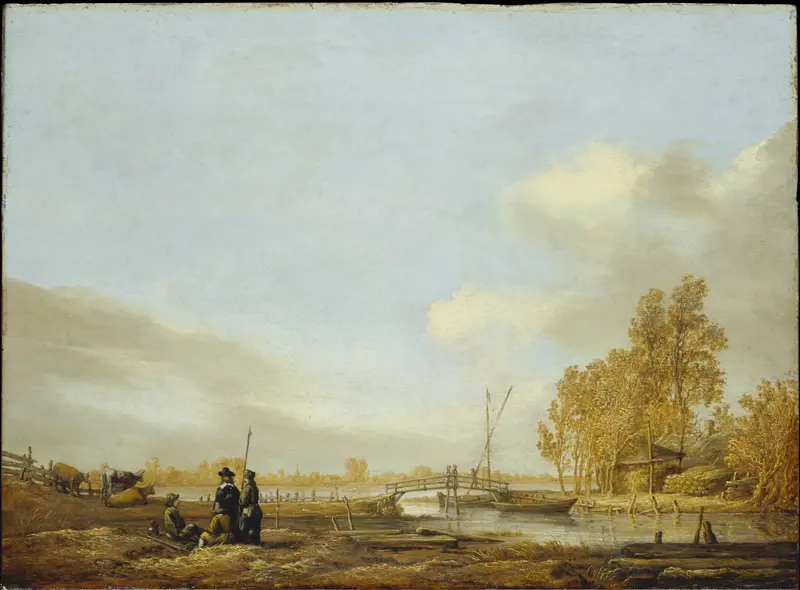
River Landscape with Footbridge
Aelbert Cuyp
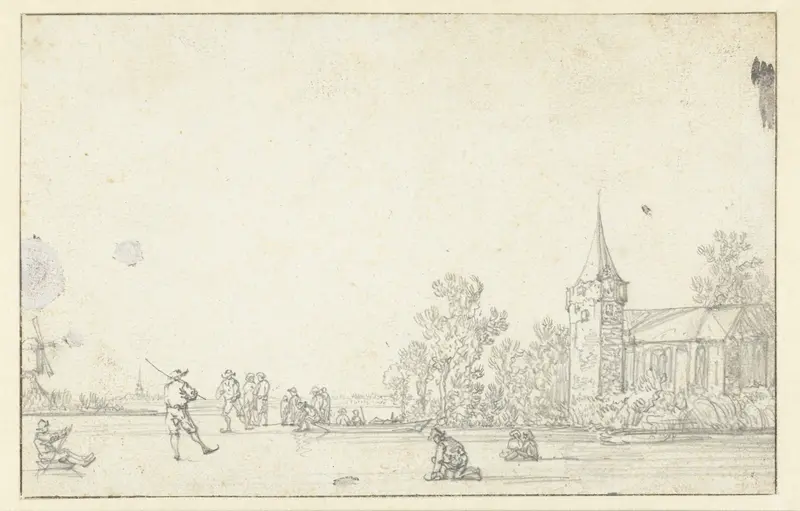
Bevroren rivier met schaatsers bij een kerk
Aelbert Cuyp

Cattle near a River
Aelbert Cuyp
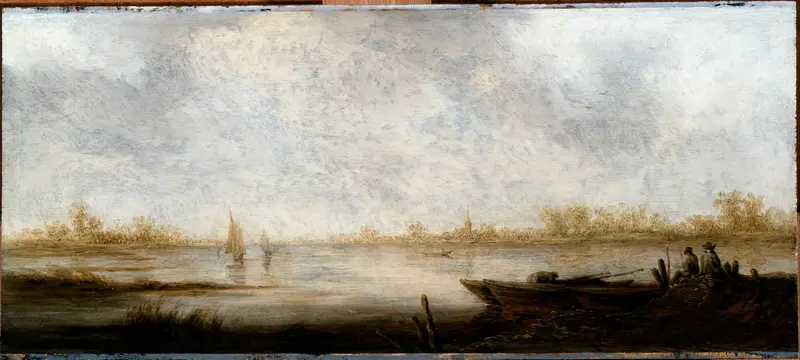
River Landscape
Aelbert Cuyp





