
Nature morte, 1924 (II) — History & Facts
A table becomes a stage for geometry in Nature morte, 1924 (II), where Fernand Léger transforms everyday objects into a crisp, rhythmic architecture. Your eye is drawn at once to the bold, flat planes of color—blue, ochre, red—each edged with black, as if the objects themselves have been drafted with a ruler. The bottle, the knife, the folded paper: all are simplified to their essential forms, yet the composition pulses with a quiet energy.
The overlapping shapes create a sense of depth without illusion, and the palette, both industrial and playful, invites you to linger on each surface and edge. Light here is not about shadow or drama, but about clarity, as if the objects are illuminated from within by their own design. Painted in 1924, this work stands at the crossroads of Cubism and the machine age, a moment when artists like Léger were fascinated by the visual language of modernity. Still lifes had long been a painter’s playground for technical prowess and symbolism, but in the early twentieth century, they became a laboratory for abstraction and new ways of seeing.
Léger, trained as an architect and deeply influenced by the mechanized world, reimagined the genre with the hard-edged precision and color-blocking seen here. Little is recorded about the specific journey of this painting, now documented in a Sotheby’s collection, but its style speaks unmistakably of the postwar years, when artists sought order and optimism in the fragments of daily life. Let your gaze return to the painting and notice how even the most ordinary objects become newly strange and significant through Léger’s vision.
More Artworks by Fernand Léger

The Tugboat Bridge
Fernand Léger
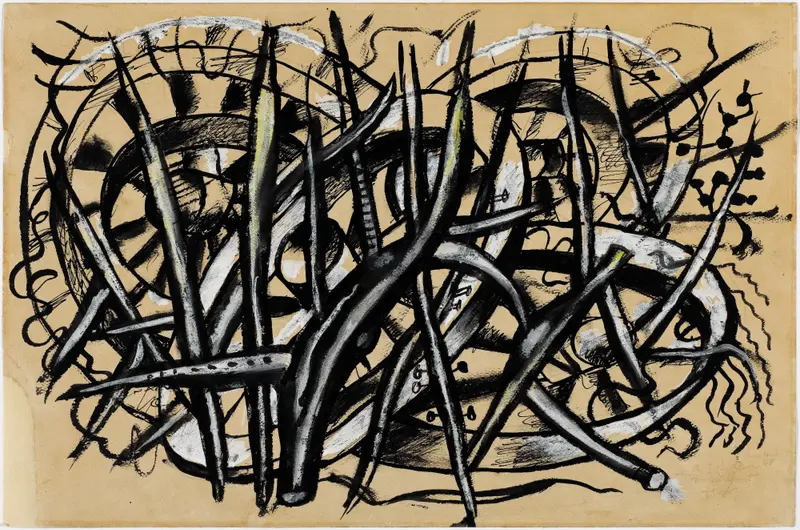
The Wheels
Fernand Léger

Le Cirque Médrano
Fernand Léger
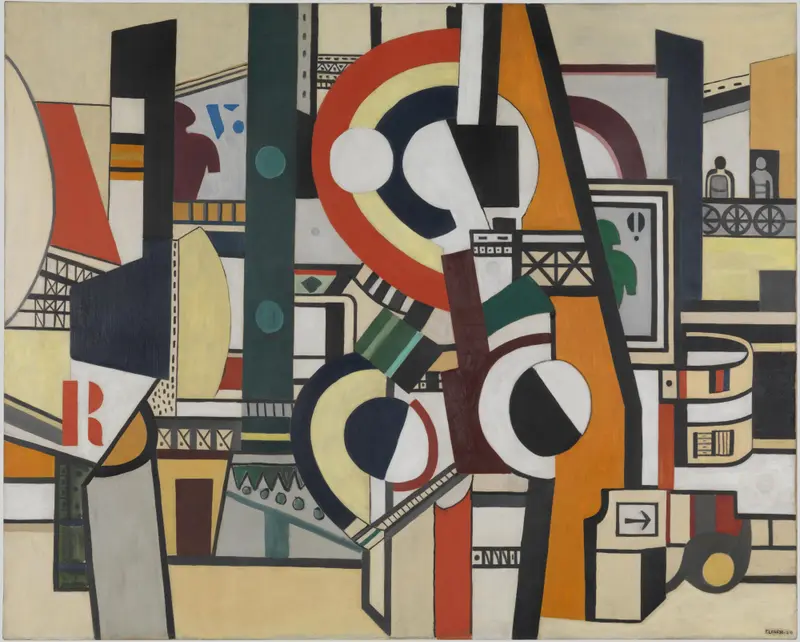
The Disks in the City
Fernand Léger
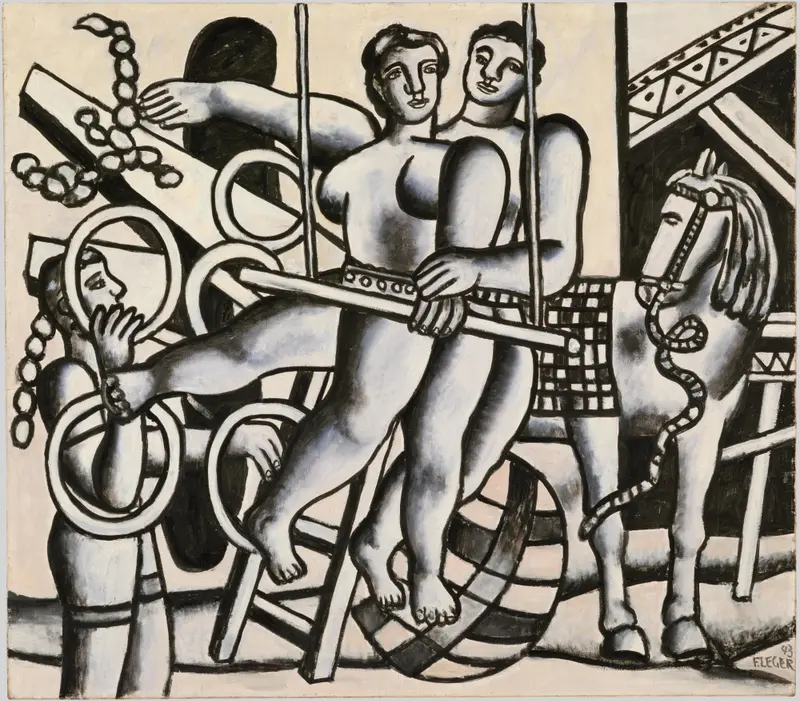
Le Jongleur et les acrobates
Fernand Léger
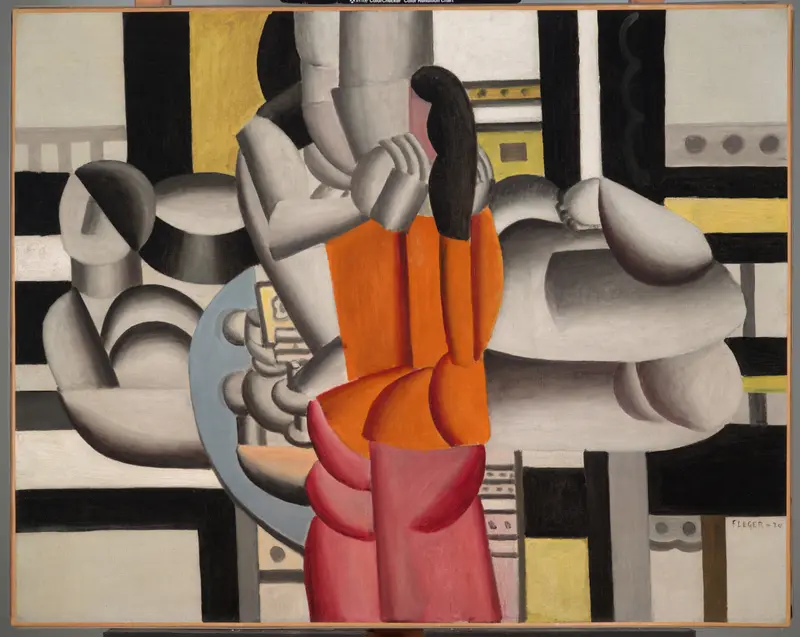
Three Women and Still Life (Déjeuner)
Fernand Léger
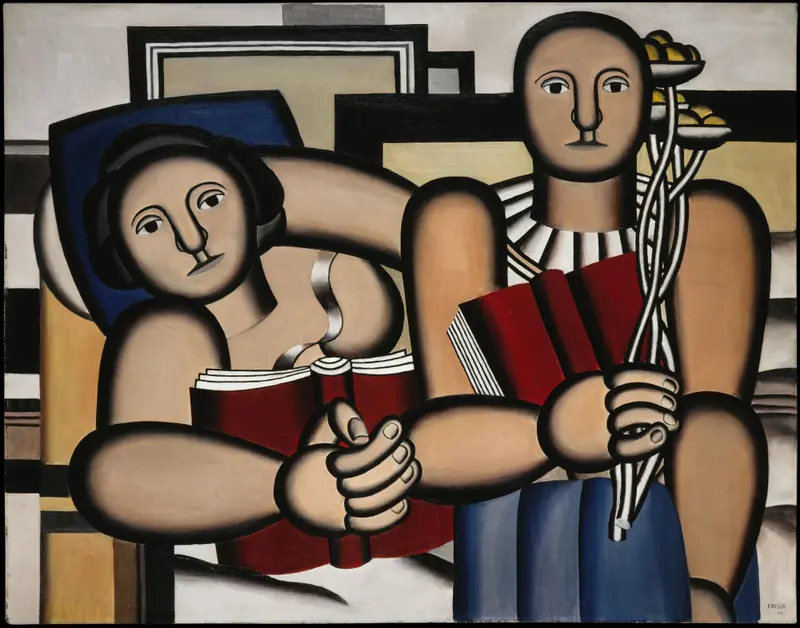
Reading
Fernand Léger
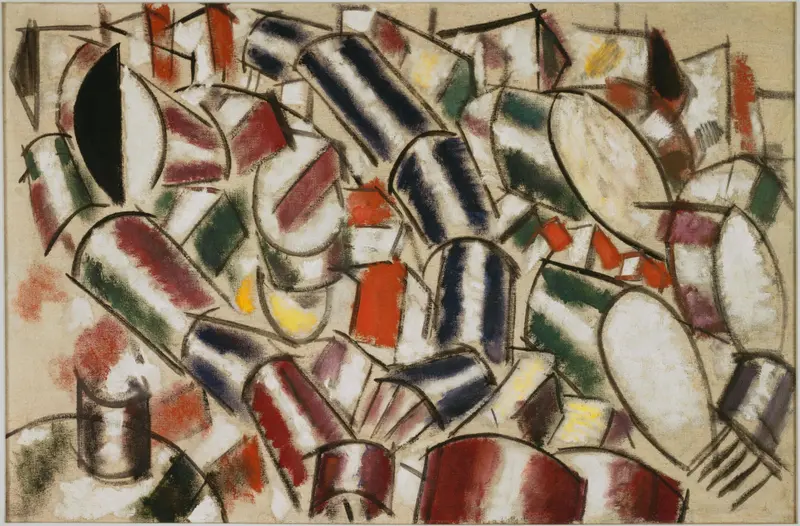
Femme couchée
Fernand Léger
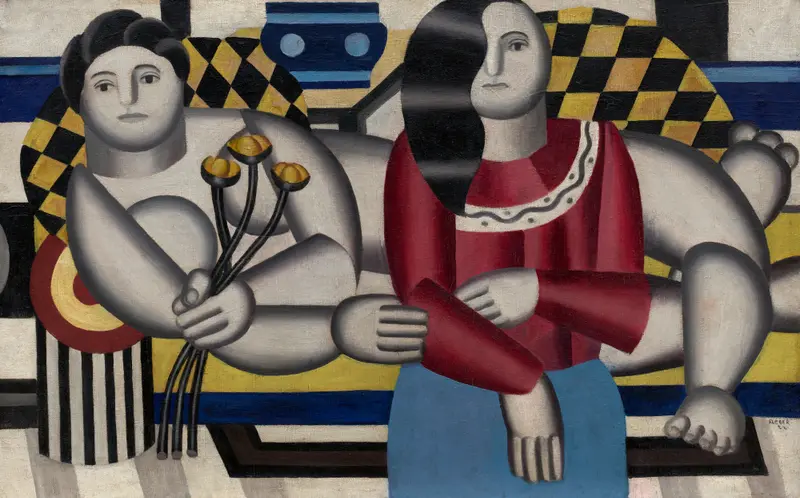
Woman holding flowers
Fernand Léger
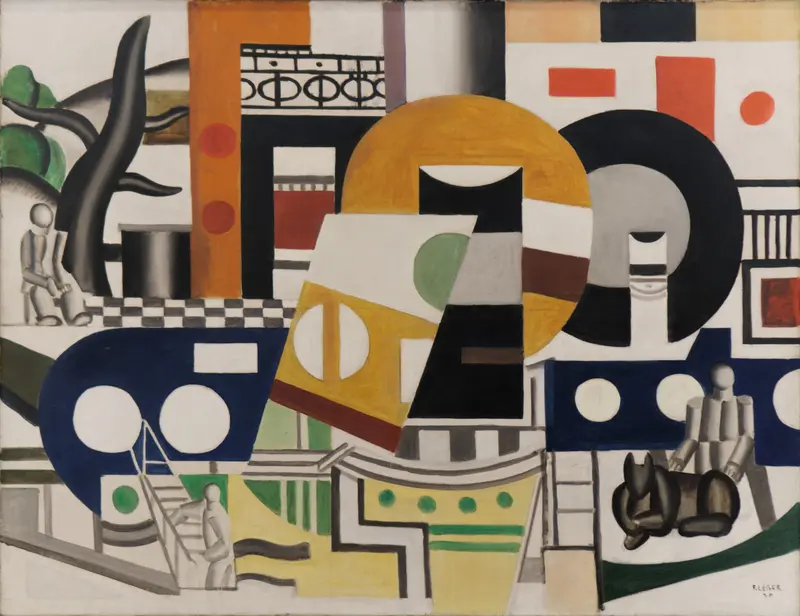
The Tug
Fernand Léger





