
Nature morte, 1928 (65.4 x 92.1 cm) — History & Facts
What first catches the eye in Nature morte, 1928 by Fernand Léger is the way the familiar world of objects dissolves into a choreography of forms and colors. Instead of a traditional still life, where fruit and vessels rest obediently on a table, here we find a stage of bold yellow and black planes, looping lines, and biomorphic shapes that seem to pulse with energy. The two pinkish forms, reminiscent of stylized flowers or fruit bowls, float in a space that resists gravity, their stems curving like musical notes.
Dotted and solid lines dart through the scene, tracing invisible paths and binding the composition together, while the blue swath at the center cools the heated reds and yellows, inviting the viewer’s gaze to linger and wander. Painted in 1928, this work belongs to a moment when Fernand Léger was pushing the boundaries of the still life, a genre that had long been a playground for experimentation in modern art. By this time, artists were no longer content to simply record the appearance of things; instead, they sought to capture the dynamism and abstraction of the modern world. Léger, with his roots in Cubism and his fascination with machinery and urban life, transformed everyday objects into rhythmic arrangements of color and form.
The painting’s bold geometry and playful palette speak to the optimism and innovation of the late 1920s, a period when artists, collectors, and viewers alike were eager to see the world anew. The work’s journey from its creation in 1928 to its appearance in a Sotheby’s sale reminds us how the energy of that era still leaps from the canvas, waiting to be rediscovered by each new eye.
More Artworks by Fernand Léger

The Tugboat Bridge
Fernand Léger
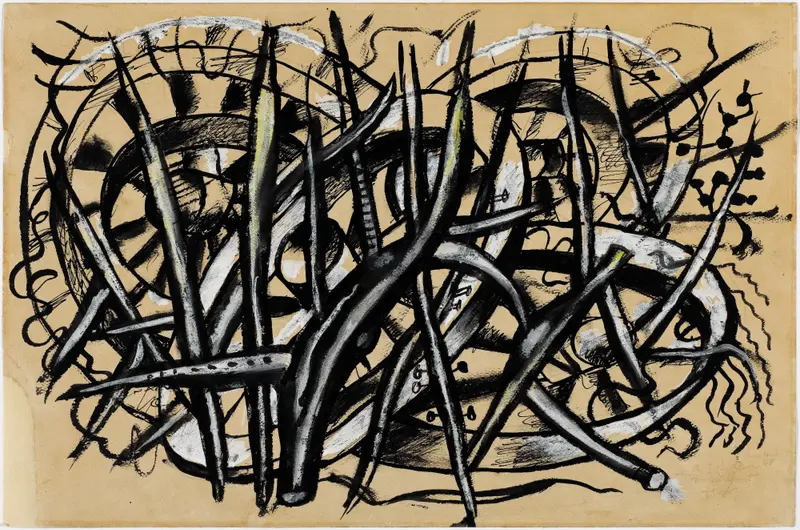
The Wheels
Fernand Léger

Le Cirque Médrano
Fernand Léger
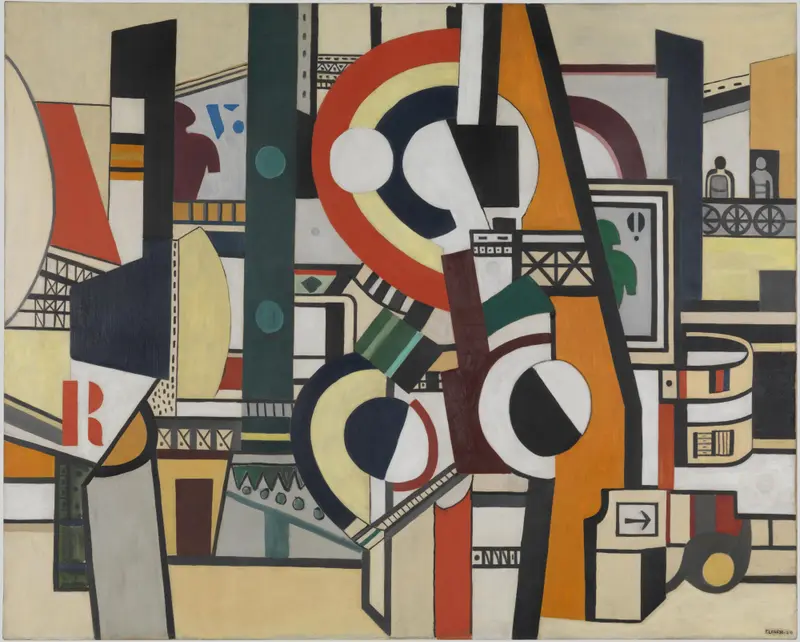
The Disks in the City
Fernand Léger
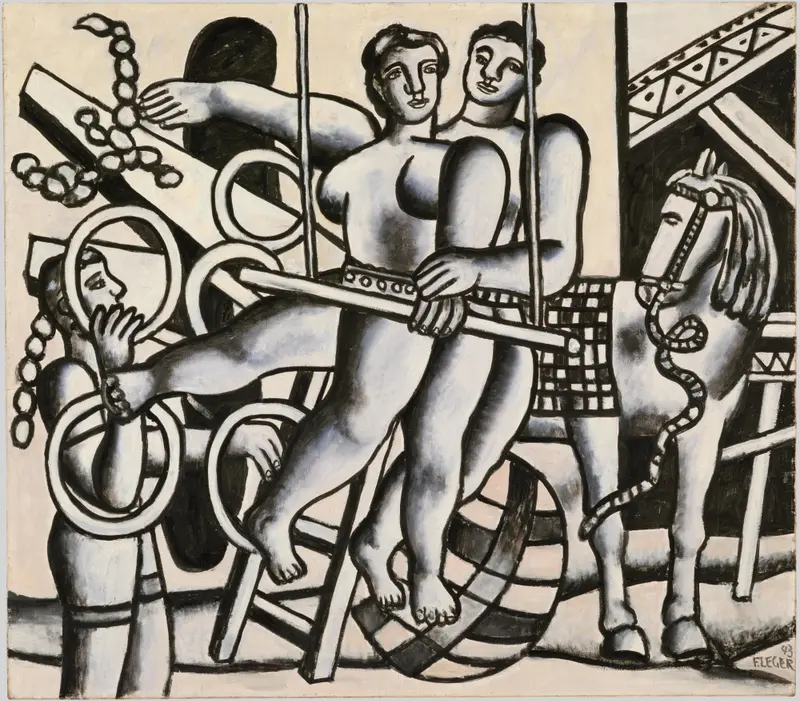
Le Jongleur et les acrobates
Fernand Léger
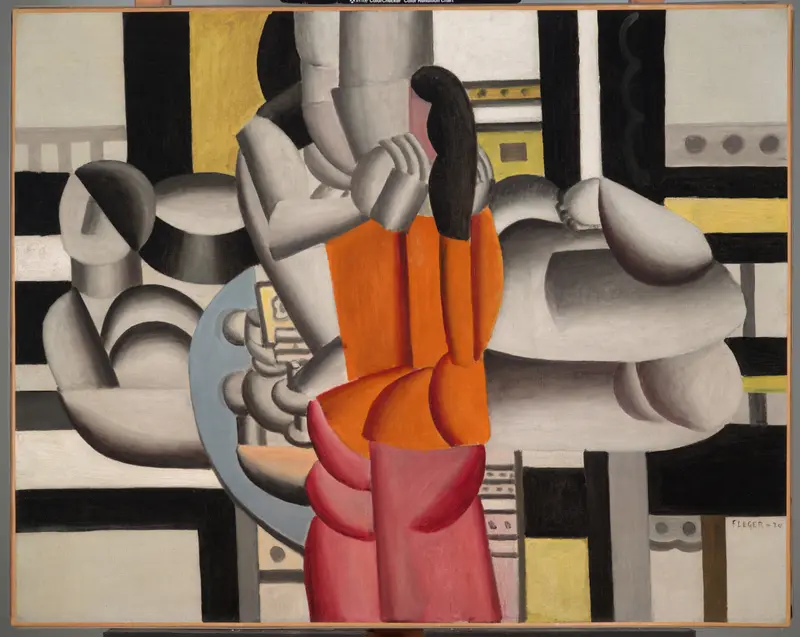
Three Women and Still Life (Déjeuner)
Fernand Léger
Reading
Fernand Léger
Femme couchée
Fernand Léger
Woman holding flowers
Fernand Léger
The Tug
Fernand Léger





