
Nature morte à l'encrier — History & Facts
The eye is immediately arrested by the bold geometry and industrial clarity of Nature morte à l'encrier. Here, Fernand Léger transforms the humble still life into an arena of forms and colors, where the everyday object—a bottle and an inkwell—becomes monumental. The stenciled word “ENCRE” (ink) on the inkwell is not just a label but a proclamation, as if the object is announcing its own importance.
Léger’s palette is deliberate: blocks of orange, blue, and black create a rhythmic structure, while the crisp white shapes cut through the composition like shafts of daylight. The painting’s surface feels almost architectural, built up from interlocking planes that guide the viewer’s gaze from one element to the next, never settling for long. Painted in 1927, this work belongs to a moment when artists across Europe were reimagining the world in the language of machines and modernity. Léger, a leading figure in the Cubist and later Purist movements, was fascinated by the visual order of the mechanical age.
Still lifes like this were not just decorative—they were statements about the new visual order, created for a public eager to see the ordinary world remade. While history has kept few traces of the specific journey of this canvas, its boldness speaks to the optimism and rigor of the late 1920s, when artists believed that even the simplest objects could be re-envisioned for a new century. Stand before it and let your eye wander—every edge and color block is an invitation to see the world afresh.
More Artworks by Fernand Léger

The Tugboat Bridge
Fernand Léger
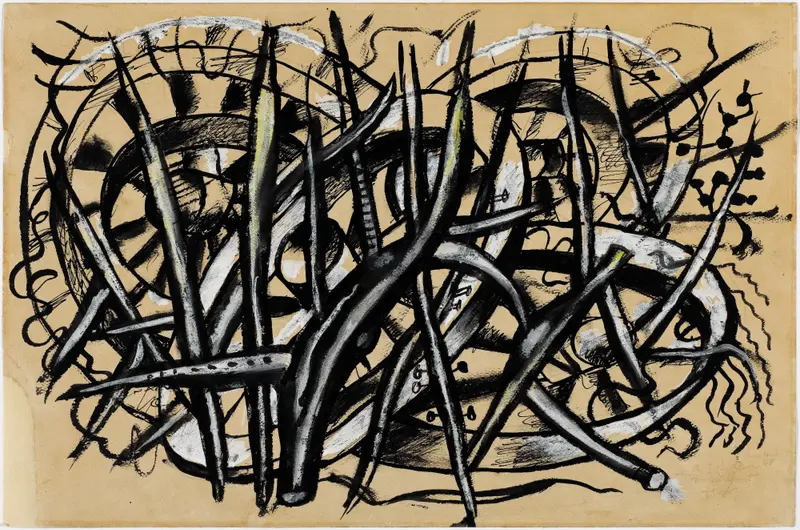
The Wheels
Fernand Léger

Le Cirque Médrano
Fernand Léger
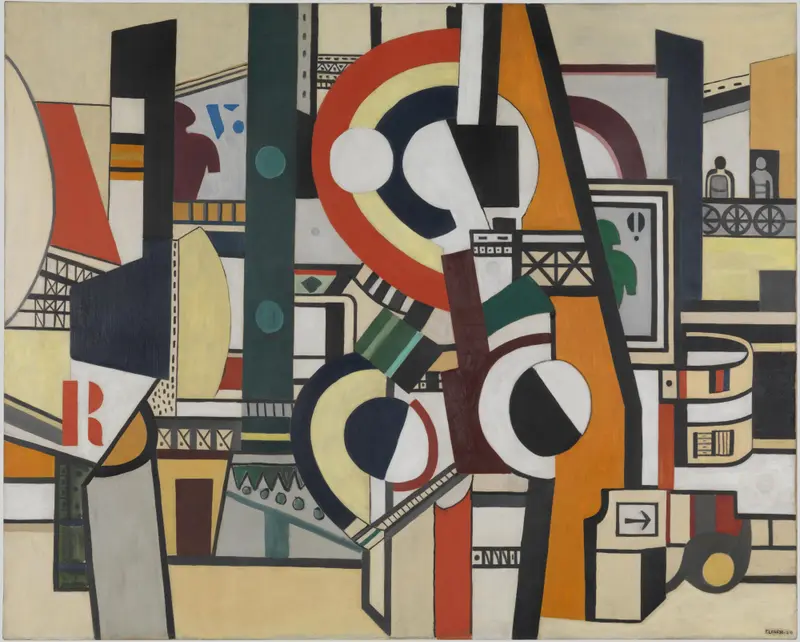
The Disks in the City
Fernand Léger
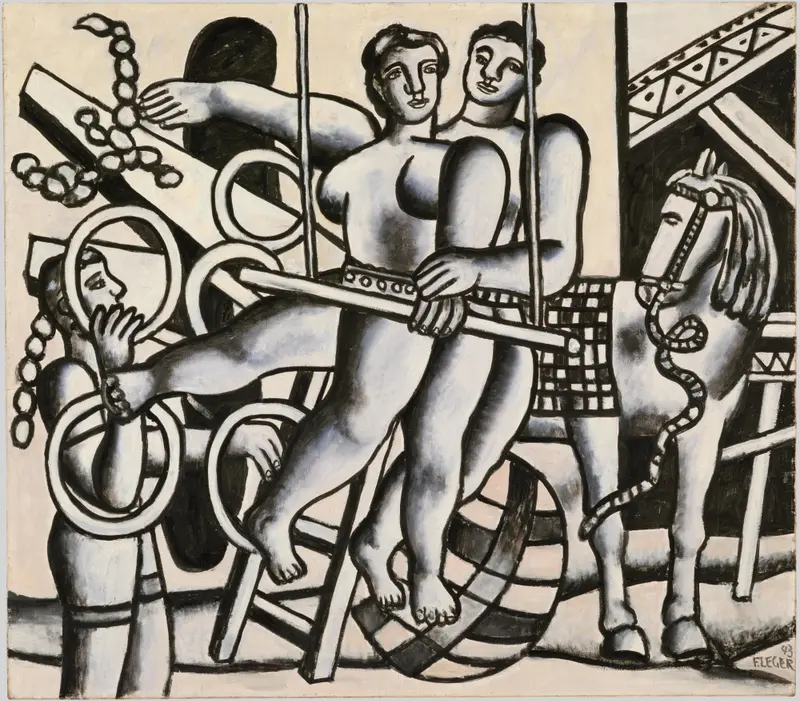
Le Jongleur et les acrobates
Fernand Léger
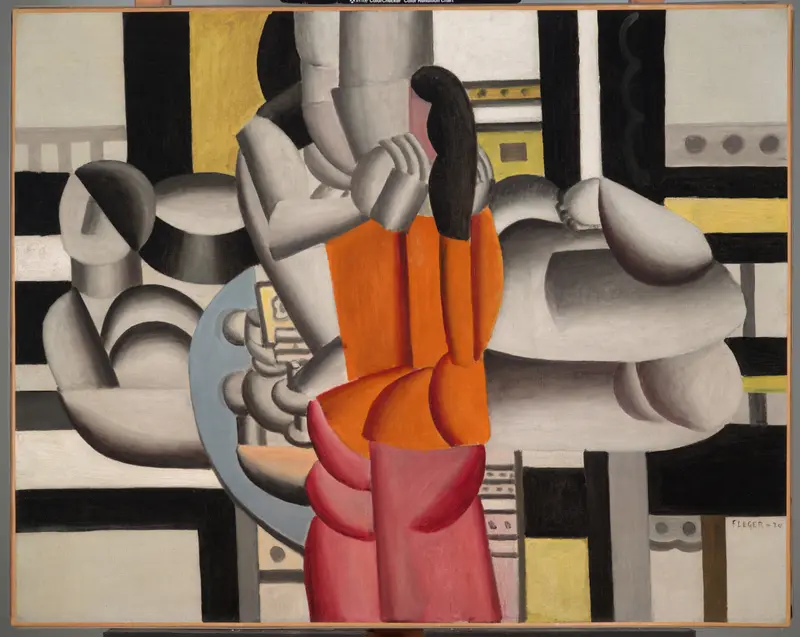
Three Women and Still Life (Déjeuner)
Fernand Léger
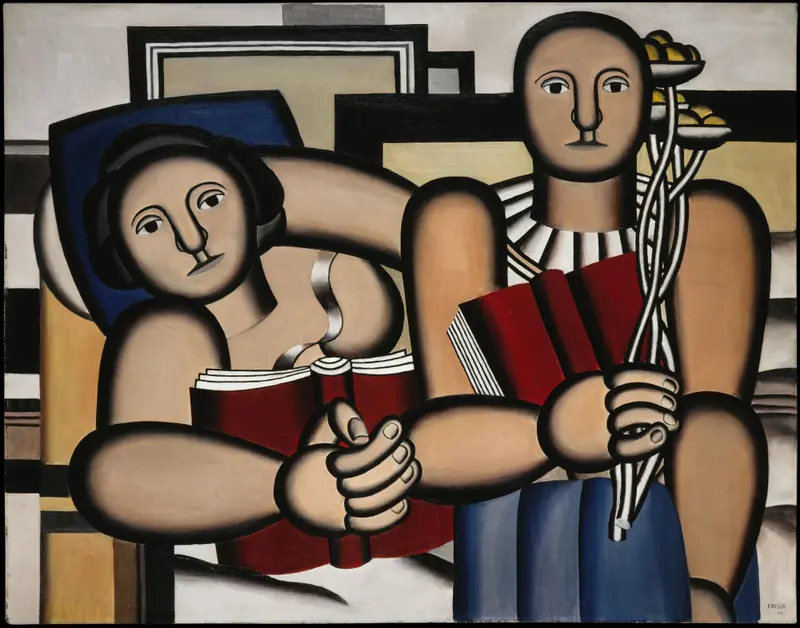
Reading
Fernand Léger
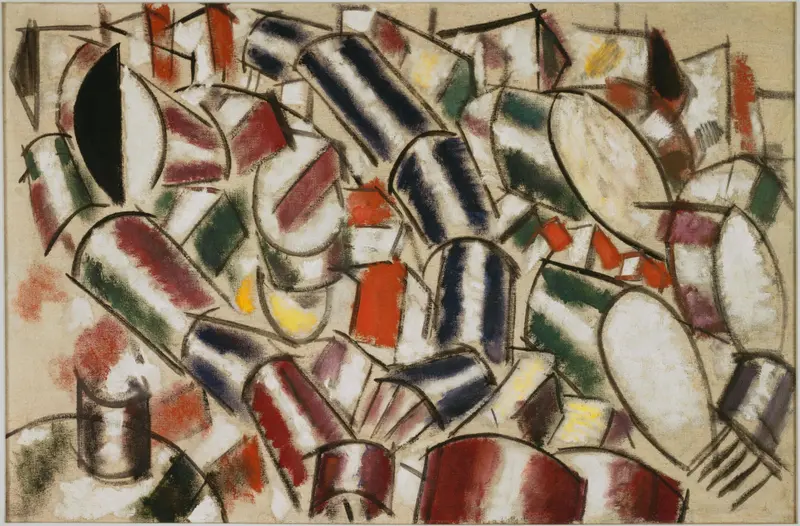
Femme couchée
Fernand Léger
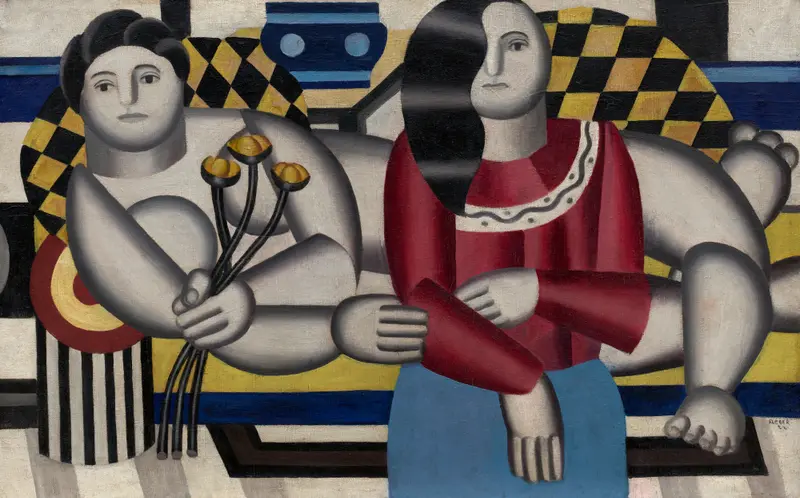
Woman holding flowers
Fernand Léger
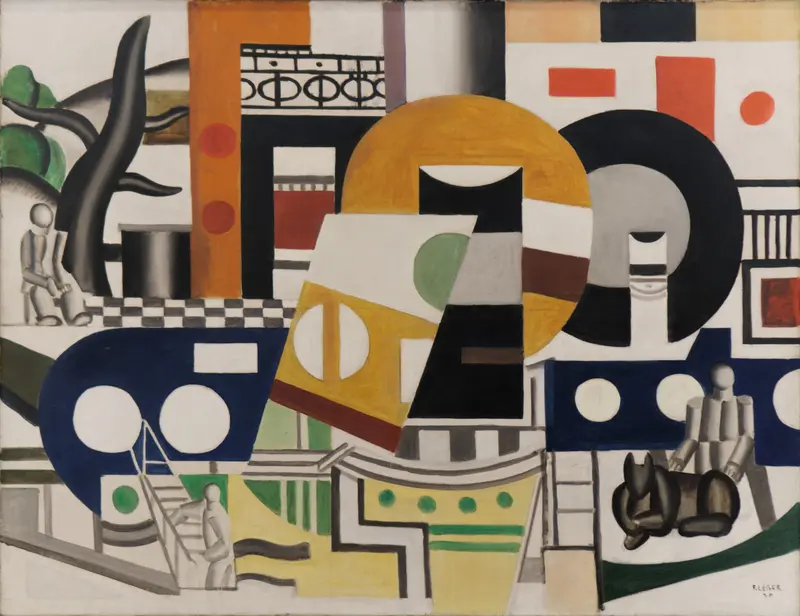
The Tug
Fernand Léger





