
Nature morte au roi de cartes — History & Facts
A king peers out from the heart of Nature morte au roi de cartes, but not as you expect—his face is fractured, his scepter a polished machine part, his crown a parade of black lines and metallic shapes. The composition is a puzzle of forms: a feathered plume divides the scene, while leaves—half-abstract, half-botanical—march up the left. Léger’s palette is crisp and deliberate, all ochre, burgundy, and black, with white slicing through like a shaft of light.
The geometry is playful, but the mood is anything but careless; every curve and edge is weighed, every color a deliberate chord in a visual symphony that both celebrates and dismantles tradition. Painted in 1927, this work belongs to a world in flux, when artists like Fernand Léger were reimagining what a still life could be. The old rules—fruit, goblets, a quiet table—are swept aside in favor of a new mechanical lyricism. Léger, a veteran of the First World War and a pioneer of Cubism and Purism, saw the poetry in machines and the beauty in the everyday.
Here, the king of cards is not just a playing piece, but a symbol of order and chance, his reign interrupted by the logic of the modern age. History has kept few traces of the painting’s early journey, but its date and signature anchor it to a moment when art was learning to speak a new language—one you can almost hear in the crisp, metallic hush of this canvas.
More Artworks by Fernand Léger

The Tugboat Bridge
Fernand Léger
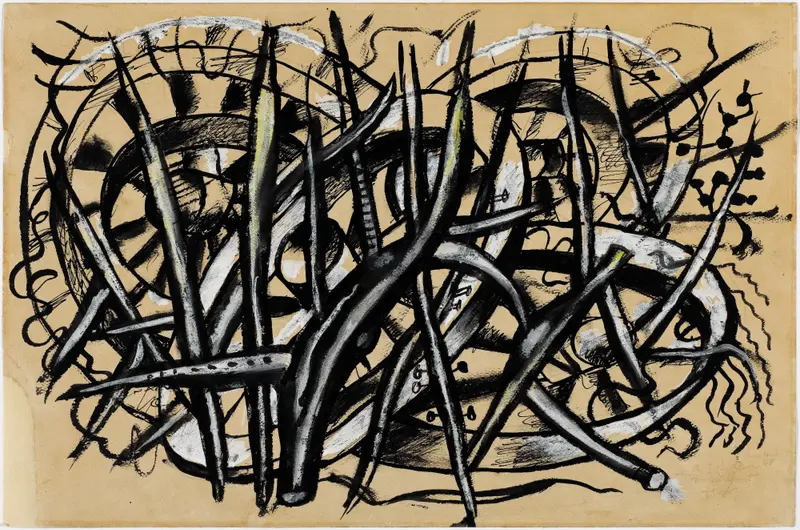
The Wheels
Fernand Léger

Le Cirque Médrano
Fernand Léger
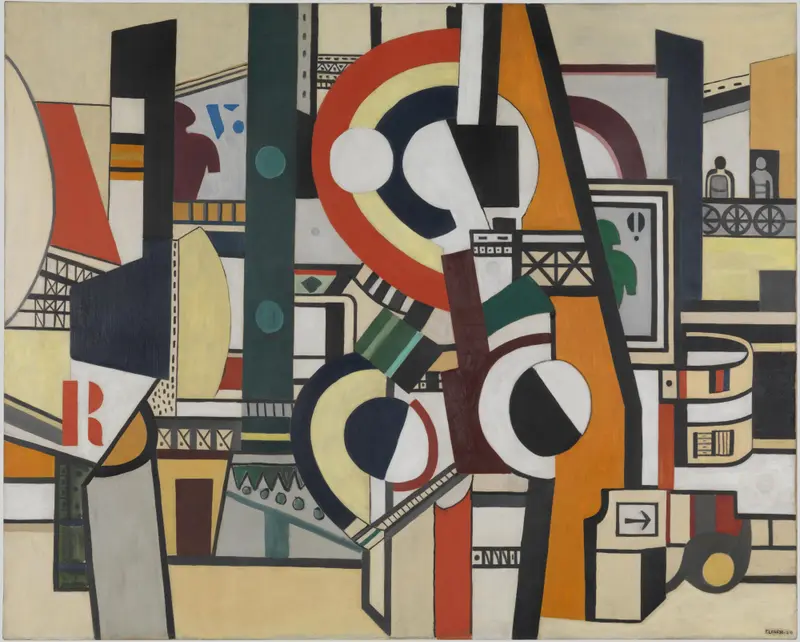
The Disks in the City
Fernand Léger
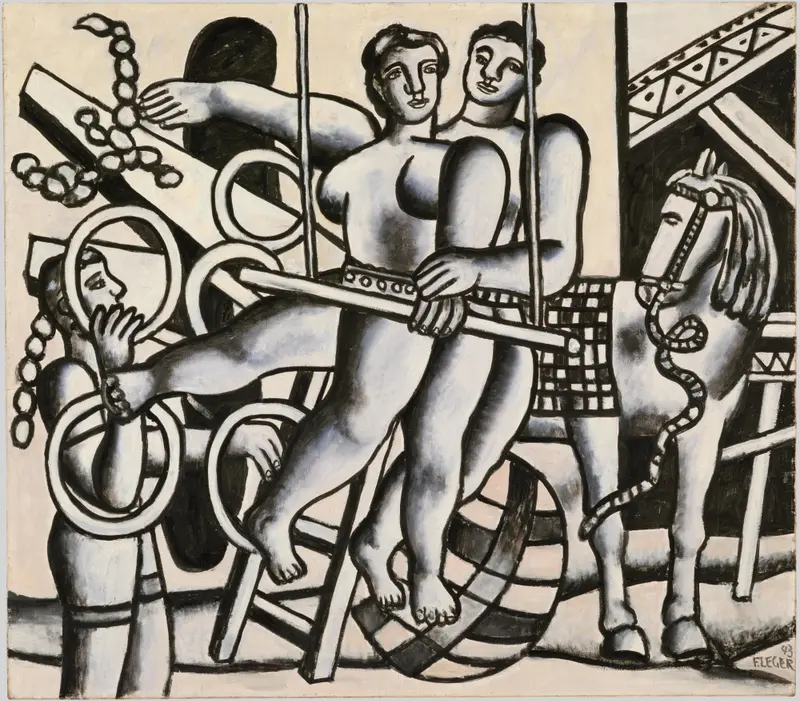
Le Jongleur et les acrobates
Fernand Léger
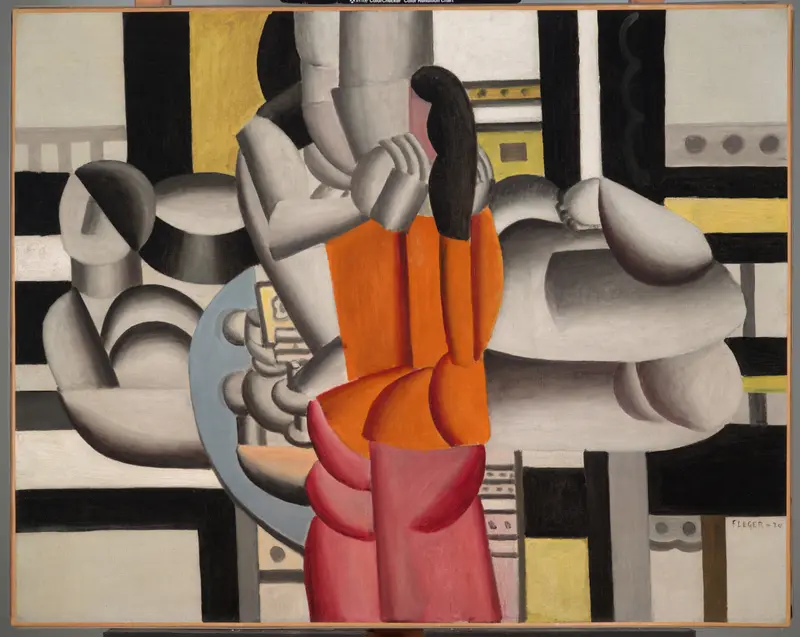
Three Women and Still Life (Déjeuner)
Fernand Léger
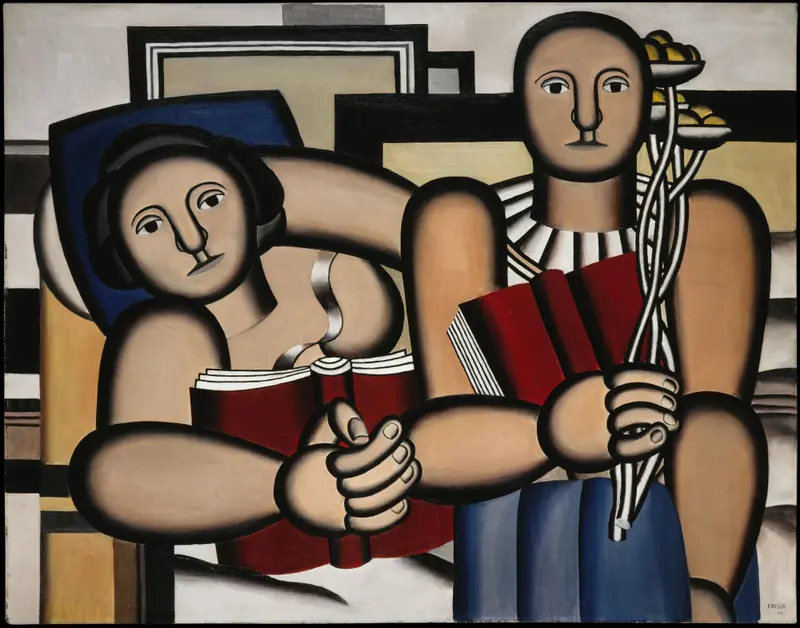
Reading
Fernand Léger
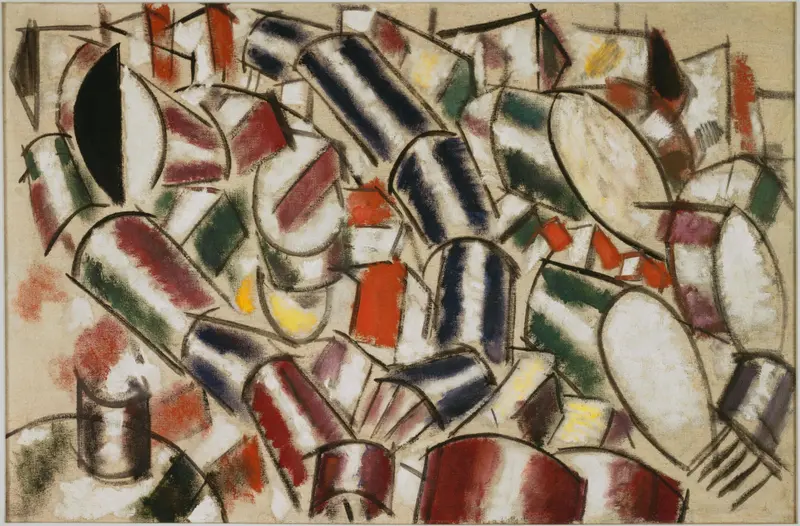
Femme couchée
Fernand Léger
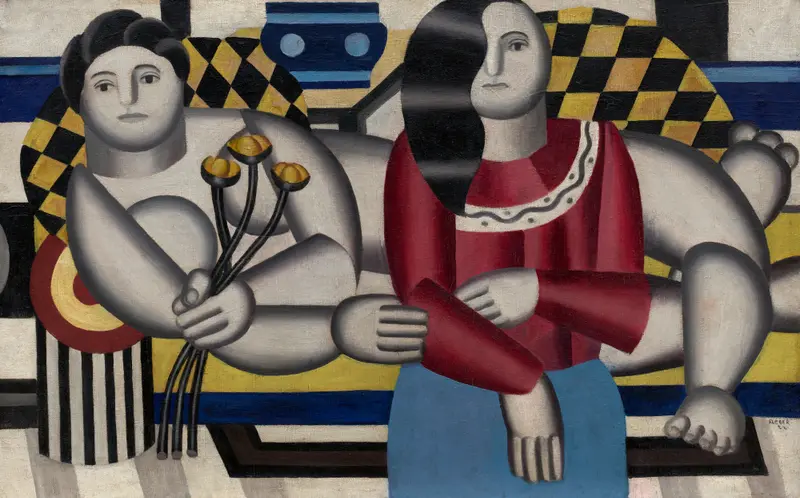
Woman holding flowers
Fernand Léger
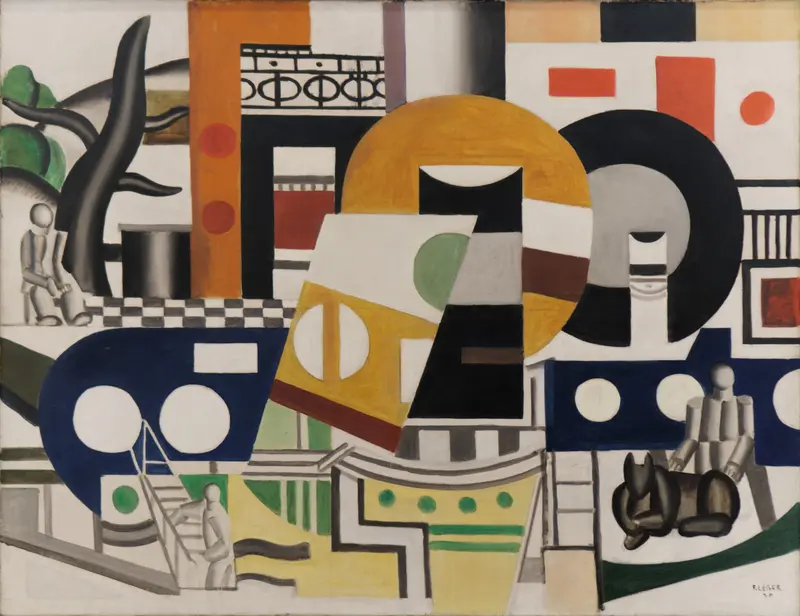
The Tug
Fernand Léger





