
Nature morte (composition pour une salle à manger) — History & Facts
A sunburst of yellow and black radiates from the center, slicing through a field of deep burgundy and drawing the eye like a beacon. Around it, forms that hint at machinery, vessels, or even futuristic totems are arranged with a deliberate sense of balance, their hard edges softened by the creamy gradients of light and shadow. This is a world where the ordinary objects of a dining room—suggested by the title Nature morte (composition pour une salle à manger)—are reimagined as bold, abstract presences, each one given the weight and clarity of an industrial component.
The cool blue ribbon that cuts through the composition acts as both a dividing line and a bridge, guiding the viewer’s gaze from one enigmatic shape to the next. Léger’s palette is restrained but vivid, with bursts of yellow and blue punctuating the earthy reds and stark whites, creating a mood that is both playful and precise. Painted in 1930, this work stands at the crossroads of Fernand Léger’s fascination with modernity and the evolving language of still life in early twentieth-century France. By this time, the genre had broken free from its centuries-old conventions; artists like Léger were no longer content to merely depict a table set for a meal.
Instead, they dissected and reassembled domestic life through the lens of the machine age, reflecting a world transformed by industry and invention. While history has kept few traces of this specific painting’s journey, its presence in a Sotheby’s collection speaks to the enduring intrigue of Léger’s vision. The painting invites you to linger, to puzzle out its forms, and to imagine the hum of modern life that inspired its creation.
More Artworks by Fernand Léger

The Tugboat Bridge
Fernand Léger
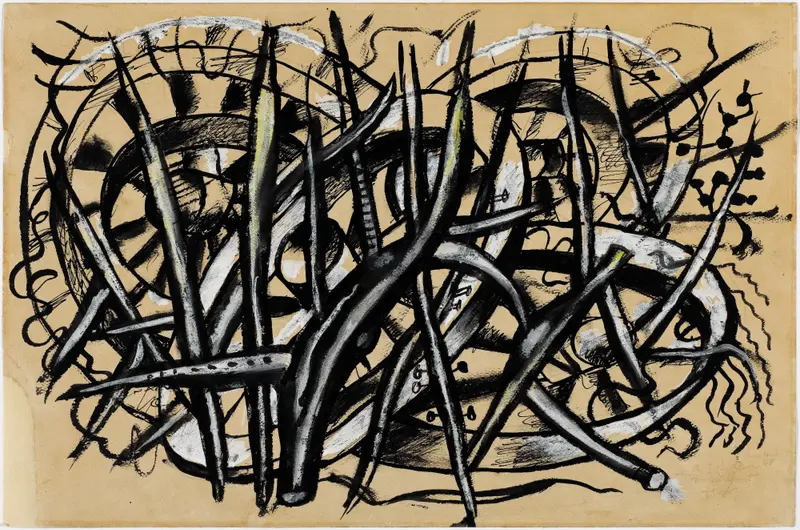
The Wheels
Fernand Léger

Le Cirque Médrano
Fernand Léger
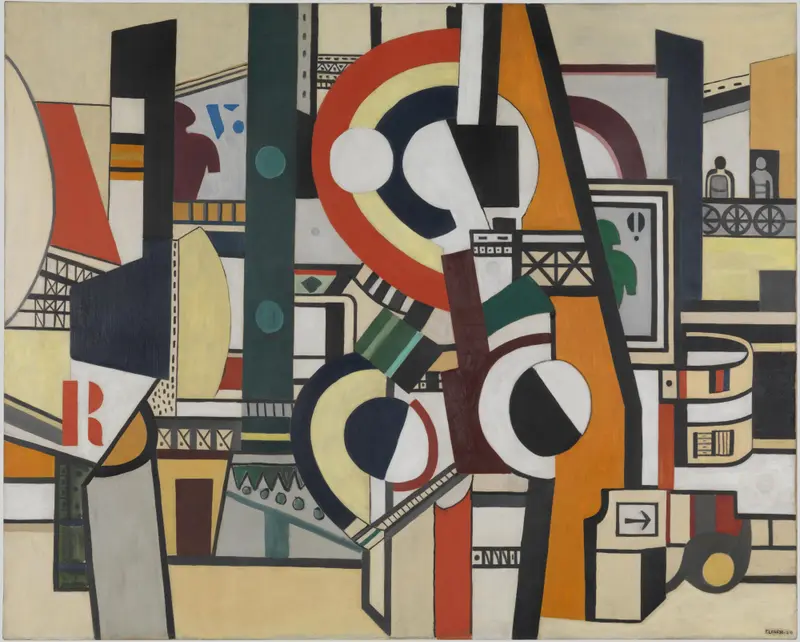
The Disks in the City
Fernand Léger
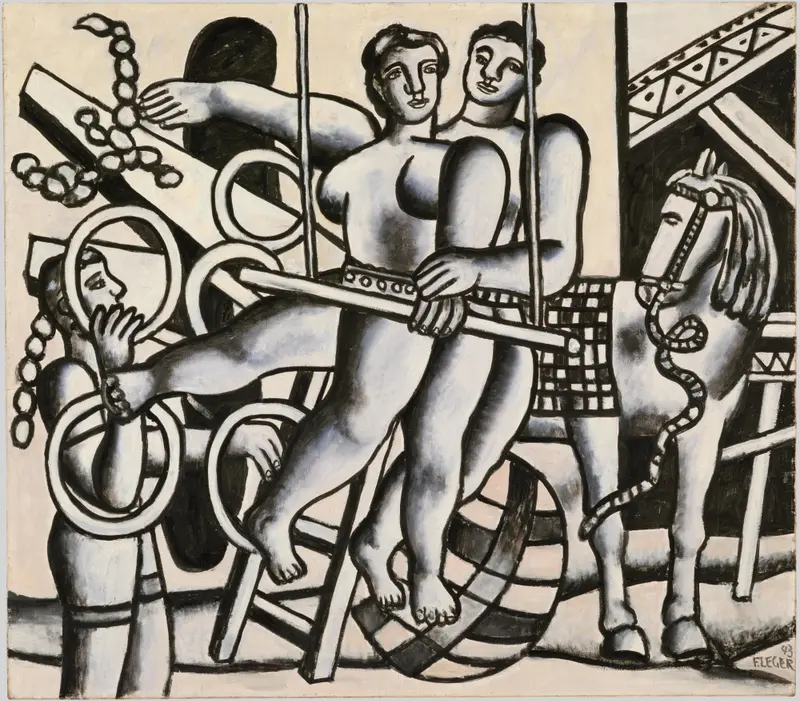
Le Jongleur et les acrobates
Fernand Léger
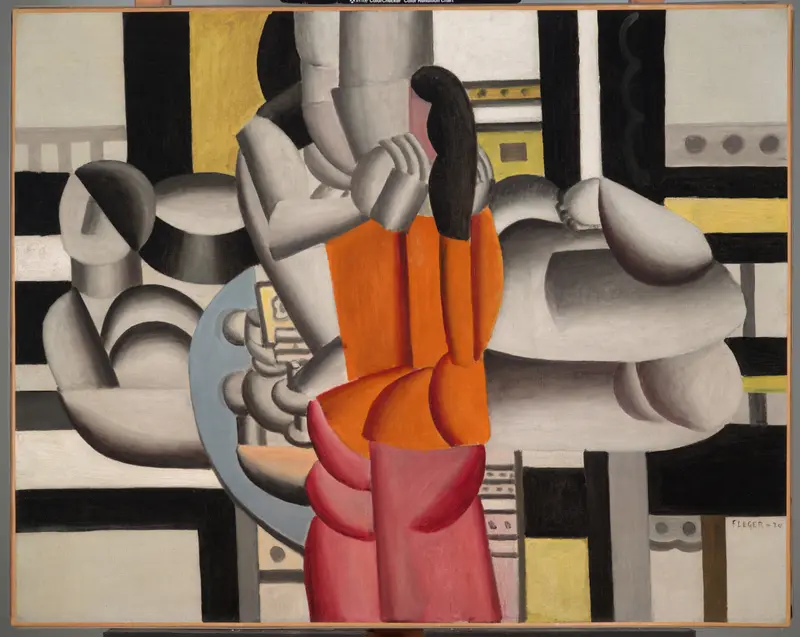
Three Women and Still Life (Déjeuner)
Fernand Léger
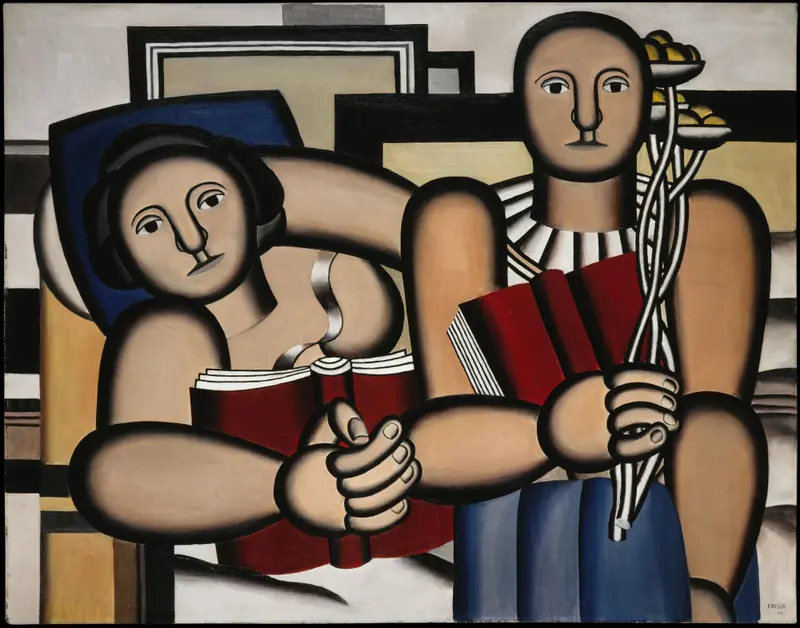
Reading
Fernand Léger
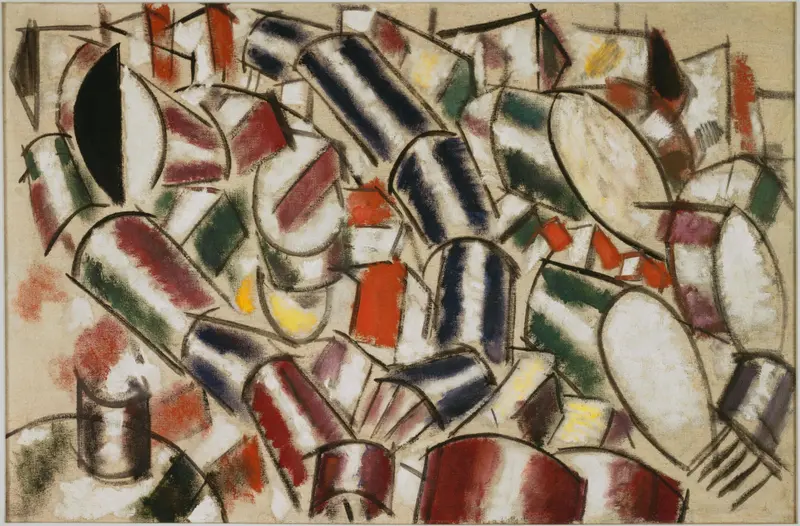
Femme couchée
Fernand Léger
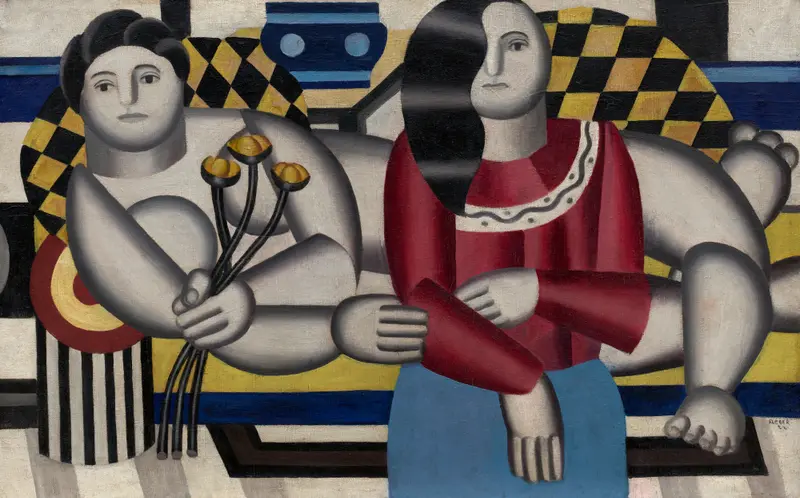
Woman holding flowers
Fernand Léger
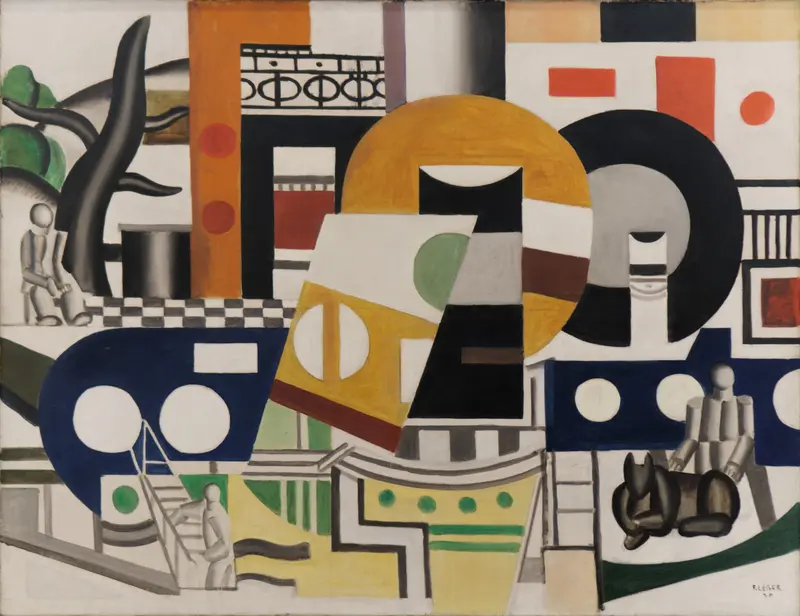
The Tug
Fernand Léger





